
Durham backs 1 project, rejects hundreds of new homes in 2 others. Here’s why.
AI-generated summary reviewed by our newsroom.
- After a seven-hour meeting, council rejected two projects and approved a third.
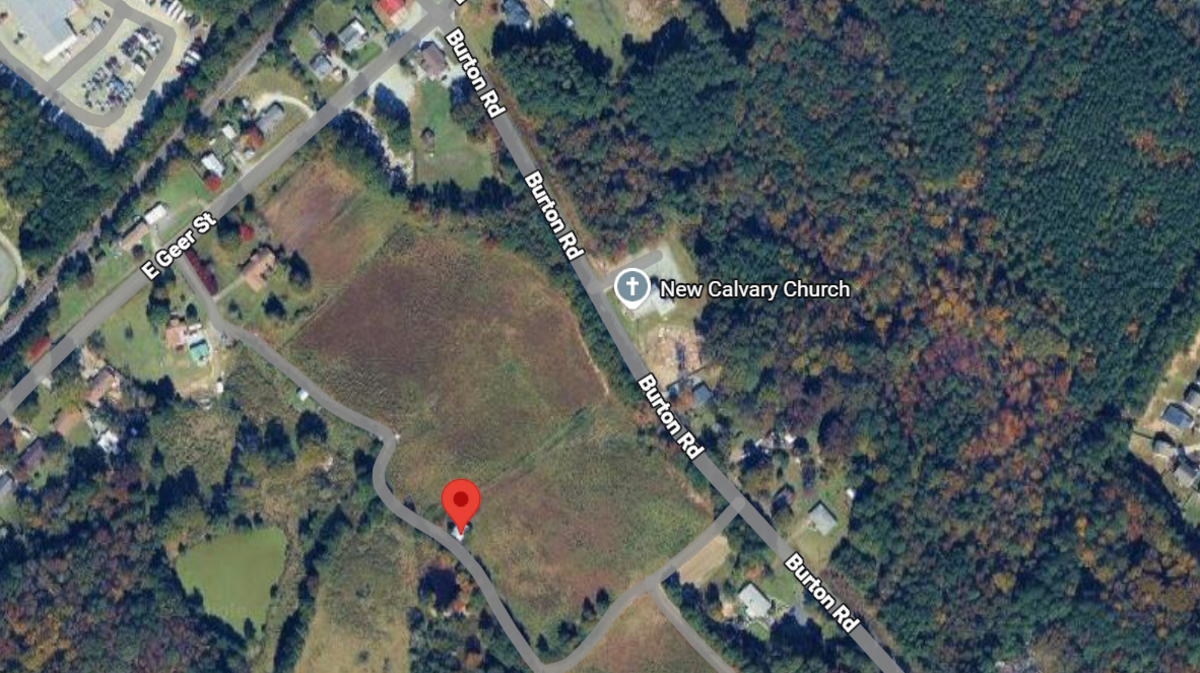
- The council approved Bella Ridge, a 78-acre development at 3013 Burton Road.
- Residents cited environmental and infrastructure concerns in opposition to the projects.
In a seven-hour meeting that stretched from Monday night into early Tuesday morning, the Durham City Council approved one project but rejected two others that would have brought hundreds of new homes to the city.
The projects — Bella Ridge, Patterson Hall and Morgan Farm — all faced opposition from residents who said they posed threats to the environment and already failing infrastructure.
Earlier this year, only one of the projects got a recommendation for approval from the Durham Planning Commission. The City Council meeting, which concluded at 2:22 a.m., showed the challenges city leaders face balancing the need for more housing and the preservation of Durham’s rural and environmental resources.
Bella Ridge: The lone approval
The only project to survive the night was Bella Ridge, a 78-acre project at 3013 Burton Road, about six miles from downtown.
The undeveloped land is currently used for one home and agriculture. Despite concerns from the Environmental Affairs Board regarding sedimentation and the degradation of the Panther Creek watershed, the Council voted 4-3 to approve the annexation and rezoning to allow up to 300 homes and and a $2 million investment in roadway improvements.
To secure the win, the applicant, represented by Raleigh engineering firm McAdams, increased their affordable-housing committment from 5% to 8% and included a stormwater plan that prepares for a 100-year storm (a severe rainfall event that has a 1% chance of occurring in any given year).
Mayor Leo Williams and council members Javiera Caballero, Matt Kopac and Carl Rist voted yes. Council members Nate Baker, Shanetta Burris and Chelsea Cook voted no.
Baker said he couldn’t “in good conscience” vote for the project that supports “auto-centric sprawl, car-dependent development on the outskirts of our city.”
Patterson Hall: The unanimous rejection
The mood shifted during the public hearing for Patterson Hall, a proposed 180-unit, mixed-use project on Patterson Road. The road is off two lane N.C. 98 in southeast Durham.
The applicant, Tim Sivers of Durham firm Quinty, wanted to rezone the 40 acres for townhomes and 3,000 square feet of commercial space. He also agreed to a $1 million community investment including $700,000 in traffic improvements, but it wasn’t enough to overcome residents’ fears regarding emergency response times.
Opponents said more traffic on Patterson Road and N.C. 98 has caused congestion that often hinders emergency vehicles from getting through. Geraldine Lawson, a 50-year residents on Patterson Road, said residents are “very concerned about ... the desires of the developer preceding the repairs that have been needed for years to the intersection and to the infrastructure in this section of Durham.
“It sounds like this should be done in coordination with the city and county governments before we allow a lot of explosive development,” she said. “So much is happening in our area.”
The City Council voted unanimously to reject the project.
Morgan Farm: Another 5-2 vote
The meeting’s most complex case, Morgan Farm, ended in a 5-2 vote by the City Council. The landowner and developer, Raleigh’s M/I Homes, wanted to transform 218.5 acres at 8422 Farrington Mill Road into 437 single-family homes.
The project came before the City Council last year under a different name, Sheffield Farms, and promised 700 homes for the land. That project was also rejected by the council 5-2.
This time residents again raised concerns about traffic and the environment. Farrington Mill Road overlooks the Jordan Lake watershed, a main drinking source for Durham County. The council rejected Morgan Farm, with Baker, Burris, Caballero, Cook and Kopac voting no and Williams and Rist voting yes.
Cook said she didn’t want residents to be “housed in places where it’s not sustainable for them.”
“We’re hearing comments about this horrific traffic, the terrible infrastructure — that’s not a sustainable place to live,” she said. “It’s not enough to just build four walls and a roof. It has to be a place where we would also feel comfortable living and put the standards as if it were our own family.”
This story was originally published April 21, 2026 at 12:25 PM.