
Durham-Chapel Hill just beat Silicon Valley (and Raleigh-Cary) in a national ranking
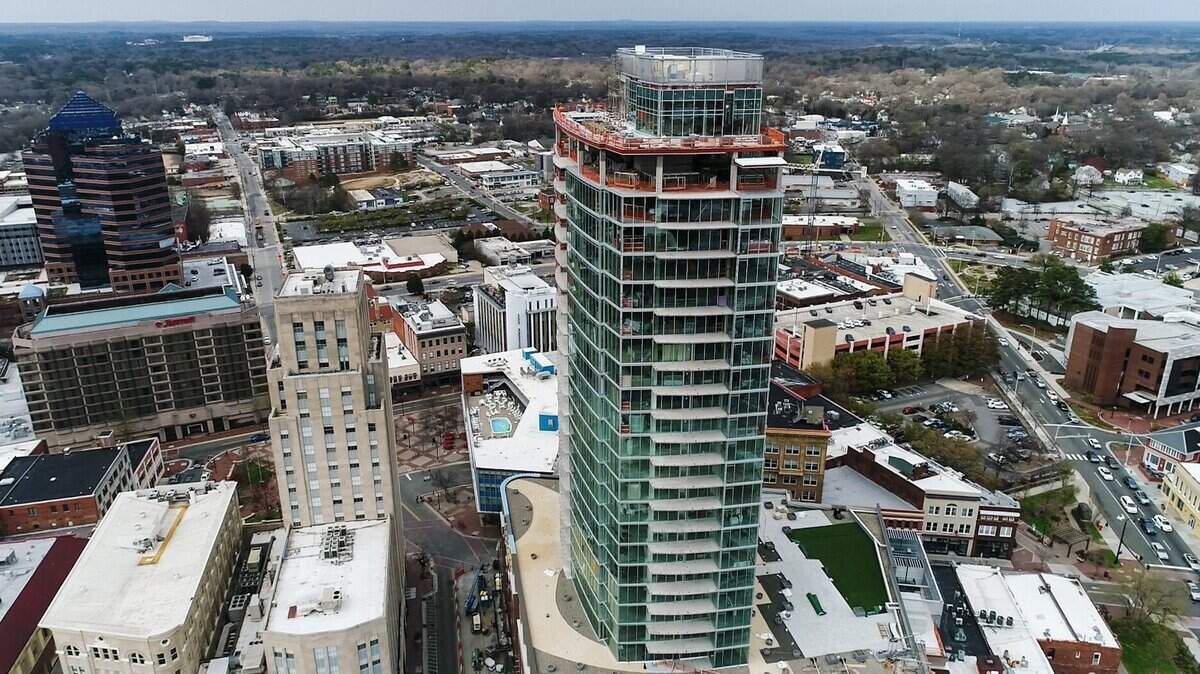
The Durham-Chapel Hill metro area has been named the second most educated region in the United States in a national report by WalletHub, a financial website.
The Triangle took two spots in the 2026 rankings’ top 10, with the Raleigh-Cary metro area coming in seventh.
Ann Arbor, Michigan, claimed the No. 1 spot.
The Durham-Chapel Hill region earned a score of 85 out of 100, ranking it second nationally in educational attainment.
Durham and Chapel Hill are home, of course, to Duke University, UNC-Chapel Hill, N.C. Central University and Durham Technical Community College, which has campuses in Durham and Orange counties.
Residents are pursuing higher education at high rates, according to WalletHub. In Durham over 53% of adults ages 25 and older have a bachelor’s degree, and 26% have a graduate degree. In Chapel Hill, almost 77% of adults over 25 have a bachelor’s degree and 45% have a graduate degree.
This is higher than the national average of about 40% of adults who have a bachelor’s degree as their highest level of education.
Over 31,000 children are enrolled in the 57 schools within the Durham Public Schools system. In the Chapel Hill-Carrboro City School District, over 11,400 students are enrolled across 21 schools. Thousands more attend many charter and private schools.
Durham has just over 320,000 residents. The median home income for the Bull City is about $82,000. In Chapel Hill, the median income is $98,000. The area’s top professionals include techonolohgy and healthcare experts to educators to business leaders and real estate specialists.
Challenges with success
While the ranking is one to be celebrated, Mayor Leo Williams said, the city also faces unique socio-economic pressures.
The city struggles with poverty, homelessness, a lack of affordable housing, and gun violence. In southeast Durham, many residents say the city is growing too fast, damaging the environment, pricing out long-time residents, and adding too much traffic to roads.
Durham Public Schools reported that about 38% of high schoolers were marked chronically absent in the first six months of the 2025 school year. Many of those students stayed home to care for younger siblings while their parents looked for work, according to a report by 9th Street Journal.
“There are challenges that come with success,” Williams said. “As the mayor of the city, I don’t discount the challenges that we have, and I hear the voices that are all in those challenges. But it’s time for us to also celebrate what we are making, what we’re producing here.”
WalletHub’s methodology
WalletHub compared the 150 largest U.S. metropolitan areas across 11 key metrics divided into two categories: educational attainment and education quality.
The study tracked the number of adults 25 and over with high school diplomas, undergraduate degrees, and graduate or professional degrees. Researchers also factored in the quality of local public school systems, graduation rates and gaps in educational attainment across racial and gender lines.
The Triangle’s high performance reflects an academic and economic system anchored by its universities that draw highly educated workers to the region.
Find more information about WalletHub’s rankings at wallethub.com.
This story was originally published July 1, 2026 at 3:10 PM.