NC man takes surprise plea with jury weighing murder charge in Home Depot death
A Durham man pleaded guilty Thursday to voluntary manslaughter while the jury was still deciding whether he was guilty of murder in the 2022 death of a Home Depot worker.
Terry McMillian Jr., 29, agreed to the surprise plea after more than a day of jury deliberations.
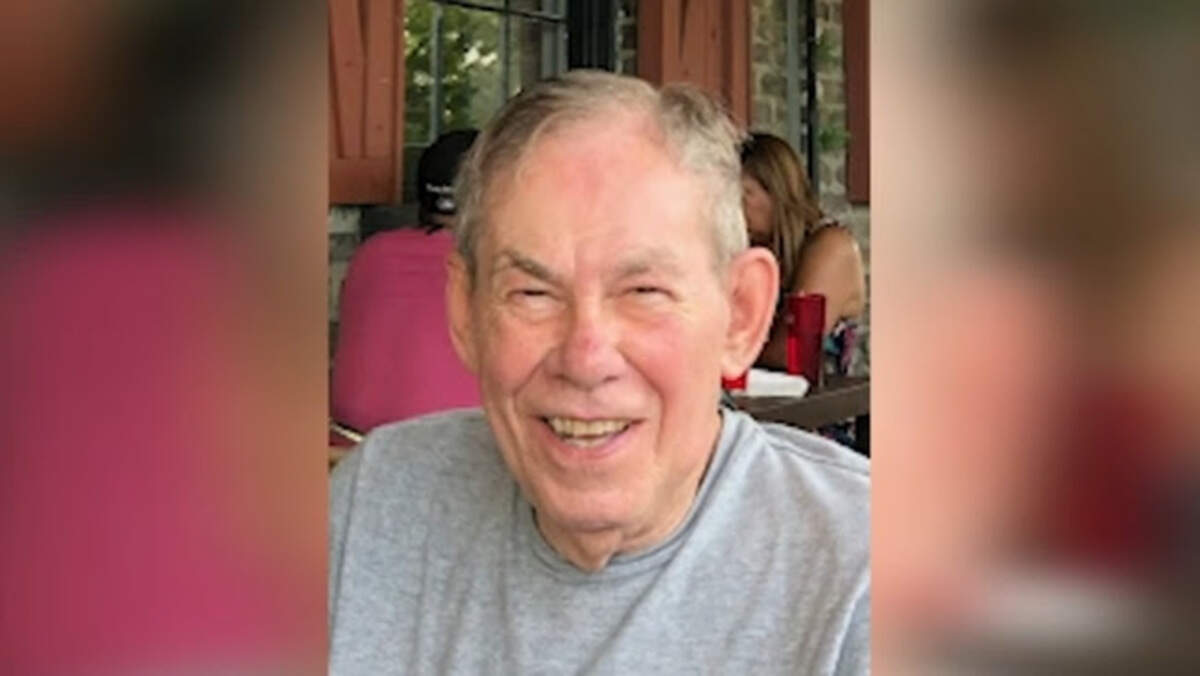
The case had hinged on whether 83-year-old Gary Rasor died as a result of being pushed to the ground and fracturing his hip, or if he died from prior health problems.
Special Superior Court Judge Clayton Somers sentenced McMillian to 97 to 129 months — nearly 11 years — in prison Thursday for voluntary manslaughter and common-law robbery.
He could have faced up to 241 months, or roughly 20 years.
Orange County District Attorney Jeff Nieman had argued for first-degree murder, which would have carried a sentence of life in prison.
Key evidence that led police to McMillian were cell phone videos that his former girlfriend, Diamond Brown, provided.
Brown provoked McMillian into an argument, she testified last week, and then recorded his response about shoving Rasor.
She wanted him to do more to support her and their daughter, Brown testified. Instead, she gave the videos to police and claimed a $10,000 reward when he was arrested in January 2023.
Defense attorneys Kellie Mannette and Kailey Morgan did not offer any witnesses, and McMillian did not testify, but after his plea, his family said they appreciate the “kindness and respect” that Rasor’s family and the judge showed.
McMillian didn’t mean to harm Rasor, but he was startled by someone approaching him and has regretted what happened every day since, they said. He didn’t testify because he feared his words would be turned against him, they said.
The father of two little girls had worked with older residents at Durham Ridge Assisted-Living for several years, his mother said.
“My family and I are super sorry about what happened to Mr. Rasor — super sorry. I know that my son never intended for that to happen,” Jenee Jiggetts said..
Rasor’s family, who spoke in court, said they hope McMillian can have a future after prison, but this situation has cost both families.
Rasor, “despite the violent and hateful actions toward him ... never had a cross word to say,” and never said anything bad about McMillian, his stepdaughter Leigh Bucholtz said.
“That, I want everyone to know, that is the man we lost — the loving, caring, forgiving man who we loved,” she said.
Her sister, Alexis Bucholtz, said Rasor, despite not being her birth father, proudly supported her when she played rugby, learning about it and cheering from the sidelines. When she joined the U.S. Marines, he bought her first KA-BAR military knife, wore a Marines cap and told everyone, “My daughter is a Marine.”
He was also there in dark times, when she suffered through PTSD and sexual assault, she said. Her hope is McMillian can build a future with his own children, she said.
“That’s what I ultimately wish happens in this situation. I hate that someone has to go to [prison], because I know how bad the system is,” Alexis Bucholtz said. “But I want a child to have a father. I want a baby’s mother to have support, because I know how hard it is to have a single mother.”
Did shove lead to death?
McMillian was accused of shoving Rasor to the floor of a Home Depot garden center on Oct. 18, 2022, in Hillsborough. McMillian also was charged with stealing three Ryobi power washers from the store.
Rasor fractured his right hip and a rib, and was hospitalized before moving to a rehabilitation center a week later. He was beginning to walk with the aid of a rolling walker when he had a heart attack on Nov. 21 and returned to the hospital. Doctors performed a catheterization on him for a blocked artery, but Rasor died on Nov. 30, 2022.
Nabil Haikal, an associate chief medical examiner with the N.C. Medical Examiner’s Office, testified last week that Rasor’s death was a homicide caused by complications from blunt force trauma to his pelvis. Significant heart and lung disease also contributed, she said, including problems with hypertension and pulmonary emphysema.
Rasor was an active, older adult before the robbery, working part time for nine years at Home Depot and parking cars part time at Duke University athletic events, Haikal and Rasor’s son, Jeff Rasor, testified. that Gary Rasor also enjoyed playing with his grandchildren and taking them on rollercoasters, his son said.
He could have live many more months or even years, Haikal testified.
Medical examiner, autopsy questioned
McMillian’s defense spent two days attacking Haikal’s conclusions before unsuccessfully asking the judge to dismiss her testimony.
In closing remarks Tuesday, Morgan told the jury that the medical examiner was overworked and rushed, so she made mistakes and overlooked important facts in Rasor’s medical history.
Haikal never said Rasor’s fall definitely caused his death, but instead used words like “may” and “could have,” Morgan argued. And while Rasor was recovering from the fall, Haikal decided that was what caused his death because that’s what law enforcement had told her, Morgan said.
“This is not the sign of someone who did a thorough job,” Morgan said. “This is the sign of someone who did a rush job, who did a poor job, who was going through the motions and didn’t think she was going to be challenged.”
Mannette focused her closing remarks on the legal questions and the difference between first-degree murder, second-degree murder and involuntary manslaughter.
McMillian pushed Rasor, because he was reacting to being grabbed by someone — “a single push in a moment of panic,” Mannette said. He could not have anticipated that would result in Rasor’s death, she said, and police did not anticipate that outcome either.
“All we have are excuses and fingerpointing and a witness the state paid [with the reward] and the state doctor who acknowledges the best she could do is [say] ‘could’ [have caused Rasor’s death],” Mannette said. “And the state wants you to take this case and send somebody to prison for the rest of his life on it.”
District attorney argued murder
NIeman argued that Rasor moved toward McMillian as he was leaving the store but he did not touch him. Instead, the video shows the younger man shifting his position, so he could push his way out of the store, NIeman said.
Felony murder only requires the jury to agree McMillian acted violently while committing a felony — in this case, common-law robbery — Nieman said. The prosecution doesn’t have to prove McMillian meant to harm Rasor or that he knew Rasor might die, he said.
Nieman also defended the medical examiner’s conclusions, saying Haikal has 37 years of experience and has done 6,000 autopsies.
Haikal didn’t benefit financially from her testimony, and she also didn’t equivocate about whether the assault led to Rasor’s death, he said, but she was clear that Rasor’s underlying health issues played a role.
“He would have died anyway, but he wouldn’t have died that day. That day, he died because of complications caused by what he did,” Nieman said, pointing at McMillian.
This story was originally published May 22, 2025 at 11:30 AM.