What does Chapel Hill want at Carolina North? Council puts concerns in a letter.
AI-generated summary reviewed by our newsroom.
- Town urges Carolina North to integrate housing, research, retail, and mobility.
- Town asks UNC to preserve green space and limit stormwater flooding.
- Town ties BRT, greenways to funding opportunities for affordable housing and connectivity.
A letter from Chapel Hill to UNC this week says Carolina North should house a variety of people without creating more traffic and flooding for the rest of town.
The Chapel Hill Town Council approved the letter Wednesday night, but held off on nominating people for the Carolina North Development Advisory Committee until later this month. The committee will help UNC plan the 230-acre satellite campus; the university will have the final say on who serves on it.
Carolina North is planned for the former Horace Williams Airport at Martin Luther King Jr. Boulevard and Estes Drive, about two miles north of downtown and the main campus.
It will be an academic and research hub focused on artificial intelligence, health care and advanced technology. Housing is planned for students, families and workers, plus offices, restaurants, retail, and recreational spaces. The site is also a leading contender for the future Dean Smith Center basketball arena.
UNC Chancellor Lee Roberts anticipates construction at Carolina North by 2027.
.JPG "RAL_SMITHCENTER-SP-122225-RTW_3 (1).JPG")
What Carolina North means for the town
The town negotiated with UNC before approving a development agreement in 2009 for the first Carolina North campus master plan. That project stalled, however, and state law now limits the town’s oversight.
The town’s letter to Roberts shares several priorities, including housing, transportation, stormwater and flooding concerns, and adherence with the town’s Complete Community goals for walkable, mixed-use neighborhoods.
“Carolina North represents a generational opportunity for both UNC and the Town,” said the letter, signed by Mayor Jess Anderson and eight council members.
“We see Carolina North as a place where academic and research space is integrated with housing, employment, retail, and cultural amenities,” it said. “Strengthening the University’s academic and research capacity — particularly in ways that fuel innovation, entrepreneurship, and public‑private partnerships — supports long‑term economic resilience and shared prosperity.”
The university is seeking proposals from design teams now that could draft a master plan and work with a future developer to bring the vision to life.
Support for economic growth and downtown
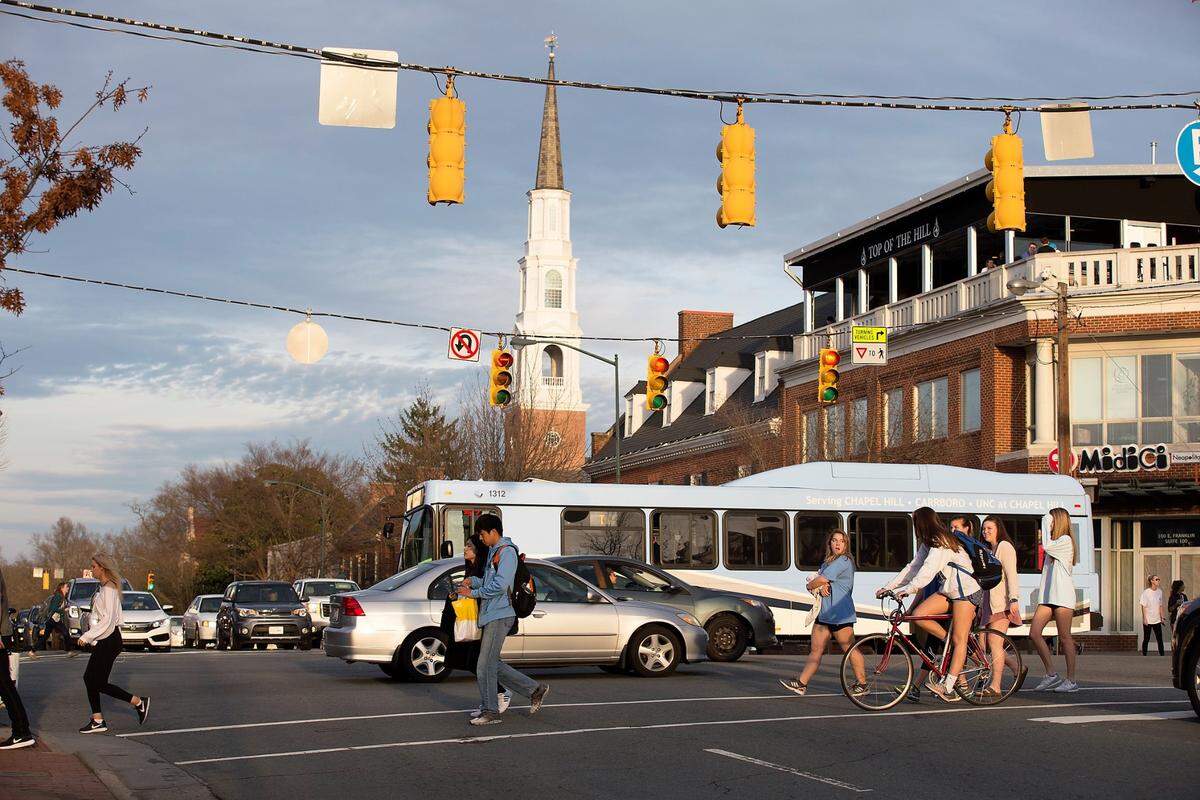
The town also wants to ensure Carolina North’s future shops and restaurants don’t compete with downtown Chapel Hill, and that they contribute to the town’s tax base.
That will be especially important, because UNC and other state entities don’t pay property taxes on their land and buildings. UNC does pay a nominal amount on some commercial properties.
“Strategic alignment can reinforce downtown’s innovation ecosystem, create synergies with the Innovation Hub and future Arts District, and encourage activity, investment, and collaboration that benefit both areas,” it says.
Housing and transportation goals
A 2021 town-gown housing study found Chapel Hill needs to build 485 more homes a year for the next 20 years just to meet current demand, including 45 student housing units a year.
That was before UNC decided to add 5,000 more students over 10 years. The first group of 500 additional students enrolled this year.
Up to 2,200 beds for graduate and undergraduate students will be built first at Carolina North, Roberts has said. The university could partner with or lease land to a private housing developer to build faster and more efficiently, he told The News & Observer.
The council’s letter noted Carolina North’s location on multiple bus routes and the town’s future North-South bus-rapid transit (BRT) route. That gives it an edge when competing for federal dollars, especially to fund affordable housing, the letter said.
The town is awaiting confirmation — possibly later this year — that it will receive $118 million in federal dollars to build the BRT bus route. Buses will run from Eubanks Road near Interstate 40, to downtown, UNC’s campus and hospital, and Southern Village.
The council also wants Carolina North to address traffic concerns and be a link in the town’s Everywhere‑to‑Everywhere Greenway Network.
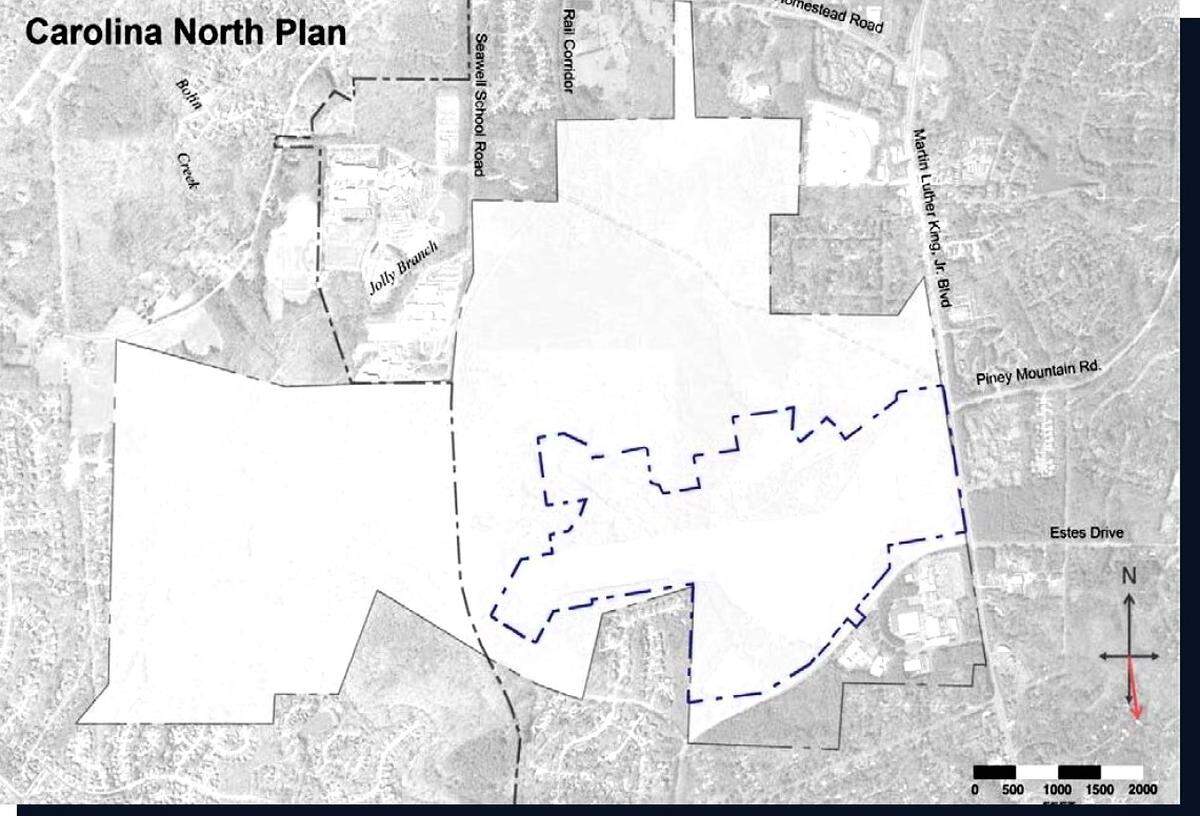
The previous Carolina North plan had a greenway along Estes Drive Extension to Carrboro. A similar greenway could also connect with the future Bolin Creek Greenway extension, creating an off-road route to University Place and other shops and businesses.
“Aligning University plans with the Town’s Complete Community goals will require thoughtful integration of BRT, greenways, pedestrian and bicycle infrastructure, roadway improvements, and other mobility options,” the town’s letter said. “This approach supports daily travel while also promoting environmental sustainability and community health.”
Environmental preservation and flooding
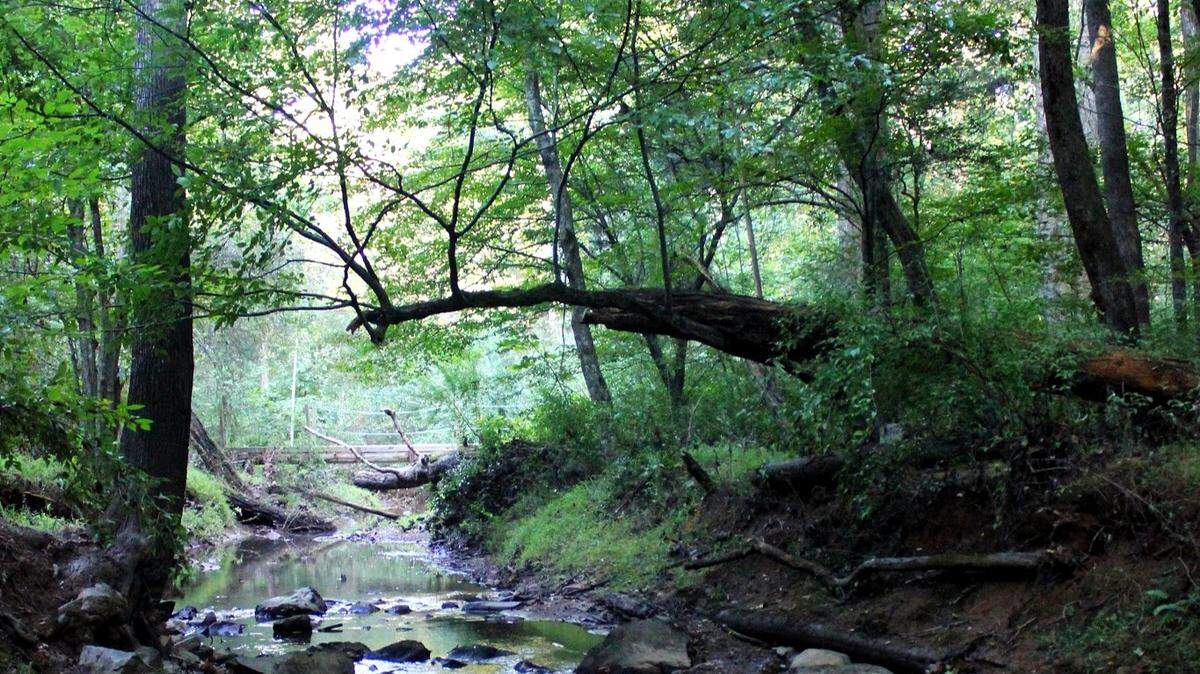
The town supports preserving vast swaths of the 717-acre Carolina North forest around the development site, as well as efforts to limit downstream runoff that could worsen downhill flooding, the letter said.
It also advocates for UNC to help clean up a former coal ash dump at the now-vacant Chapel Hill Police Department site at 828 MLK Jr. Blvd. The university has not claimed responsibility, but the coal ash may have been generated at its coal-fired power plant on campus and dumped there in the 1960s and 1970s.
The site was purchased in 1980 for a police station that moved last year to Millhouse Road in northern Chapel Hill. The town signed a state Brownfields Agreement and is evaluating possible remedies.
“Growth at Carolina North can honor Chapel Hill’s character while preserving green space, trail networks, and other environmental assets that contribute to our community’s quality of life,” the letter said. “Thoughtful planning can ensure the site strengthens connectivity — physically and economically — through activated frontages, a high‑quality public realm, and walkable, welcoming spaces that encourage gathering and everyday interaction.”
This story was originally published March 5, 2026 at 2:35 PM.