Raleigh may drop parking requirements for new development
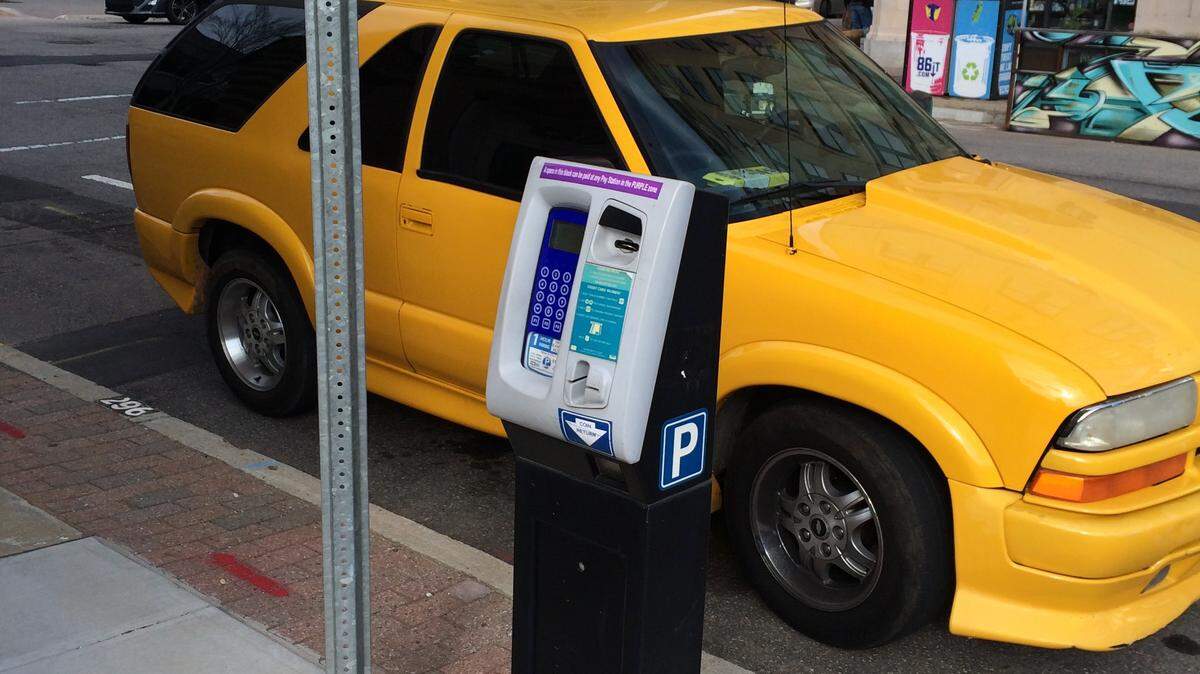
Raleigh leaders want to scrap parking requirements for new developments throughout the city.
Parking minimums — based on how many people live, work or shop at a development — have long been standard in cities, based on the assumption that parking “is really good and more is always better,” said Jason Hardin, a senior planner with the city.
Now, in an effort to reduce vehicle emissions, many cities, including San Francisco, Portland and Minneapolis, have done away with parking minimums and capped how much parking can be added to new development.
“Over-reliance on driving contributes to climate change, degrades air quality and creates poor health outcomes,” Hardin said in a city memo. “Minimum parking requirements do the same by acting as an incentive to drive.”
The Raleigh City Council voted 6-to-1 Tuesday to begin a process to remove parking minimums and change parking maximums throughout the city.
Council member Stormie Forte voted against the proposal and Council member Patrick Buffkin was absent from the meeting.
Local governments have limited ability to address climate change, but removing parking minimums is one option, said Mayor Pro Tem Nicole Stewart.
Instead of requiring land to be used as parking, a practice that incentivizes cars, the city can encourage people to take public transit, walk or bike to their destinations, said Council member Jonathan Melton.
“Literally, everything else we are trying to do in this city, we work against ourselves with parking minimums,” Melton said.
Council member David Cox asked how growing reliance on electric vehicles might factor into things.
“I support removing the parking minimum, but I wanted to ask if this will really make much of a difference,” he said.
Could neighborhoods see spillover?
The feared downside of not having enough parking spaces is overflow into nearby streets and neighborhoods, Hardin said.
“The primary rationale for requiring off-street parking spaces is concern about parking spillover – the notion that a site that generates significant activity takes more than its ‘share’ of on-street parking, particularly in a residential area with unpriced parking,” Hardin said in the memo.
“This is particularly the case on the fringes of downtowns, universities or other centers of activity,” he said.
One way to control for that is with neighborhood parking permits for residents and their guests.
Forte said she would worry about low-income residents who need a car or have frequent visitors like an in-care nurse.
“We have to be mindful that we are being inclusive of everybody across the economic spectrum, not just the people who can afford to walk and bike,” she said.
The city has 11 residential parking permit areas.
“If we remove parking minimums and there is an overflow issue, then we will have to figure out how to handle it,” Melton said. “But we are not there.”
Next city staff will draft a text change for the Planning Commission and a final vote by the Raleigh City Council.
This story was originally published June 1, 2021 at 6:53 PM.