
Expert compares NC teens charged in NBA star’s grandfather’s death to Central Park Five
An expert in confessions testified Thursday that a group of teenagers convicted of killing NBA star Chris Paul’s grandfather 18 years ago were susceptible to telling police they were involved in the murder even if they weren’t.
Hayley Cleary, a psychologist and expert in police interrogations, compared the teens’ confessions in the death of Nathaniel Jones and those in the Central Park Five case in New York City, where suspects were convicted after false confessions.
“The similarities are astonishing to me,” Cleary told the N.C. Innocence Inquiry Commission during a hearing.
“In both of these cases, investigators questioned the youth separately, sometimes for extended periods of time,” she said. “Each suspect was presented with the notion that some other suspect is implicating them — so you might as well confess.”
The commission is considering claims of innocence from four of the five men who were convicted as teenagers of killing Jones.
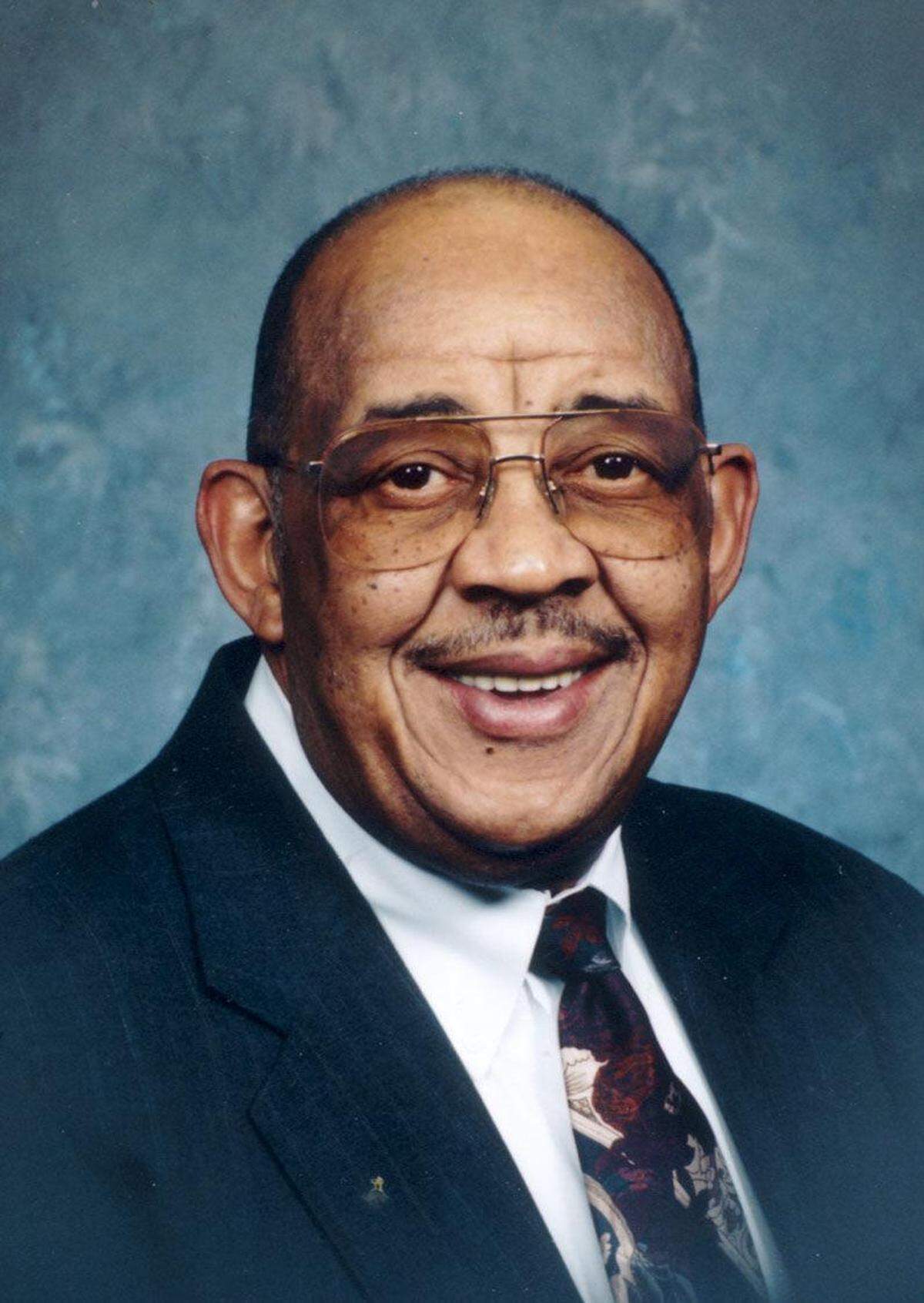
In 2002, Jones, 61, was beaten and his hands taped together and mouth taped shut., The News & Observer has reported. He was robbed of his wallet and left bound on the ground, where he died of a heart attack.
Murder convictions
Nathaniel Arnold Cauthen, 15, and his 14-year-old brother, Rayshawn Denard Banner, were convicted of first-degree murder.
Dorrell Brayboy, Christopher Levon Bryant and Jermal Tolliver — all 15 years old — were convicted of second-degree murder.
Brayboy, Bryant and Tolliver were released after serving time in prison.
Brayboy was fatally stabbed in front of a Food Lion supermarket in 2019, according to The Winston-Salem Journal.
Cleary testified that adolescents are less likely than adults to withstand the pressure of interrogations. Teenage suspects are more likely to be influenced by interrogators telling them they can go home if they say what police want to hear.
Other factors contributed to an environment that could lead to false confessions, Cleary said.
The suspects were placed in coercive environments and yelled at, she said. Four of the five suspects were isolated from their families for eight to nine hours, and were interrogated by multiple detectives, Cleary said, testifying via videofeed.
Death penalty threats
At least some of suspects were threatened with the death penalty, even though they were too young to qualify for capital punishment.
“This process of heightening the suspects’ fear of what will happen to them creates fear and anxiety,” she said. “Youth are particularly vulnerable to that.”
Parents can inadvertently push their children to tell false stories by telling them to “just tell the truth,” Cleary said.
Additionally, at least four of the suspects were mentally impaired, she said, with below average IQs.
Intellectual impairments and mental illness are risk factors, she said.
Statements the teenagers gave the police were “wildly inconsistent,” she said. The suspects’ gave contradictory statements, and some of the statements had internal contractions.
The inconsistencies between the statements and the physical evidence are “consistent with false confessions,” she said.
Key witness recants
On the first day of the hearing, Jessicah Black, who as a 16-year-old testified against the suspects, recanted that testimony.
Cleary said she “found suggestibility” in Black’s statements to detectives, with details that changed the longer she was questioned.
“Jessicah Black may be constructing a story unintentionally or subconsciously consistent with information that she is being asked to provide,” Cleary said.
At least five of eight of the commissioners must find evidence of innocence for the cases to be sent to a panel of three Superior Court judges. The judges would decide whether or not to exonerate any of the men.