Dozens of NC children are killed each year. Could DSS reforms save more of them?
READ MORE
4 children killed in Johnston County
A man in Zebulon, NC, is charged with four counts of murder after he confessed to killing four of his children, the Johnston County Sheriff’s Office said Oct. 28, 2025. Here is ongoing coverage.
Expand All
Authorities have not said whether social workers were looking into a Johnston County family’s welfare before the father called 911 last month to report killing four of his children and putting them in the trunk of his car.
Finding out could take a year or more, and could come out in court before local Department of Social Services records are released.
Most child welfare cases start with a tip — a neighbor, teacher or doctor who calls to report concerns about a family — or a visit from law enforcement that raises red flags.
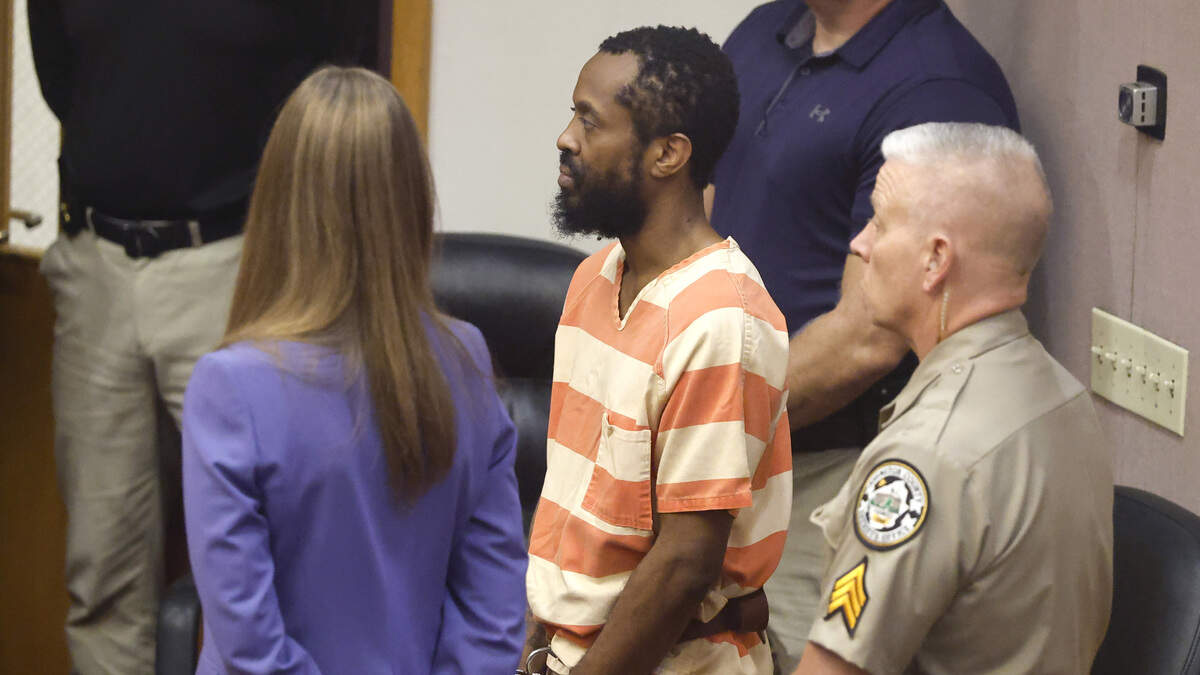
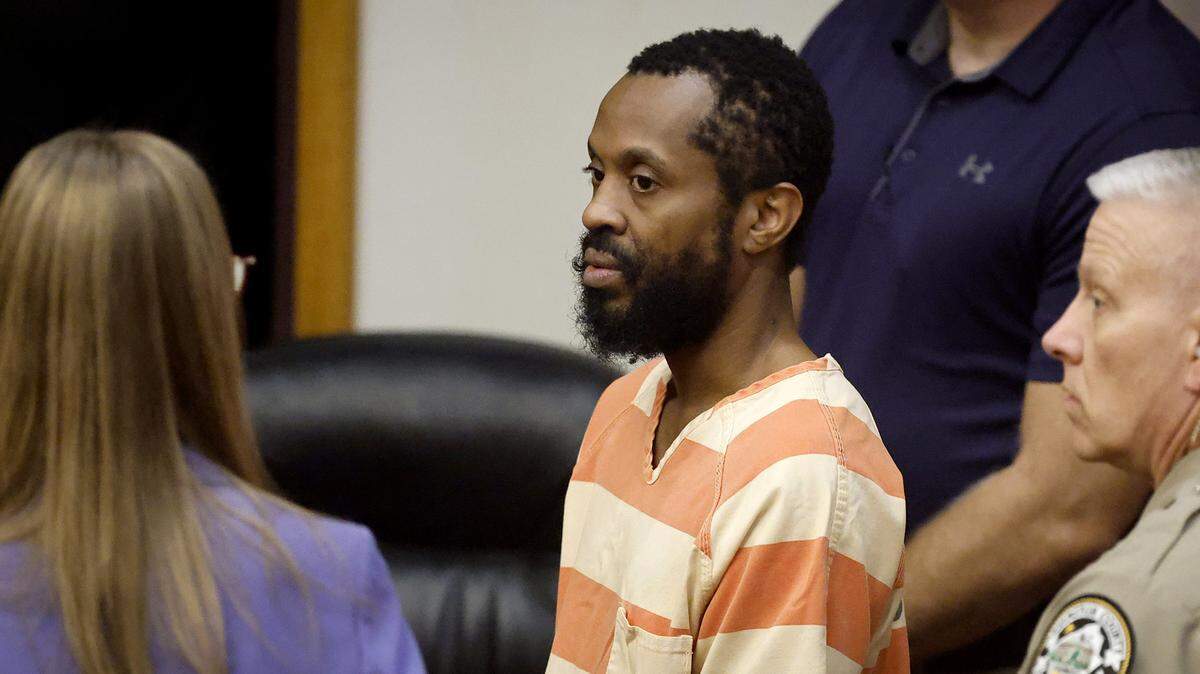
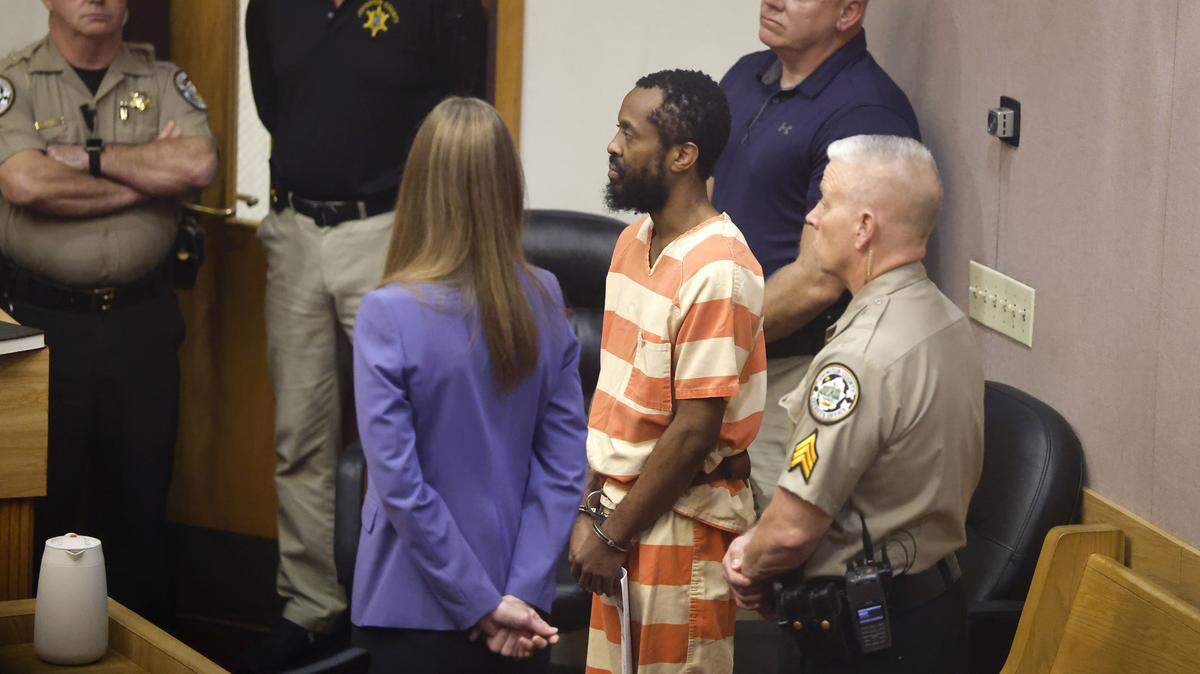
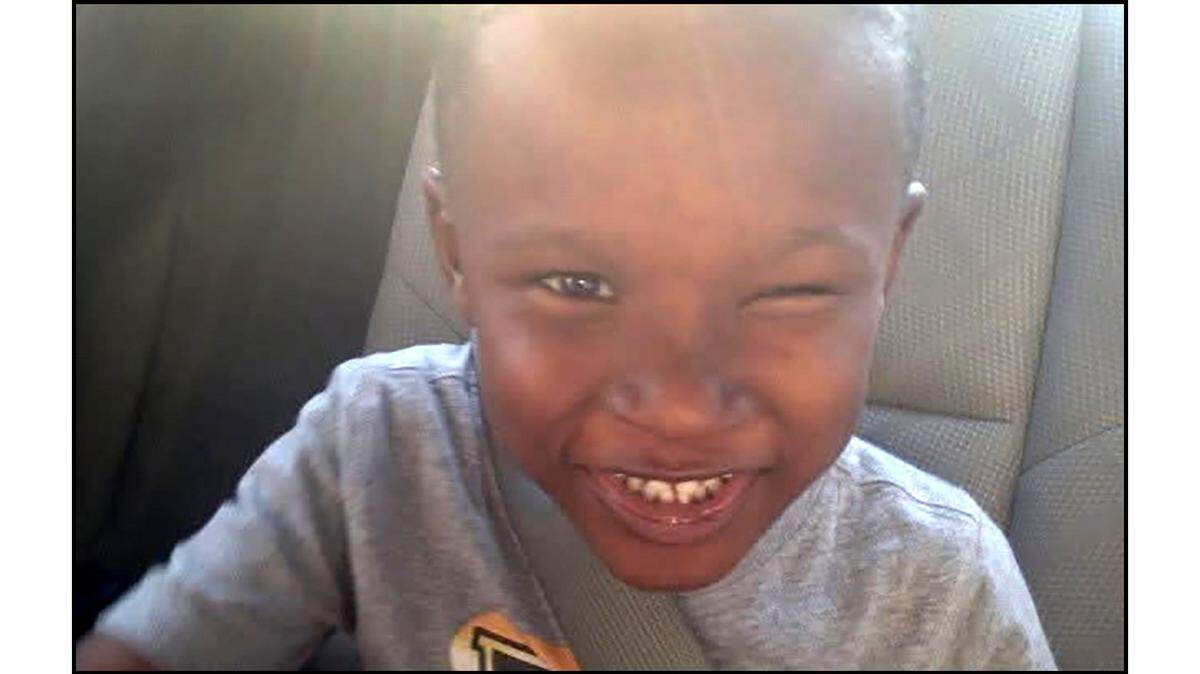
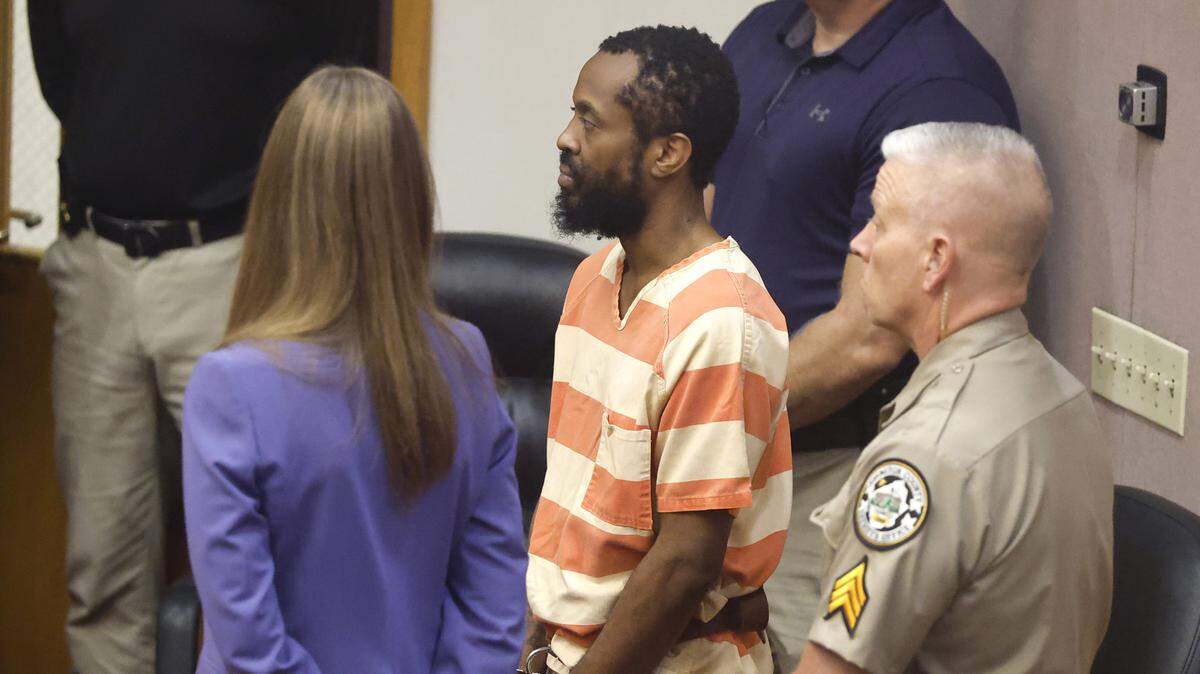
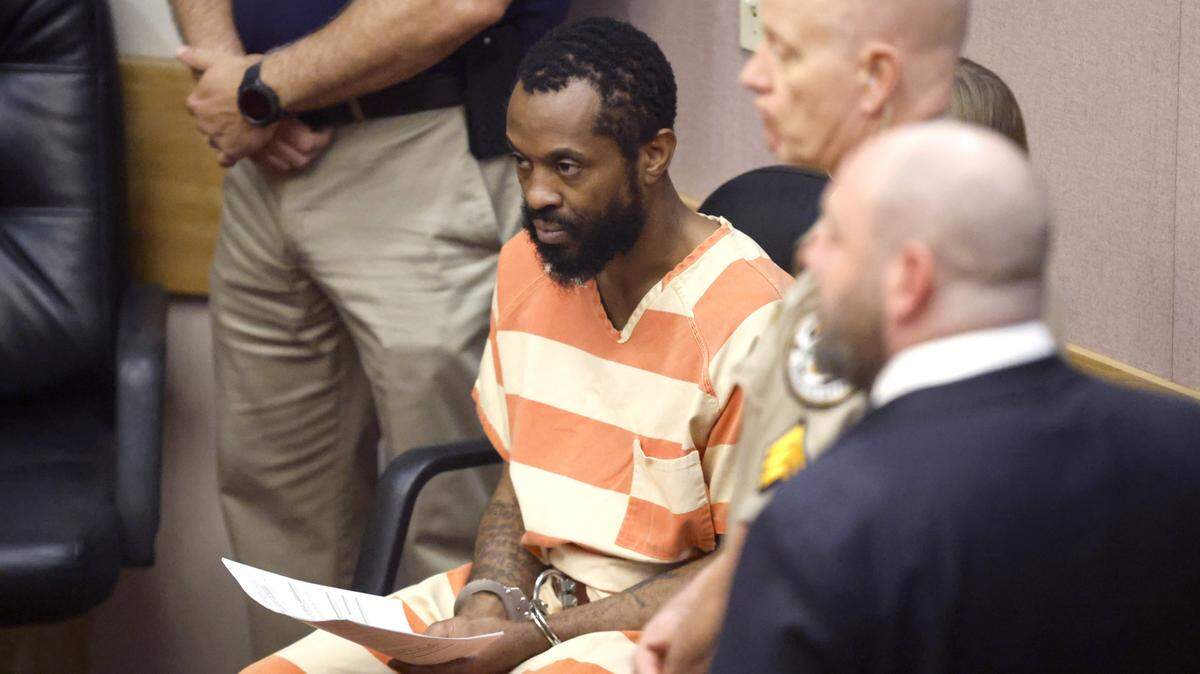
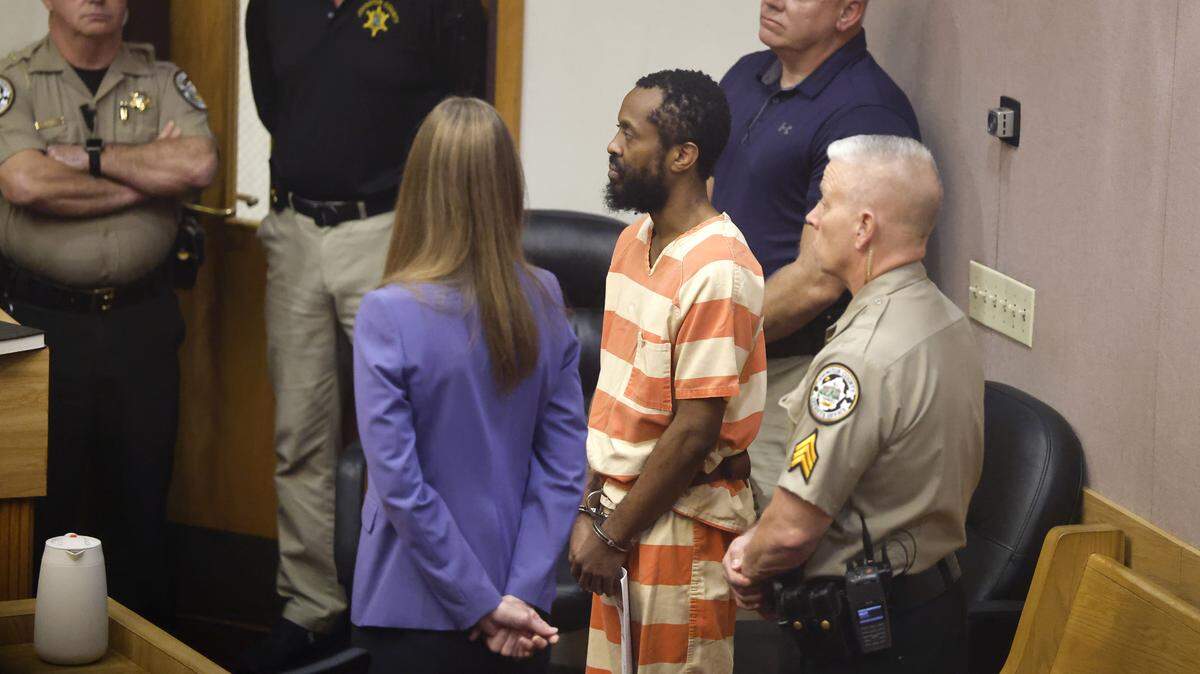
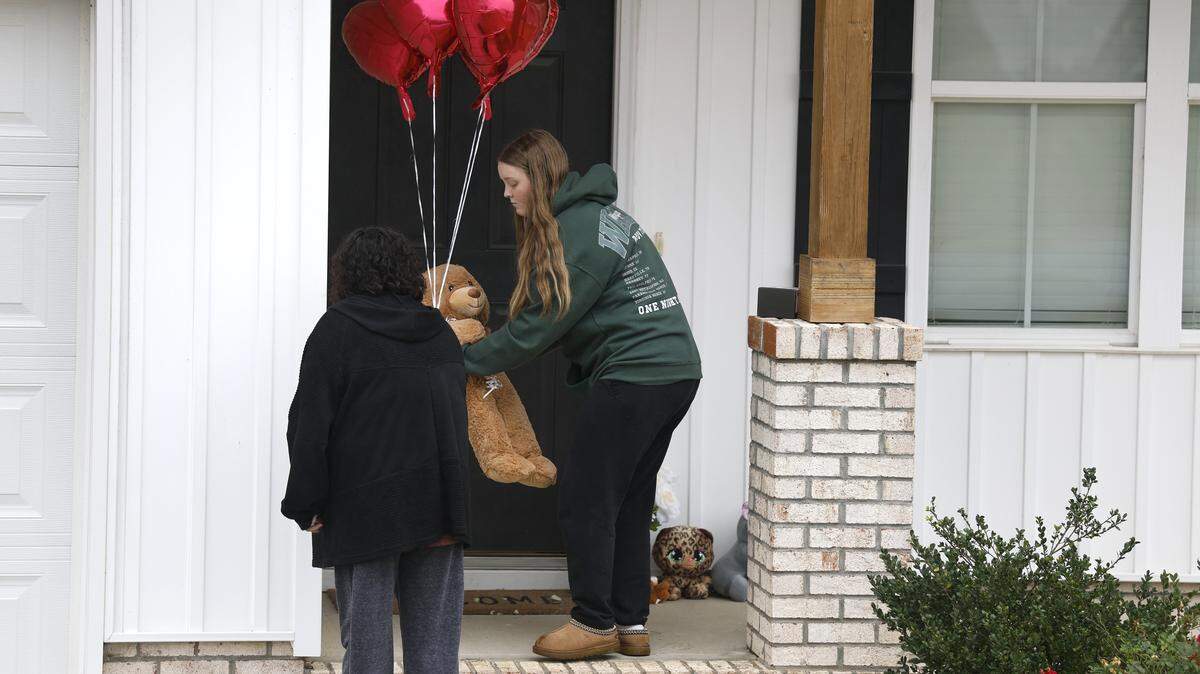
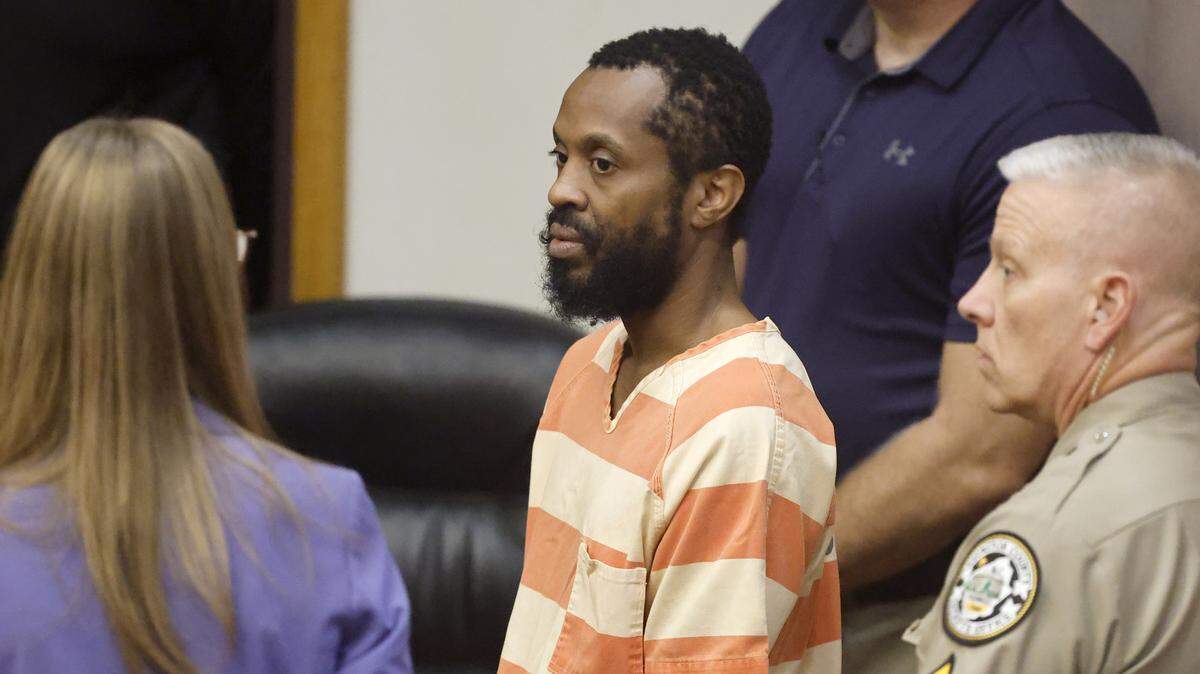
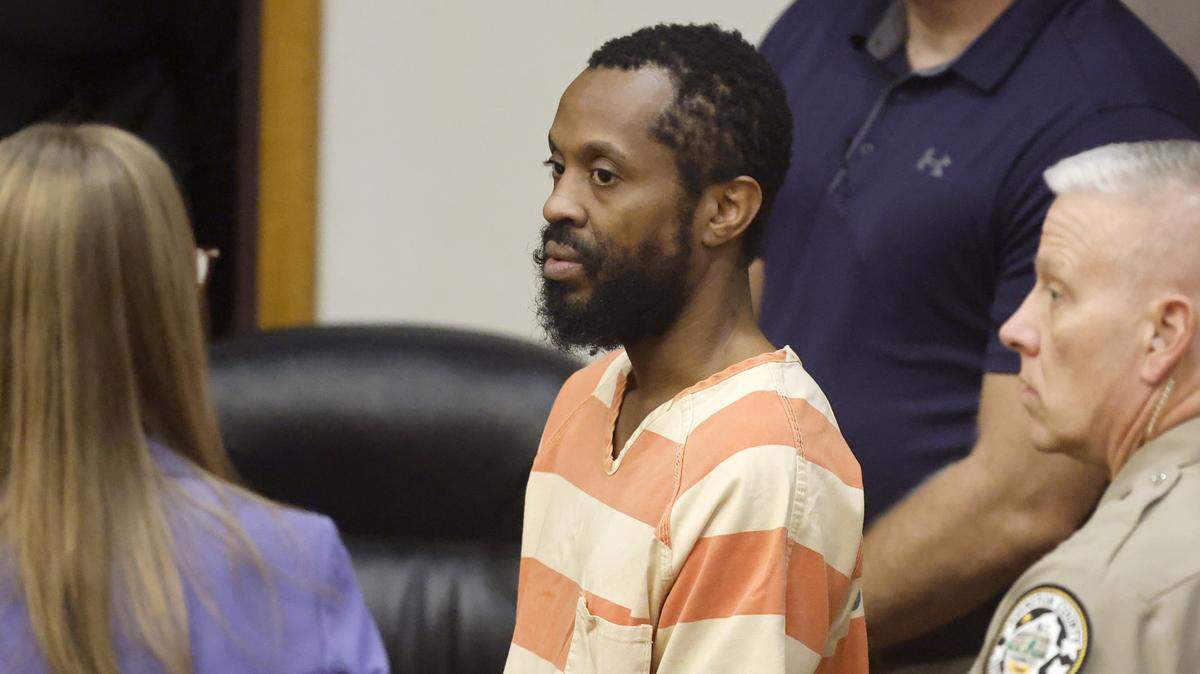
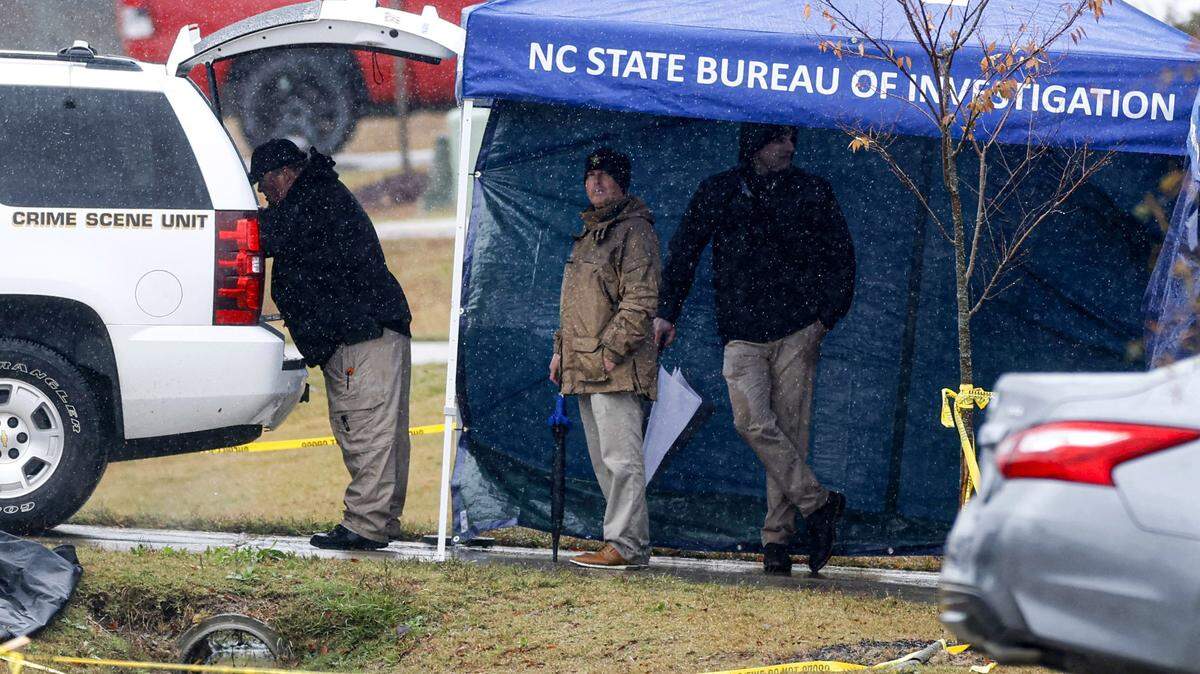
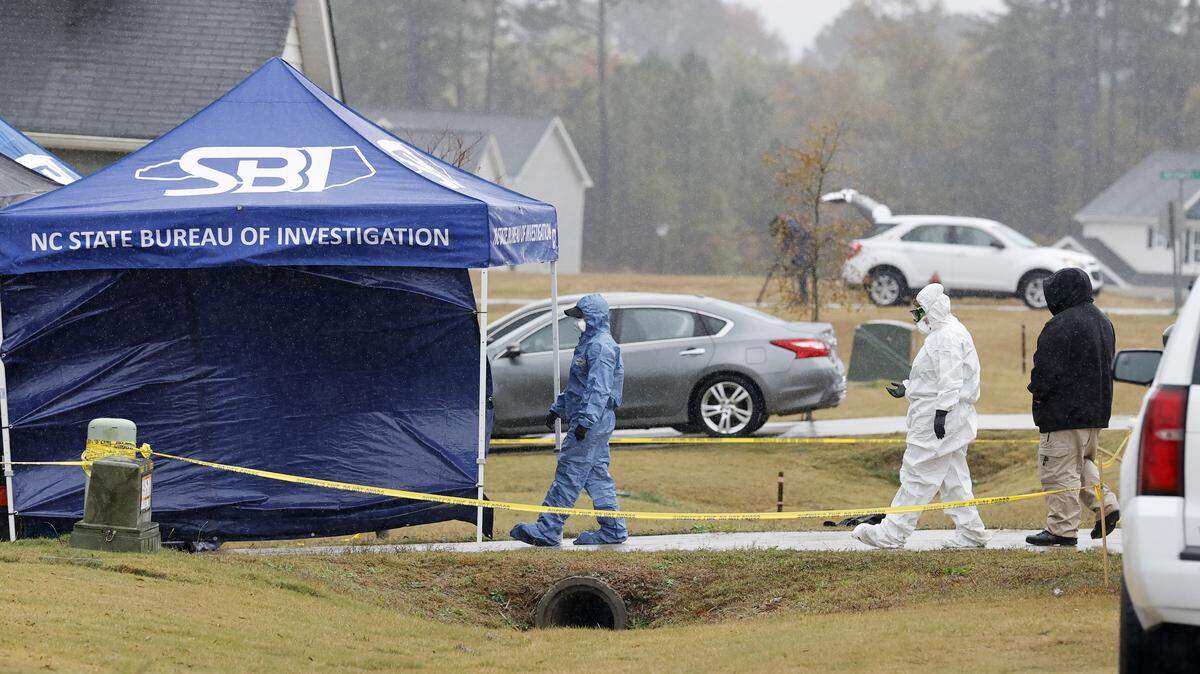
Court documents don’t show that any of those things happened to Wellington Dickens, 39, who is charged with four counts of murder after deputies found 6-year-old Leah Dickens, 9-year-old Zoe Dickens, 10-year-old Wellington Dickens IV, and his 18-year-old stepson, Sean Brasfield, dead. A fifth child, a 3-year-old boy, was found alive in the home.
Johnston County government spokesman Adam Carroll said no information will be released until the investigation is complete.
“Johnston County DSS is mindful that the tragic events of last [month] weigh heavy on the hearts and minds of many,” county officials said in a statement.
More child homicides, complex cases
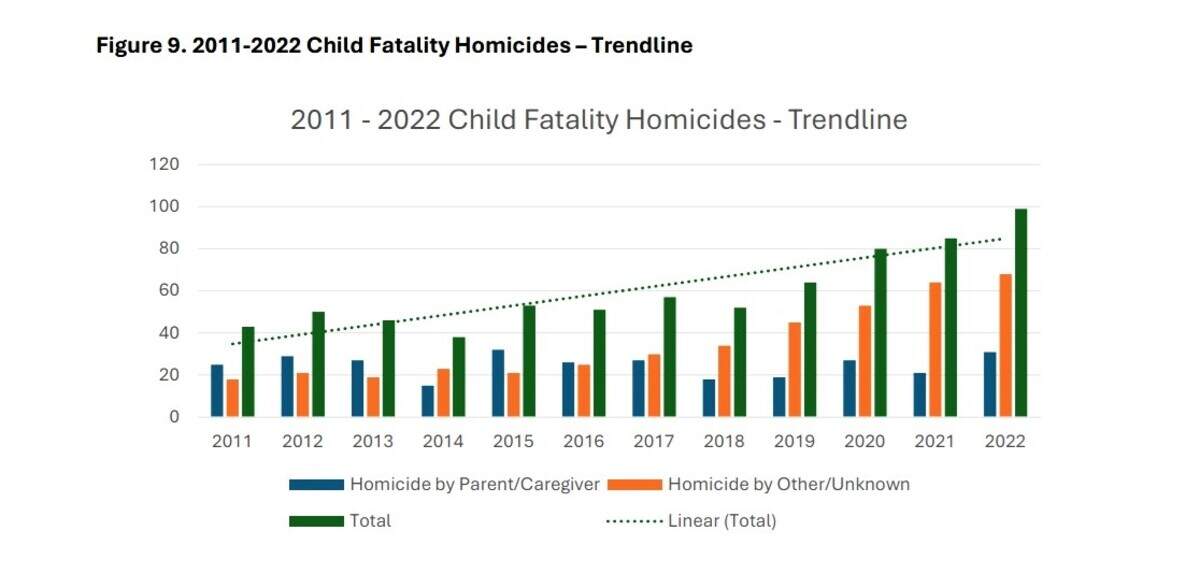
North Carolina’s homicide rate for children under age 18 has been rising, reaching 103 cases in 2022, or 4.4 deaths per 100,000 children. That was more than double the 2013 rate, the N.C. Child Fatality Task Force reported.
In 2023, the number of child homicide victims fell to 89, or 3.7 deaths per 100,000 children. The state reported 42 homicide victims were under age 15 in 2023, and 22 were under age 5.
The N.C. Office of the Chief Medical Examiner reports 31 children were killed by a parent or caregiver in 2022. The number for 2023 has not yet been released.
While some child deaths, such as car crashes, have obvious causes, most involve complex issues, from substance abuse and access to health care in rural areas to poverty and its effects on housing and hunger, said Karen McLeod, Child Fatality Task Force co-chair.
“In many of the cases that we deal with, there’s no sort of magic pill that’s just going to fix it,” she said.
System might have missed murders
North Carolina’s 34-year-old child fatality review system initially led the nation in preventing child fatalities, said Jennie Kristiansen, Chatham County DSS director and a member of the N.C. Child Fatality Task Force.
But after 15 years of legislative changes, McLeod said, the system became “disjointed.” There was no collective process, no oversight, and no way to capture all local data and share it with other agencies statewide, she said.
Some counties were still using pen and paper, and local teams only reviewed the deaths of children in the child welfare system.
Records show Dickens wasn’t charged with any child abuse crimes in Johnston County, and there weren’t any teachers to notice something wrong with his children, since he may have been operating an unregistered homeschool.
The only other case against him, a 2015 misdemeanor abuse charge in Wake County, was dismissed when the victim didn’t come to court. Court officials said the records in that case were destroyed because of their age.
In 2016, Wake County child welfare workers showed up again when Zoe Dickens was born with jaundice. Dickens refused medical care and access to the family’s home, earning him a criminal contempt conviction in 2017, The N&O reported.
Dickens was transferred this week to Central Prison in Raleigh while he awaits trial on four first-degree murder charges.
Changes streamline reviews, capture data
The state Department of Health and Human Services has streamlined local and state reviews, added data collection systems, and implemented consistent policies statewide.
Counties are joining PATH NC, a statewide network for real-time data about families involved with child welfare.
In January, local DSS offices will start uploading child fatality data to the National Fatality Review Case Reporting System. That could be a game-changer for efforts to learn why children are dying and where to focus prevention efforts, officials said.
Two DSS-led review teams in each county were consolidated, and citizen review panels are being set up to evaluate the work. The state Child Fatality Task Force will focus on data, policy and evidence-based prevention strategies.
The state’s new Child Fatality Prevention Office will oversee the work, building stronger links between local and state efforts, McLeod said. But state budget delays have stalled hiring, she said, and recent Medicaid rate cuts have put vital programs at risk, including the state’s high-risk infant mortality program.
Kristiansen said there will be a learning curve for staff using the data networks and for local teams taking over “escalated,” or more detailed, reviews when children in the child welfare system die.
“In my view, it’s really building on the good work that we’ve done for decades, recognizing that some changes need to be made,” she said, adding, “North Carolina has grown a lot, we’re in a different world, and this really helps us be better prepared for the future and hopefully to be more preventative.”
What do local child fatality teams review now?
Local teams can review any child death cases, but primarily focus on:
- Child deaths from violence and suicides
- Unintentional injuries
- Motor vehicle accidents
- Sudden unexpected infant death
- Child maltreatment deaths or cases reported to child protective services
- Cases with an undetermined cause or a sudden death when the child doesn’t have a pre-existing condition that would have caused their death in the next six months
The local teams also review infant deaths that fall outside those categories and, for the first time, the death of children with any history of DSS involvement, even if a previous report was unfounded or the death was unrelated to abuse and neglect.
Being able to learn more about child deaths in other counties will provide more data for counties with fewer, but similar deaths, Kristiansen said.
“If you think about the number of children who die in [Chatham], it’s not a statistically significant number, so we’ll really be able to make comparisons that I think will be valuable to us,” she said.
How does the review system work now?
- DSS staff, the Medical Examiner’s Office and law enforcement respond when a child dies to gather information and provide the family with local resources. Data is submitted to state and national networks.
- Law enforcement investigates and files charges if warranted. The case is sent to the District Attorney’s Office for prosecution.
- The Local Team reviews medical examiner reports, death certificates and other records, and interviews DSS staff and others with direct knowledge of the situation. It takes at least a year to gather information for a review.
- Local teams include DSS staff and professionals from public and private agencies, including law enforcement, court officials, health care providers, local school districts, and sometimes, a parent who has lost a child. .
- Detailed findings and recommendations are sent to the N.C. Child Fatality Task Force. Summaries are shared with the local Board of Health and County Commissioners.
This story was originally published November 7, 2025 at 5:30 AM.