NC lawmakers back ignition locks to keep impaired drivers off the road.
AI-generated summary reviewed by our newsroom.
- A house bill would require DWI offenders to install ignition locks for one year.
- Ignition locks would require a driver's breath to be at or below 0.02% BAC to start car.
- The ACLU opposes the bill, citing privacy concerns and barriers to license restoration.
As a longtime optical technician, Stephanie Ronan was used to helping patients. But in 2018, the roles were permanently reversed when she was hit by a drunk driver and severely injured.
“I had a career I loved and a normal life with my children,” Ronan said. “Then in one moment, everything changed.”
Ronan was left with a near-fatal neck injury, a brain injury and permanent visual impairment.
And just three weeks before the accident, the license of the driver who hit her had been revoked for a previous DWI offense, Ronan said, but that didn’t stop him from drinking and getting behind the wheel.

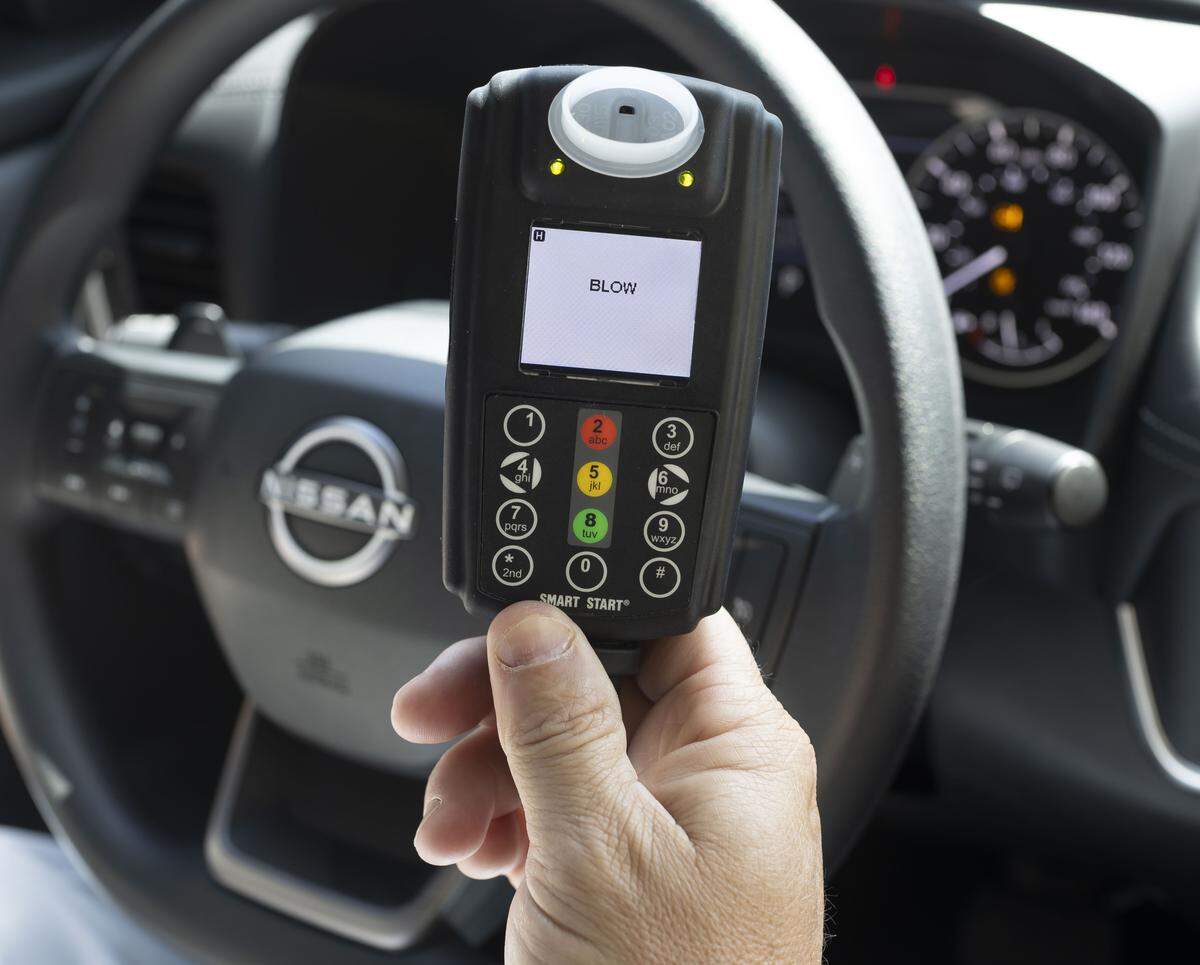
Now, N.C. lawmakers are proposing stricter requirements for a technology they say could help stop accidents like Ronan’s from occurring, requiring all DWI offenders to install an ignition lock device that would prevent their car from starting if they’ve been drinking.
“This bill is about trying to do something that actually works, rather than throw somebody in jail, rather than suspend somebody’s license — which is a mechanism that has shown it does not stop people from driving,” Rep. Mike Schietzelt, a Republican from Wake County, said at a news conference Wednesday. “We have the technology now to tailor it to the offense, to change the behaviors and to make North Carolina streets safer.
House Bill 1199 — introduced last month — would require DWI offenders to install the ignition lock device in their vehicle for a year after the offense, Schietzelt said. The device, like a breathalyzer used by law enforcement, connects to a vehicle’s electrical system and stops the car from starting when the driver blows a blood alcohol level of 0.02% or higher — stricter than the state legal limit of 0.08%.
The driver must pay $3 per day for the device, Schietzelt said, with a larger one-time fee for installation. Drivers can apply for assistance from the state if they need help covering the cost, he said.
People convicted of driving while impaired in North Carolina can currently be required by a judge to install an ignition lock device in their car, and lawmakers led a push last year to expand voluntary access before an individual’s case goes to trial to reduce punishments.
But while previous campaigns for the devices were rooted in “encouragement,” Schietzelt said, lawmakers are now focused on “ensuring people who are convicted of driving drunk do the right thing.”
“The purpose behind this, again, is not to be punitive, but instead to change behaviors,” he said.
The proposal for the ignition lock device will be folded into other traffic safety legislation within House Bill 1199, alongside plans for technology preventing a vehicle from going over the speed limit for drivers with multiple speeding violations.
The ACLU voiced its opposition to the bill last week, citing data privacy concerns and “unnecessary” barriers for offenders hoping to restore their license.
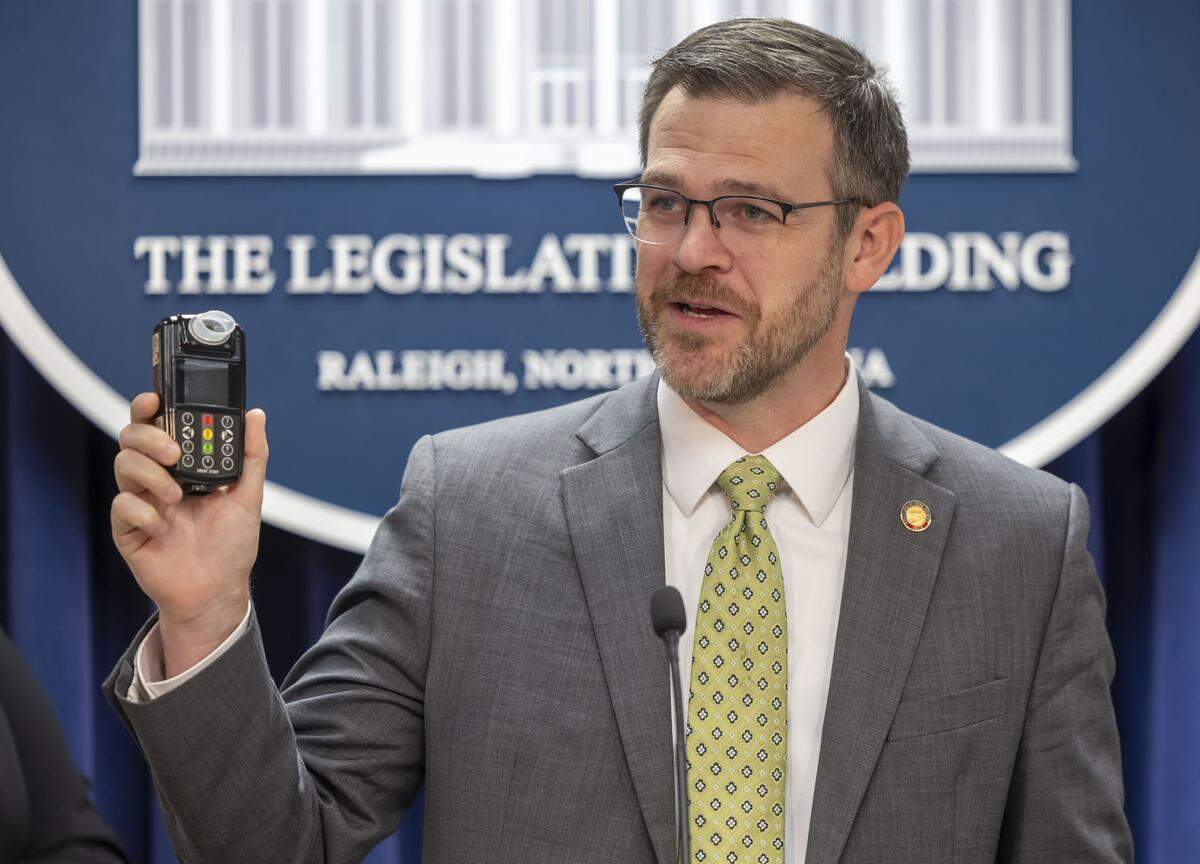
But Schietzelt said opposition is rooted in misunderstanding, as he said the technology wouldn’t transmit or store an individual’s data.
Existing practices of revoking licenses for violations are ultimately not enough, he said.
“It shows you that that tool does not work, but we have a tool that does,” he said. “We have a tool that does not interfere with privacy rights — it’s simply intended to change behaviors.”
The decision to require interlock devices makes “perfect sense,” said Rep. Timothy Reeder, an Ayden Republican cosponsoring the bill. As a practicing emergency technician, Reeder said he’s seen firsthand the “human tragedy” that impaired driving can cause, and the technology is a necessary step to prevent a DWI offender from “making a bad decision.”
“We should no longer rely on just the punishment, but using the available tools to prevent someone from getting behind the wheel of a car who’s drunk,” he said at the news conference.
‘A mother’s only son’
Jeanette Best, a volunteer with Mothers Against Drunk Driving, said the ignition interlock program offers the chance to save a life, like that of State Trooper Stephen J. Perry, a close friend of Best’s son who was killed by a drunk driver traveling the wrong way on the Durham Freeway in March.
The driver had three previous DWI convictions, Best said.
“[Perry] was a dedicated public servant, a mother’s only son, a father, a friend and a fellow officer, gone in an instant, because someone had already proven to be dangerous behind the wheel and was still able to drive. Trooper Perry’s death was a tragic accident that could have been prevented.”
As a volunteer for MADD, Perry said she monitors DWI court cases and has witnessed a stream of repeat offenders overwhelming courts and police officers who are forced to respond to DWI incidents “again and again.”
She said the legislation is a “practical” solution to ending that cycle.
“This is not about punishment,” Best said. “It’s about prevention. It is about stopping tragedy before another family gets the knock at the door.”
This story was originally published May 13, 2026 at 3:26 PM.