‘Exhausted.’ ‘Overworked.’ ‘Defeated.’ Wake teachers describe this challenging year
READ MORE
Staff level down, stress level up
North Carolina’s colleges and universities are graduating fewer prospective teachers, and principals say they’re getting fewer applicants for openings. Why? Many schools have dealt with staffing shortages by asking remaining employees to do more. No one thinks that solution is sustainable. What is the reason behind the mass staff shortage challenge? This is The N&O’s special report.
Expand All
‘How long can we sustain this?’ Stress is elevated as NC schools face staffing shortages
How bad is the school shortage? Thousands of NC school jobs are unfilled
‘Exhausted.’ ‘Overworked.’ ‘Defeated.’ Wake teachers describe this challenging year
Want to fix the school staff shortage in North Carolina? Pay your staff.
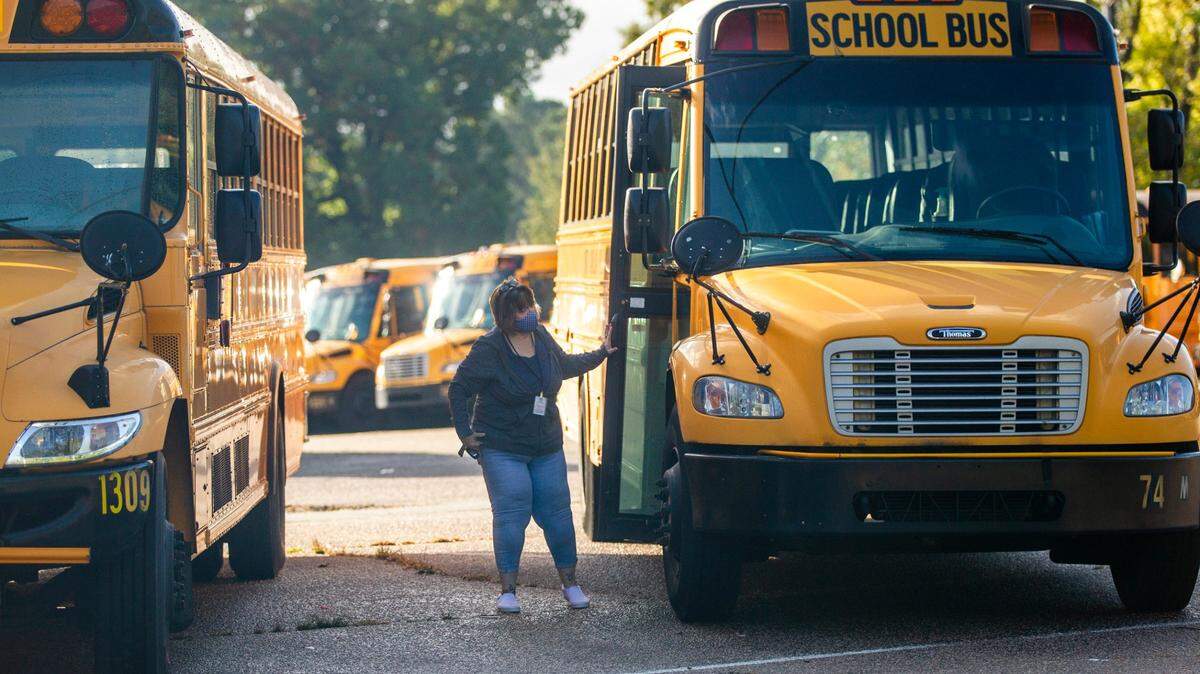
North Carolina teachers and instructional assistants have been increasingly pressed into extra duties this school year due to the large number of vacant positions and people calling out sick.
Several Wake County teachers and instructional assistants warned at a school board meeting this month that this additional work is putting a strain on them and hurting students. Educators said that unless more is done, such as higher pay and bonuses, that the number of vacancies will rise from more people quitting.
“Employee morale is low,” said Paula Wright, a special-education instructional assistant. “It’s sad to walk in some days and not knowing what we’re facing, not knowing who has called out.”
Close call with student’s safety
Wake County has a 13% vacancy rate among special-ed instructional assistants. That situation became a terrifying reality last month for Emilly Osterling, the autism and behavioral support teacher at Lufkin Road Middle School in Apex.
Osterling said she had gained a new student this year whose intervention plan calls for having a one-on-one instructional assistant. But that position was unfilled, she said, when the student was in crisis and ran from the school building.
“As cars were coming in and out of the parking lot, my student was running down the walkway towards them,” Osterling said. “At that moment as I radioed for assistance, all I could do was pray that they would not be hit by one of those cars.”
Osterling said they were able to catch up to the student and deescalate the situation.
Staff feeling ‘overworked’
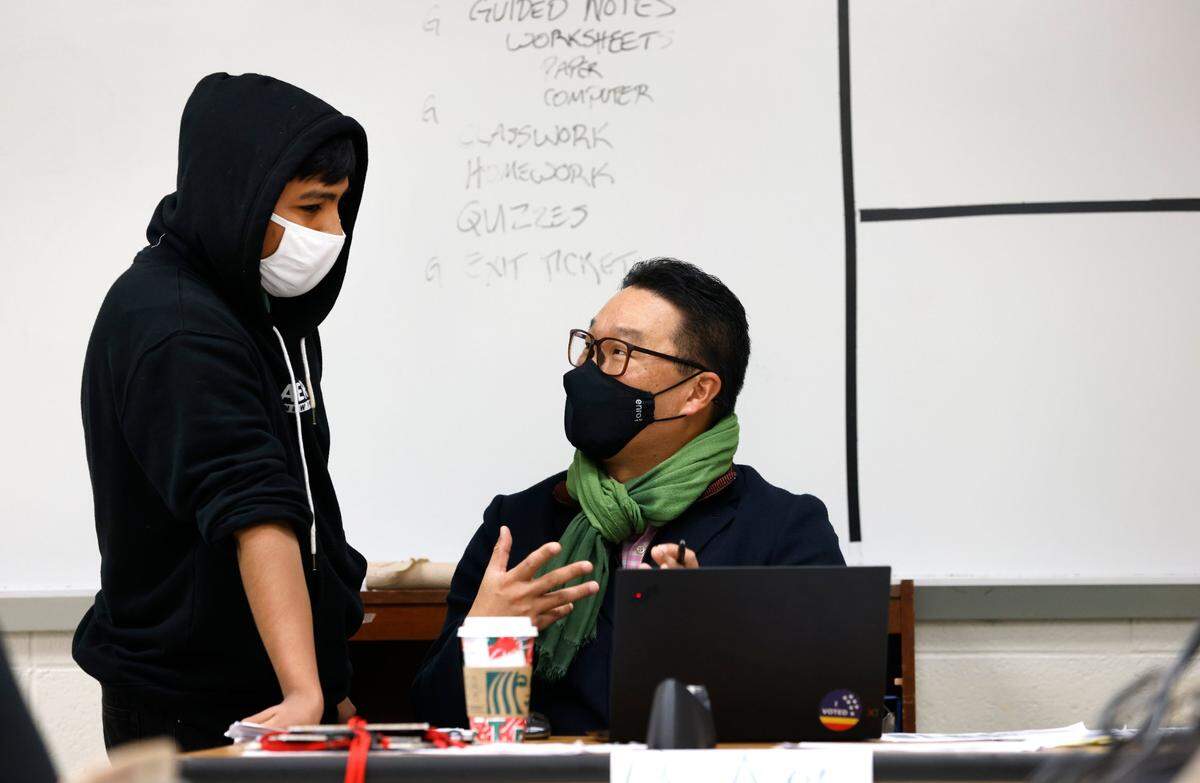
Aubrey DiOrio, a first-grade teacher at York Elementary School in Raleigh, told the school board that teachers don’t receive a daily duty-free lunch because they need to help supervise students in the cafeteria.
First-grade instructional assistants cover classes when teachers call out sick and no substitutes are available. But DiOrio says this creates a domino effect where first-grade students don’t get the small group time they need to meet their individual learning needs.
“Specials” classes, which include things like art, music and physical education, are canceled at some elementary schools due to understaffing.
“Educators who work in understaffed schools are overworked and underpaid,” DiOrio said. “We’re exhausted. Our students are being cared for by adults who are doing the most every day, and this is not sustainable.”
Teachers feel ‘defeated’
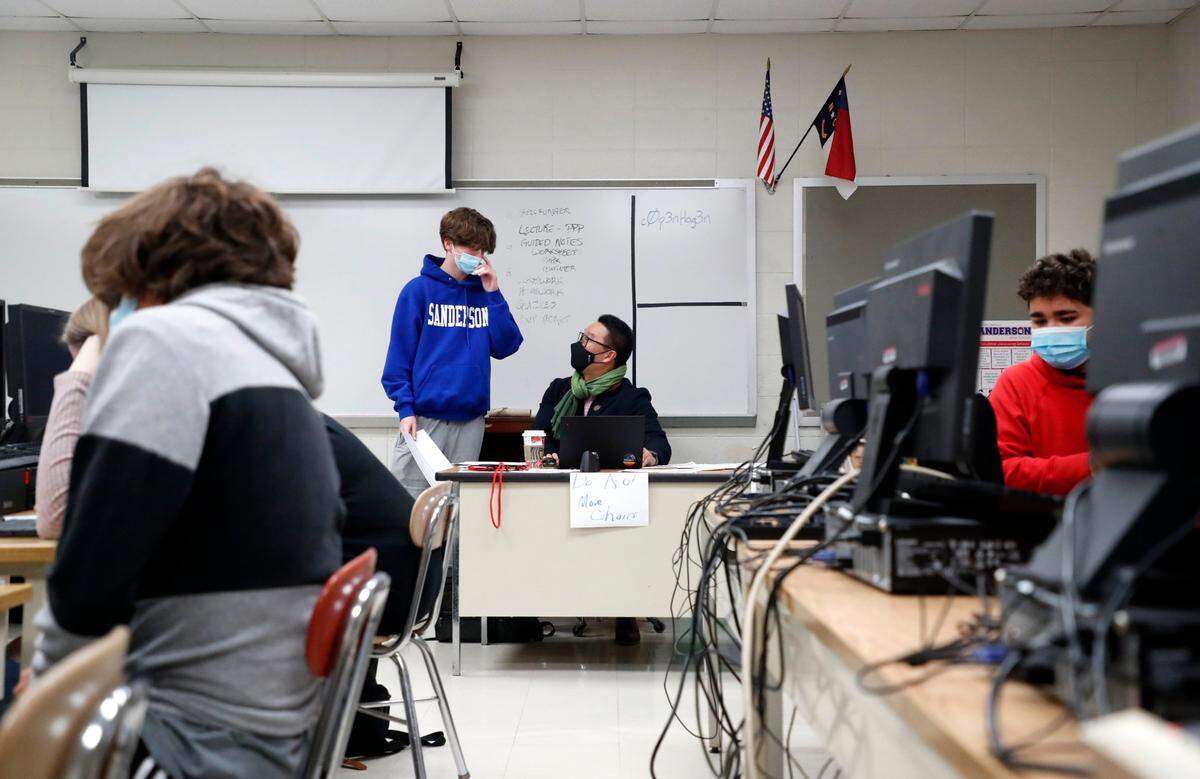
A common message from educators is that the extra work is taking a toll on their mental health.
“Our students have been through a lot during the past year-and-a-half, and we’re trying to do our best to support them with their learning and with their mental health,” said Laurie Limbrick-Thompson, a Cary High School teacher. “They need us to be our best. They need us to be the positive guidance to help them through these challenging times.
“But the more that gets piled on us, the more overwhelmed and frazzled we become. It’s becoming harder and harder to reach every student every day.”
Stacy Eleczko, an instructional coach at East Garner Middle School, told the school board that she had thought last school year would be the most challenging of her 20-year career. She said it doesn’t compare to the toll this school year is taking on her and her colleagues.
“Every day, I and my colleagues walk into the building exhausted and often feeling defeated before any of our scholars even set foot on our campus,” Eleczko said.
This story was originally published November 17, 2021 at 6:00 AM.