NC teacher survey shows concerns about academic decline, mental health, cyberbullying
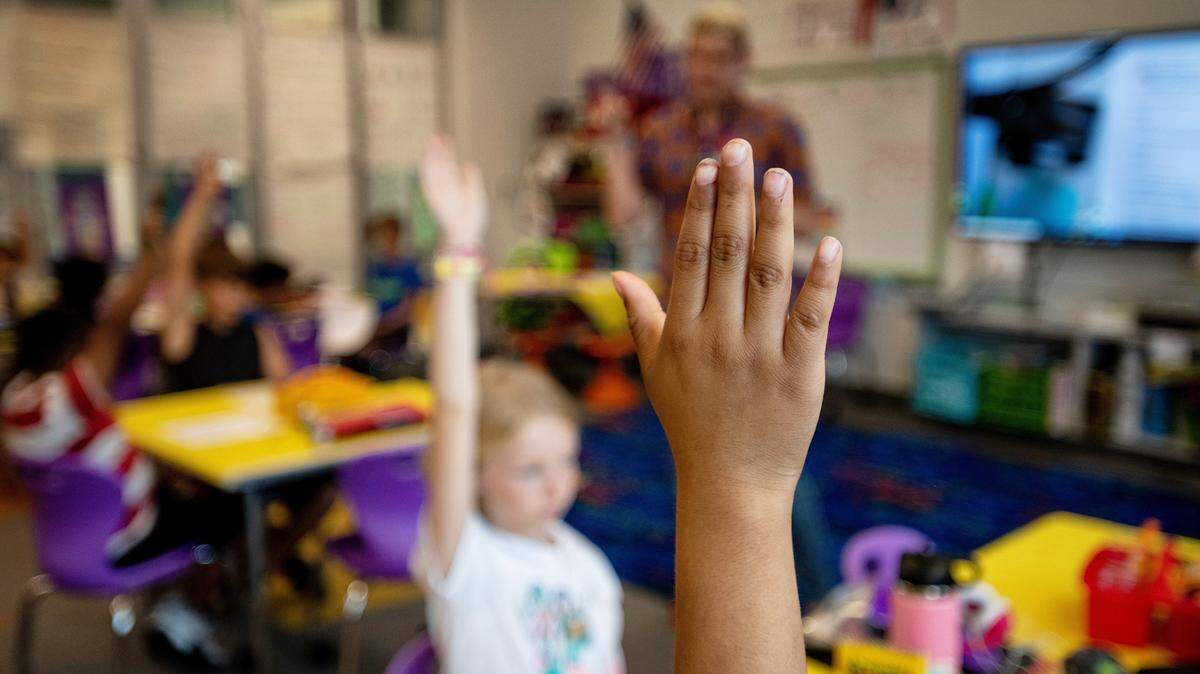
North Carolina teachers say their students have fallen behind academically and have greater social, emotional and mental health needs during the pandemic, according to a statewide survey.
Nearly three-quarters of teachers reported that their students are behind academically compared to a typical school year, according to results from the 2022 N.C. Teacher Working Conditions Survey presented on Wednesday. Additionally, more than two-thirds of teachers said their students have greater social, emotional and mental health needs than normal.
“One of the biggest eye-opening pieces of the survey is the need for social-emotional learning,” said Alessandro Montanari, assistant director of district and regional support at the state Department of Public Instruction. “That is clearly evident in the responses. We see that clearly as well in all the questions that have to deal with bullying and physical conflict with students.”
The survey responses are in line with state and national reports showing that students have suffered learning loss during the pandemic. A state report released last week said students ended last school year between two to 15 months behind in reading and math.
Every two years, the state’s public school teachers are surveyed by DPI on a wide range of topics, such as school leadership, school safety and instructional practices. This year, 112,529 teachers, principals, assistant principals and other school-based educators responded.
Teachers say students are months behind
This year’s survey added a new section on pandemic-related questions. The questions come as most of the state’s 1.4 million public school students saw only limited amounts of in-person instruction last school year due to state COVID-19 health guidance.
One of the pandemic questions had teachers estimate their students’ current academic progress to a typical school year. A plurality of 36% said their students are at least a year behind academically, followed by 23% saying their students are at least six months behind.
A total of 15% estimated their students are at least three months behind and 22% said their students are about the same. Only 3% said their students were ahead of where they’d be in a typical school year.
The heavy reliance on online instruction last school year meant some students didn’t grasp some of the material that was taught. This has led to nearly half the teachers (49%) spending between 50% and 100% of their instructional time this school year reteaching prior year academic grade standards.
Another 29% of teachers said they spent a quarter of their instructional time reteaching last school year’s materials.
“Over 75% has been spent reteaching and that is as expected, I believe, with everything that we’ve been through,” Montanari told the State Board of Education.
Social and emotional needs greater
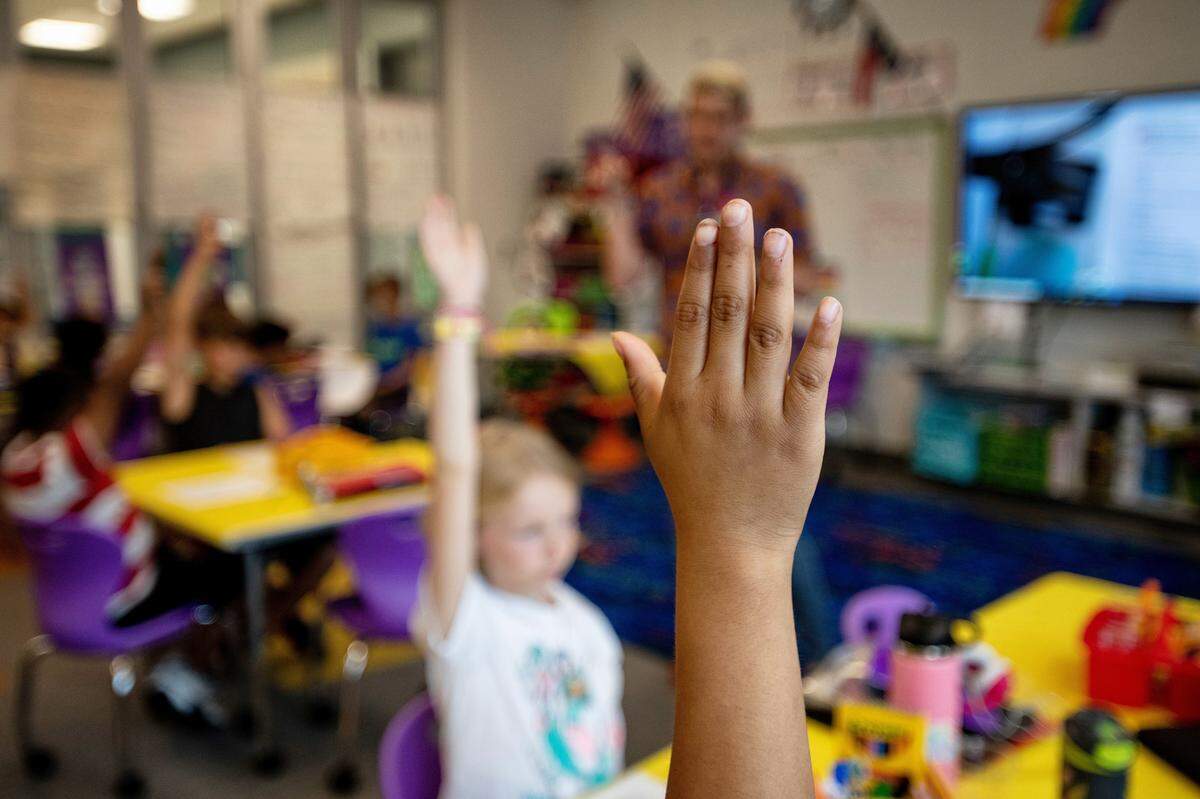
The past two years have seen greater discussion about meeting the social and emotional needs of students as a way to help them do better academically. Students have dealt with issues such as the loss of parents from COVID-19 and depression from not having regular in-person instruction.
A plurality of teachers (39.6%) said in the survey that students’ needs for social, emotional and mental health support are much more than a typical school year. Another 28.7% said their students’ needs were somewhat more than in a typical year.
Only a quarter of teachers said their students’ social, emotional and mental health needs are the same or less than in a typical year.
Teachers were also asked to rank their top pandemic issues of most concern:
▪ Addressing disparities in student learning (24%)
▪ School staffing shortages (15%)
▪ Addressing student performance and needs (13%)
▪ Social/emotional support for students (12%)
Teachers also showed their weariness with 7% saying they intend to leave the profession. That compares to 4% in 2020.
“You can clearly see that not only have these two years have been tough on our educators, but these two years have also been tough on our little ones as well and the need for this social and emotional work,” Montanari said.
Safety concerns
Only 36% of principals said cyberbullying is not a frequent problem among students in their district. That compares to 63% of teachers who said cyberbullying not a frequent problem.
In addition, 60% of teachers said bullying is not a frequent problem at their school. That compares to 49% of principals who said bullying is not a frequent problem.
Only 72% of respondents said their school leadership makes a sustained effort to address teacher concerns about managing student conduct. That’s down from 97% in 2020 — one of the largest changes in responses from the prior survey.
Other questions about student safety also saw low rates of agreement by teachers including:
▪ Students at this school follow rules of conduct (61% compared to 65% in 2018)
▪ Vandalism rarely occurs in this school (67% compared to 74% in 2020)
▪ Physical conflicts among students rarely occur at their school (63% compared to 64% in 2020)
“There’s a disconnect between principals’ point of view about the degree to which they are managing student conduct and the teachers’ point of view about how that is being managed,” said State Superintendent Catherine Truitt. “That concerns me greatly.”
The percentage of principals who said that physical conflicts among students rarely occur at their school dropped from 54% in 2020 to 45% this year.
The percentage of principals who said vandalism, student possession of weapons and bullying rarely occur also dropped compared to 2020. For instance, the percentage who said vandalism in their school is not a problem dropped from 75% in 2020 to 61% this year.
This story was originally published June 1, 2022 at 2:35 PM.