Wake issues urgent call for help after seeing a ‘disturbing’ rise in homeless students
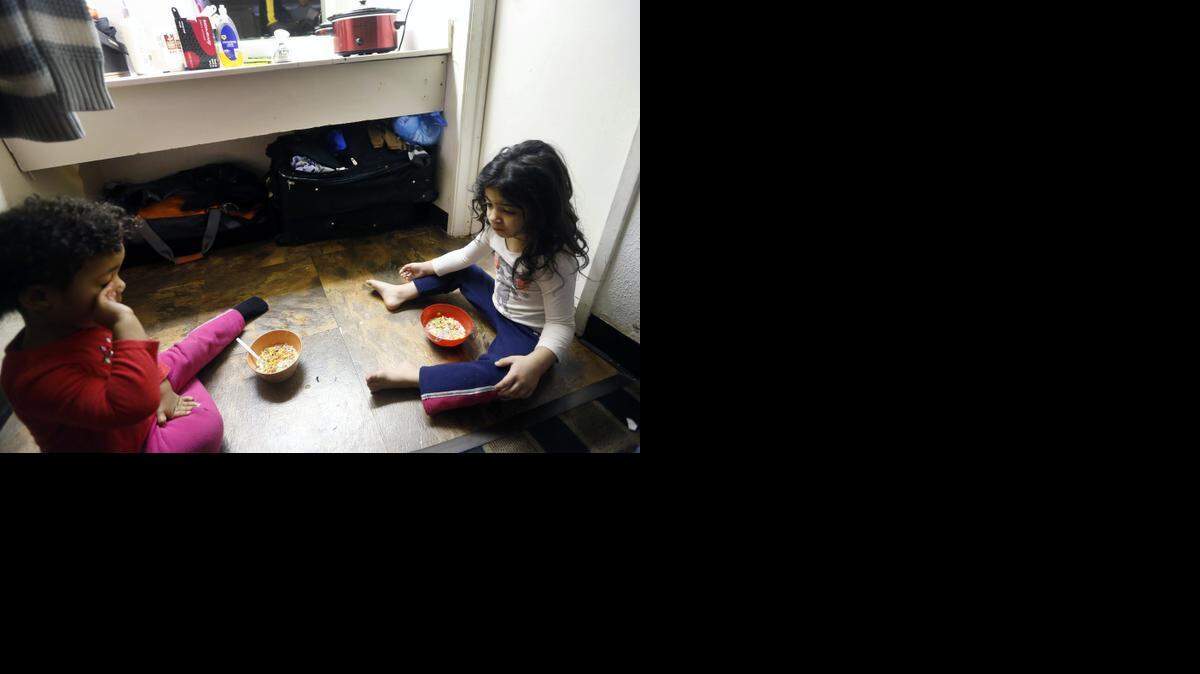
The number of homeless students in Wake County is soaring, just as the school district is losing federal COVID relief aid that has helped serve those children and their families.
Wake County has seen an 88% increase in the number of homeless students since 2014, according to state figures. School officials sounded a warning that they need the community’s help — such as financial gifts — to continue providing the resources to assist those homeless students.
“The whole community needs to hear about this and the dire needs that we have in terms of community resources and funding,” school board member Wing Ng said at last month’s student achievement committee meeting.
“We’re not going to have the (federal) grant funds to continue to support this, while at the same time the numbers have doubled in 10 years. I think we all need to figure out a way to get the word out.”
Homeless total ‘hits you in the gut’
All public schools are required to offer the federal McKinney-Vento program to serve students who lack a fixed, regular and adequate nighttime residence. This includes students living in shelters, hotels or on the streets.
Last school year, the state reported Wake had 5,143 homeless students. But the number reached 5,700 students by the end of last school year, according to Michelle Mozingo, the school district’s McKinney-Vento liaison. She said it’s expected to continue rising this school year.
“It’s important for our community to see those numbers,” board member Cheryl Caulfield said at the Feb. 28 student achievement committee meeting. “I mean it just really hits you in the gut.”
Homeless students represent 3.5% of Wake’s 160,000 student population. That percentage is more than double what it was in 2010.
Most of the students who are experiencing homelessness, or who Wake says “are in transition,” come from single-parent households. But Mozingo said Wake is also seeing big increases in homeless students coming from 2-parent households.
“Our families are holding down multiple jobs, multiple minimum wage jobs,” Mozingo told board members.
Lack of affordable housing
The majority of the families lost permanent housing after being evicted, according to Mozingo. She said families told the district they can’t afford the deposit and the first month’s rent.
The overall median rent in Raleigh stands at $1,429, The News & Observer previously reported.
Mozingo said the majority of homeless students are moving between hotels and the homes of relatives and family friends.
Low-cost hotels can be an alternative for unsheltered people, but they can also be dangerous places to live. In July, The News & Observer reported that the Wake Inn off New Bern Avenue had generated 832 calls for police in just half a year, and that nearly 150 overdoses had been reported at the hotel since 2019.
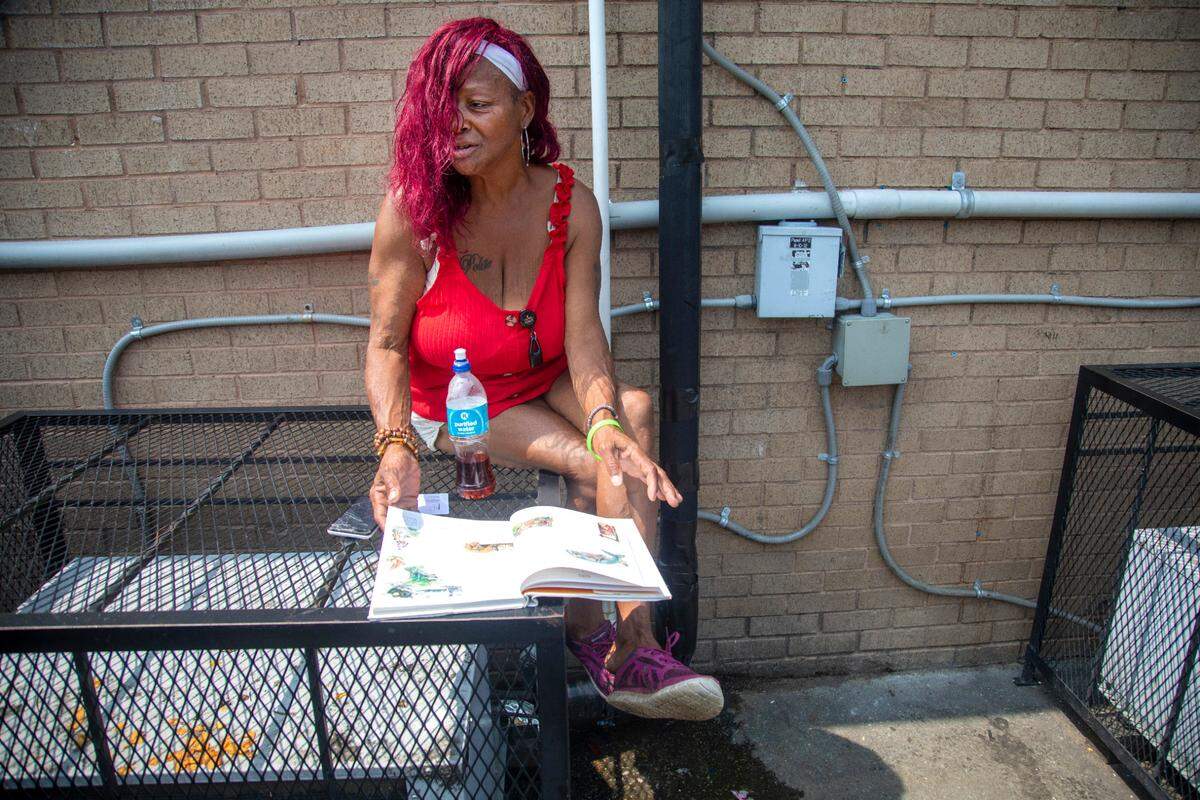
“Regardless of whether you think our economy is doing well or not — and that’s as far as I’ll go on that — to see these numbers and the displaced housing, that’s disturbing,” Caulfield said. “I don’t think people are realizing how many people are struggling.”
‘Doing the Lord’s work’
It’s important to help homeless students now because they’re 4.5 times more likely to become homeless as an adult if they don’t graduate or get a General Equivalency Diploma, Mozingo said.
According to district statistics, homeless students on average are absent for 25 days each school year and average two school changes a year.
Social workers help homeless students and their families meet basic needs, such as food and housing. The district also provides money so homeless students can buy items at school book fairs and attend field trips with their classmates.
“(Social workers) are essentially doing the Lord’s work to make sure our families don’t fall by the wayside,” said board member Tyler Swanson, chair of the student achievement committee.
In addition, Wake has used a $1.3 million federal COVID grant to provide before and after-school care for homeless students and to offer them tutoring.
“The before and after care has been so essential for our families,” Mozingo said. “It has helped saved jobs.”
How to help
The federal COVID aid is one-time money that has to be spent by September. This means Wake will need to replace the money from other sources to continue providing those childcare and tutoring services.
Wake has been reaching out to community groups for help, including those who’ve asked how they can provide gifts to assist homeless students and their families.
“(People) are always saying how can we help, how can we help?” said board member Toshiba Rice. “These are ways they can sincerely help families which directly impacts students and directly impacts student achievement.”
Anyone who wants to support students in transition can contact Michelle Mozingo, Wake’s McKinney-Vento District Liaison. You can email mmozingo@wcpss.net or call 919-694-0574.