On his first day, new UNC Chancellor Roberts talks DEI, working with lawmakers & more
UNC-Chapel Hill Chancellor Lee Roberts started his new role Monday, ushering in a new era of leadership for North Carolina’s flagship university.
After a months-long national search, UNC System President Peter Hans on Friday nominated Roberts to the role, which he had filled in an interim capacity since former Chancellor Kevin Guskiewicz left the university in January. The system Board of Governors unanimously approved Hans’ pick in a virtual meeting.
Roberts, who has spent most of his career in the private sector and was previously a state budget director under Republican Gov. Pat McCrory, does not have a professional background in higher education beyond teaching as an adjunct instructor at his alma mater, Duke University.
But as universities have increasingly come to function like businesses and corporations, it has become more common for college leaders to come from outside of academia. Hans said Friday the university, at this moment in its 230-year history, needs “fresh eyes” that will be able to make difficult decisions drawing on a wide range of prior experiences.
At a university that has seen its share of controversy in recent years, Roberts’ job won’t be easy — even in his first few weeks. Among other tasks this fall, he will decide the fate of the university’s diversity and inclusion office and programming by a UNC System-wide Sept. 1 deadline, oversee the end of the century-old student-led honor court and potentially face more protests over the war in Gaza.
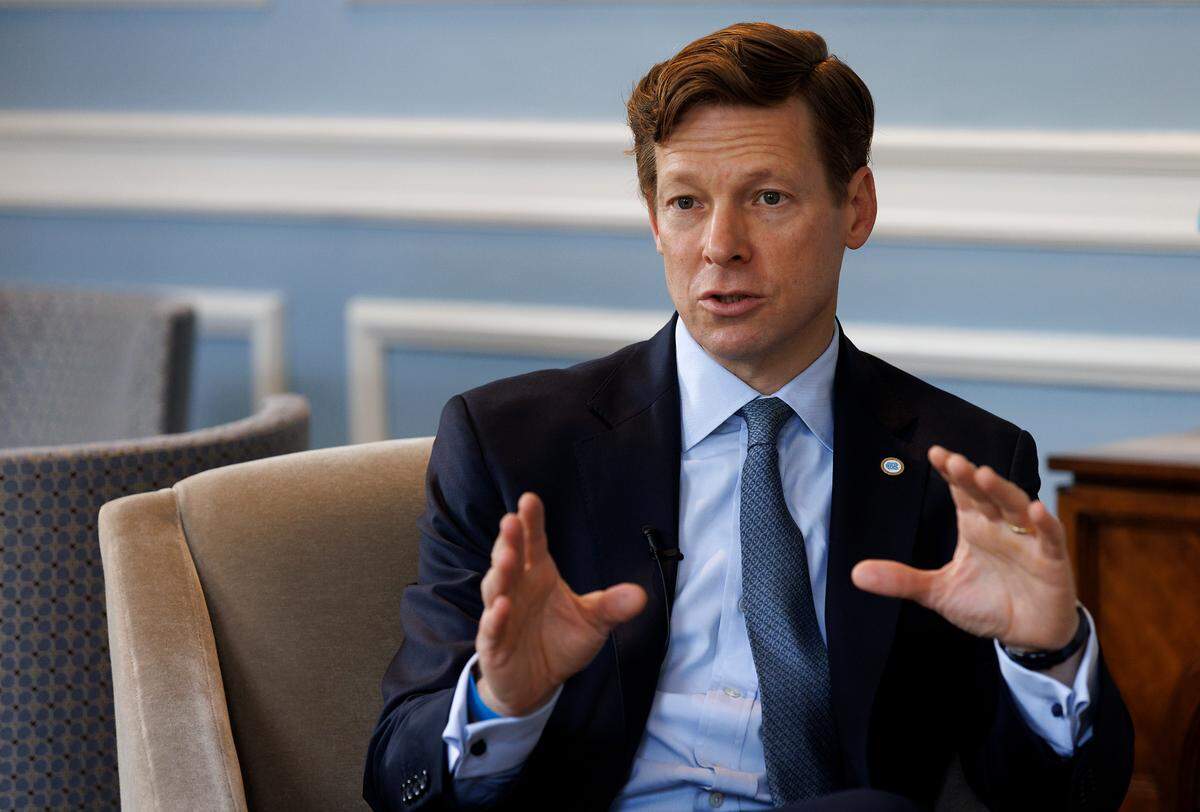
On the morning of his first day as UNC’s 13th chancellor, Roberts sat down for a one-on-one interview with The News & Observer. The conversation covered a range of topics, from his relationships with state lawmakers and the campus Board of Trustees, to DEI and protests, to his near- and long-term visions for the university.
Here are some highlights.
Connections to state lawmakers, previous political donations
Roberts, 55, with a bachelor’s degree in political science from Duke and a law degree from Georgetown University, has worked primarily in private banking, finance and real estate investment.
But from 2014 to 2016, he was state budget director — a role that entails working with governors to prepare their budget recommendations for North Carolina lawmakers and carrying out the spending plans approved by the General Assembly. The job was Roberts’ first major foray into public service, but state leaders largely praised his work, which involved drafting and planning a $2 billion bond for campus construction and infrastructure across the state.
He left that role after about 16 months, returning to the private sector to found SharpVue Capital, an investment management firm. Roberts said Monday he will be “stepping away” from that company to serve as chancellor.
But even after leaving state work, it’s clear that Roberts has maintained connections to powerful legislators and other state leaders.
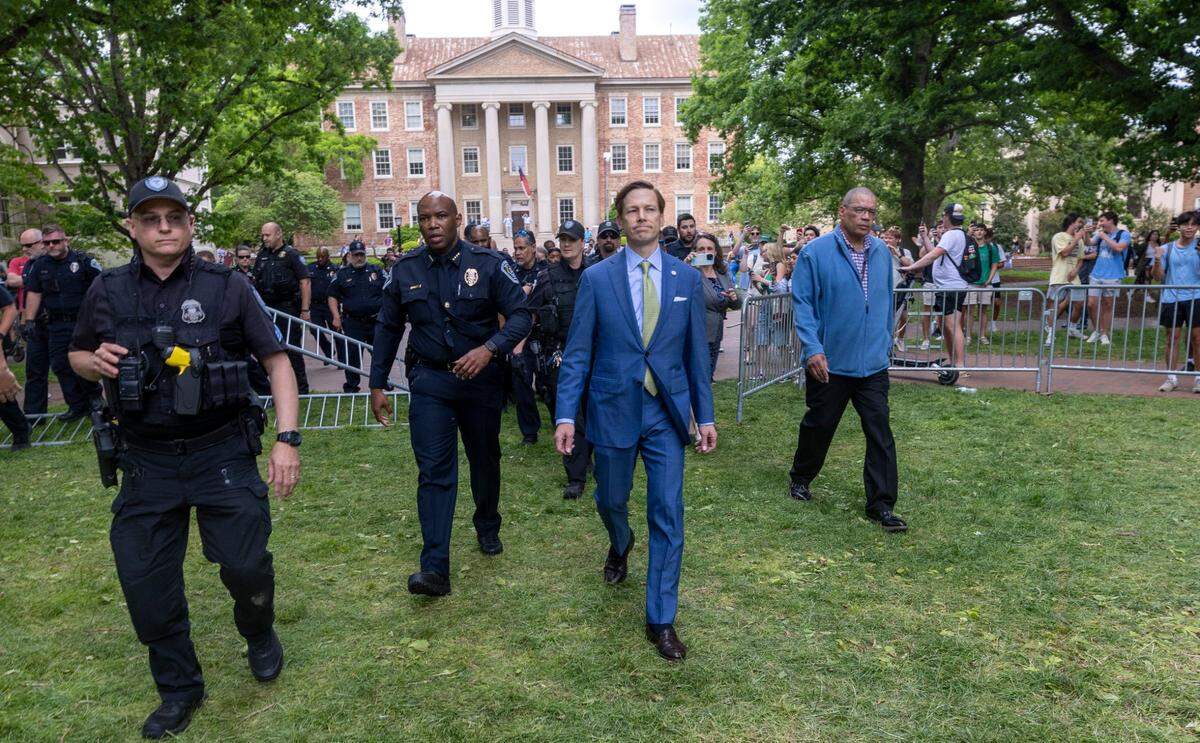
Republican Senate leader Phil Berger in 2021 appointed him to the Board of Governors, a seat from which he resigned in order to serve as interim chancellor and be considered for the full-time role. Berger, House Speaker Tim Moore and other leaders this spring praised Roberts’ handling of campus protests over the Israel-Hamas war, including a viral moment in which he and police returned an American flag to the flagpole on the Polk Place quad after protesters had taken it down.
Roberts has a history of donating to political campaigns — mostly those of Republican candidates or groups, though he has also donated to Democrats and unaffiliated candidates. Roberts said Monday he has generally given to candidates “on the basis of personal relationships” he has with them.
State campaign finance records show his most recent donation, $500 given to UNC-CH trustee and Republican state auditor candidate Dave Boliek, occurred in October of last year, before he became interim chancellor.
“I’ve not made any contributions since becoming interim chancellor and will not make contributions going forward,” he told The N&O.
Roberts said his experience working with state leaders will be “useful and relevant, both in budget discussions with the General Assembly and more broadly.” That could be important in upcoming fiscal years, given that the General Assembly’s inability to pass a new budget this year left campus funding requests — including $4 million for campus safety technology and $8 million for a proposed engineering school, among others — on the table.
“That said, I don’t think anybody can predict what the General Assembly, or any legislature, is going to do about a particular line item in a particular session,” Roberts said.

Working with the Board of Trustees
In previous interviews, including with The N&O, Roberts has made it clear that, per policy, he reports only to Hans, the system president.
But aside from legislators, Roberts will also work closely with governing board members at the campus and UNC System levels.
The UNC-CH Board of Trustees in recent years and months has been accused of overstepping its authority and skirting traditional models of shared governance at the university, which divides responsibilities among administrators, faculty and board members. Critics cite the trustees calling for a School of Civic Life and Leadership to be developed, which some faculty said they were not informed of ahead of time, and voting to divert the university’s DEI budget to campus police, which Hans deemed void by saying the board did not have the power to make such a move.
On the day Roberts began his time as interim chancellor in January, Hans and then-Board of Governors Chair Randy Ramsey sent a memo to Roberts and Board of Trustees Chair John Preyer, emphasizing the trustees’ role as advisers to the chancellors — not policymakers or administrators.
Roberts said he became aware of Hans’ and Ramsey’s intention to send the memo “shortly before” he became interim chancellor, but was not involved in drafting it. He said he was not aware of an instance, since the memo was sent, in which trustees had not adhered to its guidance.
The board is a committed group of university alumni that “care deeply about the future of this university” and the state, Roberts said.
“We all want the same thing, which is for Carolina to continue to grow and thrive,” he said.
Plans for DEI office, programming, staff
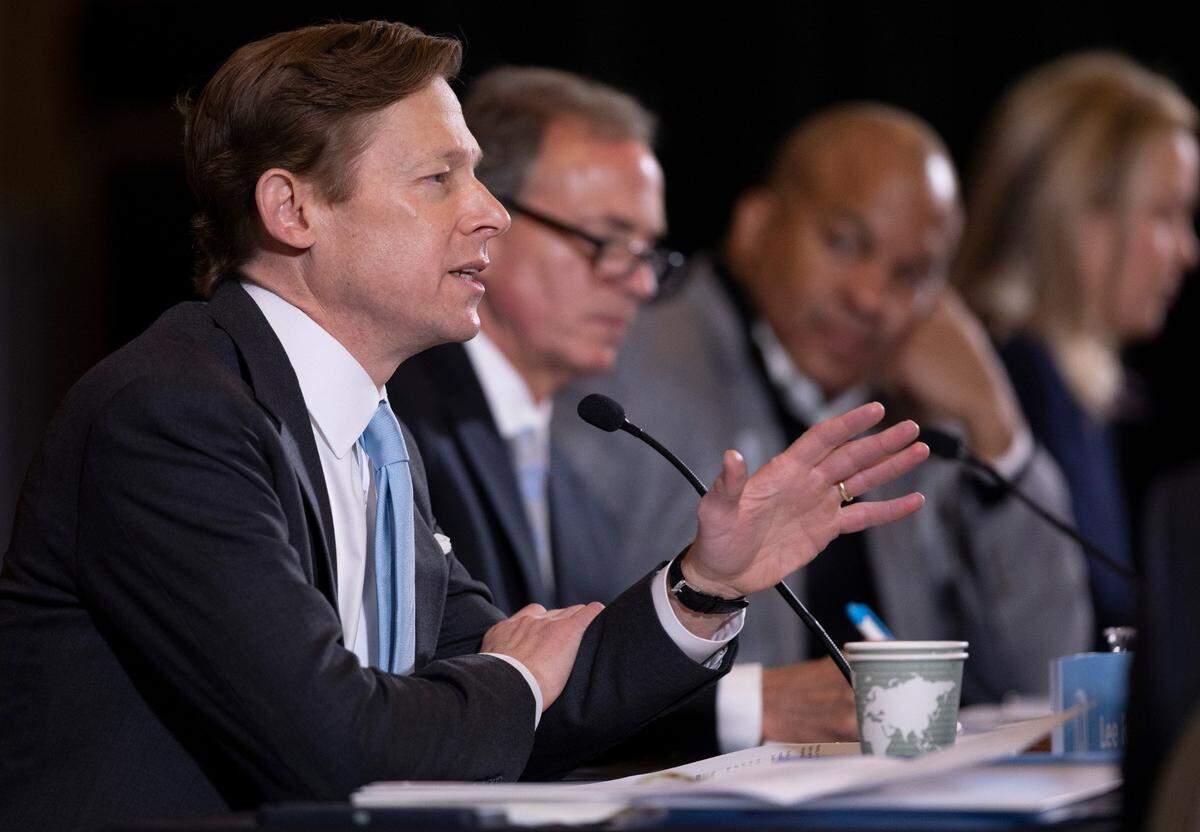
One of Roberts’ first tasks as chancellor will be to decide the fate of the university’s diversity and inclusion office, its staff and its programming, following the Board of Governors in May repealing a previous policy on the issues. Chancellors of all 17 UNC System campuses must report to Hans, by Sept. 1, any changes — including job and spending cuts — that result from implementing the new policy, which emphasizes student success, institutional neutrality and nondiscrimination.
According to legal guidance given to campuses by the UNC System office last month, campus cultural centers are not prohibited, but some “will need to restructure their content.” Faculty research and teaching, as well as student groups, are not expected to be impacted.
But DEI offices and programming were specifically mentioned in the guidance as areas that must comply with the new policy — meaning they could be eliminated or, at a minimum, significantly changed.
Speaking to reporters Friday after being elected chancellor, Roberts identified Project Uplift, which brings underrepresented high school students to the UNC-CH campus each summer, as a program that would not be eliminated as part of the DEI changes.
Asked by The N&O Monday what programs or initiatives might be at risk of elimination, Roberts said he would wait until he issues his report to Hans on Sept. 1. He would not say whether there would be layoffs as part of the changes — but if there are, he said, the university tends to make sure affected employees “have the opportunity to find other jobs here at Carolina.”
Handling protests, building trust
This fall is also likely to bring more protests against the war in Gaza, potentially recreating scenes from the spring, when students, faculty and community members formed a four-day “solidarity encampment” by pitching tents on Polk Place.
Three dozen people were charged with trespassing after they refused to disband the gathering. Six people, including three UNC-CH students, were arrested and charged with other offenses, including resist, delay and obstruct and assault on a law enforcement officer.
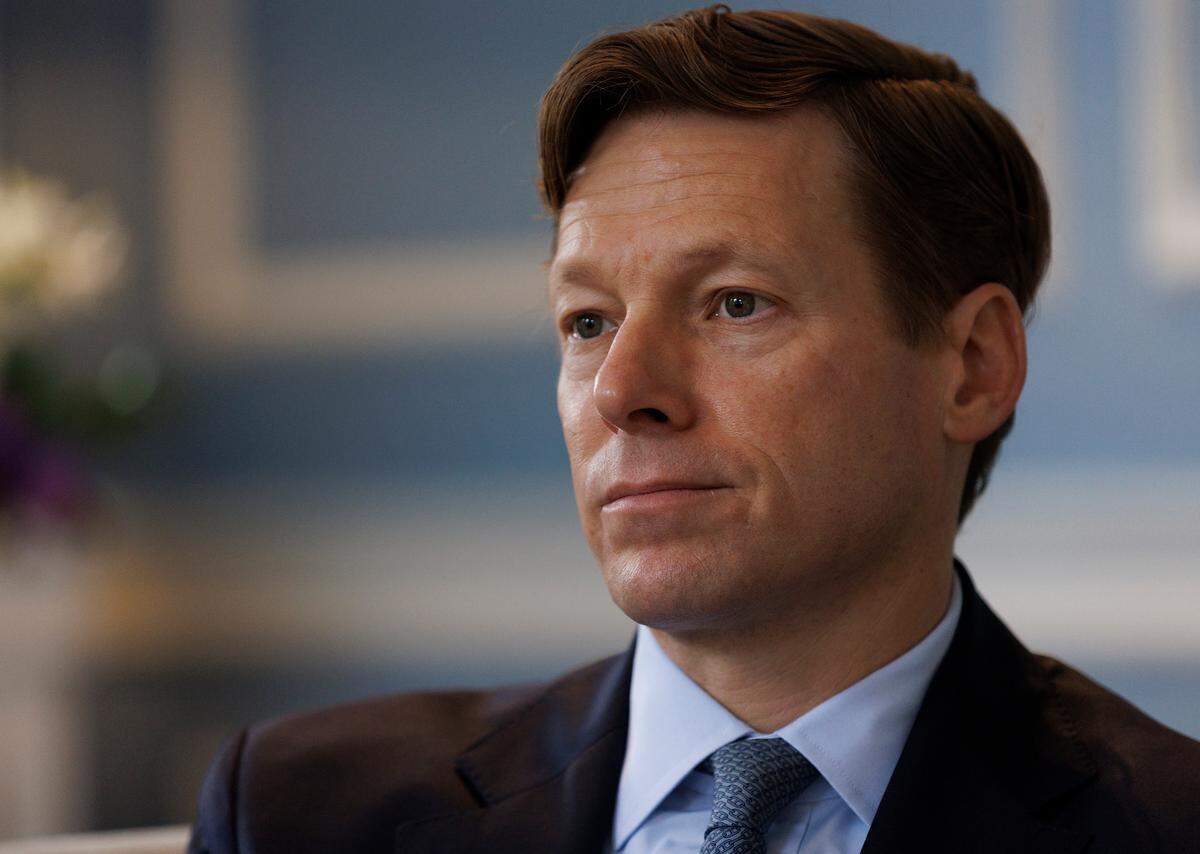
Some students and faculty have said Roberts will need to regain trust after his actions during the protest. Asked whether he agreed with those assessments, he said: “I think I need to work hard to build trust across the board.”
Roberts said he has made efforts since becoming interim chancellor to meet with people across the university and build relationships with them. Hans echoed that Friday, saying he had heard from many people since January who had received “an unprompted email, phone call or note from interim Chancellor Roberts asking them to meet to share their ideas.”
But the process will always be ongoing, Roberts said Monday.
“I don’t think that’s ever something you cross off your list,” he said.
Regarding possible protests this academic year, and asked how the university might change its approach to them compared to the spring, Roberts said he hopes to improve communication — both with protesters and the broader campus community.
Teaching courses, long-term plans
Though he has taught courses on public budgeting and real estate investment at Duke, Roberts said he does not refer to himself as a faculty member given that he does not have a doctoral degree. If the opportunity arises, he would be interested in teaching at UNC-CH, but he does not have immediate plans to do so, he said.
“In addition to being fun and rewarding, it would be helpful, not only in understanding what it’s like to teach a class at Carolina, but also just interacting with more students, which is always worthwhile,” Roberts said.
While his most recent predecessors in the chancellorship have spent five or six years in the role, Roberts said he is in the job “for the long haul.”
“Change doesn’t happen quickly in settings like this, and it requires patience and a consistent, applied approach,” he said.
In addition to four key priorities he has identified to work on as part of the university’s strategic plan, Roberts said he wants the university community to “set, as our collective ambition, to be seen as the No. 1 public university in America, head and shoulders above everybody else.”
“And that, obviously, doesn’t happen overnight, but I think that should be our shared objective,” Roberts said.
But for now, the task at hand is the year ahead. And he has something in common with the university’s newest students, who will move in to their residence halls this week and begin classes next Monday.
“I’m a first-year also, and so I look forward to welcoming them and going through the semester together,” Roberts said. “It’s going to be a great year.”
In the Spotlight designates ongoing topics of high interest that are driven by The News & Observer’s focus on accountability reporting.
This story was originally published August 12, 2024 at 3:10 PM.
CORRECTION: A previous version of this story misstated the subject area of Roberts’ undergraduate education. He holds a bachelor’s degree in political science from Duke University.