After Belichick hire, UNC trustees’ power is scaled back. It’s not the first time.
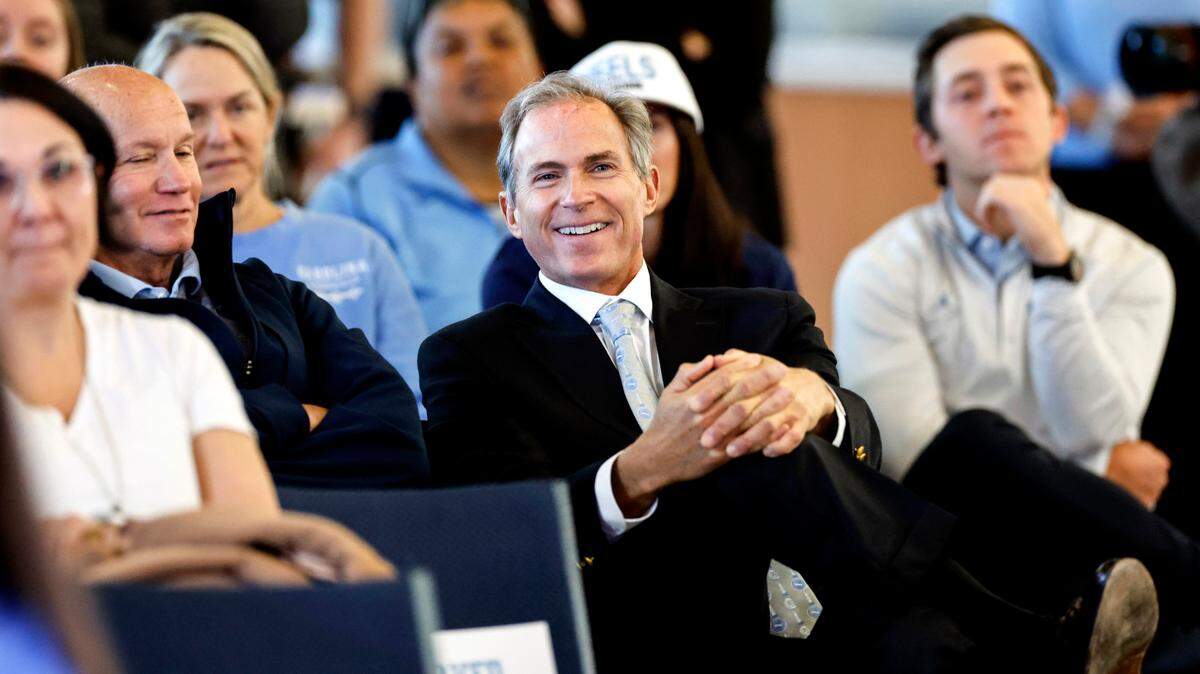
The president of the UNC System last month stripped the UNC-Chapel Hill Board of Trustees of a number of its responsibilities over the university’s athletic programs — a move intended to rein in “independent and unilateral actions” from some trustees that overstep the board’s official and designated authority.
UNC System President Peter Hans on Jan. 16 sent a memo to UNC Chancellor Lee Roberts and Board of Trustees Chair John Preyer detailing the changes he implemented in response to such actions. The memo, first reported by The Assembly and since obtained by The News & Observer, describes the changes as temporary.
Per the public document, Hans or his designee will now be required to approve the hiring or salary adjustments of all employees in the athletic department except administrative assistants or “equivalent positions,” and the trustees will not be permitted to negotiate, review or approve the proposals. (Under UNC System policy, trustees at all of the state’s public universities are generally permitted to approve raises for associate, assistant and head coaches that are no more than 25% of the employee’s base salary and do not exceed $25,000, among other responsibilities.)
The trustees will retain the authority to approve the hiring of head coaches and the athletic director, per system policy, but Roberts must now receive approval from Hans before submitting the plans to the board for its consideration. The trustees are not permitted to engage in any negotiations of the deals.
Additionally, Hans must approve any contracts sought by the athletic department for goods or services totaling $29,000 or more, and the trustees are not permitted to negotiate, review or approve such plans.
Hans did not mention specific trustees in the memo, nor did he name specific instances in which they acted outside of their authority.
“President Hans took this action as a matter of good governance,” UNC System spokesperson Andy Wallace said in a statement. “He will not reference specific individuals or incidents and hopes to restore the delegated authority in the near future.”
But the memo came weeks after UNC hired former New England Patriots head coach Bill Belichick to lead the university’s football team. The search was a high-profile one — not just for the legendary coach it yielded and the price tag the hire came with, but for the behind-the-scenes drama that reportedly accompanied it.
The Athletic, for instance, reported that the search was dysfunctional and included “the impression” that some trustees, led by Preyer, offered Belichick the job out-of-turn and outside of the formal search process run by Athletic Director Bubba Cunningham and Roberts. An unnamed source told CBS Sports that the search was “fractured,” though a spokesperson for UNC athletics said that assessment was “incorrect.”
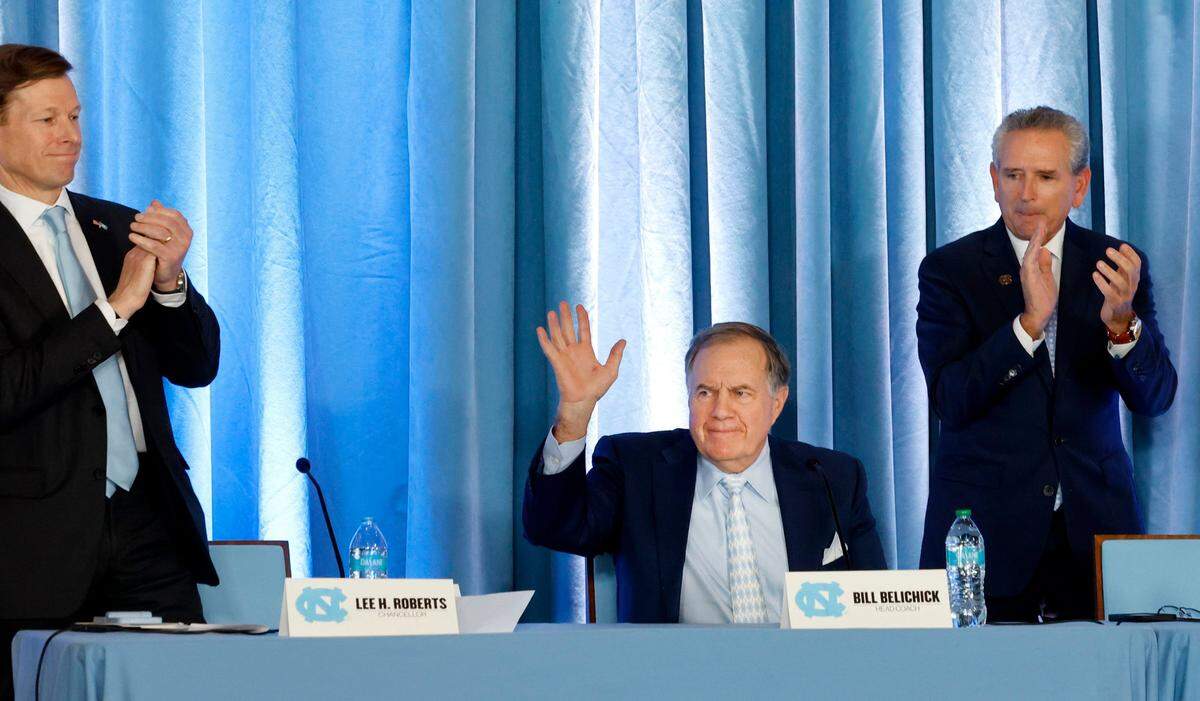
Hans wrote in his memo that “independent and unilateral actions continue to create substantial legal risk to the University — jeopardizing the North Carolina taxpayers’ money by blurring the lines of actual and apparent authority when these athletic departments negotiate business transactions with third parties, including but not limited to current, former, and future athletic employees.”
Preyer declined to comment to The N&O on the memo.
While Hans’ January memo deals squarely with matters of athletics, it is not the first time the UNC System head has scaled back the Chapel Hill trustees’ powers.
He took a similar step last January, referencing as much in the more recent memo — showing that he believes the trustees’ actions are part of a larger pattern, and that he is willing to step in to address the trend.
Hans addresses a pattern
There are two levels of governing boards in the UNC System.
The 24-member Board of Governors, which is appointed by the state legislature, oversees and sets policy for the entire public university system, which also includes the North Carolina School of Science and Mathematics.
Each university in the system, then, has its own campus-level Board of Trustees. Trustees, per UNC System policy, are expected to serve in an advisory capacity to their university’s chancellor and provide input on top-line, high-level decisions, such as approving the campus budget each year and capital planning.
Hans, as system president, reports to the Board of Governors, and chancellors report to Hans — not their trustees.
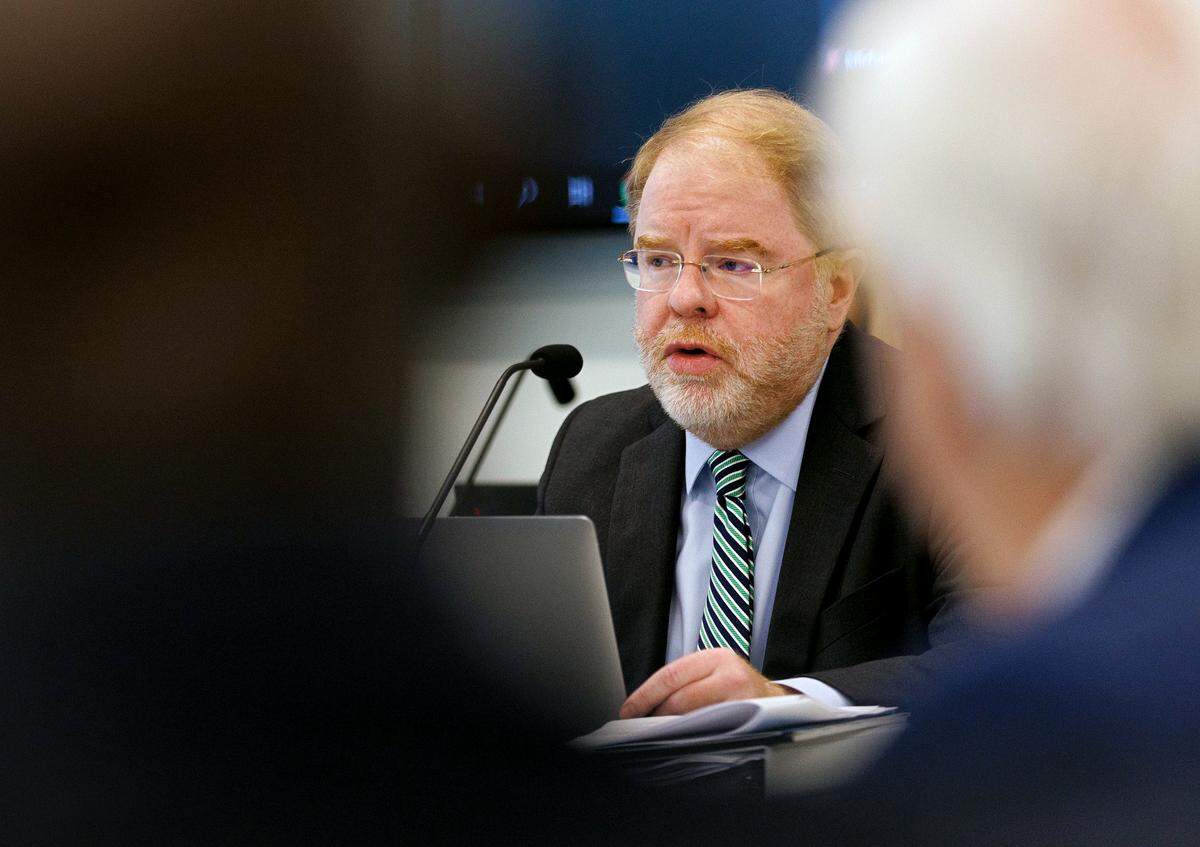
Last year, on Jan. 12, Hans and then-Board of Governors Chair Randy Ramsey sent a memo to Preyer and Roberts, who was then serving as chancellor in an interim capacity. The memo, sent the day Roberts began his interim role, reminded the trustees that they are expected to serve “in an advisory capacity to the Board of Governors and the chancellor” and that they should not direct “matters of administration or executive action.”
“Each campus’s unified chain of command headed by a chancellor who is responsive to the board of trustees ensures that chancellors can lead and control the campus administration for which they are ultimately accountable,” the memo stated, adding: “This alignment of accountability with authority vested in the position of chancellor avoids situations where a campus appears to speak with more than one voice.”
That memo, which stripped the trustees of several responsibilities related to personnel decisions and gave them instead to Roberts, came after a year in which trustees made headlines for several controversial actions, including their efforts to develop a School of Civic Life and Leadership with limited faculty involvement and adopting an admissions and hiring policy that prohibited the university from considering applicants’ “race, sex, color or ethnicity.”
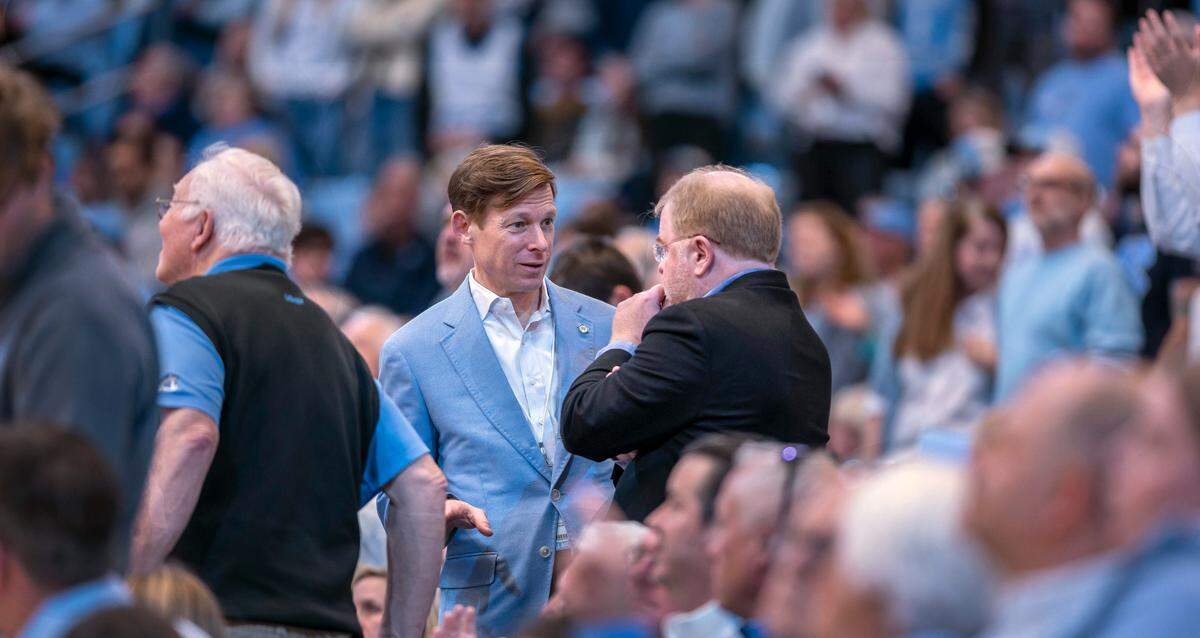
The memo stated that the actions described in the document were “taken simultaneously to empower the interim chancellor to lead UNC Chapel Hill and act decisively in the best interests of the University.”
The memo also reminded the trustees to follow state law and university policy on public meetings and agenda-setting.
The chair of the Board of Trustees at Elizabeth City State University received a similar memo last year, re-delegating some personnel authorities to the chancellor in order to align ECSU’s “delegations of authority with the rest of the UNC System.” But that memo did not include language reminding the trustees of their assigned role in university governance or the behavior expected of them in their roles, as Hans’ memo to the Chapel Hill trustees did at the time — showing that such concerns were unique to UNC and its board.
Trustee Ralph Meekins brought last year’s memo to light during a discussion about diversity, equity and inclusion at a March meeting, telling his fellow board members that the document showed the group needed to “stay in our lane” on that issue and any others it considered.
Preyer at the time told The N&O that he viewed the memo as “an administrative, housekeeping thing to bring UNC ... into the same position of all the system schools,” and said he believed the UNC trustees had a positive working relationship with the Board of Governors.

Concerns over athletics continue for some trustees
But Hans’ new memo, sent to Preyer and Roberts last month, shows that concerns remain about some trustees’ conduct one year after his first memo on the issue.
“Notwithstanding prior efforts ...” Hans wrote in the memo about athletics, “instances continue to occur where members of the board appear to act independently of their campus’s administration in matters squarely within the responsibility of the chancellor.”
Some trustees have been outwardly critical of Cunningham, the university’s athletic director, over the past year, calling for an audit of his department and its spending at a meeting last May. (At the same meeting, the trustees voted to divert $2.3 million in the university’s budget from DEI to police, which Hans later said was outside the trustees’ authority, essentially nullifying the action.)
Roberts has publicly defended Cunningham, describing him as “one of the most senior, well respected, well regarded, admired athletic directors in the country,” and noting that the athletic department is routinely audited. Meekins, too, has defended Cunningham and said “there’s no mismanagement” of Cunningham’s department.
Still, some trustees remain concerned about athletics and what they say is a lack of reliable information provided to them about the department, its operations and finances. Those concerns again rose to the surface after Cunningham fired former football coach Mack Brown, with Preyer telling The N&O that he thought the process to dismiss Brown was “shameful.”
Email records obtained by The N&O show that on Nov. 26, the day it was announced that Brown had been fired, trustee Marty Kotis wrote that the board does not “deserve the mushroom treatment,” referring to a management style in which low-level employees are kept in the dark about the organization’s standing.
“We continue to read about major news events before we hear from the administration — especially regarding athletics,” Kotis wrote.
Speaking to The N&O about Hans’ Jan. 16 memo, Kotis said he “would welcome” the changes Hans is implementing for the approval of coaching contracts and other athletic agreements, because he feels that it will provide more time for the deals to be scrutinized. In the past, Kotis said, he and other board members have felt unprepared to weigh in on contracts because they were given little time to study the agreements, which can carry hefty financial implications for the university depending on the terms they include.
Sending the documents to Hans or his designee at the UNC System office means that the proposals “would get a more thorough vetting,” Kotis said.
“But that could have happened with us, as well, if we were given the information in advance and a chance to review and approve it,” Kotis said. “I don’t think the problem lies with the Board of Trustees here. It lies with the sense of urgency and the lack of information being provided to the Board of Trustees.”
Kotis, who previously served on the Board of Governors from 2013 to 2021, told The N&O he sent an email Monday to Hans, Roberts and some of his fellow board members, responding to the memo and presenting his ongoing concerns about how athletic contracts and other matters are handled.
“A robust discussion about athletics is sorely needed,” Kotis said he wrote in the email, “but not the type that is going on in this recent media circus.”
The directives in Hans’ memo were effective immediately. It states that the “temporary suspension” of the trustees’ authorities over athletic matters “will be revisited periodically as circumstances warrant.”
This story was originally published February 12, 2025 at 5:30 AM.