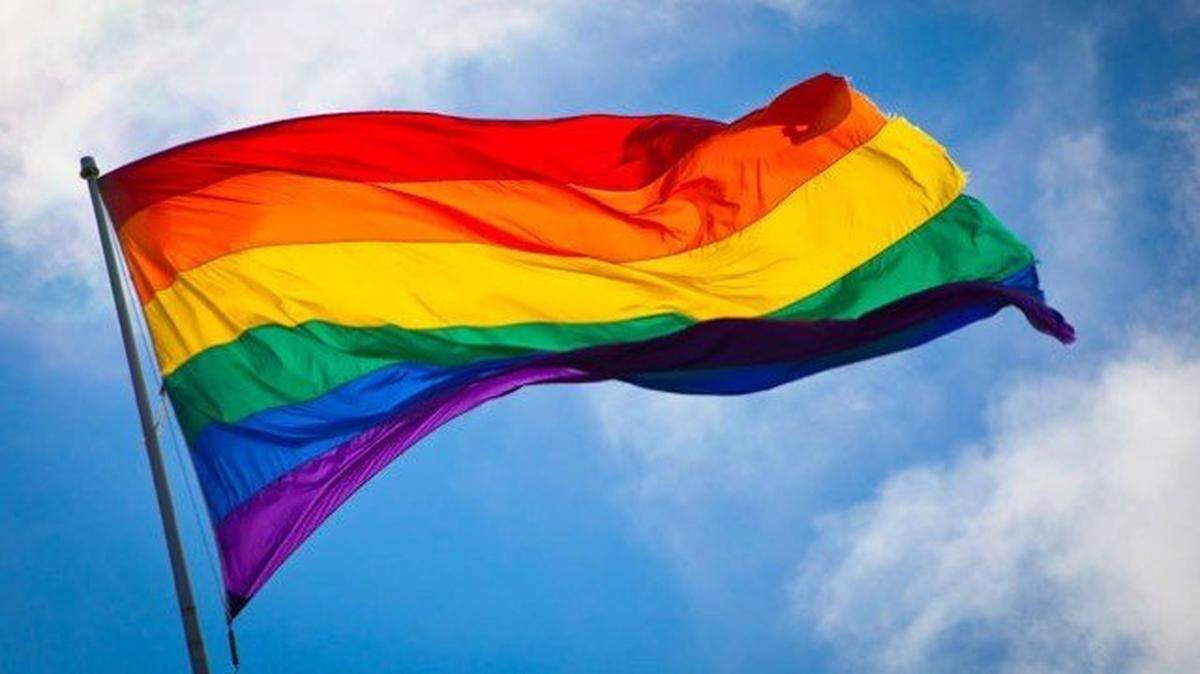
Gay pride flags could be banned from schools in this NC district
AI-generated summary reviewed by our newsroom.
- Johnston County may ban pride flags and remove LGBTQ+ references in policy.
- School board cites complaints, federal funding threats, and political pressure.
- Opponents argue changes weaken protections and target specific student groups.
Johnston County could ban gay pride flags in schools and remove wording from its anti-discrimination policies that explicitly protect LGBTQ+ students and school employees.
The Johnston County school board is considering new limits on what can be displayed at schools, citing complaints about some teachers having pride flags in their classrooms. The board is also considering removing sexual orientation and gender identity from its policies on cyberbullying, discrimination and employee hiring.
All four policy revisions were on last week’s school board meeting agenda and reviewed at last week’s policy committee meeting. They’re scheduled to be voted on by the board in July or August.
The school board has a Republican majority and there’s a bill in the legislature to make the elections partisan to try to increase GOP control. Johnston is North Carolina’s seventh-largest school district, with 37,000 students.
“What is a gender identity?” board member Michelle Antoine said at Tuesday’s meeting, which took place during Pride Month. “I don’t know. I have no idea what a gender identity Is. I know there are two genders. I mean you just want to get down to brass tacks.”
The board’s non-Republican members urged their colleagues to hold off on the policy changes.
“My concern is we are setting ourselves up,” said board member Kay Carroll. “We’re digging ourselves in a hole for a whole lot of issues.”
Accusing teachers of pushing ‘personal agendas’
The board is considering revising the policy on the distribution and display of non-school material.
The revised policy says principals and teachers will limit displays, such as signs and flags, in schools and classrooms. They’re to only display materials that “represent the United States, the state of North Carolina, Johnston County, the school name, mascot, post-secondary institutions, school-sponsored events, sponsorships, military flags, family photos, student art and/or the approved curriculum.”
“Students are a captive audience within a classroom,” said board chair Lyn Andrews said. “They don’t have a choice and we’re just trying to make sure that our focus is the main thing.”
A similar requirement is in a bill passed by the state House. That bill, which the Senate hasn’t acted on yet, only allows “official government flags” to be flown on government property, including schools.
Antoine said the wording was added to the district policy because of the “objectionable things” that some teachers display in their classroom to promote “personal agendas.” When pressed by board member April Lee to say what agenda, Antoine said it was displaying pride flags.
“That teacher has the personal right to have her beliefs and her activism, but not in the classroom where the students are,” Antoine said. “This is not curriculum-related. It is not developing students and frankly it might imbue values into students that maybe their parents have a problem with. “
Board member Kevin Donovan, who chairs the policy committee, said he’s gotten multiple emails and phone calls from parents who’ve told him pride flags are becoming a distraction in the classroom.
“As many students that are OK with the flag being in there — any flag — there are some students that also have issues with it being in there,” Donovan said. “We are supposed to be student-centered: all students. So either it take it all out and just focus on the curriculum. That’s it.”
Are pride flags ‘indoctrination’?
Lee defended the right for teachers to display pride flags in their classrooms. She said it’s a way for teachers to let LGBTQ students know that they’ll be respected for who they are in that classroom.
“We have teachers who have different views about that and if they choose not to have it up, that’s fine,” Lee said. “But nobody’s actively trying to teach a kid how to be gay by putting up a pride flag.”
Lee disputed the argument that pride flags are a distraction.
“It’s not like the teacher’s in the classroom going look at my flag everyday and pointing it out,” Lee said.
But Lee and Carroll appeared to be the only board members OK with allowing pride flags in classrooms.
“We don’t need a flag to tell students that we’re going to educate them and we’re going to do our jobs and we’re going to do it professionally and there isn’t a bias,” Antoine said.
Board vice chair Terry Tippett compared it to how teachers wouldn’t be allowed to display Christian flags.
“I’m told I can’t do a Bible because that would be indoctrinating someone for the Christian faith because they could see that Bible, they could see that Christian flag,” Tippett said. “But if you see a pride flag, that’s not indoctrination as well?”
Reacting to Trump threat to cut funding
The proposed changes in the anti-discrimination policies come after the board had tabled a vote in March to remove references to sexual orientation and gender identity.
The policies returned last week with the removal of not just sexual orientation and gender identity. The updated policies no longer list any specific group as being protected against discrimination, including race, color, religion and ancestry.
In its place, the policies include a hyperlink to a state statute on school bullying. The state statute does mention specific groups, including sexual orientation and gender identity.
Antoine said the change is needed due to the Trump administration’s threat to cut federal funding from schools that promote diversity, equity and inclusion.
“We are trying to comply with the federal mandate from the executive order and not lose federal funding and also comply with the state mandate of the statute,” Antoine said. “This policy does both things.”
Antoine and Tippett said the board had only added gender identity and sexual orientation to the anti-discrimination policy because the Biden administration had threatened to cut federal funding unless schools did so.
But Carroll and Lee said the hyperlink is insufficient and that the district should continue to list the specific groups that are protected. Carroll also said that Trump’s executive orders have no legal standing.
“I know y’all have told me we’re not changing the wording, but yes we are,” Carroll said. “You’re taking out the very specific language that says you can’t discriminate and bully these folks, these classes. You’re striking it everywhere.”
This story was originally published June 16, 2025 at 5:00 AM.