Active-duty military students can now receive discounted tuition in the UNC System
It will now be more affordable for active-duty military members to take classes in the UNC System.
Democratic Gov. Josh Stein on Thursday signed House Bill 373 into law. The measure, which was a key priority of the UNC System in this year’s legislative session, provides a carve-out in state law that allows the public university system to offer discounted tuition to students who receive military tuition assistance.
Otherwise, universities are prohibited under state law from discounting or waiving tuition for students.
That was a significant downfall for the system as it sought to attract military-affiliated students in what is considered to be one of the most military-friendly states in the country.
The new law is specifically expected to help students afford tuition through Project Kitty Hawk, the private startup that develops online-learning infrastructure for a handful of schools in the UNC System.
Welcome to Dean’s List, a higher education newsletter from The News & Observer and me, Korie Dean.
This week’s edition includes:
- More on HB 373 and an anti-diversity, equity and inclusion bill that’s now on Stein’s desk;
- Major news on the UNC System’s plan to create a new accreditor;
- Notable additions to the system’s boards of trustees;
- and more.
Let’s dive in.
Stein signs military tuition discount
The issue lawmakers sought to fix with HB 373 stemmed from a gap between the federally established rate for military tuition assistance, which provides active-duty members of the military with up to $250 per credit hour when they enroll in college courses, and the cost of tuition for programs that are offered through Project Kitty Hawk.
As of last fall, PKH offered 11 online degree programs through three UNC System schools: NC Central University, East Carolina University and Appalachian State University.
PKH courses are designed to be self-supporting, and are not supported with enrollment-based funding from the state, like traditional university courses elsewhere in the system. And the rate per credit hour typically runs between $350 and $400, which exceeds the military tuition assistance rate.
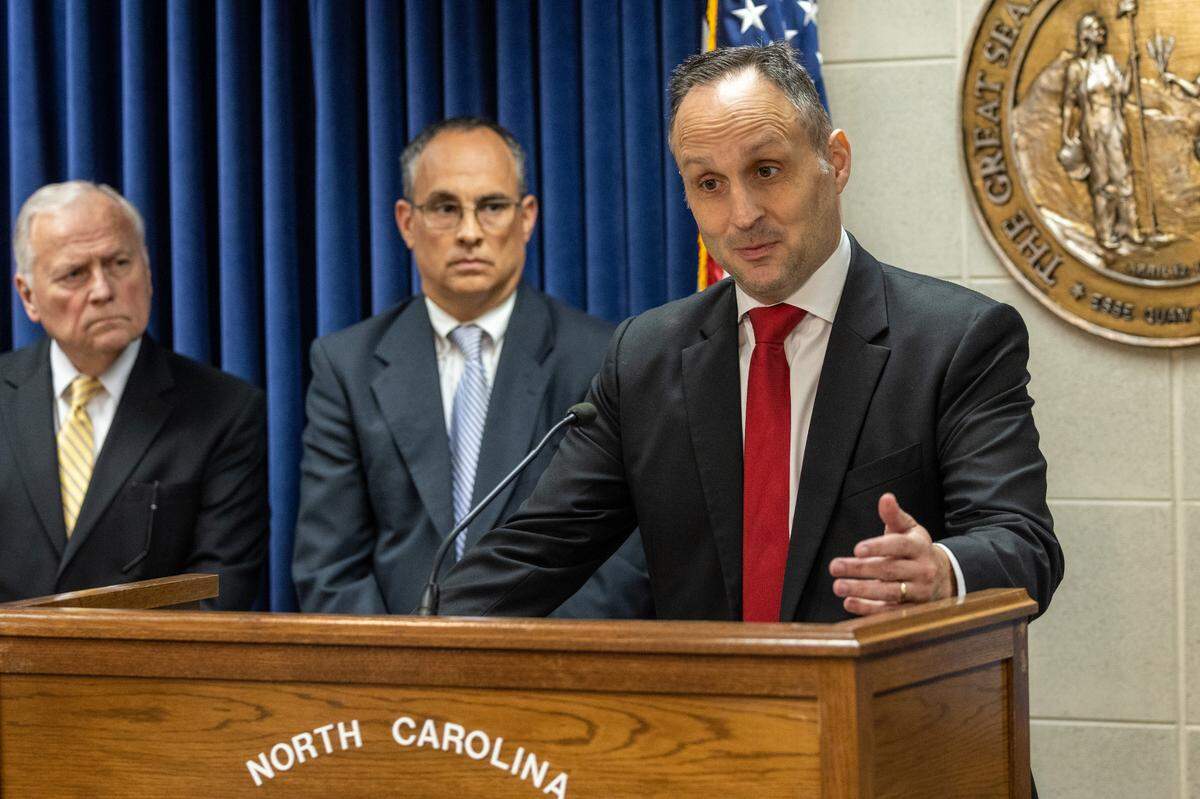
Because of the discrepancy, UNC System Senior Vice President of Government Relations Bart Goodson previously told members of the Board of Governors, service members stationed in North Carolina are enrolling in programs outside of the state that offer lower tuition.
With the new carve-out, Goodson said earlier this year, “This would enable our university to become a top destination for active-duty personnel stationed in North Carolina, which is not the case today.”
Now, the proposal is a reality.
“This bill will help military students afford tuition at our state’s top-tier university system,” Stein said in a statement. “This way, we can both support those who have sacrificed so much for our freedoms and strengthen our workforce of tomorrow.”
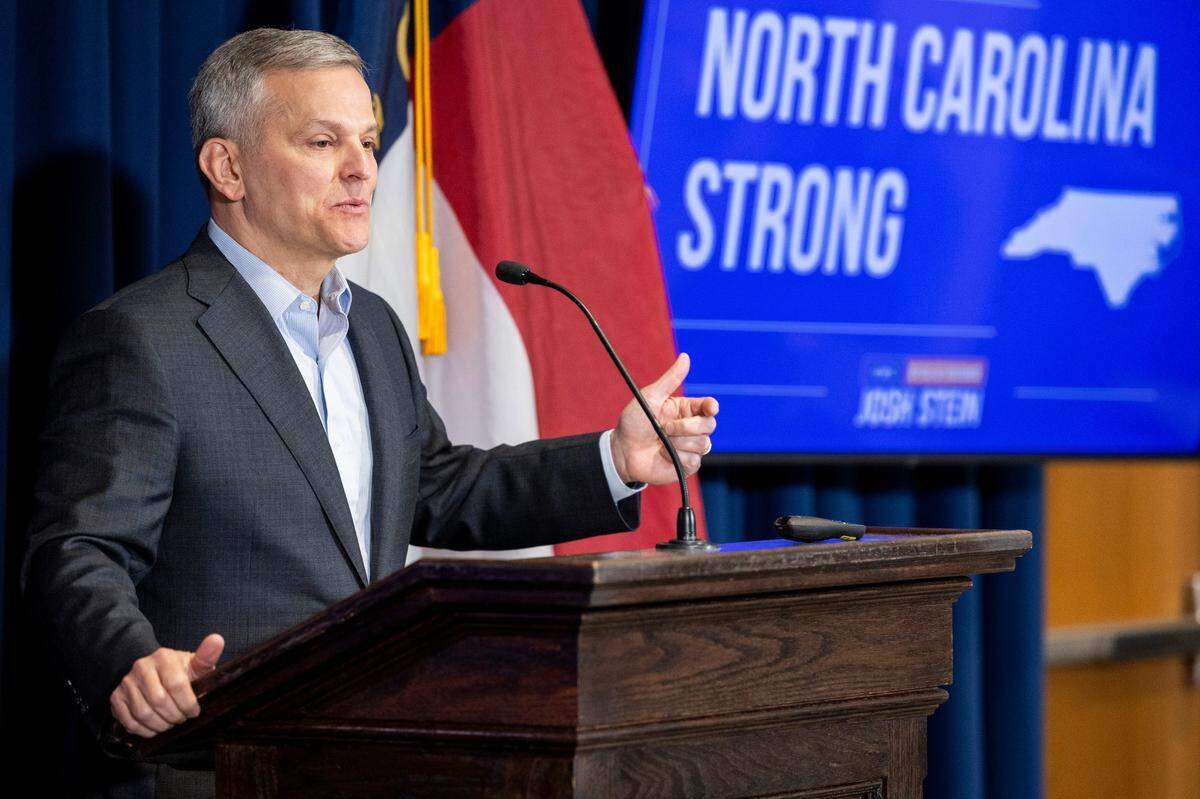
Stein thanked Republican Reps. Grant Campbell, Ray Pickett, Allen Chesser and David Willis for sponsoring the bill.
The bill also includes an additional carve-out for students who seek to use tuition-assistance benefits from their private sector employers.
HB 373 was just one of 10 bills Stein acted on Friday. For more on the other measures, check out this story from The N&O’s Avi Bajpai: NC Gov. Josh Stein signs slew of bills, including overhaul of foster care system
ICYMI: Catch up on these headlines
The UNC System will join five other Southern states to form a new accreditor for their public universities.
The other founding systems and universities are: the State University System of Florida, the Texas A&M University System, the University System of Georgia, the University of South Carolina and the University of Tennessee System.
Florida Gov. Ron DeSantis, a Republican who has been an outspoken critic of the current accreditation landscape, made the announcement last week at Florida Atlantic University, about six weeks after UNC System President Peter Hans first announced plans to form an accreditor at a Board of Governors meeting.
The first-of-its-kind move comes as accreditation has become a hotly debated topic in higher education in recent years.
In an interview, Hans told me the states need an accreditor that “can work well with our public universities.” But his tone differed significantly from DeSantis’, who said the effort will “upend the monopoly of the woke accreditation cartels.”
For more on this development, read the full story: UNC System joins Florida, Texas to form new accrediting agency for public colleges
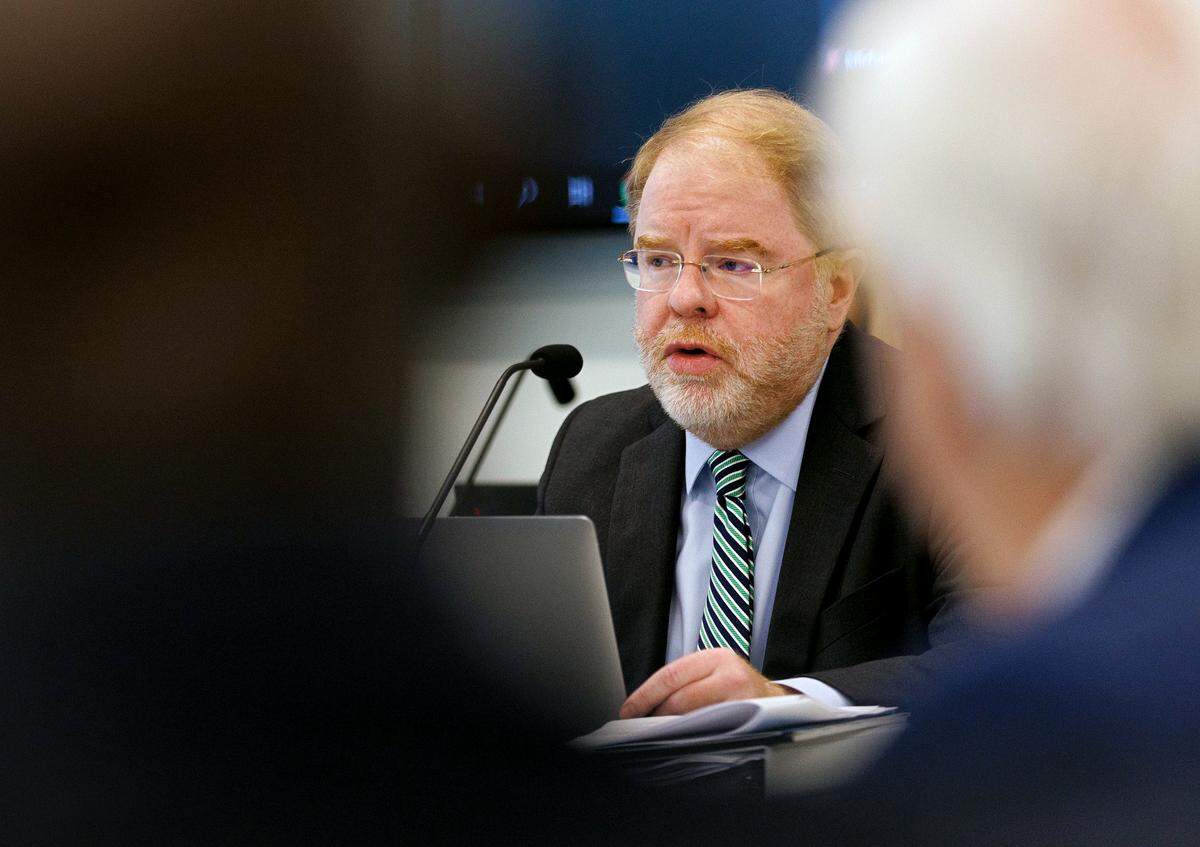
And in other legislative news, the General Assembly last week voted to send Senate Bill 558, “Eliminating ‘DEI’ in Public Higher Ed” to Stein’s desk.
The bill would ban the state’s community colleges and public universities from operating DEI offices or other divisions, having positions of employment, or requiring students to take courses that promote “discriminatory practices” or “divisive concepts,” both of which are further defined in the bill.
But at North Carolina’s public universities, many of the bill’s provisions are already in practice under the Board of Governors’ repeal of a previous DEI policy last year.
My colleague Kyle Ingram has the full story: NC Republicans approve slate of bills targeting DEI in government and schools
Lobbyist, former state leaders to join trustee boards
In the last roundup of action from the General Assembly last week, I’m bringing you some notable additions to the UNC System’s trustee boards.
Campus trustees are appointed in odd-numbered years by the UNC System Board of Governors and the legislature, with the House speaker and Senate leader — currently Republicans Destin Hall and Phil Berger, respectively — each making recommendations.
This year’s noteworthy nominations include:
- The Senate appointment of former state labor commissioner Josh Dobson to the Western Carolina University board. Dobson, who previously represented Avery, McDowell and Mitchell counties in the state House, did not seek reelection as labor commissioner last year after serving one term.
- Dobson will join another former state representative, current WCU trustee Jon Hardister, whom Hall reappointed. Hardister, of Greensboro, served six terms in the state House and unsuccessfully ran for the Republican nomination for labor commissioner last year.
- Ches McDowell will join the UNC School of the Arts board, upon Hall’s recommendation. McDowell is managing partner of Checkmate Government Relations, a lobbying firm with clients including UNC-Chapel Hill, and is the older brother of first-term U.S. Rep Addison McDowell, a Republican representing North Carolina’s 6th Congressional District.
The full list of nominations is available in Senate Bill 770.
Comings and goings
UNC-Chapel Hill has a new vice chancellor for communications.
Dean Stoyer, who previously worked for Nike, the Phoenix Suns and other sports-related brands, began his role Monday.
“At Carolina, we want every North Carolinian to feel connected to our University and to recognize it as an accessible institution that makes a difference in their lives,” Chancellor Lee Roberts said in a news release. “Stoyer’s perspective, leadership and ability to galvanize audiences position him perfectly to accelerate this mission, elevating Carolina’s brand and fostering deeper engagement with our community.”
Stoyer succeeds Kamrhan Farwell, who left the university earlier this year for a similar role at Boston University.
Higher ed news I’m reading
- Jim Ryan, president of the University of Virginia, resigned Friday under pressure from the U.S. Department of Justice, which is investigating the school’s DEI practices, The New York Times reported.
See you next time
Thanks for reading Dean’s List. I’ll see you right back here next week.
Not a subscriber? Sign up on our website to receive Dean’s List in your inbox each week.