More lawsuits to be filed against NC State over toxic chemicals, attorneys say
AI-generated summary reviewed by our newsroom.
- More lawsuits are expected against NC State over alleged PCB exposure, attorneys said.
- The initial suit involves 11 plaintiffs who developed breast cancer after working at Poe.
- Attorneys say they have more than 600 clients with future cases grouped by disease.
More lawsuits are coming against NC State University over its actions surrounding toxic chemicals in one of its buildings.
That’s according to attorneys representing 10 women and one man who developed breast cancer after working or studying at Poe Hall and are suing NC State in Wake County Superior Court, citing “deliberate indifference” to contamination by the university.
The attorneys said they have more than 600 affected clients.
NC State shut down Poe Hall — which housed the university’s College of Education and psychology department — in late 2023 after complaints led to preliminary testing that showed the presence of polychlorinated biphenyls, or PCBs. Subsequent testing found PCB levels throughout the building well above exposure limits established by the Environmental Protection Agency.
Although PCBs are no longer commercially produced, having been banned in 1979, they remain in older transformers, electrical equipment and building materials and have been linked to cancer and damage to the immune, reproductive and nervous systems.
Prior to the shutdown, there had been complaints about conditions in the building. The lawsuit cites that NC State became “unquestionably aware” in 1991 of the presence of PCBs after testing of transformer oil confirmed “the presence of toxic contaminants within the building’s electrical system.”
NC State previously told The News & Observer “our hearts go out” to members of its community affected by serious illness and said it will respond to the lawsuit through legal channels.
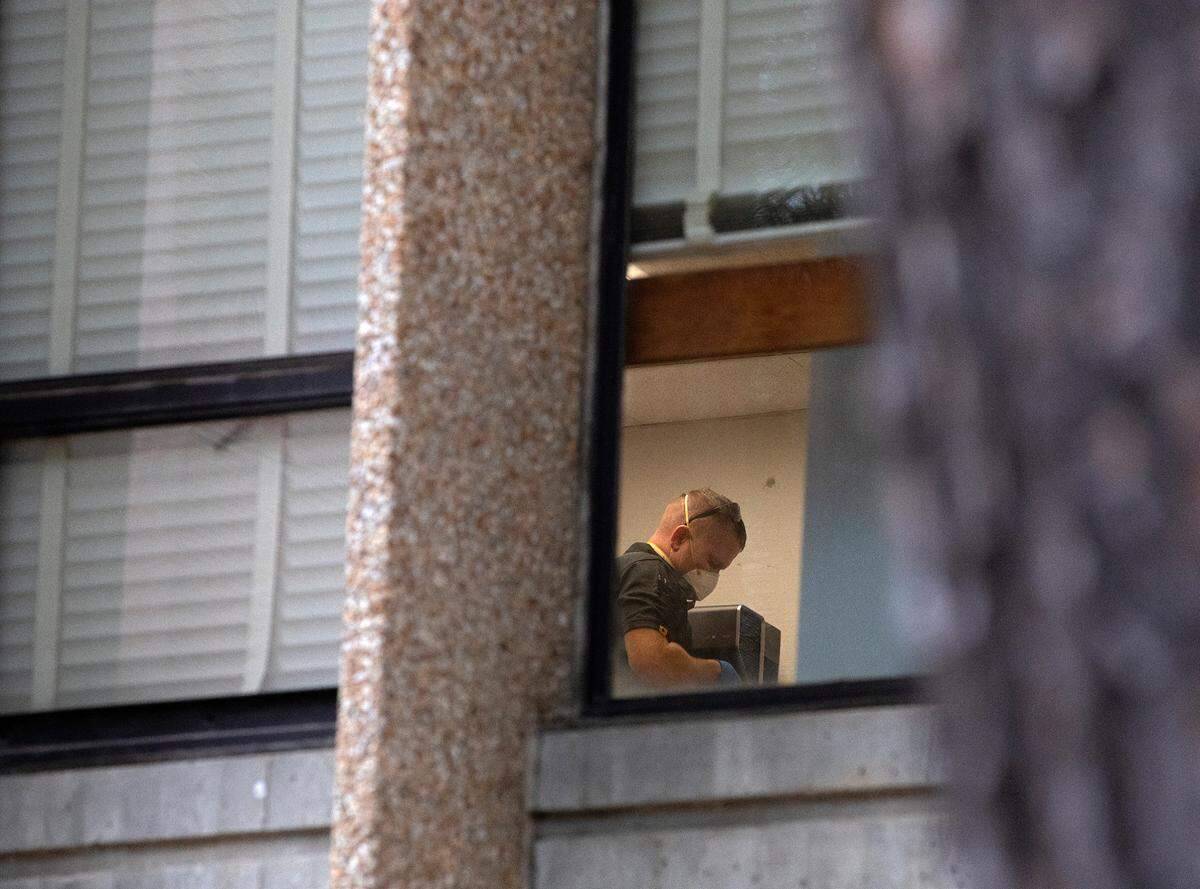
The university has also said it is continuing its separate lawsuit against Monsanto over PCBs used in the construction of Poe Hall and is moving forward with plans to remediate the building so it can be safely reopened for students, faculty and staff.
Bryan Brice, an environmental attorney representing the plaintiffs, said Thursday during a press conference on the lawsuit that “in my 30 years of environmental practice, the environmental catastrophe that has occurred in Poe Hall is the worst I’ve seen of a sick building causing human health effects to more than 600 clients, and counting.”
“This first filing are just a few of our clients,” Brice said.

Many clients are breast cancer survivors, including women who had children who may also have been affected. He said PCBs accumulate in fatty tissue and that many clients were pregnant or breastfeeding while working or studying in Poe Hall.
“Unknowingly, without their permission, and basically (they) were unwittingly feeding their children PCB-laced breastmilk, and we have hundreds of children who have neurological and related disease and cancer,” he said.
David Kirby, a founding partner at Edwards Kirby LLP, told The N&O that more cases will be filed and that the lawsuits will be rolled out in groups, likely categorized by disease.

The first set of cases will focus on breast cancer, followed by additional cases involving neurological issues, childhood illnesses, reproductive issues and other conditions.
“Some of that is for if the cases wind up being presented at a trial. It’s a lot easier for a court and jury and others to follow a similar disease or illness, as opposed to 10 different categories of harm,” he said.
Civil trials can take up to two years to reach court.