They’re loyal ‘Wolfpack Nation’ members. Why they sued NC State over their cancer
AI-generated summary reviewed by our newsroom.
- Lawsuit alleges NC State knew of PCB contamination in Poe Hall for decades.
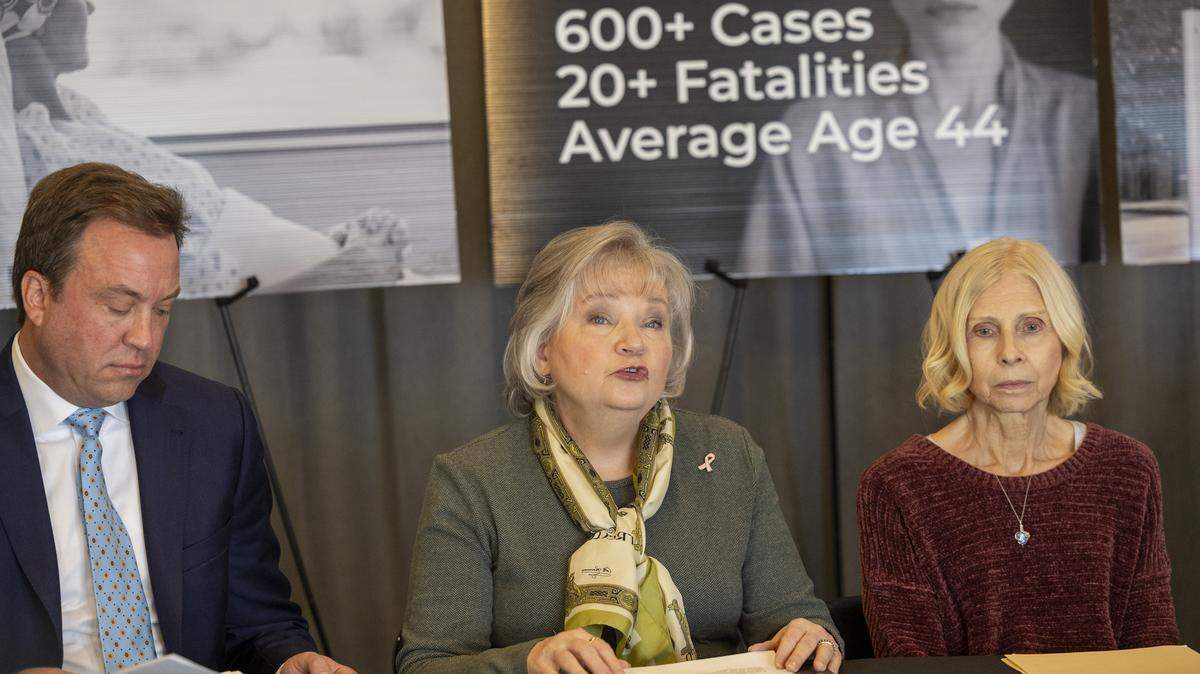
- Attorneys say they have more than 600 clients who say they were affected.
- NC State closed Poe Hall, plans major remediation while litigation and studies proceed.
READ MORE
Health concerns at NC State University’s Poe Hall
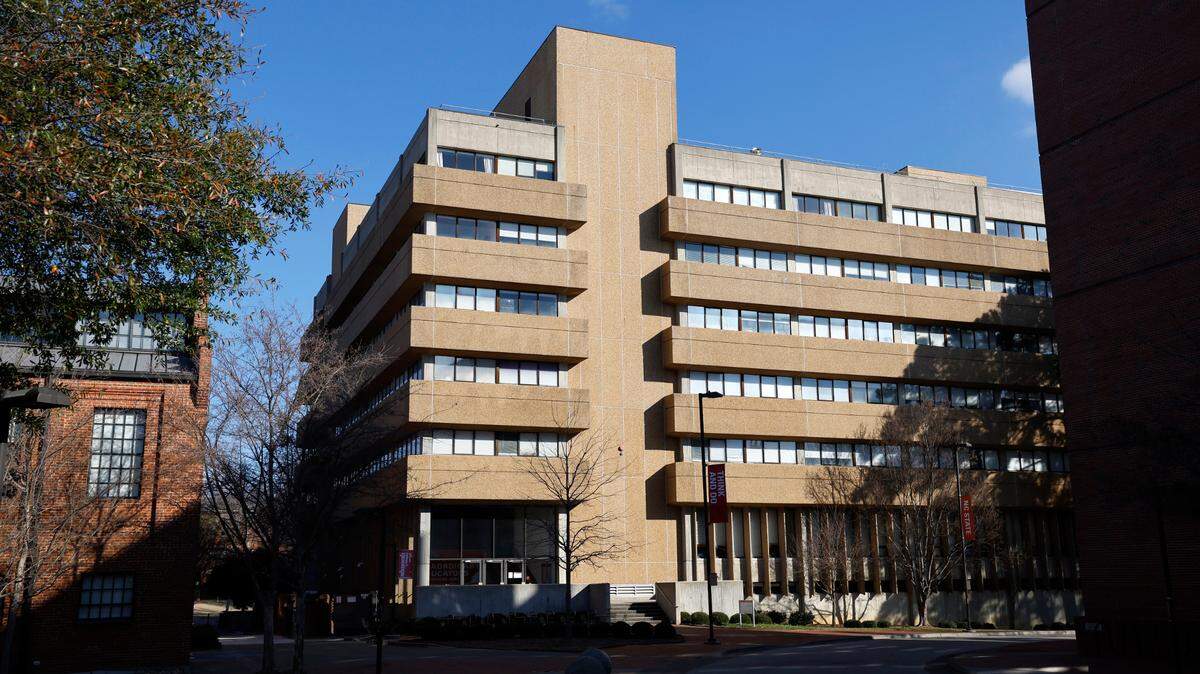
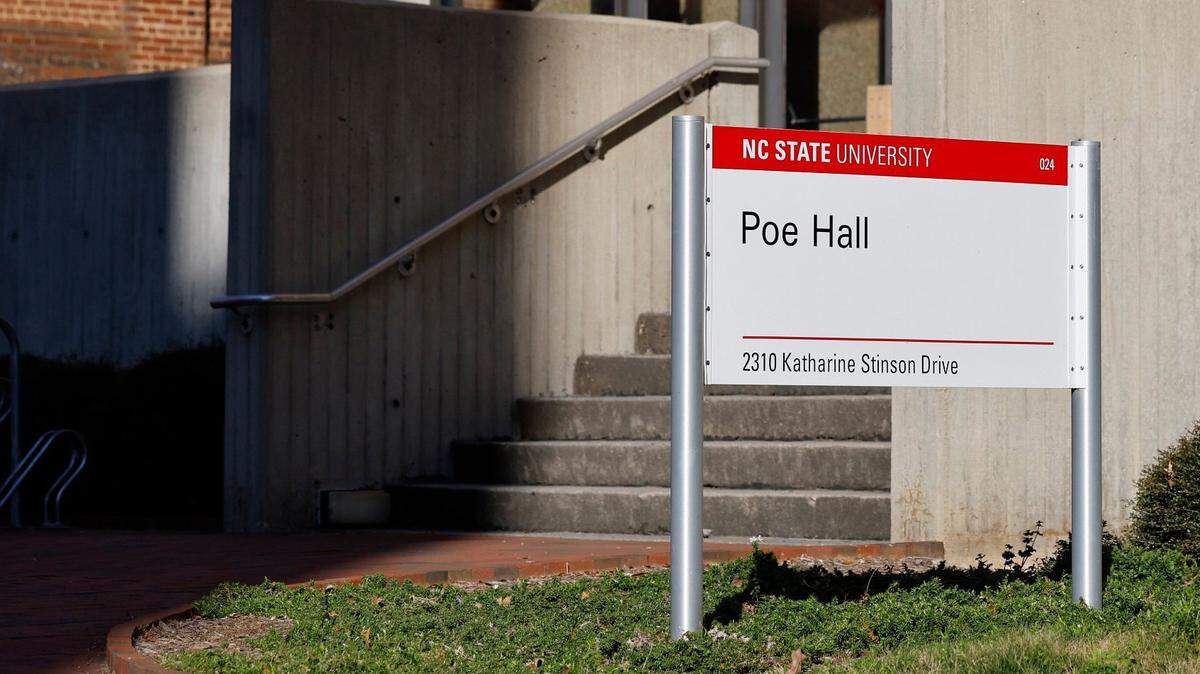
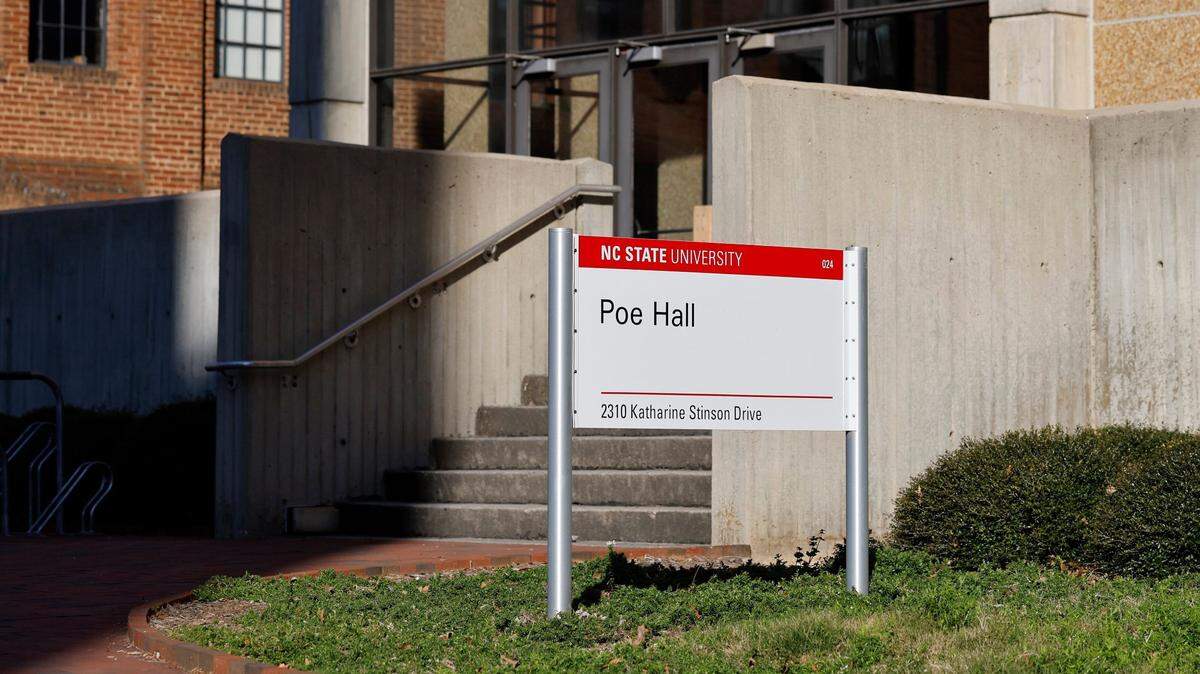
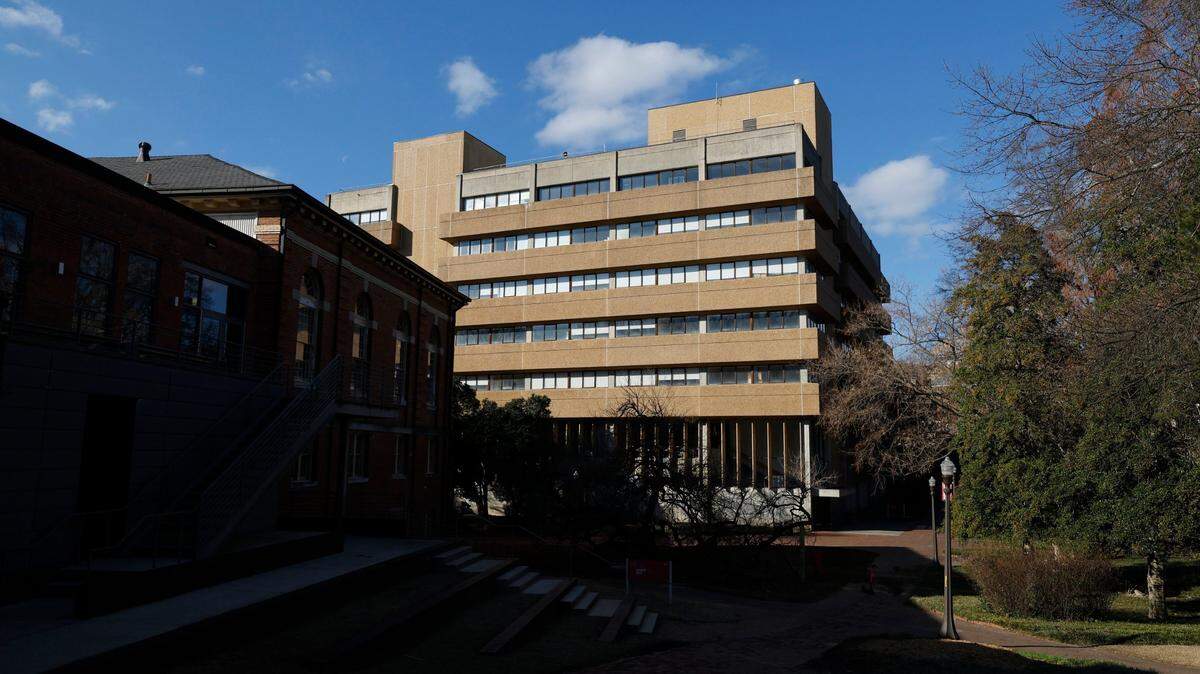
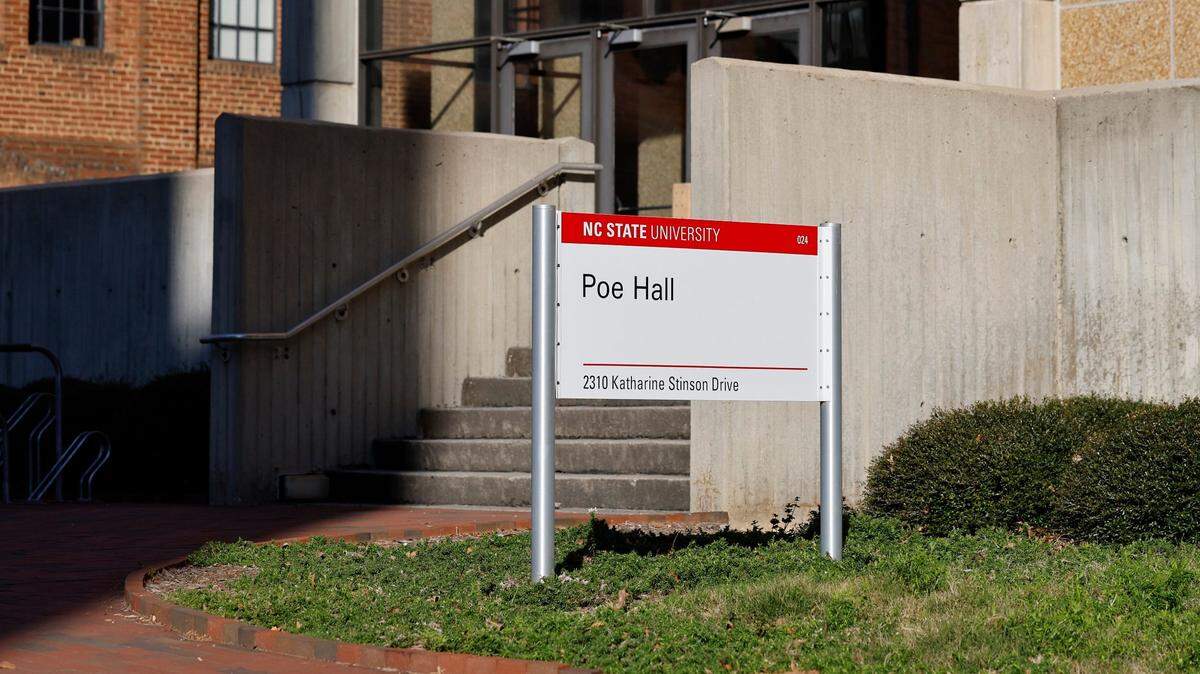
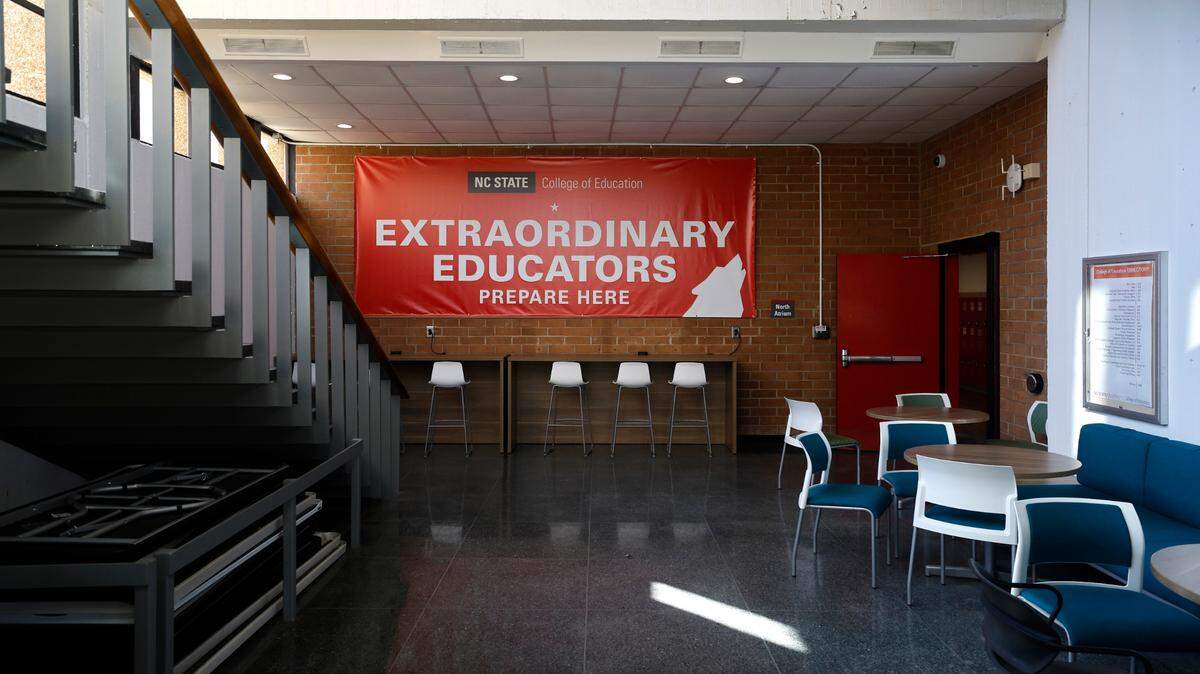
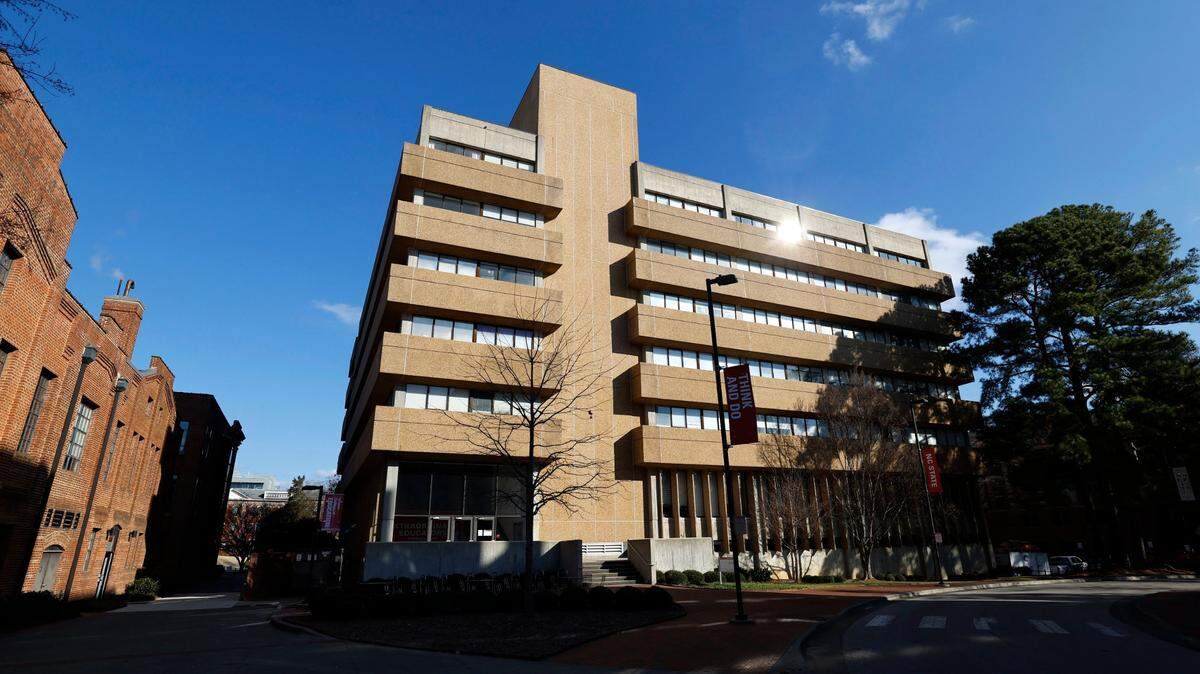
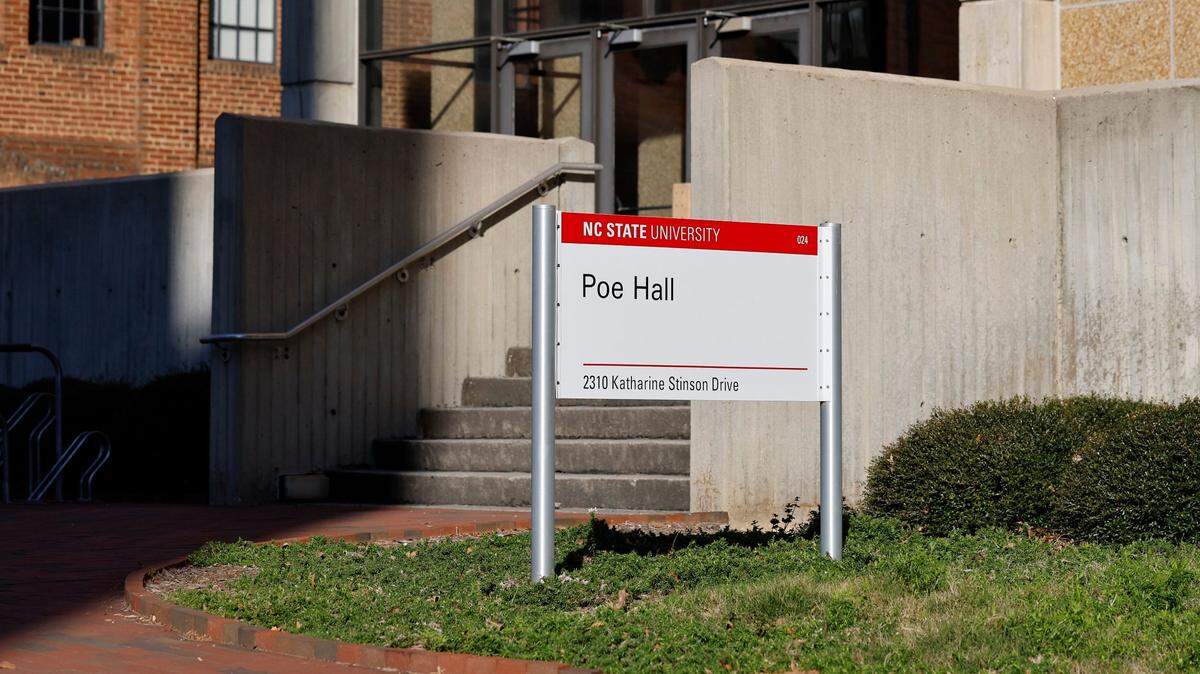
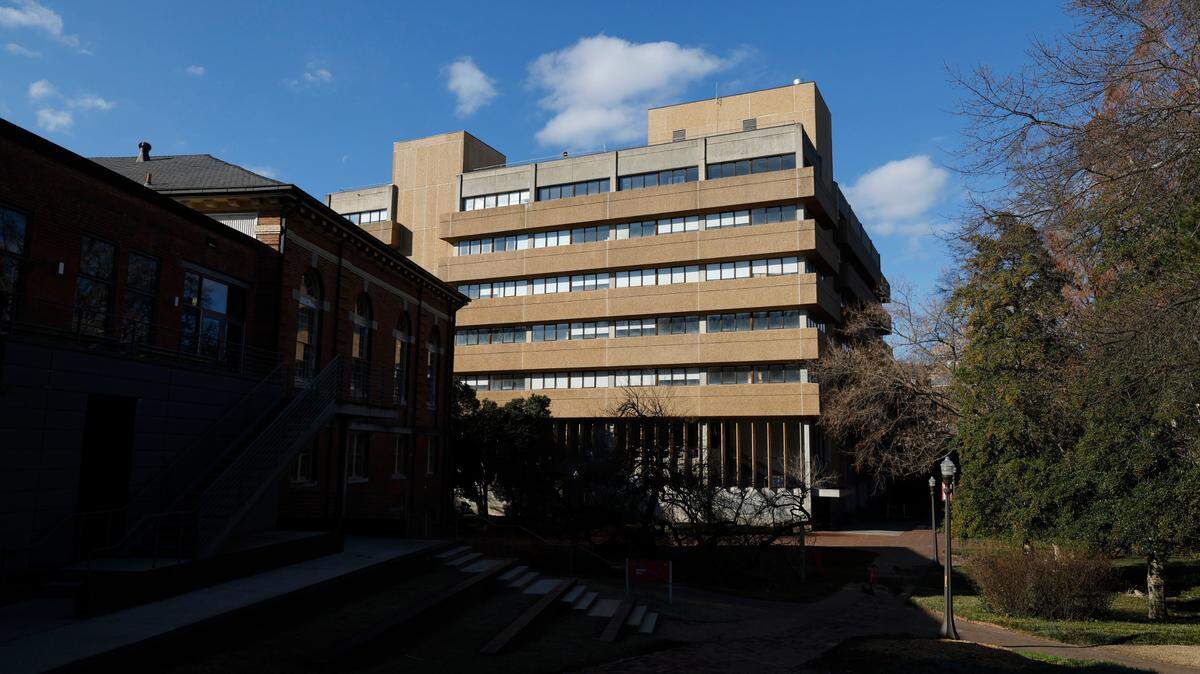
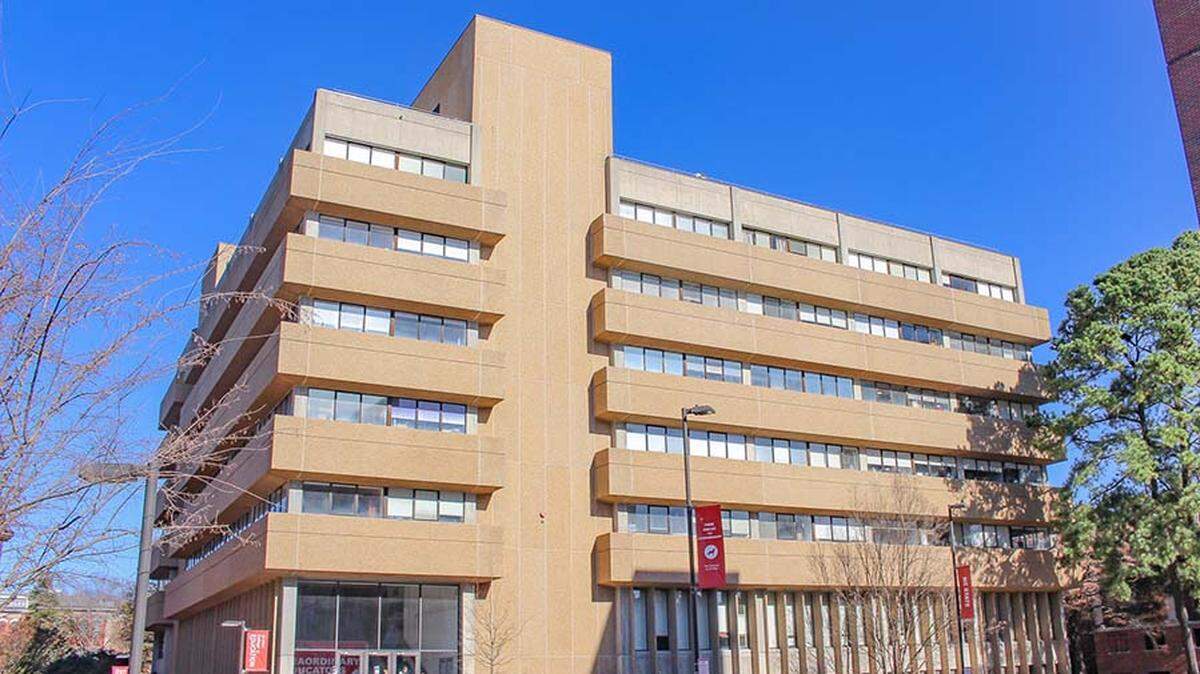
NC State University closed Poe Hall, home of the College of Education and Department of Psychology, in November 2023 after tests detected toxic chemicals. The university and federal health officials are studying the presence of toxic PCBs and potential health effects on those who were exposed to them. Here is ongoing coverage from The News & Observer.
Expand All
One of the many tests for toxic chemicals taken on the third floor of NC State University’s Poe Hall detected those contaminants at levels well above federal safety limits, said Sandy Alford.
“In my first semester at Poe Hall, I sat just a couple hundred feet away from where the test was taken,” said Alford, one of several former students and employees now suing the university.
“As a graduate student at NC State, I unknowingly ingested, inhaled and touched PCBs inside Poe Hall for approximately four years, and without my consent, I was poisoned by PCBs at extremely high levels,” Alford said at a news conference Thursday about the lawsuit.
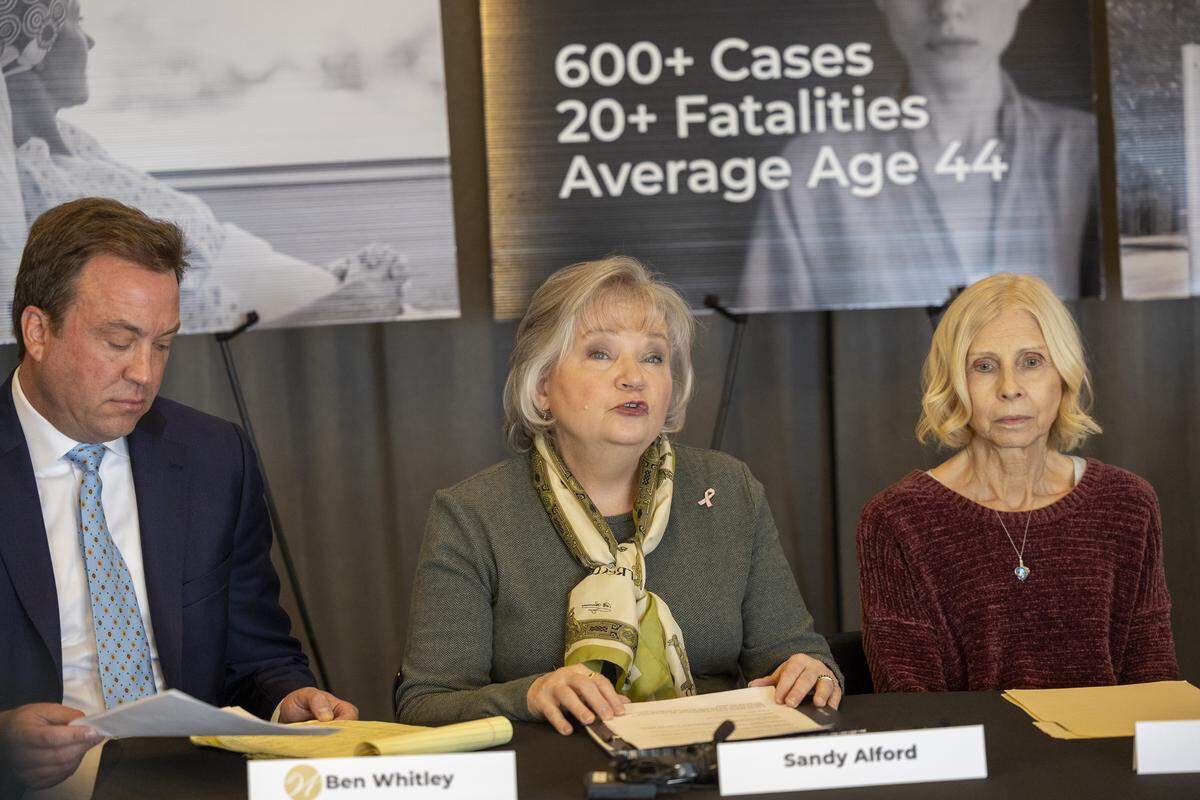
Alford is among 10 women and one man who developed breast cancer and who worked or studied at Poe Hall and who are suing NC State, alleging the university showed “deliberate indifference” to contamination by polychlorinated biphenyls. The lawsuit, filed in Wake County Superior Court, contends the school violated the plaintiffs’ fundamental right to bodily integrity under the North Carolina Constitution, The News & Observer previously reported.
More lawsuits are coming over the contamination, attorneys say.
David Kirby, who represents plaintiffs, told The N&O that more cases will be filed and that the lawsuits will be rolled out in groups, likely categorized by disease.
What happened at Poe Hall?
Poe Hall was constructed using materials that contained PCBs, a group of man-made chemicals banned in 1979 — eight years after the building was completed. While PCBs are no longer commercially produced, they can still be found in older transformers, electrical equipment, oil-based paint, plastics and other materials. Depending on the level of exposure, PCBs can affect the immune, reproductive and nervous systems and have been linked to cancer.
NC State shut down Poe Hall, which housed the university’s College of Education and psychology department, in late 2023 after complaints led to preliminary testing that showed the presence of PCBs. Subsequent testing found PCB levels throughout the building well above exposure limits established by the Environmental Protection Agency.
The university is suing Monsanto, alleging it manufactured the PCBs used in Poe Hall’s HVAC system. The National Institute for Occupational Safety and Health is conducting a study. NC State is planning a massive remediation and renovation of Poe Hall, including removal of the HVAC system and all interior and exterior walls.
Ben Whitley, an attorney representing plaintiffs, said on Thursday the university had known for decades that PCBs were present in Poe Hall through testing, EPA guidance and repeated complaints about air quality, but failed to act.
The lawsuit cites letters from staff as early as 2012 reporting concerns from faculty about air quality in Poe Hall. It also alleges NC State became “unquestionably aware” in 1991 of the presence of PCBs after testing of transformer oil confirmed “the presence of toxic contaminants within the building’s electrical system.”
The plaintiffs had hoped to resolve the matter without litigation and only filed suit after other efforts went nowhere, Whitley said.
“We believed that they would do the right thing. Our clients were part of Wolfpack Nation. They did not want to get to this point of having to file a lawsuit. We held off, hoping that we could reach a discussion, but it never happened,” he said.
The lawsuit is “about serious diagnoses that may have been preventable,” said Shelsey Hall, an attorney with Whitley’s firm. We’re demanding full transparency from NC State, the UNC Board of Governors and the UNC System.”
Bryan Brice, an environmental attorney representing the plaintiffs, said that “in my 30 years of environmental practice, the environmental catastrophe that has occurred in Poe Hall is the worst I’ve seen of a sick building causing human health effects to more than 600 clients, and counting.”

“This first filing are just a few of our clients,” Brice said, noting that many others are breast cancer survivors, including women who later had children who may also have been affected.
Civil trials can take up to two years to reach court.
Diagnosed with cancer while pregnant
Robert Glad’s wife died Jan. 19, 2024, after battling breast cancer for several years. She was 35.
Glad said he is speaking out “because my wife, Sarah, can’t be here.”
He said Sarah spent years studying in Poe Hall while completing undergraduate and graduate degrees in communications at NC State before the couple married in 2017.
In early 2022, Glad said, the couple learned they were expecting their first child, marking one of the happiest days of his life, he said.
Two months later, he said, she was diagnosed with an aggressive stage II breast cancer while four months pregnant. She underwent treatment that would not jeopardize the pregnancy and gave birth to a healthy son in August 2022.
One month later, Glad said, she suffered a seizure, and doctors discovered the cancer had spread to her brain and spine. Testing showed she did not have a genetic predisposition to cancer, he said.
“My wife continued to battle until January. She battled for 674 days. In that time, not only being a mom, she went through 46 chemotherapy treatments and 34 radiation treatments,” he said.
Glad said the evidence that has come out makes him frustrated.
“My wife and I bleed red and white. Tailgating is a part of our lifestyle. I haven’t been to a football game since she passed. But we love (the) Wolfpack. We both went to school there, and a piece of your DNA is taken away.”
Turning to advocacy
Alford said that during her first semester in Poe Hall, she developed a “very odd skin rash” that began as a severe, painful red patch and spread across her neck and face. Over the following years, she said, she began experiencing breathing difficulties, repeated respiratory infections, asthma, headaches, vertigo, fatigue and heart rhythm issues that doctors could not explain.
At 34, she said she was given steroid treatments and required a daily inhaler to breathe.
“I thought my symptoms were the result of doubling up on classes and taking extra assignments at work because of a job that I loved,” she said.
But in 2018, she said, her voice became hoarse and she had trouble swallowing. Her doctor ordered an ultrasound and found noncancerous nodules on both sides of her thyroid.
“On Nov. 18, 2021, I received the call. Ask any cancer patient about getting the call, and they will recall it vividly. The news was breast cancer,” she said.
After waking up from breast cancer surgery, she said she was told it was stage II cancer that had spread to her lymph nodes, requiring surgery, radiation and long-term oral chemotherapy. Genetic testing was negative, she said.
“Metastatic breast cancer will be a concern for me for the rest of my life,” she said.
In late 2025, she said she was not feeling well again and learned she had a rare pancreatic tumor unrelated to her breast cancer. Now 66, she said she has turned to advocacy.
“I’m now a community activist trying to get people to listen — to get my fellow citizens, fellow alumni and North Carolina leaders to wake up to the public health crisis that exists in Poe Hall,” she said.
She said that has included going to campus to warn students to stay away from parts of Poe Hall, including areas near a coffee shop adjacent to the building.
She said she has also tried to find others who may have been exposed to PCBs, including by reaching out to former classmates and colleagues and, in some cases, working with a funeral director to contact surviving family members.
“Every person I speak with, I coach them to contact their doctors to get the fact that they were exposed to high levels of PCBs into their medical records immediately,” she said.
Preventing future cases
For Glad, justice would mean the university taking accountability and steps to ensure others do not face what his wife had to.
“If she had known she was exposed, we would have been more proactive about getting tested more regularly,” he said. “I don’t want to see other people go through what we have gone through.”
“I don’t want to see a friend lose his wife at 35 years old and raise a child on his own,” Glad said. “I’m blessed to have my little boy, because he has my wife’s dimples, so I see a piece of her every day.”
Alford said she wants accountability and transparency from the university.
They need to “take accountability for what they knew, what they did, what they chose not to do, where they put their money and where they chose not to put their money,” she said.
NC State previously said in a statement to The N&O that, “For any member of the NC State community who has battled or succumbed to a serious illness, our hearts go out to them and their families.”
“This lawsuit is a continuation of actions stemming from complaints regarding Poe Hall. Responses to this legal action will be made through appropriate legal channels,” the statement says.
“Separately, NC State will continue to pursue accountability against Monsanto for damages from the PCBs it manufactured and furnished to construct Poe Hall. While the lawsuit against Monsanto continues, NC State will move forward with planning for remediation of the education building in order to get students, faculty and staff back to learning in an appropriate education environment in the heart of campus.”
Kirby said NC State has acknowledged that other campus buildings contain PCBs.

“One of the questions for the university and for its leadership is, what are you doing about those buildings?” Kirby said. “If buildings have been tested and have PCBs above EPA standards, why aren’t they being remediated? Why aren’t they being closed? What are you doing to keep students and faculty safe?”
WRAL has reported that records show at least 23 buildings on NC State’s campus have tested positive for PCBs in the past seven years, with some exceeding EPA limits. The station reported that five of those buildings were demolished and that when PCBs were suspected or discovered, the university either took or planned to take steps to address the contamination.
“The broader question for NC State and the university system is how they are reassuring parents and families across the state that public universities are safe places to learn,” Kirby said.
This story was originally published January 29, 2026 at 4:49 PM.