Wake and Raleigh schools merged 50 years ago. How the region still feels the impact
AI-generated summary reviewed by our newsroom.
- Raleigh City Schools and the old Wake County school system merged on July 1, 1976.
- Over 50 years, Wake grew from about 54,000 students to more than 160,000 students.
- Last school year Wake had a 64.4% proficiency rate, sixth among 115 districts.
READ MORE
50 years of Wake County Public Schools
On July 1, 1976, Raleigh City Schools and the old Wake County school system faded into the history books. Enter the unified Wake County Public School System, which 50 years later, is the biggest school system in North Carolina and the 14th largest nationally. But the district faces new challenges in 2026: both crowded schools and under-enrollment, plus major competition from other education options.
Expand All
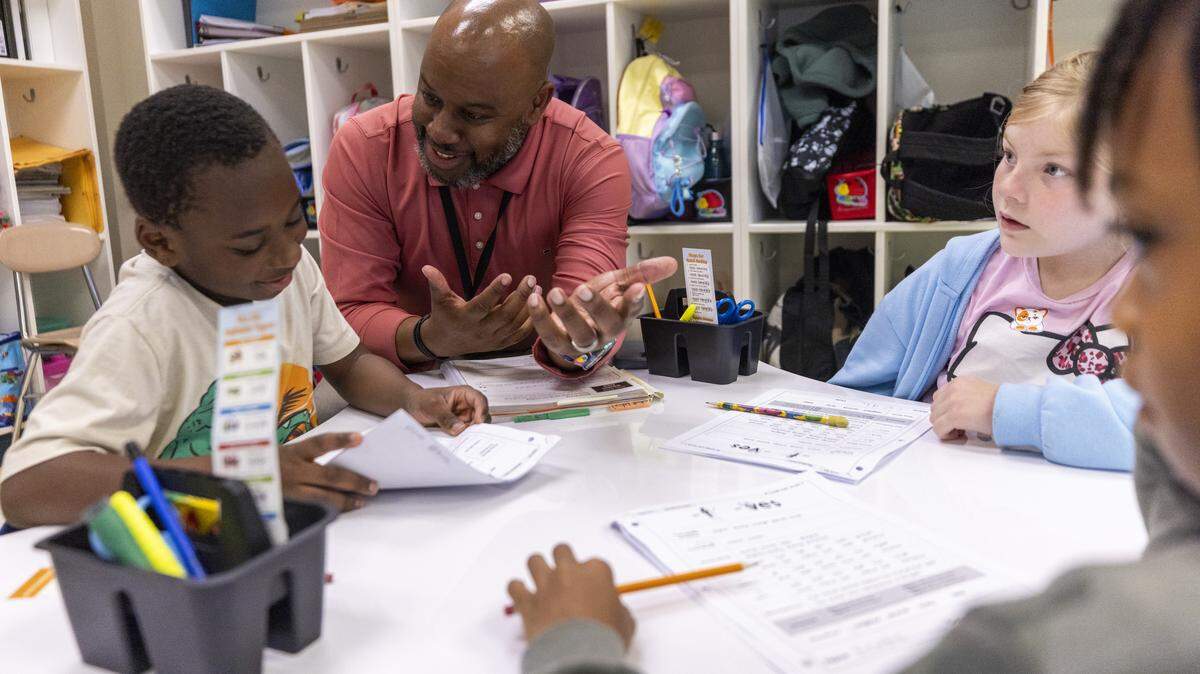
Wake and Raleigh schools merged 50 years ago. How the region still feels the impact

Wake has magnet schools not seen in smaller systems. But is the district too big?
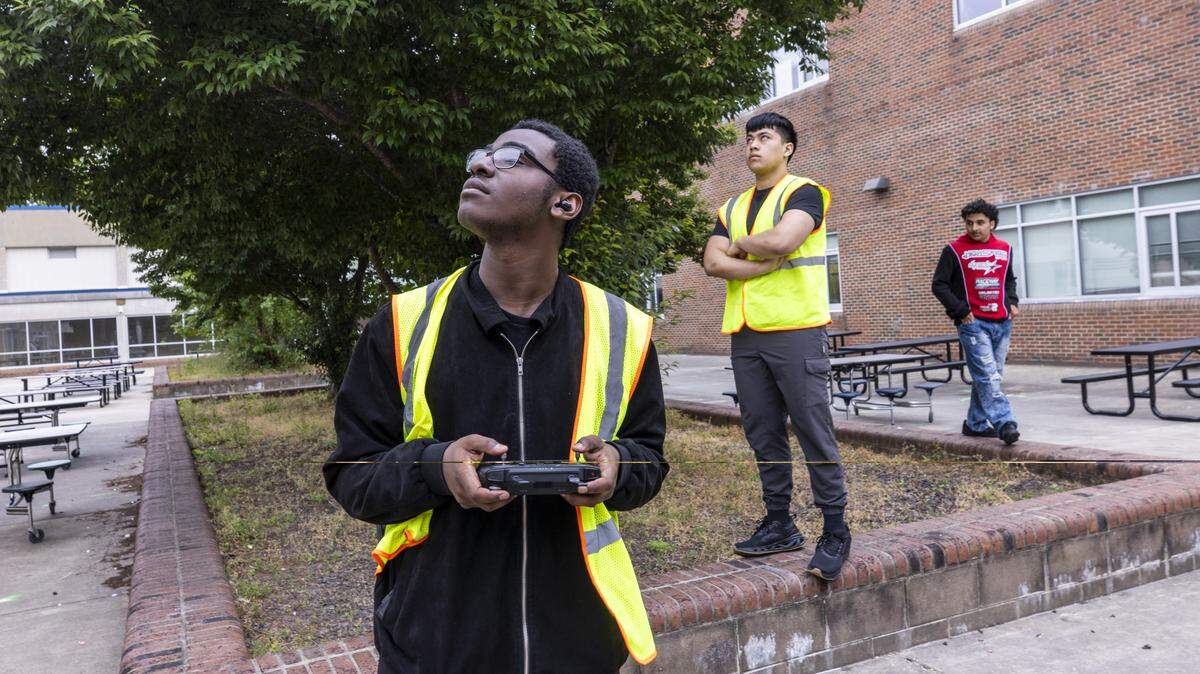
Is Wake losing the school choice battle? How the district competes for students
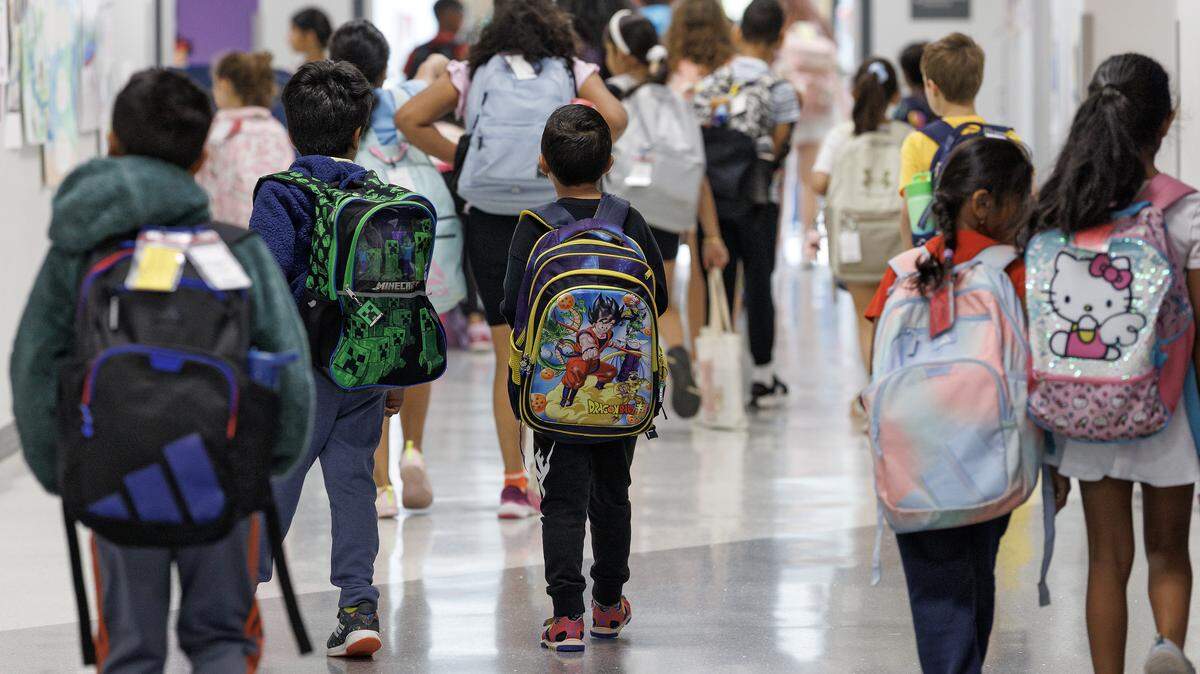
Wake’s student enrollment has dropped overall, but pockets of growth remain

Some Wake schools have empty seats. Can they persuade families to come back?
One of the nation’s largest school systems was born nearly 50 years ago in an act that continues to shape the future of Raleigh and the Triangle.
On July 1, 1976, Raleigh City Schools and the former Wake County school system faded into the history books. What replaced them is the unified Wake County Public School System that 50 years later is the biggest school system in North Carolina and the 14th largest nationally.
Wake school leaders will mark the 50th anniversary of the merger with a series of celebratory events over the next year. But the golden anniversary comes at a time when the school district faces significant challenges, including strained budgets, groups of hostile parents and increased competition.
“We’re one of the strongest districts across this country and in this state, and so people recognize the value of what we’ve done for the past 50 years,” Wake County Superintendent Robert Taylor said in an interview with The News & Observer. “What I want to stress to our community is that it’s even more important now that we continue to collaborate and come together to make sure we continue that rich tradition.”
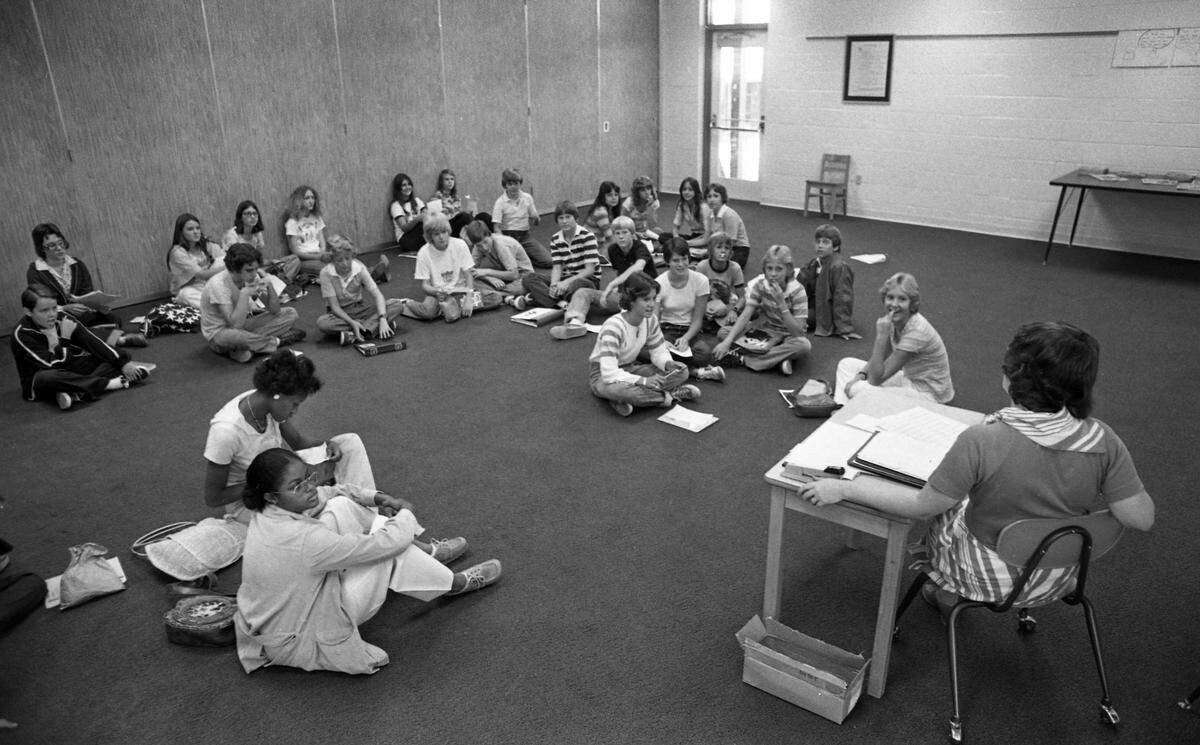
Overcoming opposition to school merger
It wasn’t a given that the merger would happen, according to retired educator Dudley Flood. In the 1970s, nearly 20 years after the U.S. Supreme Court ruled that racially segregated schools were illegal in Brown v. Board of Education, Flood traveled across North Carolina for the state Department of Public Instruction, helping communities integrate their public schools.
“Even in those years shortly thereafter, there were still echoes coming from disgruntled people saying, ‘We made a mistake, we should have stayed where we were,’” Flood said in an interview. “Even those who said we need to go back to the system that we had. But research would not affirm that. Research would affirm that the opportunities were greater.”
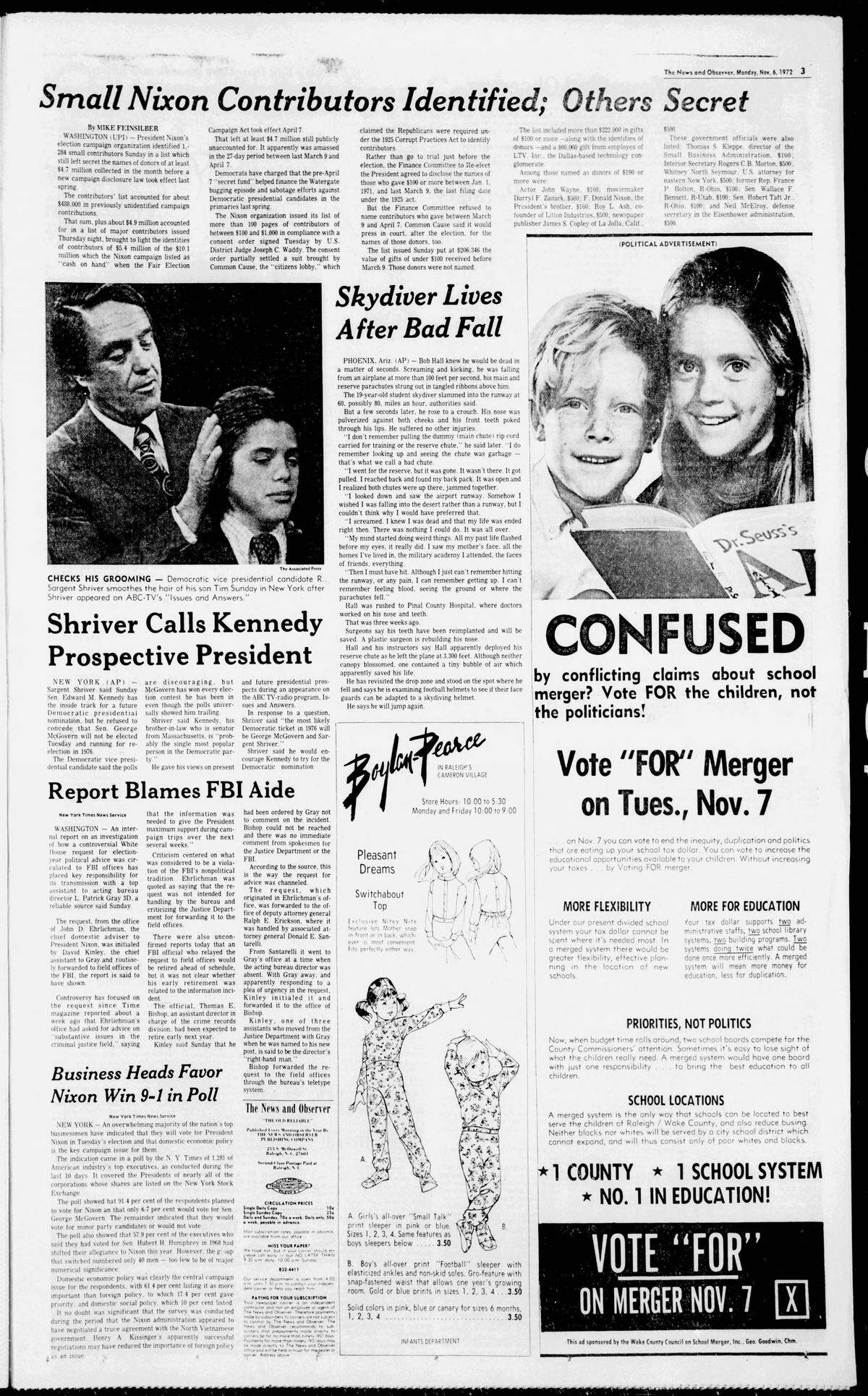
In 1973, voters overwhelmingly rejected a nonbinding referendum to merge the county and Raleigh school systems.
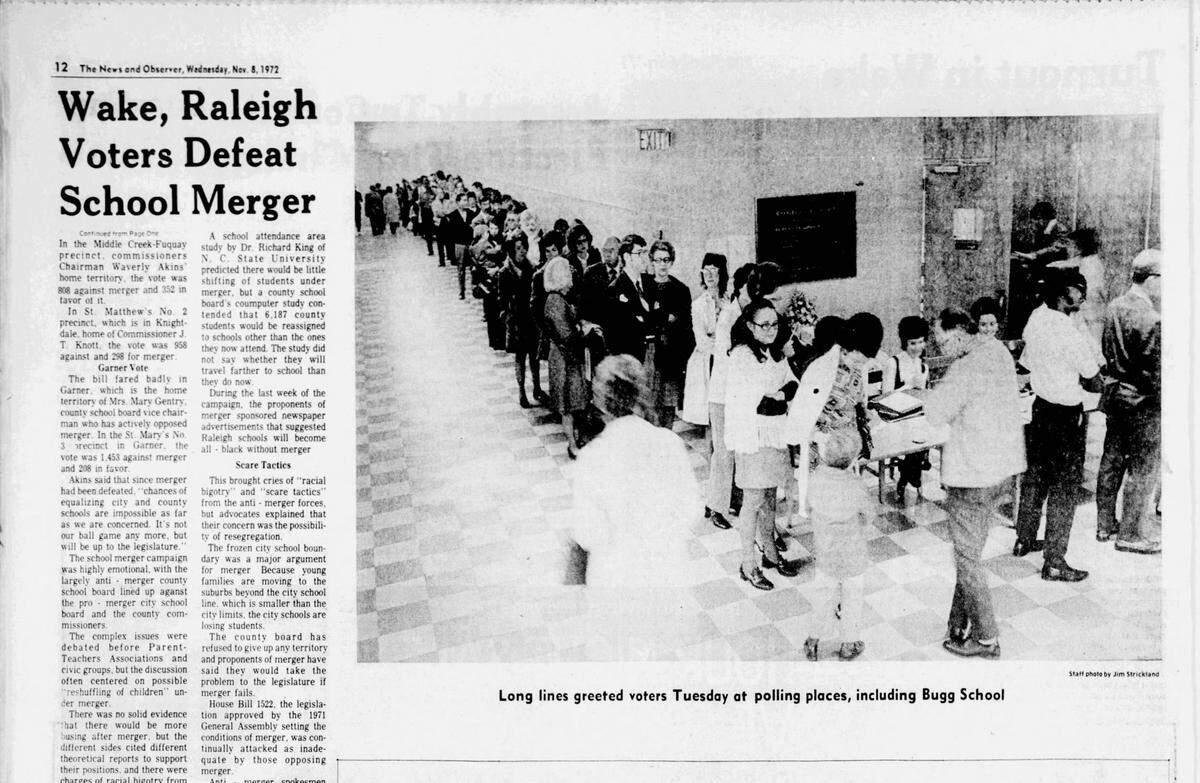
Undaunted, school, business and community leaders lobbied the General Assembly to pass legislation in 1975 allowing the merger. Supporters argued a merger would help Raleigh’s economy and schools, which were seeing an increase in Black enrollment as more white families opted for the county district.
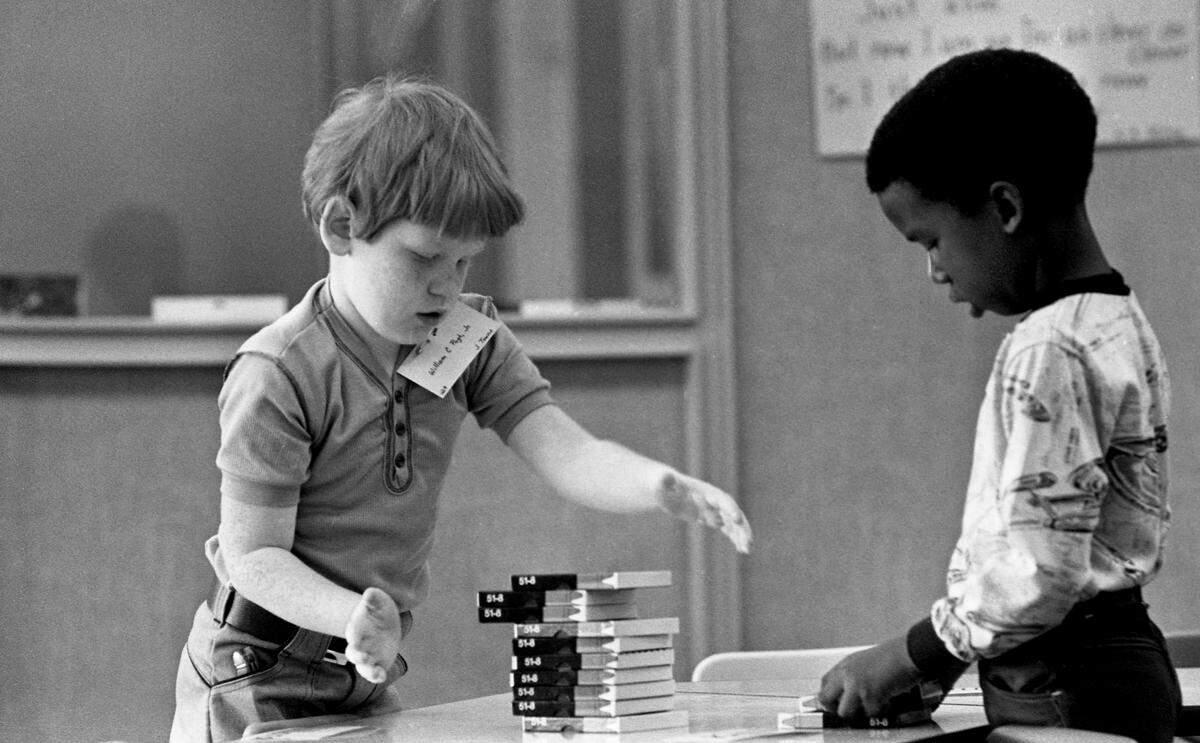
Former Wake Superintendent Bill McNeal was a social studies teacher at Carroll Junior High School in Raleigh in 1976. The merger made sense then, given how enrollments were declining in Raleigh while schools were bursting at the seams in the county, according to McNeal.
“I think 1976 was absolutely the ideal time to put that on the table, to bring the parties together and move with all deliberate speed,” McNeal said in an interview. “So I think without any reservation at all, it has worked out exceptionally well in Wake County.”
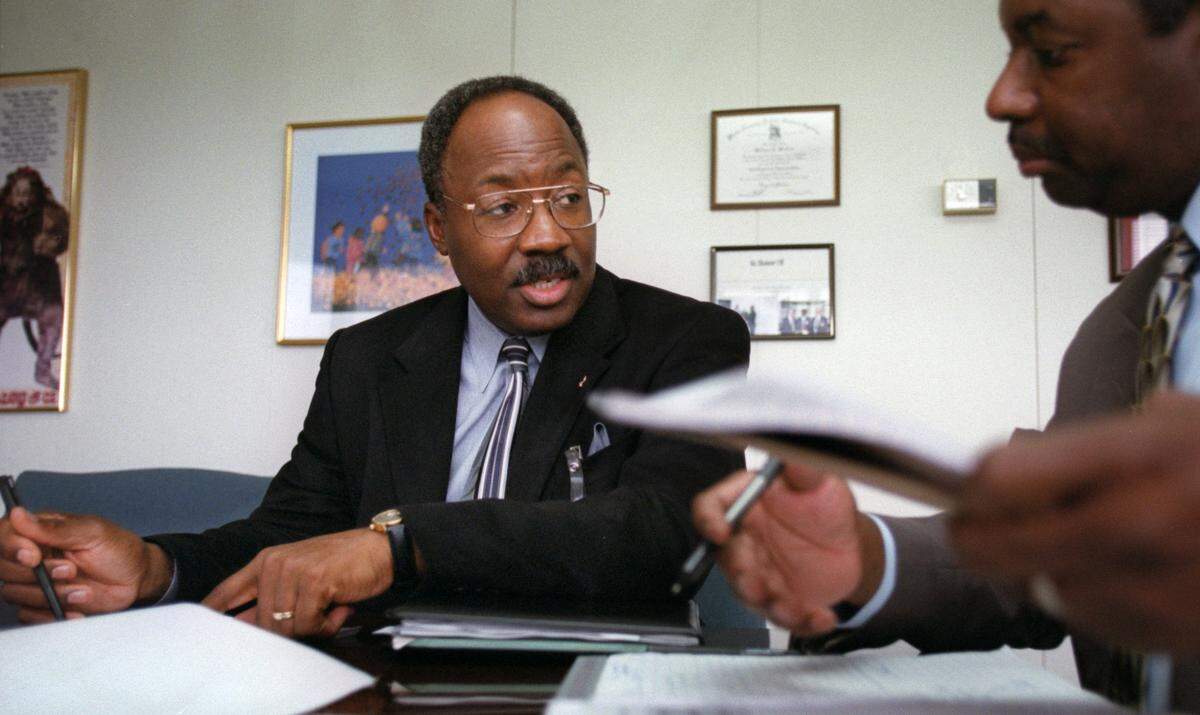
McNeal served as the superintendent of the merged district from 2000 to 2006. He was named National Superintendent of the Year in 2004.
A ‘beacon’ for other schools
Over the past 50 years, Wake has nearly tripled in size from 54,000 students to more than 160,000 students. During the height of Wake’s growth in the 2000s, the district routinely grew by more than 5,000 students a year.
Wake County has received national recognition, including a 2006 New York Times front page article about the district’s diversity efforts. That was a time when Wake involuntarily bused thousands of mostly Black students to diversify school enrollments, a practice that’s been scaled back amid bus driver shortages and calls to allow families to attend schools closer to where they live.
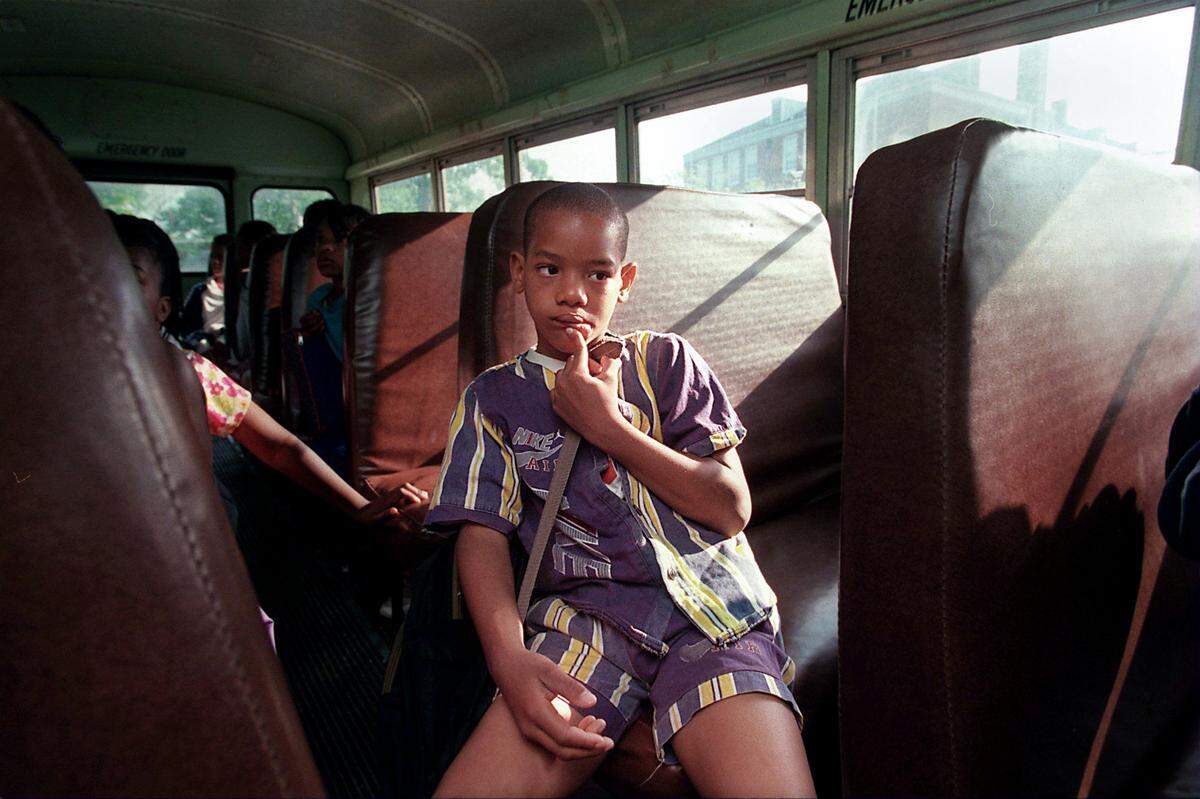
“To be able to integrate the school system — and to do so without tearing the community apart — took a lot of leadership, took a lot of vision,” said Keith Poston, president of the WakeEd Partnership, a business-backed school advocacy group, in an interview. “Wake County has grown and Wake County Schools have grown, and I don’t think those are separate.”
Wake’s signature program for promoting diversity is its magnet schools. More than 50 schools across the district offer unique programming in an effort to attract students from across the county.
“Wake County Public Schools has been one of the beacons that others have learned from across the nation,” McNeal said. “We are one of those districts in the nation that people look to and say, they did it right.”
‘I know we can do better’
The district has its share of critics, especially from conservative groups.
Becky Lew-Hobbs, chair of the Wake County chapter of Moms for Liberty, said the district is doing children a disservice if 80% to 90% of them aren’t performing at grade level.
.jpg "20220405112032_IMG_1505 (3).jpg")
“Ultimately, what is the purpose of a school system?” Lew-Hobbs said in an interview. “It is to provide a sound, basic education to children. When you look at the reading and the math scores, they’re not fantastic — average at best.”
Wake had the sixth-highest proficiency rate on state exams last school year among North Carolina’s 115 school districts. Wake’s 64.4% proficiency rate remains below pre-pandemic levels of 2019 but has been steadily improving.
Wake County’s test scores are higher than the national average, according to the latest findings of the Education Scorecard. Researchers at Stanford and Harvard universities and Dartmouth College also found that test scores and learning rates in Wake County were both improving over time.
Today, parents who are concerned with the county’s public schools have far more alternatives than they had in 1976. More than a quarter of Wake County’s children now attend charter schools, private schools or are homeschooled.

Amy Skorich, the PTA president of Apex Friendship Elementary School, said families need to stick with Wake and try to make things better by volunteering in their children’s schools.
“I know we can do better,” Skorich said in an interview. “I know that we have a lot of room for growth there, and I know a lot of that comes from funding from the state level. But you can’t get better if you don’t put yourself in it and try to make it better, too.”
News researcher David Raynor contributed to this article.
This story was originally published May 28, 2026 at 5:15 AM.