Fatal drug mix-up ends in guilty verdict for TN nurse. Here’s why some are concerned
The conviction of a former Tennessee nurse accused of giving a fatal dose of the wrong medication to a 75-year-old patient has sparked pushback among members of the medical community concerned that the criminal prosecution of such mistakes will prevent them from being reported in the future.
But prosecutors said the case against 38-year-old RaDonda Vaught was about a single nurse’s actions — not the entire medical community.
“The jury’s conviction of RaDonda Vaught was not an indictment against the nursing profession or the medical community,” the Office of the District Attorney General in Nashville told McClatchy News in a statement. “This case was, and always has been about the gross neglect by Radonda Vaught that caused the death of Charlene Murphey.”
A jury found Vaught guilty of criminally negligent homicide and gross neglect of an impaired adult on Friday, March 25, after a three-day trial, The Associated Press and Kaiser Health News reported. She was found not guilty of reckless homicide.
The charges date to an incident at Vanderbilt University Medical Center on Dec. 24, 2017.
Murphey had been hospitalized with a brain injury and was prescribed the sedative Versed before receiving a scan in a “large MRI-like machine,” Kaiser Health News reported. Vaught reportedly injected Murphey with the paralyzing drug vecuronium instead after overriding the computerized medication cabinet at the hospital and withdrawing the wrong medication.
Vaught took responsibility for the mistake and reported it immediately after, The Tennessean reported.
A Davidson County grand jury indicted Vaught in February 2019, according to the Tennessee Bureau of Investigation. But the family declined to pursue legal action, with Murphey’s son telling The Tennessean in 2019 that his mom would likely forgive Vaught.
“I know my mom well, and she would be very upset knowing that this lady may spend some of her life in prison,” Gary Murphey said. “She probably had a family, and it’s destroyed their life too.”
At trial, Vaught’s defense attorney said the hospital made her its scapegoat instead of addressing the systems in place that led to Murphey’s death.
Terry Bosen, pharmacy medication safety officer at Vanderbilt, said during the trial that the hospital’s medication cabinets were having technical problems in 2017 but that they were fixed weeks before Vaught was accused of grabbing the wrong medication, Kaiser Health News reported.
A slew of nurses, many of them wearing scrubs, attended to show support for Vaught, according to media accounts. She addressed them after the verdict was reached.
“I don’t think that the takeaway message here is not to be honest and truthful,” Vaught said, The Tennessean reported. “You just, you guys do what you do. Do it well. Don’t let this defeat you mentally. Keep your standards.”
But many in the medical profession have expressed their doubts about the effects of the verdict.
The American Nurses Association issued two statements on Vaught’s case, the first of which stated that nurses are “already exhausted and overwhelmed” and that criminalizing medical mistakes could “have a chilling effect on reporting and process improvement.“
Once the verdict was announced, the ANA said it was “deeply distressed.”
“Health care delivery is highly complex,” the association said. “It is inevitable that mistakes will happen, and systems will fail. It is completely unrealistic to think otherwise. The criminalization of medical errors is unnerving, and this verdict sets into motion a dangerous precedent.”
The American Organization for Nursing Leadership echoed those concerns, saying “we cannot punish our way to safer medical practices.”
“We must instead encourage nurses and physicians to report errors so we can identify strategies to make sure they don’t happen again,” the organization said.
Show Me Your Stethoscope, a nonprofit advocating for nurses, said “the entire future of nursing is under a direct threat with this verdict.”
“What RaDonda Vaught’s conviction means is if a nurse makes a medication error, rather than this being an administrative issue as it has been for decades, nurses can face criminal charges such as neglect, assault, and homicide,” the nonprofit said in a Facebook post. “Nurses will have to decide, if/when they make a medication error, are they going to be honest about it, knowing they can face criminal charges?”
On #NurseTwitter, dozens of users lamented the case as “bad for safety” and setting a “terrifying precedent.” Other nurses spoke of the burden they face when hospitals are short-staffed and the “corrupt” processes that allow them take the fall for organizational failures.
The district attorney’s office, however, has said Murphey’s death was not the result of a “singular or momentary mistake” but the culmination of “17 egregious actions, and inactions, that killed an elderly woman.”
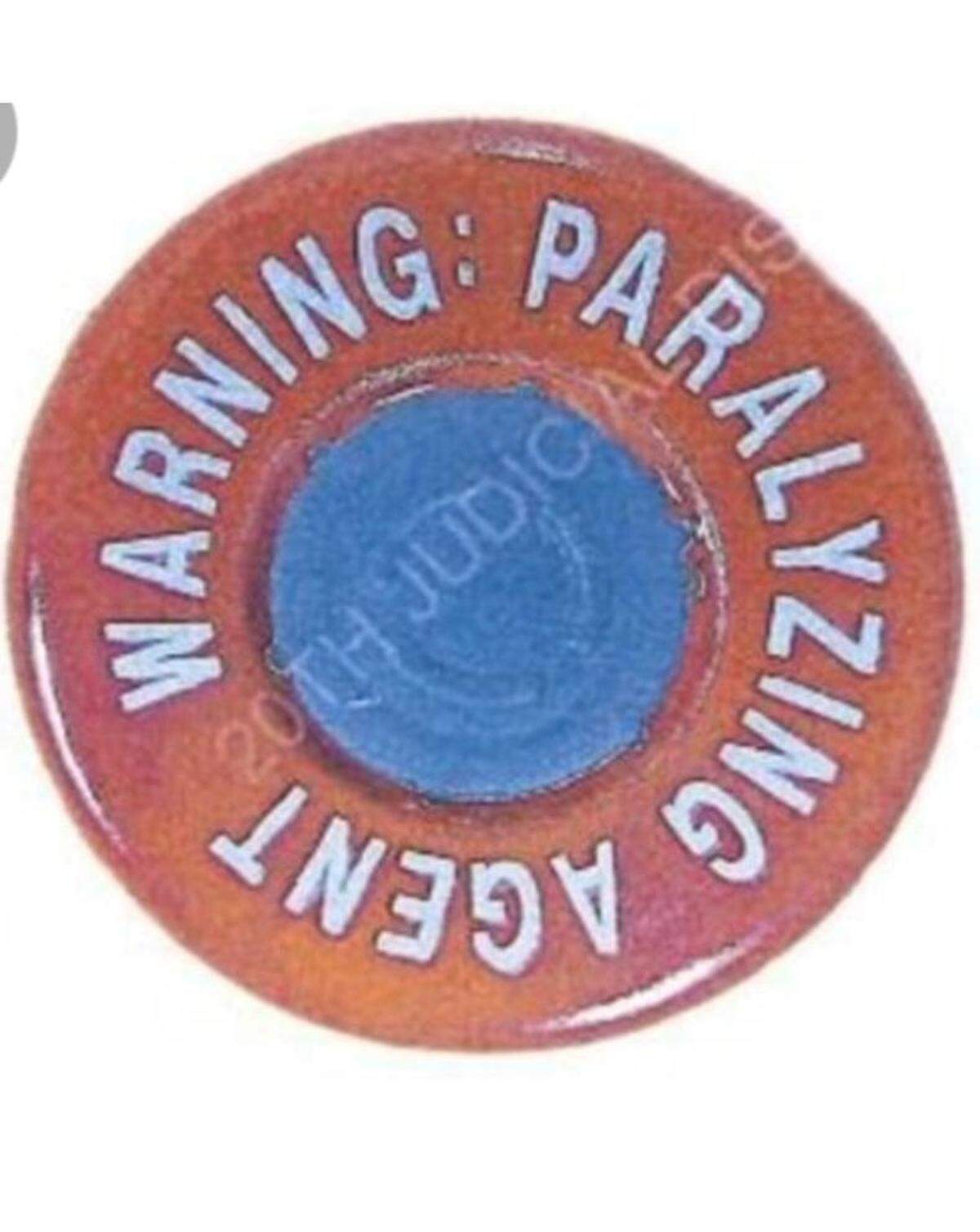
Those actions reportedly included failing to search for the right drug in the medicine cabinet, overriding the computer, failing to type the right medication name, not reading the computer screen, ignoring the words “Warning: Paralyzing Agent” on the vial cap at least three times and leaving the patient unsupervised after administering the drug.
Prosecutors also shared a picture of the red and blue cap with the warning label that was on the medication Vaught gave Murphey.
“Multiple health care professionals were on the jury. The jury found a series of decisions were made by Vaught to ignore her nursing training, and instead, failed to adhere to safety protocols that proved to be fatal,” the DA’s office said in a statement. “The jury felt this level of care was so far below the proper standard of a reasonable and prudent nurse that the verdict was justified.”
Vaught is scheduled to be sentenced May 13. She faces between three and six years in prison on the neglect charge and one to two years for the criminally negligent homicide conviction, The Associated Press reported.
A Change.org petition calling for her clemency had more than 90,000 signatures as of the evening of Monday, March 28. Vaught has also urged supporters to write hand-written letters to the judge before her sentencing hearing, which she said is slated to take place during Nurses Week, according to Show Me Your Stethoscope.
This story was originally published March 28, 2022 at 6:44 PM with the headline "Fatal drug mix-up ends in guilty verdict for TN nurse. Here’s why some are concerned."