
‘People can die.’ Staffing crisis endangers thousands inside NC nursing homes

A nationwide struggle to hire and retain caregivers is causing North Carolina nursing homes to reach a crisis point — a trend that endangers thousands of residents, our investigation has found. An influx of for-profit nursing homes and fewer regulations during the pandemic are compounding the crisis. So what should families do to protect their loved ones?
- Part 1: ‘People can die.’ Staffing crisis endangers thousands inside NC nursing homes
- Part 2: Do some for-profit NC nursing homes cut corners on staffing and quality?
- Part 3: Need to find a high-quality nursing home in North Carolina? Here are some tips
- Part 4: At the worst time, North Carolina nursing home residents lost key protections
- Part 5: She didn’t have to die, her son says. Was short-staffed nursing home to blame?
- Part 6: Troubled NC nursing home failed to protect residents from abuse, investigation finds
- Part 7: ‘You just can’t give good care.’ Nursing home aides struggle with daunting caseloads
- Part 8: ‘Outside the box’ solutions helped this nursing home excel, despite staffing challenges
- Tell us your thoughts: What have you experienced or witnessed inside NC nursing homes?
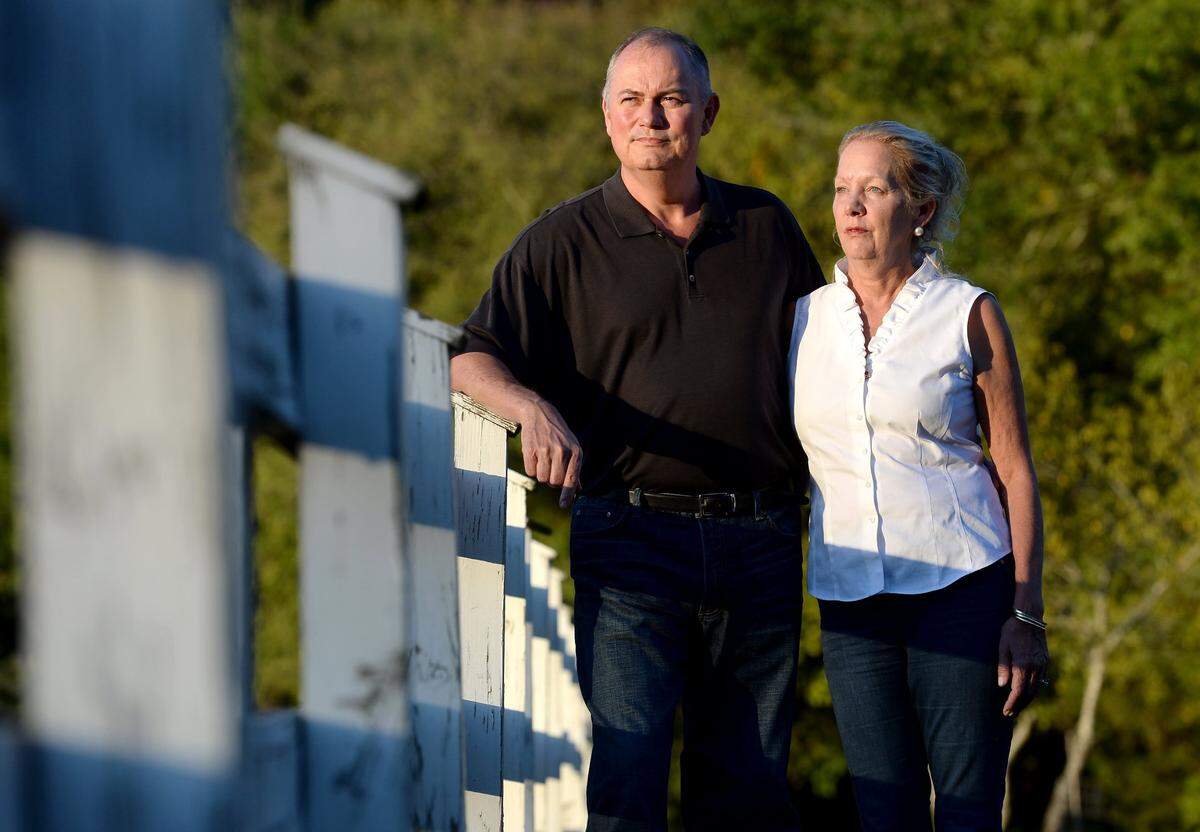
At the single-story Charlotte nursing home where her mother lived, Monica Miller recalls days when she found only two nurse aides on duty to care for more than 70 residents.
Her quadriplegic mother, 78-year-old Naomi Brewer, was often left lying in soiled diapers for hours, she said. That, she believes, led to repeated urinary tract infections — and repeated trips to the hospital.
In late 2020, an alarmed member of the home’s cleaning staff — not a nurse or nurse aide — called Miller to alert her that her mother had been vomiting for hours, with no one there to help her.
Months later, Brewer died from complications that her daughter says resulted from a fecal impaction, a hardened mass of stool in her colon.
Someone at the nursing home should have discovered that far earlier — and possibly saved her life, her daughter said.
Today, Miller’s husband, Mark, has five words of advice for those seeking a nursing home: “Don’t go to North Carolina.”
Staff shortages inside North Carolina nursing homes have reached a crisis point — a trend that endangers thousands of residents, a Charlotte Observer investigation has found.
Family members contend that it has cost some their lives.
Nursing homes nationwide are struggling to hire and hold on to caregivers, especially nurse aides, the front line caregivers.
But few states have problems as severe as North Carolina’s. Dozens of interviews and extensive analysis of federal data reveal:
▪ Only about one of every five North Carolina nursing homes meet the staffing threshold recommended by a landmark federal study, compared to one out of every four homes nationally. That helps explain why nursing homes here log lower average quality scores than 43 other states.
▪ Most states require minimum staffing ratios for nursing homes. North Carolina isn’t among them. That allows homes here to operate with minimal staffing.
▪ The pandemic worsened an already severe problem. Thousands of employees left low-paying nursing home jobs over the past two years — some because they felt overworked and underpaid, others due to job stress, sickness or fear of getting sick.
▪ North Carolina lawmakers and federal regulators removed key protections for residents during the pandemic by sharply curtailing inspections and shielding homes from COVID-19-related lawsuits. A federal policy banning family visits during much of 2020 further reduced oversight.
▪ For-profit companies lag nonprofits on staffing and overall performance. More than 80% of the state’s nursing homes are for-profits, a higher-than-average percentage.
Sufficient staffing is fundamental to good nursing home care, repeated studies have found. Without it, medically fragile residents can become dangerously dehydrated, miss crucial heart medications and develop life-threatening infections. They can push their call bells, but wait hours before getting help.
“People can die as a result of the poor care that comes with poor staffing,” said Bill Lamb, a board member and former chair of Friends of Residents in Long Term Care, a North Carolina group that advocates for nursing home residents and their families.
Industry leaders contend the state’s nursing home residents continue to receive good care. But they acknowledge the staffing crisis. In North Carolina, they’re responding by raising wages, paying more overtime, limiting admissions and using temporary nurse aides, among other steps, they say.
They say the problem is largely rooted in this state’s low rate of Medicaid reimbursement for nursing home care — which they say limits what nursing homes can afford to pay employees.
If nothing changes, staffing challenges will only get worse as North Carolina’s fast-growing population ages, they say.
Ted Goins, president of nonprofit Lutheran Services Carolinas, said the eight nonprofit nursing homes run by his organization are weathering the workforce challenges better than some, but adds:
“The reality is that a shortage of staff translates into a shortage of care.”
‘Seniors deserve better’
Nursing homes are licensed to provide skilled, round-the-clock nursing care to residents unable to care for themselves. Most of their funding comes from state and federal tax dollars. Among the roughly 34,000 who live in North Carolina’s nursing homes, many suffer from dementia or from injuries and chronic illnesses that limit their mobility. Most are elderly.
And all are vulnerable.
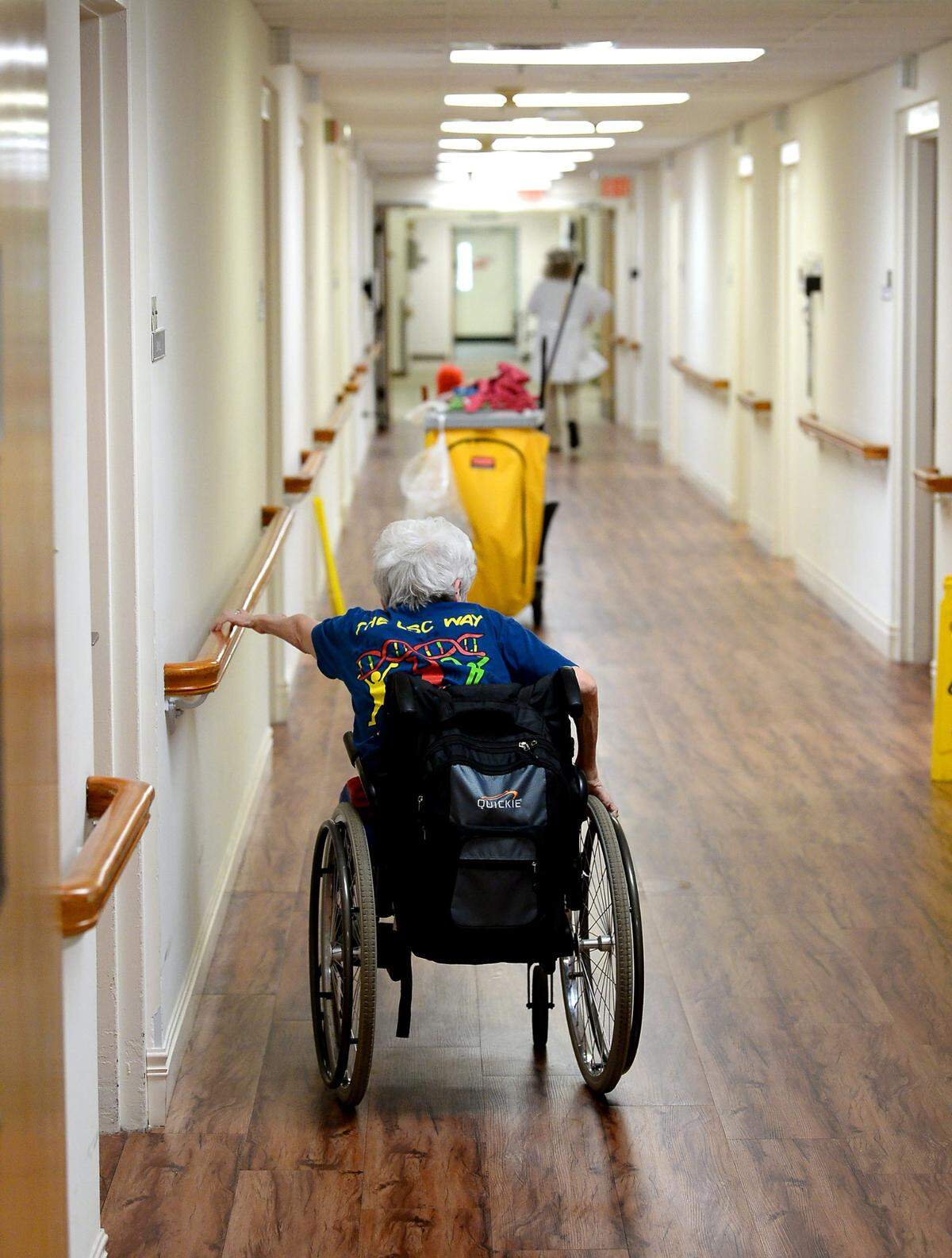
A recent tragedy at a short-staffed nursing home in Thomasville made plain how much is at stake. During a winter storm in January, a resident at for-profit Pine Ridge Health and Rehabilitation Center called 911 for help. When officers responded, they found two patients dead and two in critical condition in the nursing home.
They also found mayhem: crying residents who’d gone without meals and medications; an exhausted nurse aide who suffered a panic attack; and unattended patients in the dementia unit. Just three staff members were there to care for 98 residents, police said.
The nursing home has said it is “working diligently” to ensure residents get the care they need, and that the deaths were unrelated to staffing that day. While silent on that topic, state inspectors cited the facility for putting residents in “immediate jeopardy.”
Most people who suffer inside nursing homes never make headlines. But heart-wrenching stories abound.
Marilynn Lester says she witnessed how lapses in care can turn dangerous.
Her mother Ruth once volunteered with groups that helped victims of domestic violence and those suffering from mental illness. A mother of seven, Ruth loved to garden, read and sing in the church choir. But after a cardiac arrest damaged her brain in 2018, she moved into Autumn Care of Cornelius.
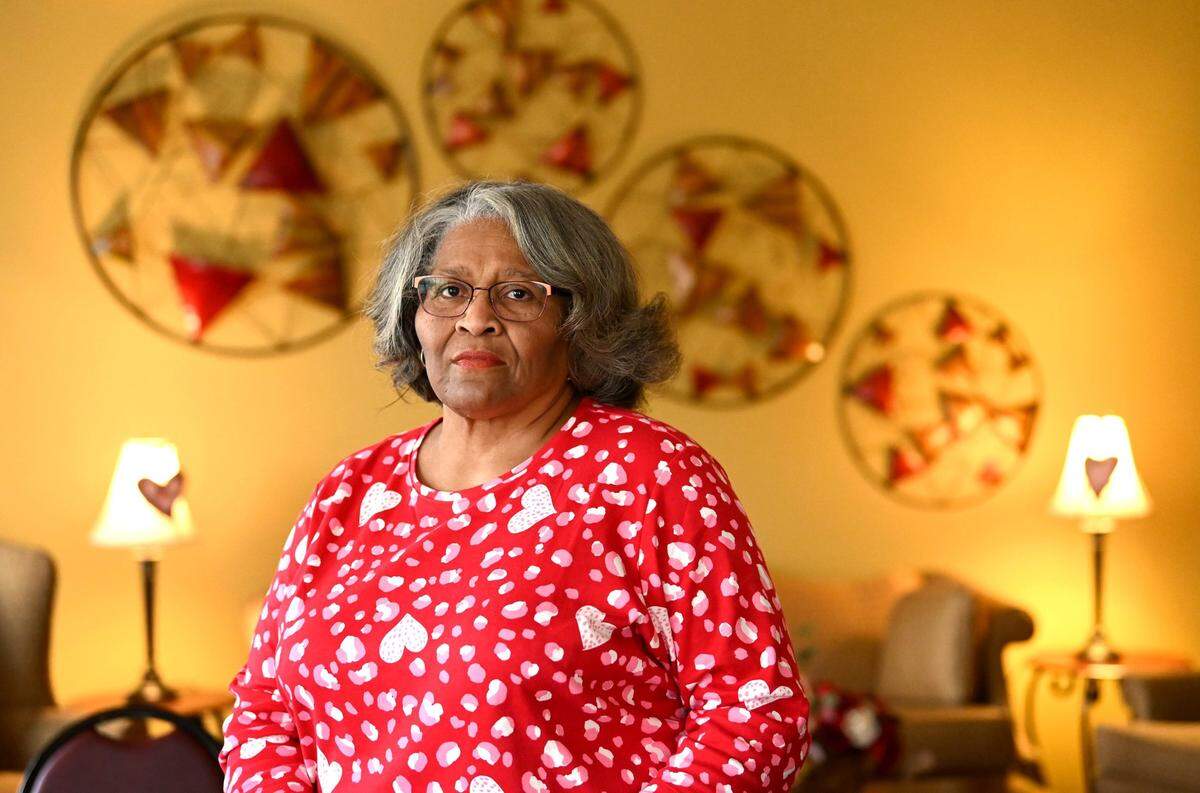
On good days, the facility had eight CNA’s on staff to care for roughly 85 residents, Lester said. But on many other days, the home had half that number, she and two of the home’s former caregivers said.
That meant it was often close to midnight by the time Ruth Lester got her medications. There often weren’t enough nurse aides to get residents promptly out of their beds or into clean adult diapers, Lester said.
“The people would be sitting there in urine and feces,” Lester said. “That’s what happened to Mom.”
Ruth Lester was hospitalized three times for urinary tract infections. Her daughter blames that on the nursing home’s failure to change her promptly.
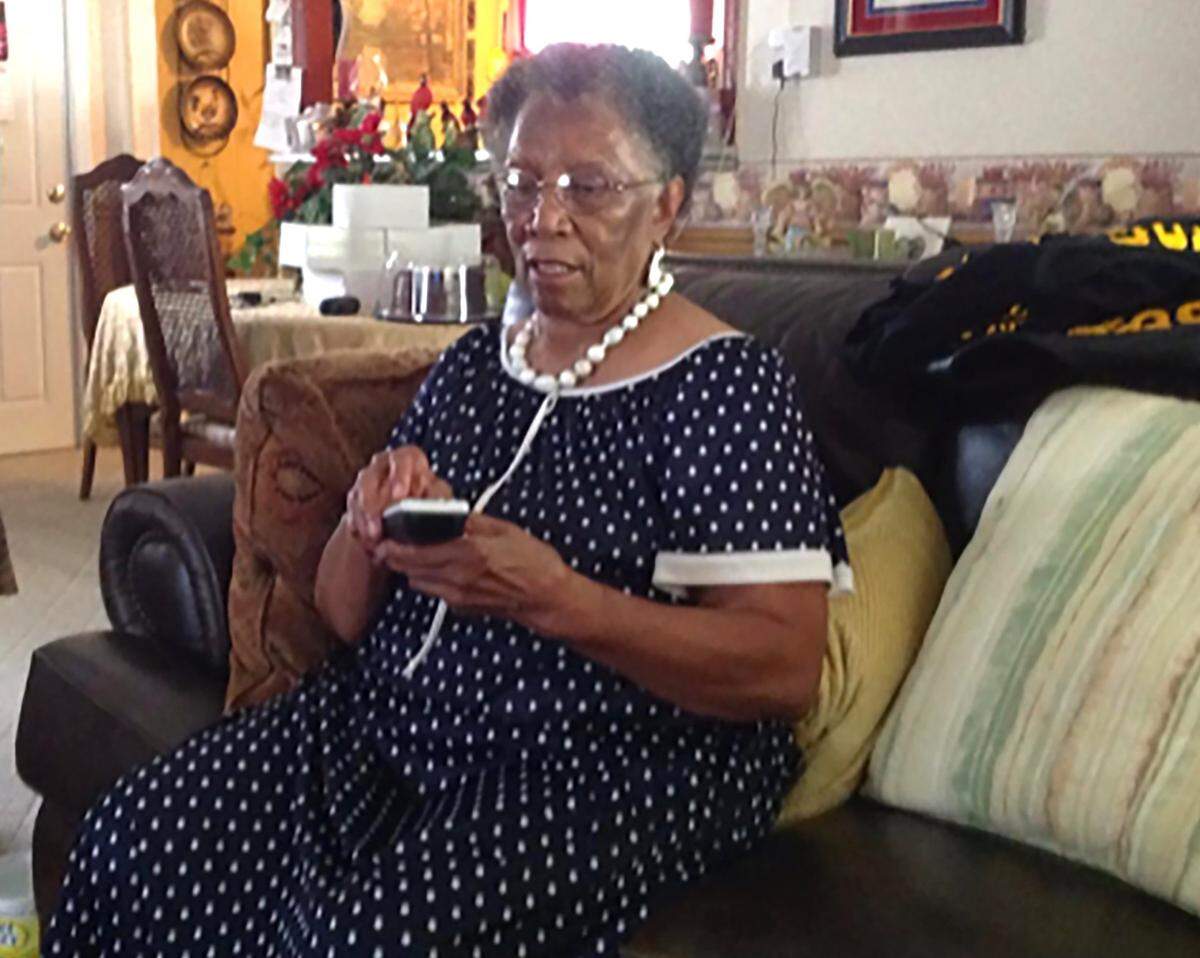
A February 2020 state inspection report found basic care lacking for another resident at Autumn Care. A cognitively impaired resident there was left in a flannel shirt and no pants for days. When a nurse aide removed a badly soiled adult diaper from the woman, an inspector saw a cloth beneath her was wet and stained.
The aide said she was “overwhelmed, and it was not fair to the residents.”
The pandemic claimed the lives of at least 20 residents at the nursing home in 2020. Ruth Lester, dependent on a feeding tube for food and liquid, survived coronavirus outbreaks.
But in July 2020, she was hospitalized for life-threatening dehydration. How did that happen? Lester suspects the feeding tube machinery became unplugged — and that no one at the home noticed it.
Autumn Care of Cornelius, a for-profit nursing home owned by Ohio-based Saber Healthcare, currently earns just one star in the federal government’s five-star rating system for nursing homes. It gets two stars for staffing — also below the national average.
Lester was so troubled by the staffing shortages that she relied on family, friends and paid sitters to help care for her mother at the nursing home. Whenever possible, Lester would also go there to monitor her care.
In the end, not even that was enough.
After being treated at the hospital for a urinary tract infection, Ruth Lester was released back to the nursing home on Nov. 2, 2021, with instructions that she complete a course of antibiotics and receive any follow-up care needed to clear up the infection.
Eight days later, Ruth Lester died. She was 87.
Lester ordered an autopsy, which concluded that she died of sepsis, a complication from infections. Lester said she believes nursing home staff didn’t do adequate follow-up care to ensure the infection cleared up.
The administrator at Autumn Care of Cornelius did not respond to multiple requests for comment.
In early 2021, Lester emailed all 170 lawmakers in North Carolina to make them aware of problems inside nursing homes.
“I don’t believe I should have to do this,” she said. “Our seniors deserve better.”
NC rejects minimum staffing rules
In 2001, the U.S. Department of Health and Human Services released a report recommending minimum staffing ratios for nursing homes. That study concluded that the quality of care is compromised if a nursing home provides less than 4.1 hours of total nursing staff time — including both CNAs and licensed nurses — per resident each day.
Today, about 80% of North Carolina nursing homes fail to meet that staffing benchmark.
More than 30 states — including South Carolina, Tennessee, Georgia and West Virginia — require nursing homes to meet minimum staffing ratios, according to a study by Consumer Voice, a national group that advocates for residents in long-term care.
But North Carolina does not.
This state merely requires nursing homes to have one licensed nurse on duty at all times, to have one registered nurse working at least eight consecutive hours each day, and to have enough staff to “attain or maintain the physical, mental, and psychosocial well-being of each patient.”
“That, from our perspective, really jeopardizes resident safety,” says Robyn Grant, director of public policy and advocacy for Consumer Voice. “There’s nothing to hold them back from staffing to the bone.”
The federal government has not set minimum staffing ratios either, but that may change. During his March 1 State of the Union address, President Biden said he wants to set higher nursing home standards. The federal Centers for Medicare and Medicaid Services will propose minimum staffing standards within a year, the White House said.
Nursing home leaders are pushing back. They want to hire more caregivers but are foiled by a shortage of available workers and revenue, they say. Medicaid, the program that covers more than 60% of nursing home stays nationally, pays them too little, they argue.
North Carolina nursing home leaders also oppose government-mandated staffing ratios. Facilities face regulatory consequences if they fail to meet the needs of residents, said Adam Sholar, president of the North Carolina Health Care Facilities Association, the group that represents most of the state’s 425 nursing homes.
“A one-size fits all approach doesn’t speak to the individual care needs of the resident,” Sholar told the Observer. “We have to acknowledge that different facilities have residents who require different levels of care.”
The nursing home association said in a statement that if all homes were required to meet the level of staffing recommended by the 2001 report, they would need to discharge more than 4,000 residents or hire enough caregivers to cover nearly 800,000 shifts a year — a step that it says isn’t financially feasible.
But Charles Keller, like others whose family members have suffered inside nursing homes, says North Carolina clearly needs minimum staffing requirements.
On Oct. 15, Keller’s mother was admitted to Capital Nursing and Rehabilitation Center, a Raleigh facility with below-average federal ratings for staffing and overall performance. One Sunday morning a few weeks later, his ordinarily cogent mother called, panicked and hallucinating. She was out on a ledge, she told him, but couldn’t jump because it was too high.
Keller called a nurse at the home, which collected a urine sample from his mother — but never tested it for bacteria, he said. A new sample collected five days later revealed a urinary tract infection, a condition that can cause delirium in older people. Keller suspects that happened because his mother was often left to lie in soiled diapers for long periods.
Early the following morning, the nursing home called Keller to alert him that his mother had been transported to WakeMed because her heart rate was very high.
Keller rushed there and found his mother in awful shape — sweaty, incoherent and hallucinating again. A doctor asked if she had a do-not-resuscitate order in place.
“I didn’t think she was going to make it,” Keller said, his voice quavering.
A doctor diagnosed her with sepsis and put her on a strong antibiotic. Today, she’s back at the nursing home and doing better. But she still complains that she often has to wait hours for help getting in and out of her wheelchair, Keller said.
Nurse aides will sometimes tell his mother: “I’m sorry it’s taken so long. But I’m helping 18 or 19 other people today,” Keller said. Recently, he said, he found one CNA trying to care for 27 residents at the home.
The nursing home’s administrator, Hawley Hunt, declined to discuss Keller’s allegations. In a written statement, Capital Nursing acknowledged that nursing homes are facing “unprecedented” staffing challenges. Despite that, the statement said, “the nursing home’s staff is deeply committed to ensuring the safety and well-being of the residents.”
Why are things so dire?
For years, low pay and sometimes grueling work conditions have made it difficult for nursing homes to attract and retain caregivers.
While pay for some rose during the pandemic, most certified nursing assistants in North Carolina still earn less than $16 an hour.
Wages are so low that 37% of CNAs in North Carolina nursing homes rely on some form of public assistance, such as food stamps or Medicaid, according to an analysis of Census data by PHI, a New York-based nonprofit pushing for good jobs and high quality in long-term care.
Charlotte resident Diondre Clarke, who has worked as a CNA in North Carolina nursing homes since 2013, said some nurse aides work two or three jobs to make ends meet. That’s tough given the sometimes exhausting demands of nursing home care.
A nurse aide can give good care to five to eight residents in a shift, Clarke said. But at some homes, she said, she has been asked to care for 15 residents.
When staff members are that busy, “somebody’s getting neglected,” she said. “Somebody’s not getting fed. Somebody’s going to sit longer in their mess.”
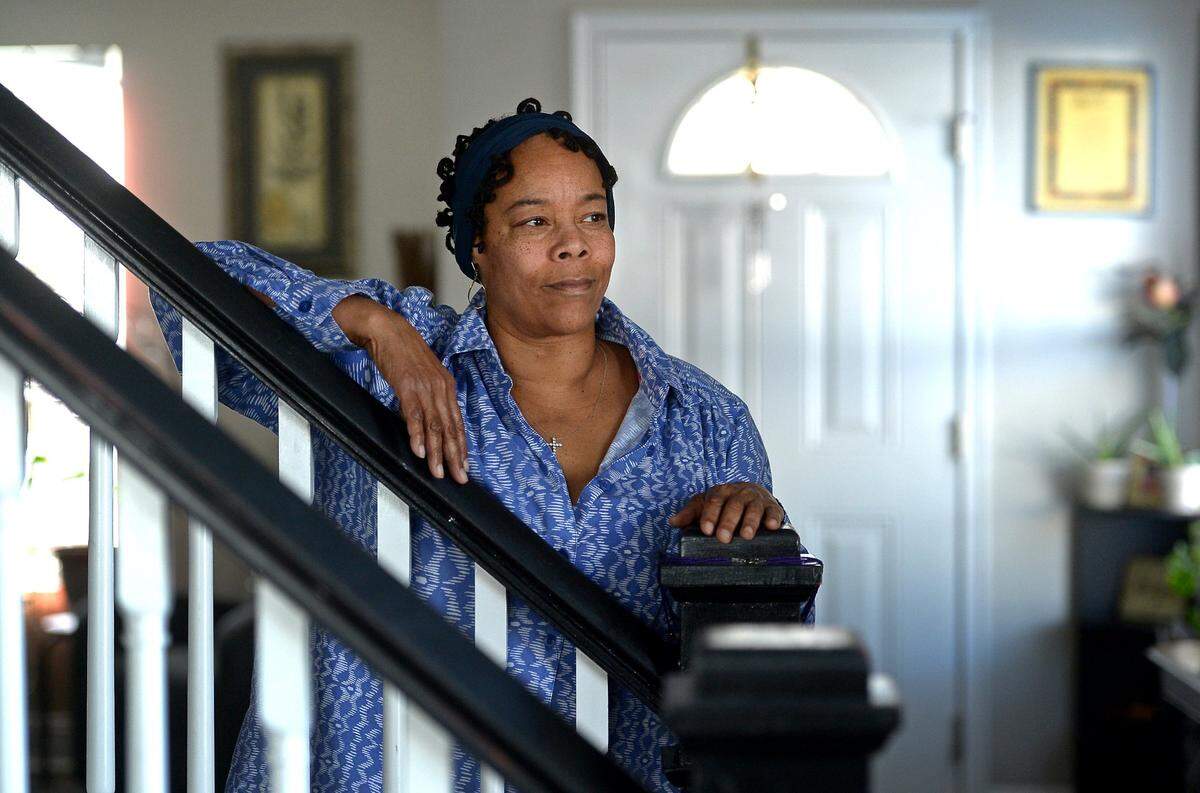
Sholar, the nursing home association leader, acknowledges homes pay too little to attract sufficient numbers of workers.
“And it’s really, really not high enough for what we’re going to need over the next two decades,” Sholar said.
The number of North Carolinians over the age of 80 is expected to double by 2039, the state budget office projects. And within a decade, nursing homes and assisted living facilities in the state will need roughly 27% more registered nurses in order to meet demand, the UNC Sheps Center forecasts.
“The way things are currently set up, I’m really ...,” Sholar said, pausing for a moment “Frightened is not too strong of a word.”
(What have you experienced or witnessed inside NC nursing homes? Let us know.)
COVID-19 made shortages worse
Nowhere did the pandemic strike harder in North Carolina than inside nursing homes. More than 4,800 nursing home residents here — roughly one of every 10 — died from COVID-19 since the pandemic began, state data shows.
There were more than nine cases of COVID-19 for every 10 nursing home residents in North Carolina — a higher rate than nursing homes nationwide.
Many nursing home workers contracted COVID-19, too. Others quit for fear of putting themselves and their families at risk.
When some facilities had outbreaks, “literally half the workforce wouldn’t show up,” according to Lamb, of Friends of Residents in Long Term Care.
North Carolina nursing and residential care facilities have lost more than 13,000 employees since February 2020 — a drop of more than 14%, the U.S. Bureau of Labor Statistics estimates.
As they wrestled with staffing shortages, nursing homes found it more difficult to put in place crucial infection control measures, a national expert on nursing home staffing and quality has found.
“So many of these deaths and infections could have been prevented,” said Charlene Harrington, a professor emerita at the University of California, San Francisco.
A scramble for solutions
North Carolina nursing home leaders say they are doing what they can to address the staffing problems.
More than 90% of the state’s nursing homes have increased wages and are paying bonuses, according to a survey by the nursing home association in January. About three quarters are paying more overtime. And more than 70% are using “temporary nurse aides,” employees who get significantly less training than CNAs but can tackle basic tasks, according to the survey.
Nursing homes also rely more on staffing agencies for help. While that has helped some homes survive the staffing crunch, experts say it also means that caregivers are less likely to know the wants and needs of each resident.
Lastly, many nursing homes are limiting admissions because of staffing problems. That comes with a cost too, prolonging how long some wait to get into a nursing home. In January, more than 500 people were on nursing home waiting lists, the association said.
Poor government funding for the state’s nursing homes has helped create the “severe” staffing problems, says Sholar, the association’s president.
Medicaid reimbursement, the largest revenue source for most nursing homes, was lower in North Carolina than all other southeastern states before the pandemic, he said. In fiscal year 2021, North Carolina’s average rate — about $182 per day — was 15.5% lower than South Carolina’s and 10.4% lower than Tennessee’s, according to figures compiled by the Georgia Health Care Association.
Most nursing homes have been just barely breaking even and can’t afford to spend more on labor, Sholar contends.
But the financial pictures of North Carolina nursing homes have brightened over the past two years, thanks to hundreds of millions of dollars in pandemic-related aid — including more than $250 million from the federal Provider Relief Fund alone.
In 2020, the median profit margin for the state’s nursing homes was almost 10%, according to an Observer analysis of Medicare cost report data provided by snfdata.com, a company that analyzes nursing home data. More than 40 nursing homes had margins over 20%. The state nursing home association said the 2020 margins were an “outlier” linked to the influx of COVID-19 funding.
Mona Lisa Wallace, whose Wallace & Graham law firm represents families suing the Citadel at Salisbury nursing home, says many for-profit facilities could afford to spend more on staffing.
“Why are you understaffed?” Wallace asked. “Because you choose to be.”
‘A constant struggle’
While the scale of low staffing inside North Carolina nursing homes is best conveyed by data, the human toll comes into focus one resident at a time.
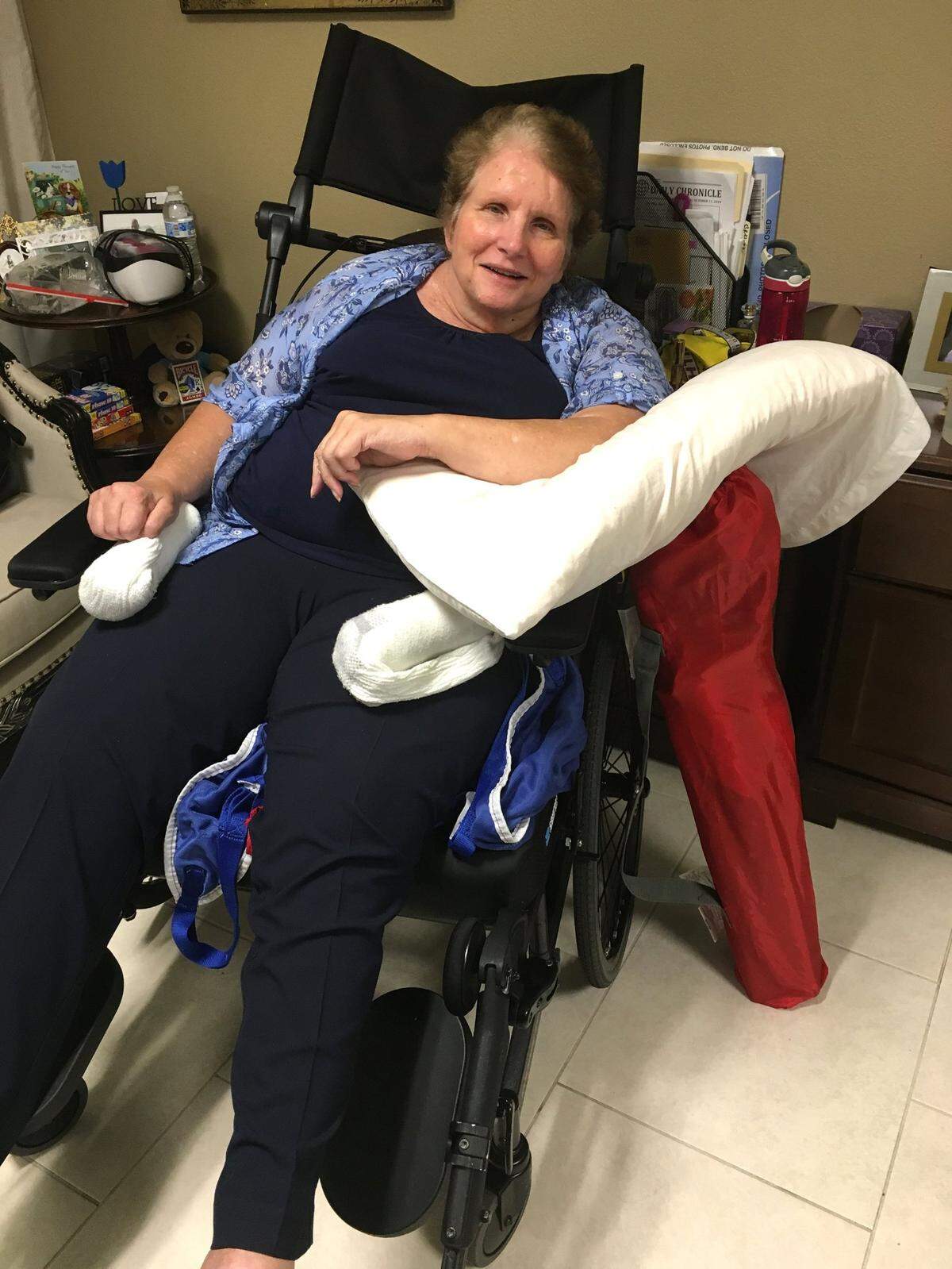
Long before her son-in-law was warning people away from North Carolina nursing homes, Naomi Brewer lived life to the hilt. She poured her creativity into painting, traveling, dancing the tango and baking elaborate wedding and birthday cakes.
But her life changed dramatically when, in her early 70s, she fell while taking out the garbage at her home in San Antonio. A broken neck left her a quadriplegic.
Monica and Mark Miller decided to move her from Texas to Pelican Health Randolph in Charlotte, near where they live. Soon they saw the toll of understaffing.

Although the Millers paid about $7,000 a month for nursing home care, Brewer often had to wait hours for water, to get her adult diaper changed, or to get out of bed.
“It was a constant struggle to get the CNAs in the room,” Monica Miller said.
So she and her husband paid an additional $3,000 a month to caregivers who provided supplemental nursing help.
During the peak of the pandemic, however, helpers weren’t allowed in. It was during that time, early one morning in late 2020, that a member of the nursing home’s cleaning staff called Miller to say that Brewer had been vomiting for hours while alone.
Miller hurried to Pelican Health. Her mother was rushed to the hospital, where a doctor found she had been throwing up blood.
Months later, Brewer developed the fecal impaction that perforated her bowel. She died on June 8.
A spokesman for the Portopiccolo Group, the New Jersey-based company that owns the nursing home, says it does not discuss the care provided to specific residents.
But Miller said it’s time that more people know what’s happening inside nursing homes.
“I had no idea our elderly have to live this way,” she said.
Charlotte Observer Data Reporter Gavin Off contributed.
▪ This is the first in an occasional Charlotte Observer and the News & Observer series on nursing homes in North Carolina. Next: Residents lost key protections during the pandemic.
This story was originally published March 27, 2022 at 6:00 AM with the headline "‘People can die.’ Staffing crisis endangers thousands inside NC nursing homes."
.JPG)