
What is the biggest threat to free speech? What Americans say in a new poll
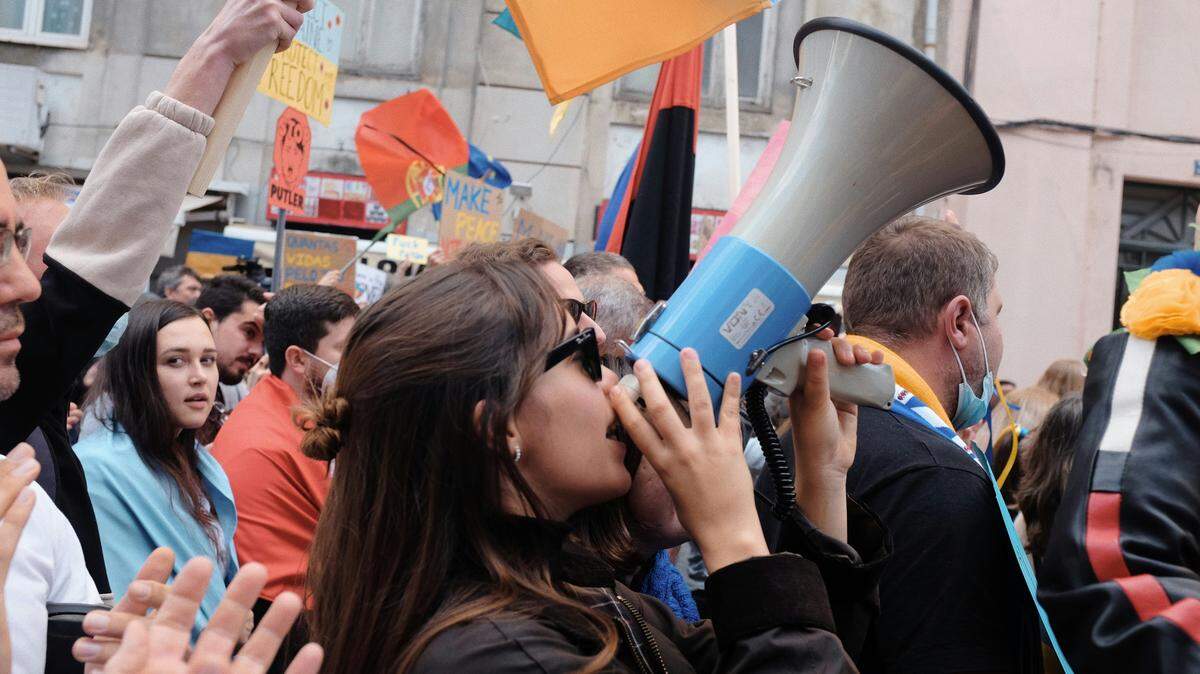
By a wide margin, the government is considered the number one threat to free speech in the U.S., according to a new YouGov poll. Most Americans also say that cancel culture has been too excessive, though they are divided over which groups have felt its impact the most.
The survey — conducted Sept. 19 with 3,010 U.S. adults — comes amid a renewed nationwide debate about free speech and cancel culture, sparked by the Sept. 10 assassination of Charlie Kirk, an influential conservative activist.
Senior members of President Trump’s administration have spoken out strongly against those who publicly took pleasure in Kirk’s death, urging employers to hold them accountable.
Attorney General Pam Bondi said “there’s free speech, and then there’s hate speech — and there’s no place, especially now, especially after what happened to Charlie, in our society.” Vice President JD Vance said people who “see someone celebrating Charlie’s murder” should “call them out,” adding, “Hell, call their employer.”
Such calls may have worked. Across the country, numerous employees have been terminated for their posts about Kirk, and ABC News pulled Jimmy Kimmel’s late-night show from the air following his comments about the activist, who was shot and killed while speaking at Utah Valley University.
Meanwhile, lawmakers across the political spectrum have stood in support of Americans’ right to express themselves.
“‘Hate speech’ is a term used by those in power to describe thoughts they don’t want spoken,” Rep. Thomas Massie, a Kentucky Republican and prominent Trump critic, wrote on X. “It’s antithetical to the First Amendment.”
Sen. Elizabeth Warren, a Massachusetts Democrat, spoke in defense of Kimmel, writing on X, “When someone uses their government position to threaten speech they don’t like, that undermines the First Amendment and our entire democracy.”
Biggest threat to free speech
In the poll, respondents were given a list of five groups and asked which was the biggest threat to free speech.
A 44% plurality said the government is the chief threat to free speech, dwarfing the results for activist groups (17%), social media (12%), universities (6%) and corporations (4%). An additional 3% said none of the above and 15% said they were not sure.
This question triggered a massive partisan divide.
The vast majority of Democrats, 70%, said the government — with all three branches dominated by conservative majorities — poses the gravest danger to free speech. A 46% plurality of independents agreed.
At the same time, just 17% of Republicans pointed to the government as the biggest threat to free speech, while 33% named activist groups.
Cancel culture
In the poll — which has a margin of error of 2.1 percentage points — a slim majority of respondents, 51%, said cancel culture has generally “gone too far.” Just 13% said it’s “been about right” and 6% said it has “not gone far enough.” An additional 29% said they were not sure.
A majority of Republicans, 57%, described it as too excessive, while a 49% plurality of Democrats and independents said the same.
Merriam Webster defines cancel culture as “the practice or tendency of engaging in mass canceling as a way of expressing disapproval and exerting social pressure.”
Respondents were also asked what groups they believed have been most negatively impacted by cancel culture, resulting in major divides.
Twenty-two percent said conservatives have been most affected, while 16% said the same of liberals. A 33% plurality said both groups have been equally harmed.
Just 4% said neither group has been negatively impacted and 25% said they were not sure.
A plurality of GOP respondents, 39%, said conservatives have borne the brunt of the impact of cancel culture, while a 38% plurality of Democrats and a 37% plurality of independents said both groups have been equally affected.
This story was originally published September 22, 2025 at 4:06 PM with the headline "What is the biggest threat to free speech? What Americans say in a new poll."