
Wiggly creature — with collared body — found in mudflats in China. It’s a new species
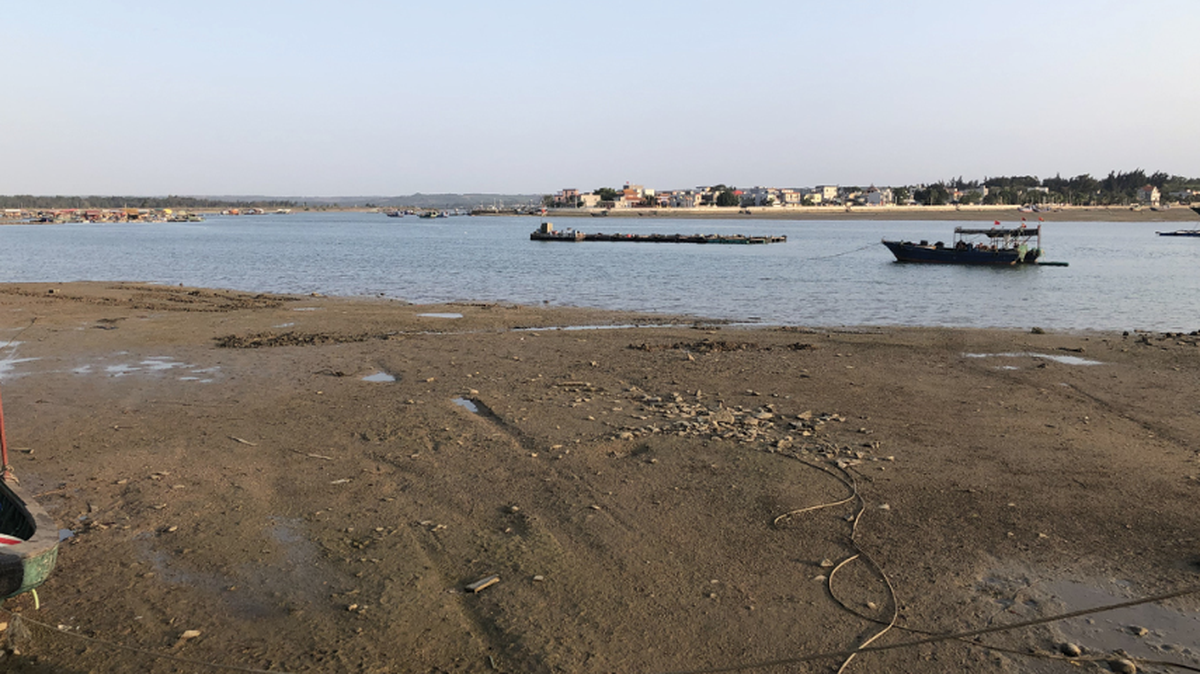
Each day as the tide is pulled from coastlines and inlets back to sea, a hidden ecosystem is revealed.
A once-submerged environment is suddenly exposed and the creatures who kept to the seafloor are thrust into the sun.
In the village of Toudong in China, a creature that calls the intertidal inlet nearby home was caught wriggling through the water-logged sediment.
It’s a new species.
Glossobalanus weii, or the Wei acorn worm, is a 7-inch-long marine worm that burrows in a mixture of sand, rocks and crushed shells, according to a study published May 27 in the journal ZooKeys.
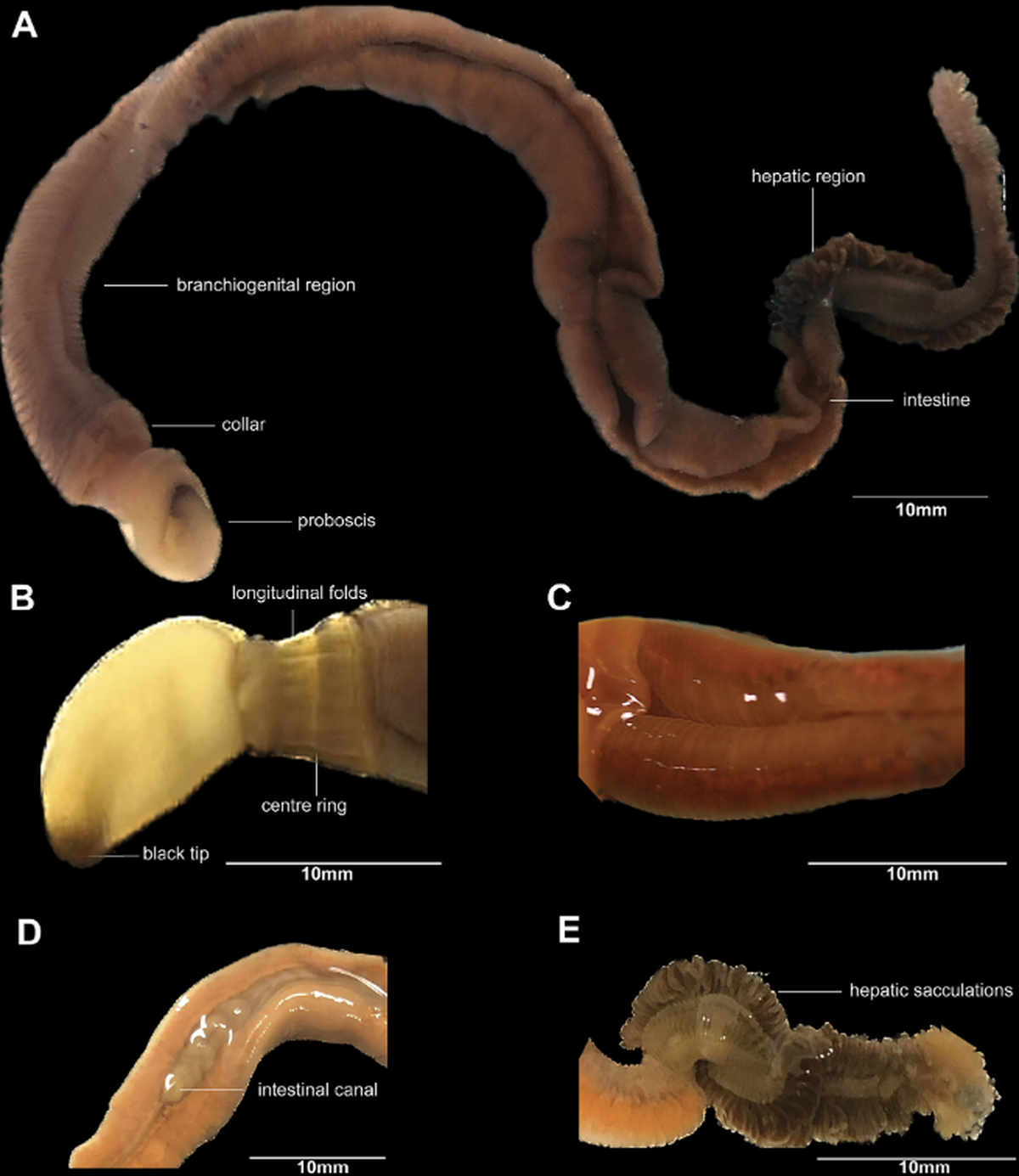
The cylindrical worm has a “freely” stretching proboscis, the nose or end of the worm, and a collar partway down the length of its body, according to the study.
“There are 40 pairs of small gill pores that are invisible without magnification,” researchers said.
The species is a filter-feeder and uses the gills to collect food from the water that flows over them, according to the study.
“In fresh specimens, the body is generally brownish yellow, fading to pale yellow or pale tan in the proboscis and has a black tip,” researchers said. “There is a pale, thin ring in the middle of the collar, and a darker colored annular band that connects the collar and branchiogenital region of the trunk.”
The species stands out from others by the black tip on the proboscis, a part of the worm that is twice as long as the collar, researchers said.
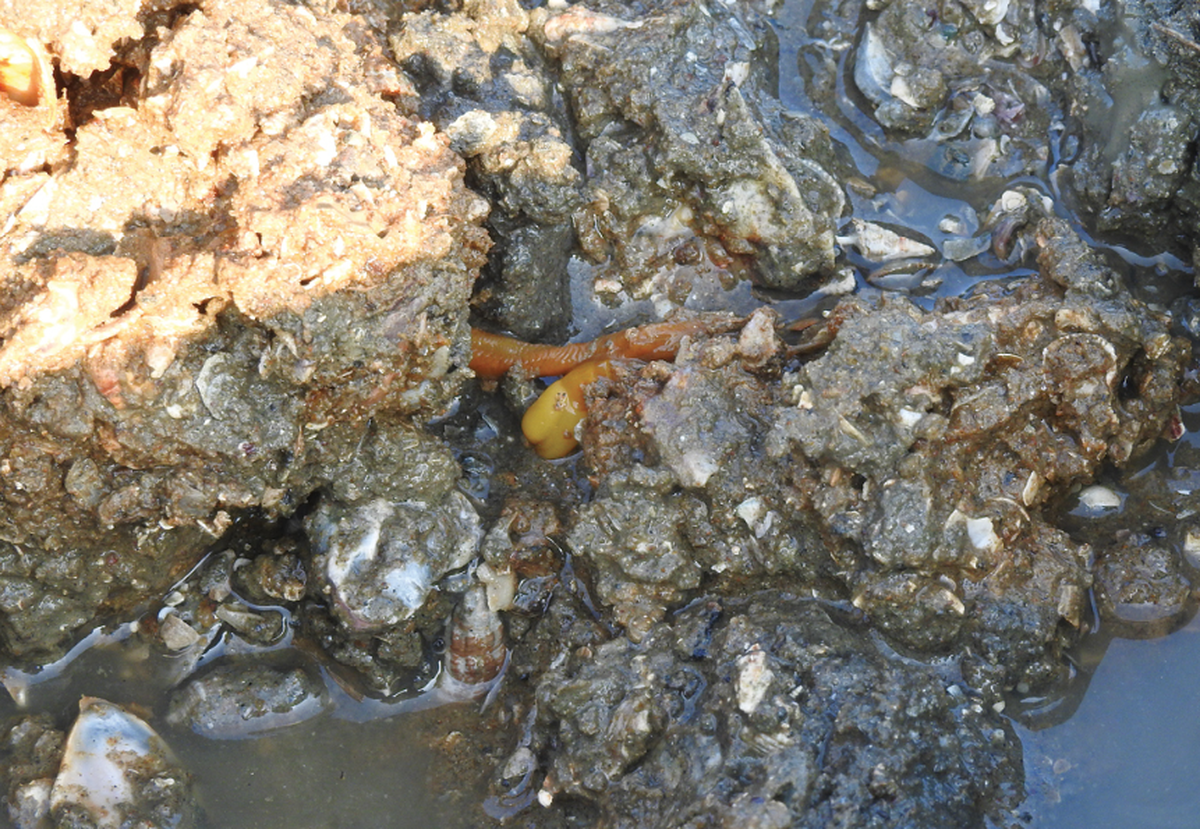
“Glossobalanus weii sp. Nov. usually inhabits benthic gravelly mud, rich in crustacean shells, where it occurs over a limited area in discrete patches,” according to the study. “This species of acorn worms may require a certain sand quality in their habitat.”
To test this theory, researchers put the worms in a fine sand environment and found that their mobility was greatly limited.
“Construction of coastal features with a large amount of fine sand will inevitably adversely affect the survival of this species,” researchers said.
More than 130 species of similar marine worms have been found worldwide in mudflats or in the deep-sea, researchers said, but they are still an understudied group of animals overall.
The new species was identified in the Beibu Gulf on the southern coast of China near the border with Vietnam.
This story was originally published June 4, 2024 at 2:13 PM with the headline "Wiggly creature — with collared body — found in mudflats in China. It’s a new species."
