Decriminalize marijuana, says NC racial justice task force created by Gov. Cooper
North Carolina should decriminalize marijuana, says a government task force focused on racial equity and criminal justice reforms.
The group will present Gov. Roy Cooper with a former proposal on that and other reforms within a month. But any permanent changes to state law would have to come through the Republican-majority General Assembly, not Cooper, a Democrat.
The state’s top law enforcement officer, Attorney General Josh Stein, supports decriminalizing marijuana.
Unlike legalization, decriminalization wouldn’t let dispensaries open and begin selling marijuana. And nothing would change for people caught with felony amounts. But for people caught with small amounts that now would lead to misdemeanor criminal charges, decriminalization would instead lead to fines similar to a traffic ticket.
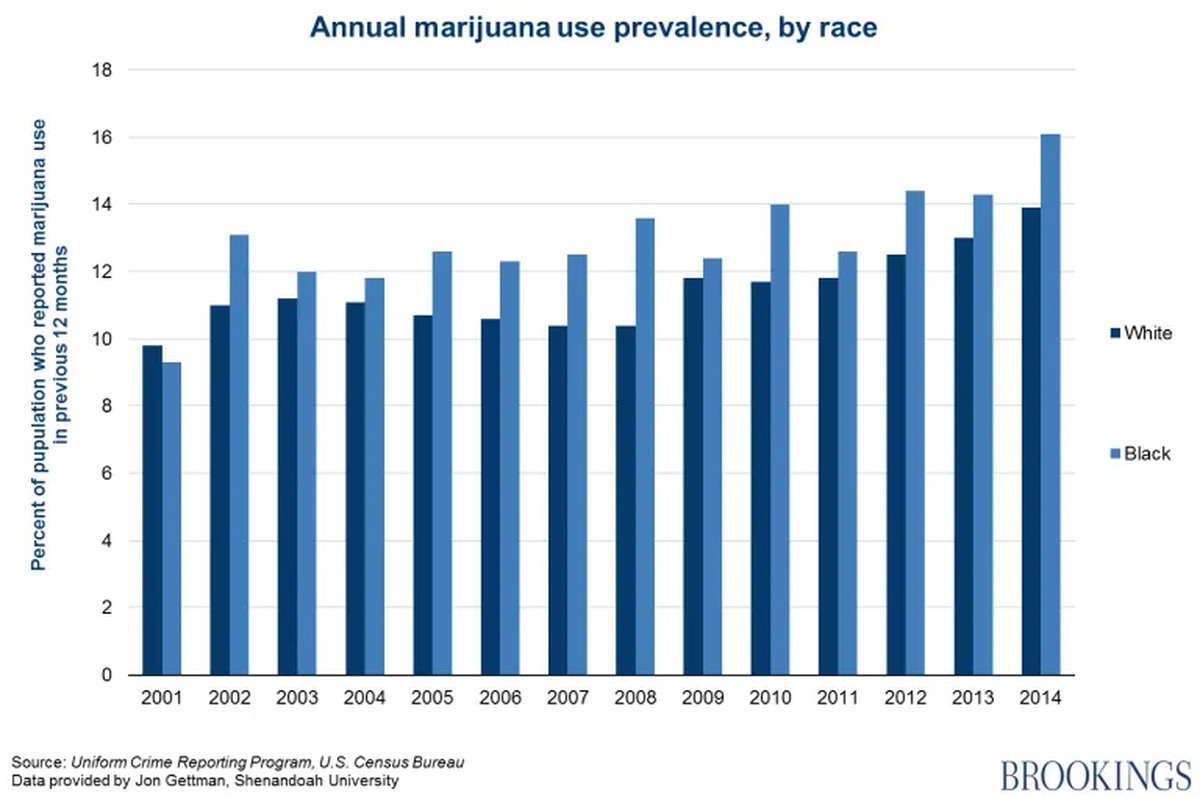
Despite evidence that white and Black people use marijuana at roughly the same rate, Black people are significantly more likely to be arrested for it, Stein said during Wednesday’s meeting of the Task Force for Racial Equity in Criminal Justice.
“We’re not saying this (smoking pot) is a good thing that people should do,” Stein said. “We’re just trying to reduce the racial inequities in our criminal justice system.”
Response to Black Lives Matter protests
Cooper created the task force in June as a response to widespread Black Lives Matter protests. Stein leads the task force along with Supreme Court Justice Anita Earls. Both are Democrats.
Other members include judges, a prosecutor and a public defender, politicians, police leaders, civil rights advocates, Black Lives Matter activists and others.
In the end, more than 80% of them voted to recommend North Carolina decriminalize possession of up to 1.5 ounces of marijuana — in other words, what would currently lead to misdemeanor charges.
Last week, The News & Observer reported Jim Woodall, the district attorney for Orange and Chatham counties, told the task force he has already “more or less” instituted that decriminalization policy in his two counties.
The N&O also reported that “while a 2019 study by the Pew Research Center found that two-thirds of Americans — including 55% of Republicans — think marijuana should be legal, recent history shows GOP politicians in North Carolina remain skeptical.”
And although most U.S. states have now legalized medical marijuana or gone even further with full legalization, Stein previously said he prefers decriminalization to legalization.
Helping the Black community
Erik Hooks, head of the N.C. Department of Public Safety and a task force member, said Wednesday he was glad they didn’t suggest full legalization. As both a Black man and a high-ranking law enforcement official, he said, there are other priorities he would rather focus on.
“There are substantive things that are needed in the Black community,” Hooks said. “Not so much the legalization of marijuana.”
Stein told Hooks he agreed, but added that taking away criminal charges for small amounts of marijuana would go a long way toward helping the Black community. Criminal records, even for low-level misdemeanors like marijuana possession, can prevent people from getting jobs or being able to sign a lease.
North Carolina court records show nearly 40,000 criminal charges for misdemeanor marijuana possession in 2019 alone.
The task force did suggest further study into the pros and cons of marijuana legalization, however, and further suggested that police de-emphasize drug arrests in many circumstances.
The drug reforms will be just one small part of the group’s recommendations to Cooper, which will be delivered by Dec. 15 at the latest.
Members spent the last five months debating reforms on bail, jury selection, police accountability, protest responses, investigating possible wrongful convictions, banning police chokeholds and more.
“We have to make our justice system work better for everybody,” said Stein, who just won re-election to another four-year term as the head of the N.C. Department of Justice. “We cannot have two systems of justice, one for white people and one for Black people.”
At the end of their final meeting Wednesday, Earls praised group members for coming together from different — and sometimes opposing — points of view to work together for a more just legal system.
“We don’t have to accept things the way they are,” she said. “And it’s in our capacity, our ability, to do that.”
For more North Carolina government and politics news, listen to the Domecast politics podcast from The News & Observer and the NC Insider. You can find it on Megaphone, Apple Podcasts, iHeartRadio, Stitcher or wherever you get your podcasts.
This story was originally published November 18, 2020 at 3:11 PM.