
North Carolina has no Latino legislators. That’s about to change.
About 10% of North Carolinians identify as Latino or Hispanic, according to the U.S. Census, but not one of them serves in the state legislature or any statewide elected office.
That will change next month when Rep.-elect Ricky Hurtado takes office. He defeated longtime incumbent Rep. Stephen Ross, R-Alamance, in a close race.
The son of immigrants from El Salvador, Hurtado leads an initiative at UNC-Chapel Hill called LatinxEd, which helps immigrant families and first-generation college students access higher education.
Hurtado isn’t the first Latino member of the General Assembly. That was Rep. Danny McComas, R-New Hanover, who was born in Puerto Rico and served from 1995 to 2012. Former Senate Rules Chairman Tom Apodaca, a Henderson County Republican, is of Mexican descent.
Hurtado is the legislature’s first Latino Democrat, and the Latinx advocacy group Siembra NC also draws a distinction between the new lawmaker and his predecessors.
“He’s the first legislator from a Latinx background who has deep relationships with many different kinds of Latinx or Black constituents,” said Andrew Willis Garcés, director of Siembra.
Hurtado was born in California after his parents fled a civil war in El Salvador in the 1980s. His family moved to Lee County when he was seven years old, and he said his working-class parents emphasized the importance of a good education.
That led him to an undergraduate degree at UNC-Chapel Hill, and then to Princeton University for a master’s degree in public administration. In the process, he said, he “learned that the challenges we faced weren’t just immigrant problems, they were American problems.”
While he works at UNC, he lives in Mebane and has been active in Alamance County community groups ranging from the Partnership for Children to the United Way.
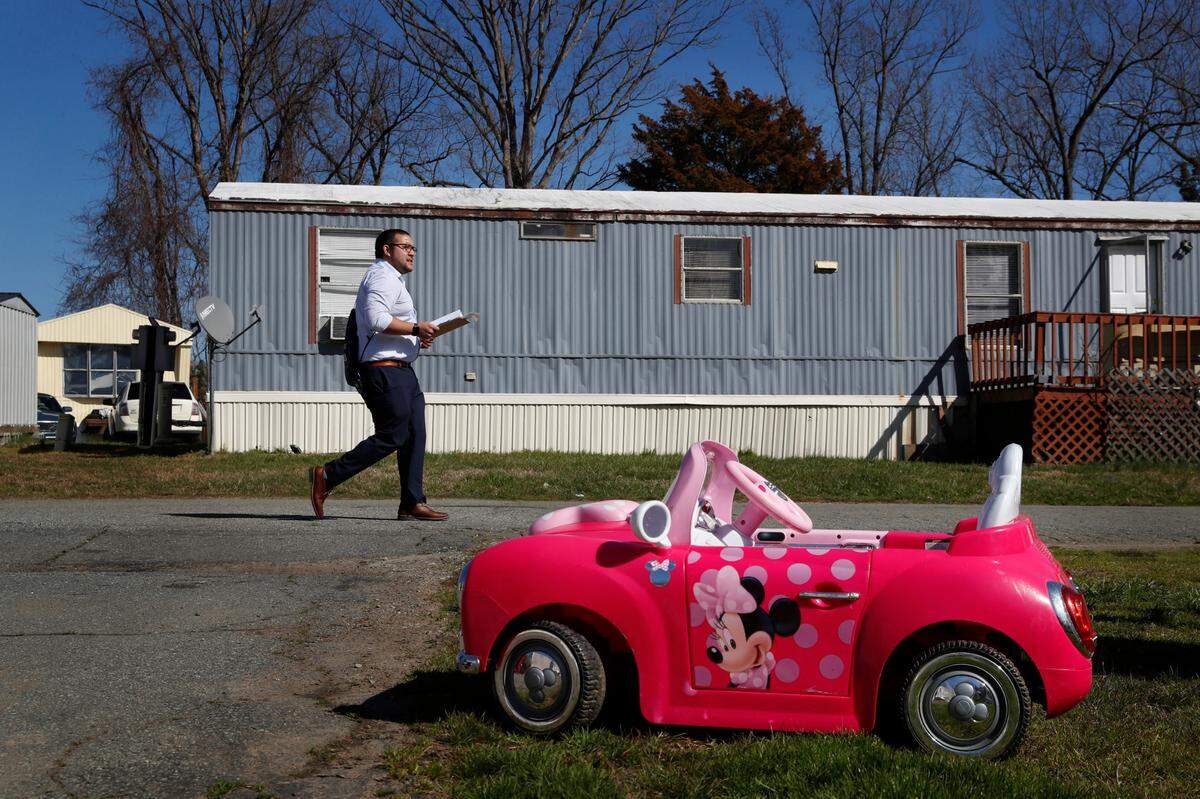
He’s been involved in advocacy too, seeking to bring the issues and experience of marginalized communities “to the General Assembly and our local officials,” but, he said, “those stories are falling on deaf ears.”
His campaign for state House was his first run for office.
“I began to ask myself, why not me?” he said. House District 63 was redrawn in the latest round of court-ordered redistricting, and the new version was more competitive than ever.
He worked seven days a week on the campaign and ultimately raised more than $1 million, more than three times the amount raised by his better-known GOP opponent. About $172,000 came from donations of less than $50.
“Despite the challenges COVID-19 presented, we were very much a grassroots campaign,” Hurtado said.
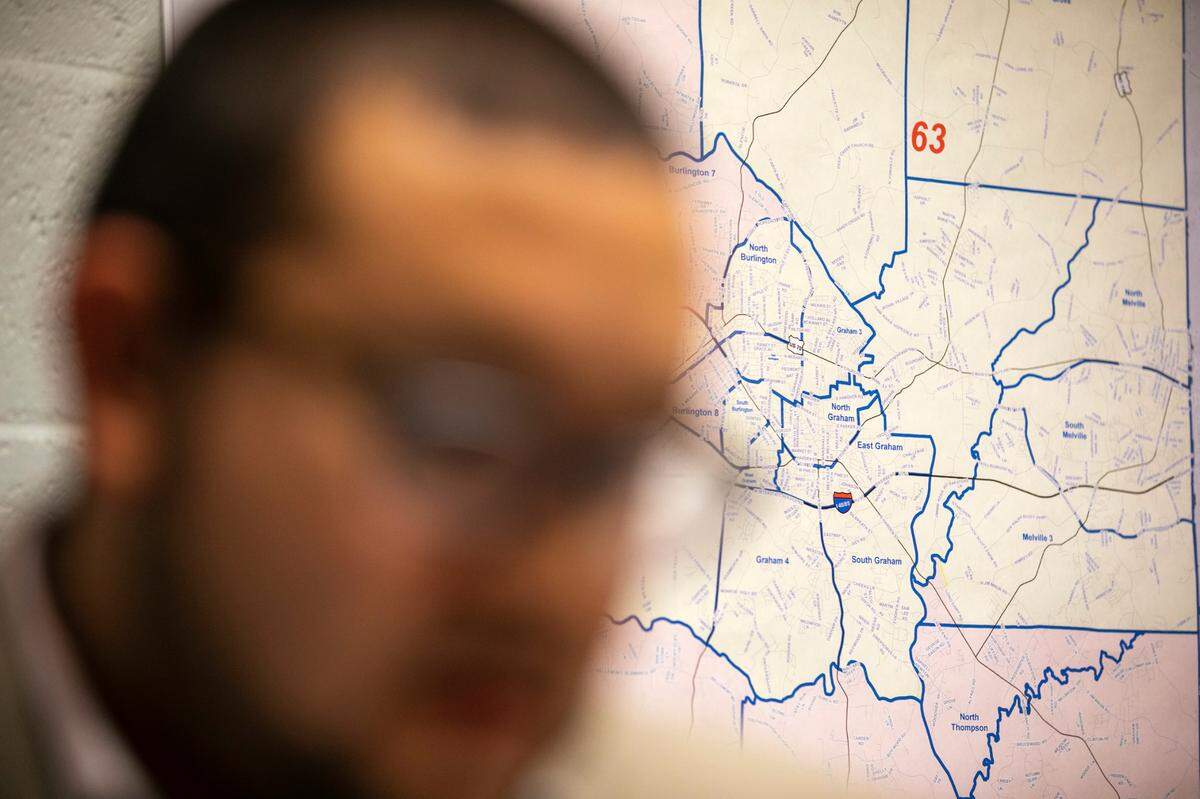
Hurtado’s historic election was also notable given what’s been happening in his district, which includes Graham and the scene of tense conflicts over the Alamance County Confederate monument. A few days before he was elected, police tear-gassed participants in a march to the polls event in Graham.
“I am the representative in an area that has seen the most tense racial conflict in our state,” he said. “I think our campaign did a good job of sending the message that there is more that unites us than divides us.”
Latino turnout often lower
While the turnout of Hispanic voters in Alamance County this year was similar to that of the 2016 election, at around 65% of registered voters, there has been a 58.6% increase in Hispanic registered voters since then in the county.
Over the years, the Hispanic electorate has recorded lower turnout than either Black or white voters, according to the U.S. Elections Project, which has tracked voting statistics since 2008.
In 2016, almost 45% of the electorate cast a ballot, the highest turnout since the 2008 all-time high turnout in which 46.5% of eligible Hispanics voted, according to the project.
One of the reasons for this lower turnout when compared to other groups, Willis Garcés said, is because candidates in local and state races don’t focus on the core issues Latino voters are most concerned about, like health care and economic aid.
“That really says a whole lot, I think, about if you are not really trying to campaign and win the hearts and minds of Latinos, why would they even register to vote,” he said. “All these things go hand in hand.”
Hurtado ran a campaign focused on improving family health and wellness, affordable public education and investing in the workforce.
Latinos became the largest voting minority group this year, representing 13.3% of all U.S. eligible voters and surpassing for the first time Black American voters, who represent 12.5% of all eligible voters, according to Pew Research Center. With more voters able to participate in the election, various national advocacy groups, like the Hispanic Federation and NALEO, focused their efforts in battleground states like North Carolina where candidates have often forgotten about Latino voters.
“There needs to be a strategy to reach, not just urban Latino voters in North Carolina, but also folks who live in rural communities, particularly in the eastern part of the state,” said Juliana Cabrales, who works in Latino civic engagement in North Carolina with the nonprofit NALEO.
But reaching out to these voters during the COVID-19 pandemic looked very different.
Before the pandemic limited in-person interactions, Siembra NC reached out to voters about the registration process and its importance during their day-to-day activities: They went to night clubs during Latino-themed nights, they stood outside Mexican ice cream parlors and they talked with soon-to-be voters and unregistered parents at various quinceañera parties.
The Hispanic Federation, an advocacy group that has created education and health initiatives to help Hispanics across the country, organized socially distanced canvassing and caravans to answer questions about the voting process, deadlines and help available for non-English speaking voters.
“We showed up and we are transforming the election turnout in 2020,” said Frankie Miranda, president of the Hispanic Federation. Around 57% of eligible Hispanic voters cast a ballot across the state this year, 62% of them casting an absentee ballot in person during the early voting period.
“North Carolina has the second fastest growing population of voting-eligible Latinx and it will continue to be a key state moving forward,” said Daniel Valdez, director of operations in North Carolina for the Hispanic Federation.
Barriers to running for office
While Hurtado was the only Latino elected to the legislature or statewide office this year, he wasn’t the only one who tried. José Santiago ran a long-shot campaign against Republican Sen. Todd Johnson in Union County. And Luis Toledo ran unsuccessfully in the Democratic primary for state auditor.
But Latinx candidates often struggle to gain traction in campaigns, Willis Garcés said.
“All the barriers that were set up to keep Black people from running successfully for office, many of them have also kept Latinx people from running for office successfully,” he said.
The Latinx community is typically younger than other demographic groups, and elected officials tend to skew older. Fewer of them are independently wealthy or employed as attorneys — common attributes for state legislators.
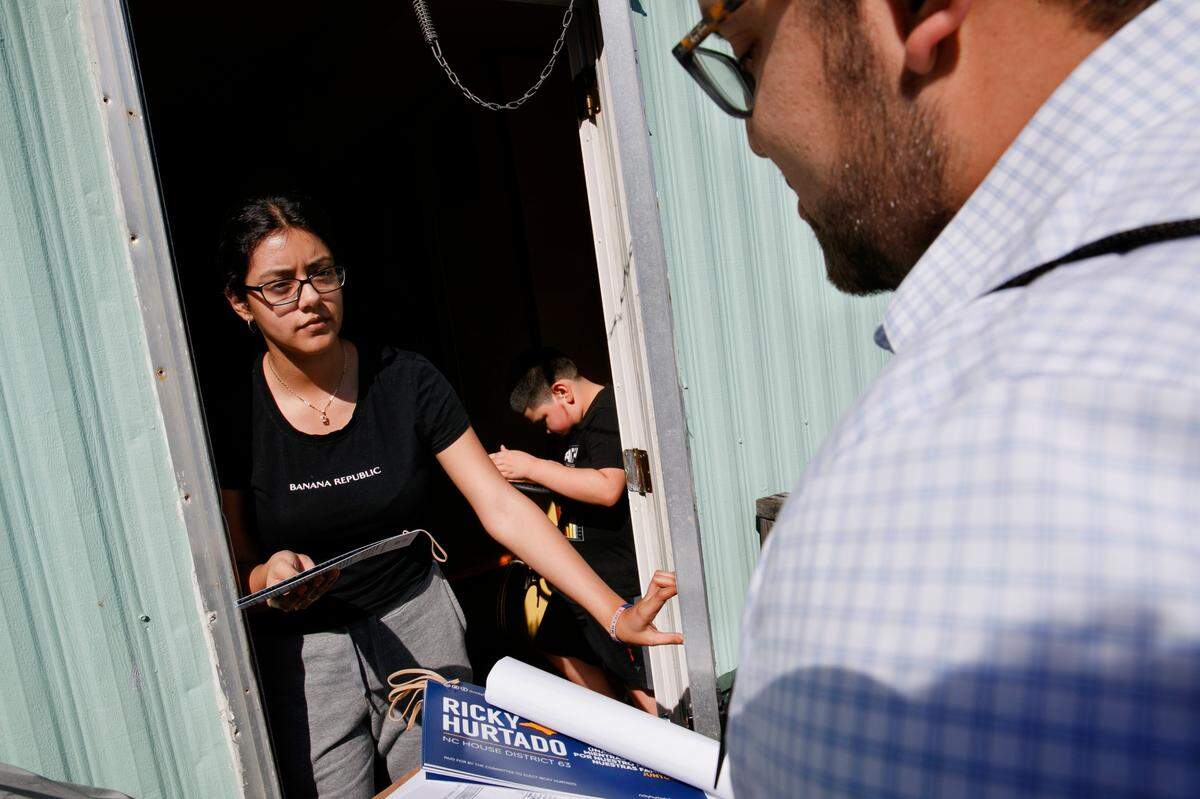
Political parties also have done a poor job of recruiting Latinx candidates, Willis Garcés said. “The people who recruit and groom candidates are not necessarily looking for people who look like Ricky,” he said.
Hurtado said he doesn’t expect to be the only Latino in the General Assembly for long.
“I think we are seeing a moment here in North Carolina that it’s time, in terms of a new generation of folks — the children of immigrants who have seen the struggles of their parents,” he said. “The barrier has finally been shattered.”
Looking ahead to his first term, Hurtado plans to push for Medicaid expansion, rural broadband funding and resources for public education, particularly in the wake of recent action in the Leandro school funding case .
He said he wants to make sure the legislature is “thinking about how we make a community college system and four-year system work for working, Latino families.”