
Should state employee disciplinary details be public? NC bill would open up HR records
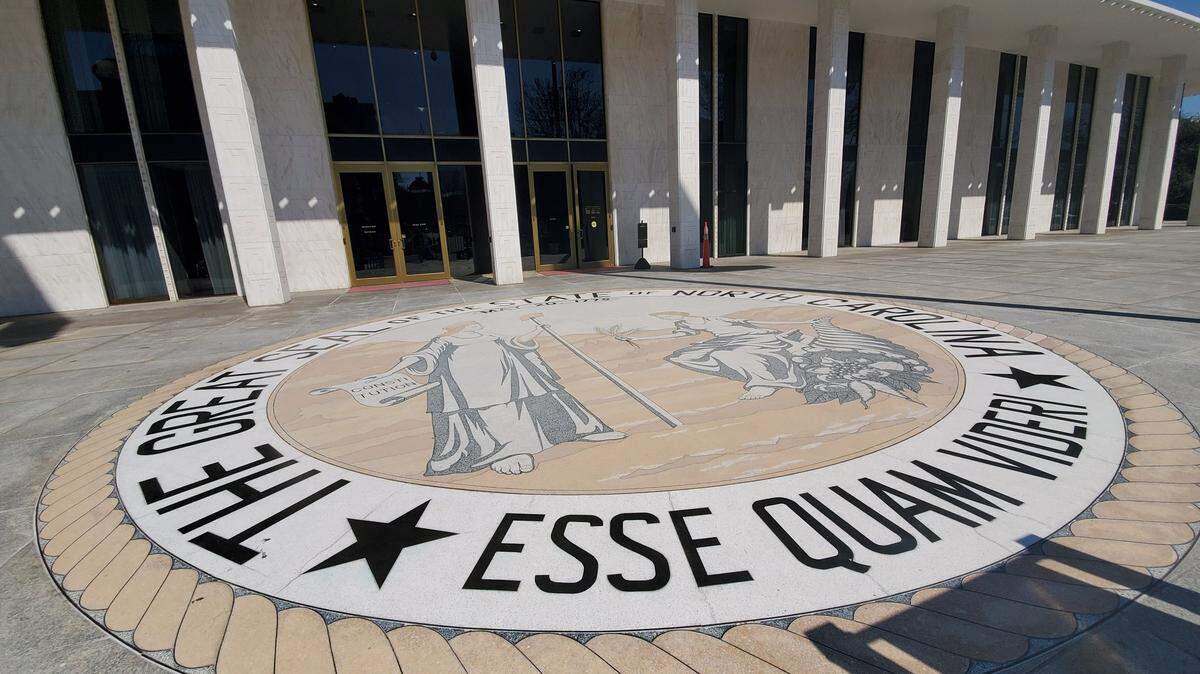
A new bill filed Thursday in the state legislature would make the disciplinary records of North Carolina state employees public records.
Senate Bill 355, called the Government Transparency Act of 2021, would also require local government agencies to make performance records public.
Senate leader Phil Berger, an Eden Republican, said in a statement to The News & Observer: “Transparency in the actions of public employees is a perennial goal.”
He called the bill “a positive step in that direction.”
The law as it stands today makes public record the dismissals, suspensions and demotions of state or local government employees. Letters explaining firings must also be public, part of changes adopted after The News & Observer’s reporting in 2010 on the personnel law. The bill would make public the reasons for suspensions, demotions and other moves.
This isn’t the first time a bill like this has been filed in North Carolina.
Back in 1997, then-Sen. Roy Cooper, a Democrat who is now the governor, sponsored a bill called the Discipline Disclosure Act. Senate Bill 799 would have made some employee disciplinary records of school boards, municipalities, state agencies and the UNC system public. But the bill, after an earlier version passed in the Senate, went to committee and never left.
Then in 2011, Senate Bill 344, the Government Transparency Act, didn’t even get that far. It didn’t make it to the floor. One of that bill’s co-sponsors, Republican Sen. Bill Rabon, is also co-sponsoring the new bill, which mirrors the 2011 bill.
The State Employees Association of North Carolina didn’t like the 2011 bill, and it doesn’t like this one, either.
SEANC Executive Director Ardis Watkins said one issue with the bill is due process. She said the public would be able to see allegations in personnel records that may have resulted in a demotion, before the employee is done appealing the demotion. Watkins, who worked at SEANC in 2011 when the last bill came through, said they told lawmakers that the state “could well face massive liability” by making personnel files public.
“A personnel file is a very loaded thing, and if the government allows things to go into that file and (be) publicly disseminated — you have to ask, what is the positive you have to gain there?” Watkins said.
She said it’s bad policy that’s “like using a sledgehammer to try to kill a gnat.” Watkins said public employees know their salary information is already available, but “it’s a far cry different to have your salary, your basic information, available to the world than to have even unfounded accusations in your file and passed around.”
A media lawyer calls the bill “long overdue.”
“Having open access to government employee hiring, firing and performance records and especially disciplinary records inspires confidence in state and local government,” said John Bussian, a Raleigh-based media lawyer who serves as legislative counsel to the North Carolina Press Association. [The News & Observer, Charlotte Observer and Herald-Sun are members of NCPA.]
Bussian said North Carolina ranks in the bottom 10 of states in terms of public records access and open government.
“The vast majority of the states in the country have allowed press and public access to government personnel records form the very beginning of public records laws in 1960s and 70s,” he said. Bussian said documentation of the performance of government officials and disciplinary measures is important because it “gives you a bird’s eye” view of state and local agencies.
“They’re the most important records for the public’s right to know ... and they’re walled off in North Carolina,” he said. “If you don’t have access to these records, you don’t have meaningful right to know.”
For more North Carolina government and politics news, listen to the Under the Dome politics podcast from The News & Observer and the NC Insider. You can find it on Pandora, Spotify. Apple Podcasts. Stitcher. iHeartRadio. Amazon Music, Megaphone or wherever you get your podcasts.
This story was originally published March 25, 2021 at 7:11 PM.