NC nonprofit hospitals are supposed to provide charity care, but bill poor patients
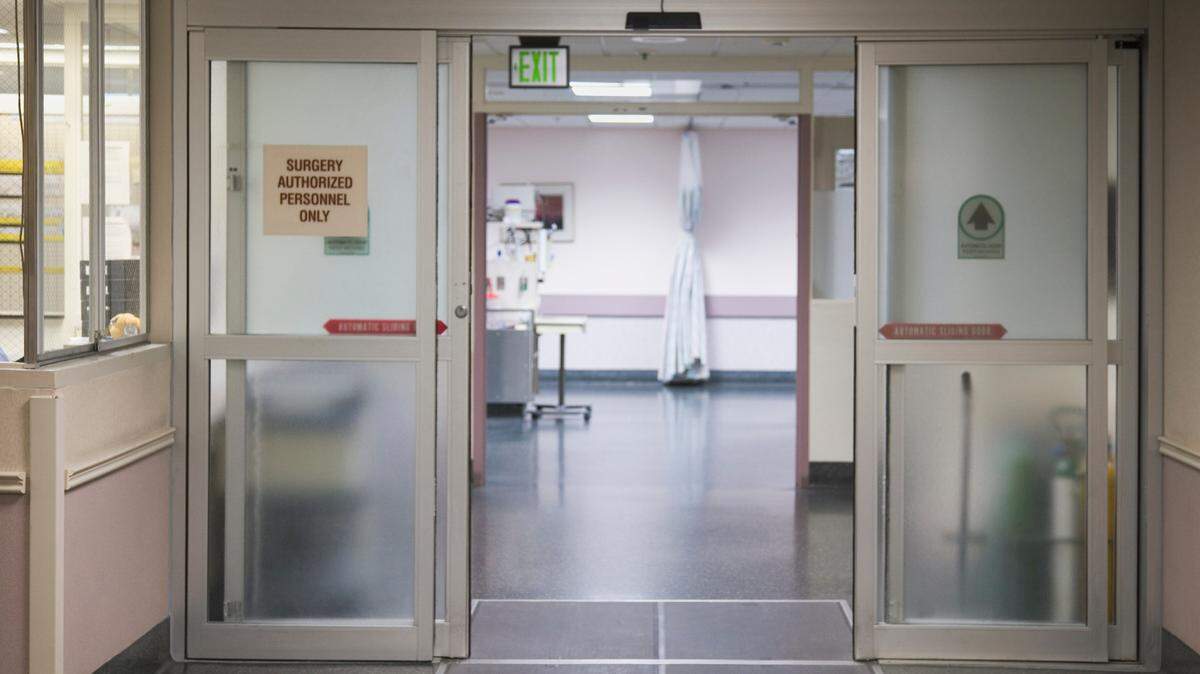
Some North Carolina hospitals that receive tax breaks to provide charity care are billing poor patients at three times the national average, an analysis released Wednesday by the North Carolina State Health Plan shows. They face little to no accountability for doing so.
Nonprofit hospitals promise as part of their tax-exempt status to provide charity care — the practice of forgiving all or part of a patient’s bill — but they set their own standards for how much to waive. And hospitals can hide how much charity care they provide because of the lack of federal and state oversight.
“Without standards and accountability, it has become difficult to tell nonprofit hospitals apart from for-profits,” the report says.
The data referenced in the report is pulled from 2019, before the pandemic, and state officials predict 2020 and 2021 data will show this problem worsening, as more families have struggled to pay medical bills amid rising costs and an unprecedented labor and economic crisis. In 2020, around one in five families had medical debt, according to the Urban Institute.
“Our medical debt crisis will only get worse because the pandemic will only make it worse,” said Sen. Jay Chaudhuri, a Democrat from Wake County, in a news conference held about the issue Wednesday morning.
Eighteen nonprofit hospitals billed close to $150 million to poor patients whose health care costs should’ve been waived in 2019, according to the analysis, which was conducted alongside the National Academy for State Health Policy. That is likely an underestimate, however, as only 16% of hospitals in the state provided data, the report said.
“Clearly there are severe problems in terms of data transparency, that there are so many hospitals that are failing to report all the required information,” said Dr. Vivian Ho, a health economics chair at Rice University. “And that puts North Carolinians at a disadvantage.”
State Treasurer Dale Folwell, backed by fellow Republicans as well as Democrats in North Carolina’s legislature, is calling for legislation that sets minimum requirements for how much charity care nonprofit hospitals must provide.
“The findings in this report show the need for greater accountability,” Folwell said in a news release Wednesday. “Despite lucrative tax breaks, nonprofit hospitals do not always provide more charity care than their for-profit counterparts.”
But a group that advocates for North Carolina hospitals said they are fulfilling their charity-care commitments, calling Folwell’s Wednesday press conference a “public relations stunt.”
“Attacking and demonizing hospitals while their exhausted employees are working 24/7 to meet a pandemic peak in hospitalizations is distracting, disrespectful and potentially dangerous,” the North Carolina Healthcare Association said in a statement. “Is the hospital affordability, billing, and payment system as a whole broken? Yes, all the stakeholders should work together to improve it.”
Medical debt for poor, uninsured
A 2012 investigation by the Charlotte Observer and News & Observer came to similar conclusions. Among other things, the investigation found that most hospitals devoted a fraction of their expenses to help the poor and uninsured.
In 2010, most of the state’s hospitals spent less than 3% of their budgets on charity care, the investigation found.
At UNC Rockingham Health Care in Eden, according to the report, 95.7% of the bills that the hospital was unable to collect on were sent to poor people eligible for charity care.
UNC Health pushed back on the report, however.
“Had Treasurer Folwell, or his out-of-state researchers, contacted us to fact check this document, we could have provided them with accurate information,” a statement said. “Instead, he continues to demonize us and all NC hospitals (with no basis in fact) during a global pandemic.”
“The facts are UNC Health provided more than $250 million in charity care during the past two years, and we have one of the state’s most generous financial assistance policies. Patients with income below 250 percent of federal poverty levels do not pay for most care at UNC Health hospitals.”
Randolph Health in Asheboro, Scotland Memorial Hospital in Laurinburg, Chatham Hospital in Siler City and Caldwell Memorial Hospital in Lenoir also had among the highest rates of uncollected debt sent to patients eligible for charity care.
For more North Carolina government and politics news, listen to the Under the Dome politics podcast from The News & Observer and the NC Insider. You can find it at link.chtbl.com/underthedomenc or wherever you get your podcasts.
This story was originally published January 26, 2022 at 10:52 AM.