
NC liquor stores halt sales of Russian products after Gov. Cooper’s executive order
READ MORE
What to know about Russian vodka, Ukranian vodka and local distilleries
As Gov. Cooper urged local liquor stores to stop selling Russian vodka, here’s what you should know.
Expand All
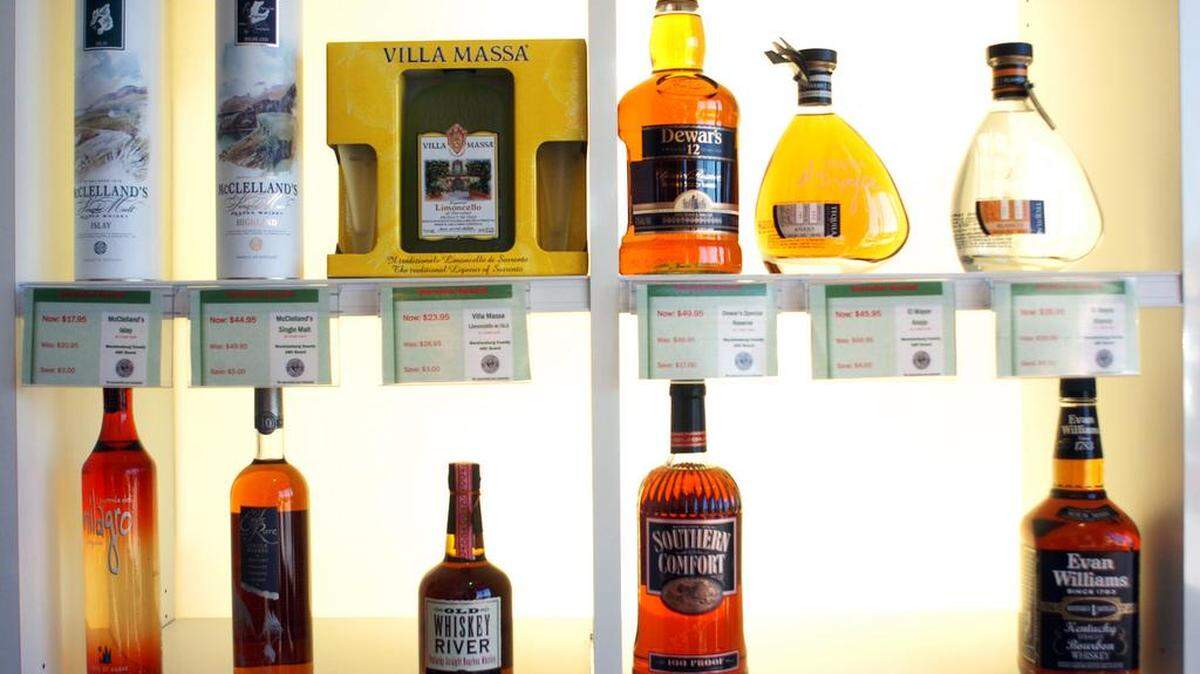
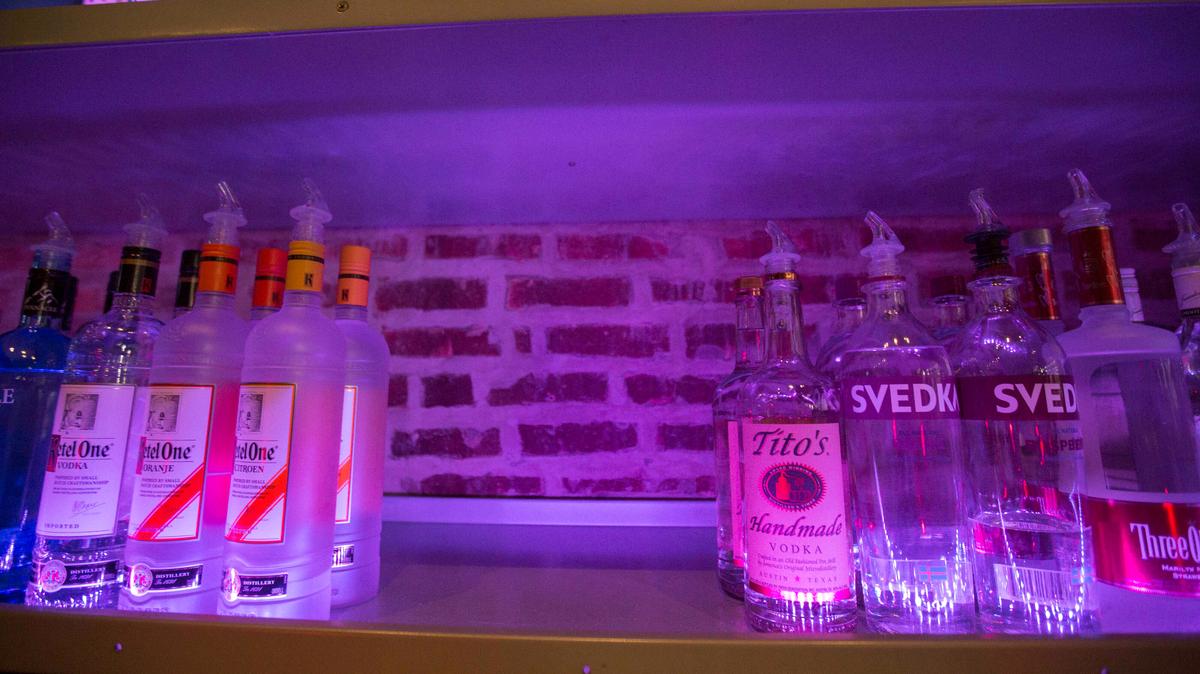
Gov. Roy Cooper has directed all Russian-made alcohol be removed from state liquor stores in a show of support to the people of Ukraine, as the country battles against invading forces from Russia.
An executive order Cooper issued Monday directed the North Carolina Alcoholic Beverage Control Commission to “suspend the approval of such products as quickly as practicable,” which Cooper’s office said in a news release would likely include the brands Hammer & Sickle, Beluga, and Russian Standard.
Cooper’s order also directs his administration to find any “contracts or operations that directly benefit Russian Entities” and “take all reasonable steps” to end them. The news release described the moves as sanctions.
“The invasion of Ukraine is an attack on a free people. This order sends a strong message and helps ensure no public dollars or operations from North Carolina will benefit Russia and its unjustified aggression,” Cooper said in the release. “Our state stands in solidarity with the people of Ukraine as they fight courageously against a tyrant to defend their country, their democracy and their freedom.”
In a Monday news release, the ABC Commission said it had suspended the availability of liquor products produced by Russian entities, in accordance with Cooper’s executive order.
The decision came after a weekend that saw North Carolina and other elected officials calling for the boycott of Russian products.
State Sen. Michael Garrett, a Guilford County Democrat, called Saturday for North Carolina’s ABC Commission to halt sales and suspend “wholesale purchases of Russian-made vodka in our state, indefinitely.”
In an interview Monday, Garrett told The News & Observer that the idea has garnered support from North Carolina residents and elected officials across political parties.
“Previous generations have sacrificed and many times laid down their lives to pass on the global community that we inherited today — (one) that respects international boundaries, that respects human life, and values global peace,” he said. “Above all else, I want to make sure that our generation passes that on to the next, and that we show our commitment to it.”
He said the idea to halt sales of Russian-made vodka came as a suggestion from Ukrainian constituents. While economic experts have said vodka is not a top import from Russia, Garrett noted it is “the most visible product that this country consumes from Russia.”
“I understand that it is a small gesture and primarily symbolic, but I think at times like this symbolism means a lot,” Garrett said.
“That’s why people get out and march, that’s why they protest,” he added. “I think it’s important for the people of Ukraine to know where the people of North Carolina stand. I think it’s important for the rest of the global community to understand what our state is about — what our values are, what our principles are, what our priorities are.”
The weekend also saw governors in New Hampshire and Utah issue executive orders pulling Russian-made vodka from state-run liquor stores, while Virginia’s Alcoholic Beverage Control Authority took similar action with support from Gov. Glenn Youngkin.
Brands such as Stolichnaya and Smirnoff are not produced in Russia, according to Virginia officials, who are not pulling those brands.
Across the country, some bars and liquor stores have dumped Russian-made vodka, and more elected officials have called for boycotts of Russian products, McClatchy reported.
Experts said Russian brands account for less than 1% of vodka consumption in the U.S., meaning such boycotts are unlikely to harm Russia’s economy.
For more North Carolina government and politics news, listen to the Under the Dome politics podcast from The News & Observer and the NC Insider. You can find it at https://campsite.bio/underthedome or wherever you get your podcasts.
This story was originally published February 28, 2022 at 5:08 PM.