
Records provide window into Gov. Cooper’s COVID response, but it took a year to get them
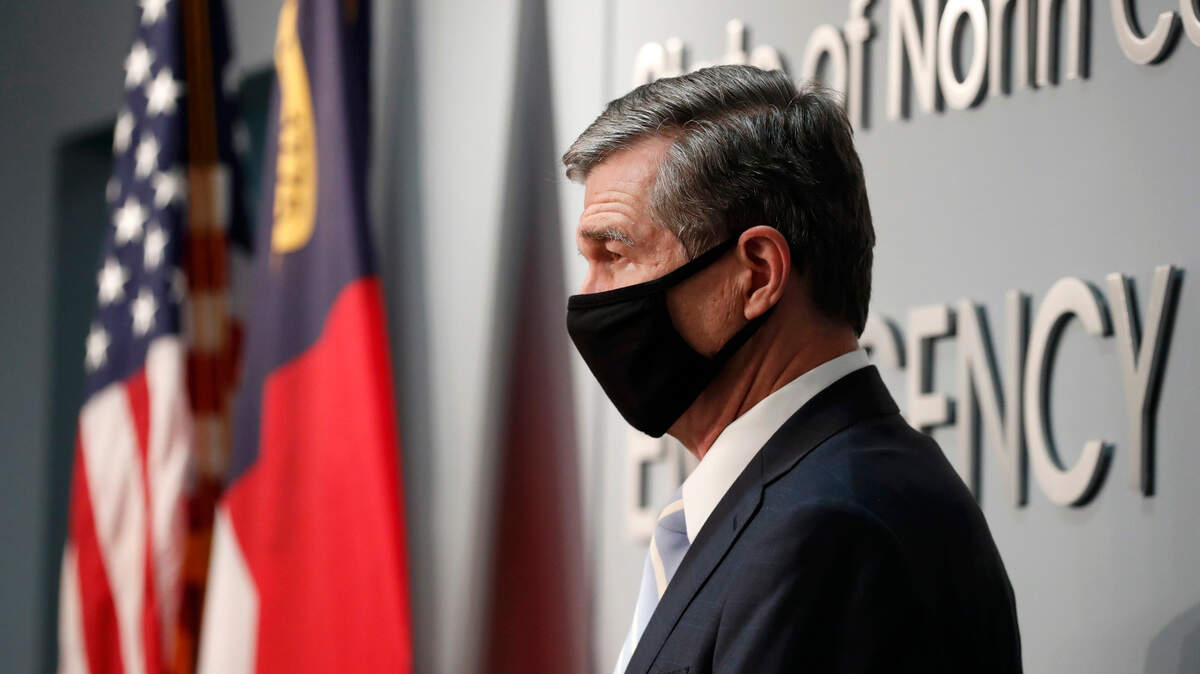
To some, December 2020 may seem like a lifetime ago. It was the month that COVID-19 vaccines first arrived in North Carolina, which was under statewide restrictions including a curfew and mask mandate aimed at controlling the spread of the virus.
The light at the end of the pandemic tunnel appeared to be getting closer, but it was still a time of uncertainty. The public found out what the latest restrictions would be in regular press briefings held remotely by Gov. Roy Cooper.
In March 2021, The News & Observer requested emails to and from the Democratic governor during that previous December. It took a year for the governor’s office to provide the emails as required by state public records law.
They offer a glimpse into what executive branch leaders were doing and saying.
But correspondence from the governor himself was minimal in the 1,886 pages of records, which mainly included messages sent to Cooper via his email address and the online portal on his website. Nearly all emails from Cooper were responding to his communications staff about approving or editing statements in response to press questions or in press releases being sent out. Responses ranged from a brief “Ok” to edits to draft comments, and an occasional question.
Public records
Various things can slow an agency responding to records requests, said P. Brooks Fuller, director of the NC Open Government Coalition and a professor at Elon University.
The governor’s office reviews emails for confidentiality and privilege, Fuller said, so that process can “really slow down the fulfillment timeline, and this is a good example of this happening here.”
The COVID-19 pandemic may also have put fulfilling records requests on the back burner for staff, he said.
“I think a year is too long. I don’t think it takes a year to conduct privilege view for a month of email, especially when those emails are not substantive,” Fuller said.
Some local governments invest in systems and people to review public records proactively rather than request-by-request, he said, which speeds up the process. A proactive system is better, Fuller said.
This is Sunshine Week, in which the news media shines a light on public records laws and how much the government adheres to them. State law describes public records as “all documents, papers, letters, maps, books, photographs, films, sound recordings, magnetic or other tapes, electronic data-processing records, artifacts, or other documentary material, regardless of physical form or characteristics, made or received pursuant to law or ordinance in connection with the transaction of public business by any agency of North Carolina government or its subdivisions.”
Fuller gives the state’s public records law a “C+” grade, noting some sweeping exemptions.
“Our state motto is Esse Quam Videri, to be rather than to seem. Sometimes it’s to seem rather than to be,” Fuller said.
Vaccine arrives in NC
Many of Cooper’s emails obtained by The N&O were simply emails asking him to review documents before meetings. One of them, on Dec. 14 from N.C. Department of Health and Human Services Secretary Kody Kinsley and forwarded to Cooper, included the news of vaccines arriving in the state. The email reveals some of the strategy of sharing the information with the public. At the time, Kinsley was the operations lead to the DHHS COVID-19 response, and a deputy to then-DHHS Secretary Mandy Cohen.
“As you may know, today is truly historic — vaccine has arrived in NC. At 11:00 a.m. today, we will provide a senior leadership briefing on the state of vaccine work in North Carolina. This is designed for cabinet secretaries and other senior members across the state government,” Kinsley wrote.
“... As much as we can all have the same unified message, we will reduce duplicate questions eventually coming to the vaccine team and more importantly - inspire confidence and drive clear and appropriate action among residents in our great state. As my battle-buddy would say: One Mission, One Team, One Family!”
Documents from the briefing were not included in the email provided to The N&O.
COVID-19 restrictions
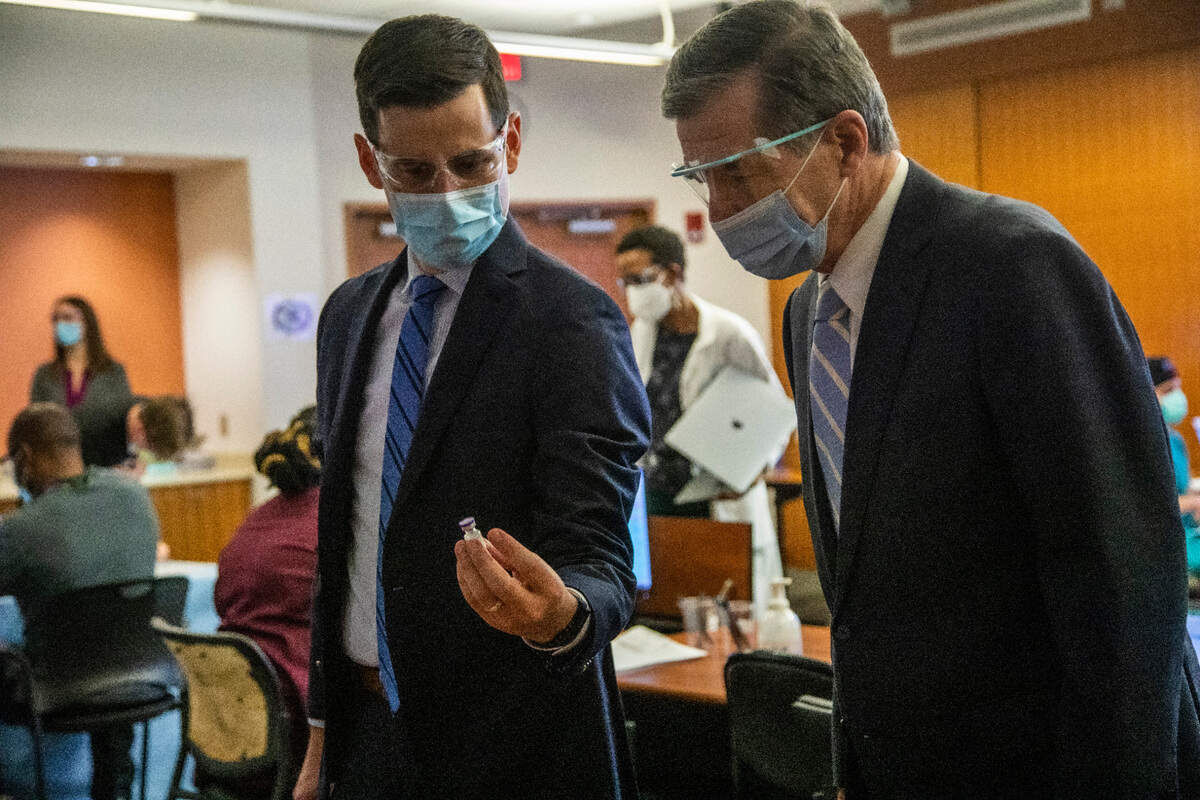
About the same time, Cooper and Cohen reviewed a draft letter sent to local governments asking them to enforce statewide orders. Cooper was also asked to respond with statements about law enforcement enforcing those rules, and a statement to send with a news release announcing the letter to local governments. Like many of his other emails to his communications staff, some edits were light and some rewrote, deleted or added sentences.
Cooper emailed that “every day” should be two words, and a paragraph should be indented. He asked for input from Cohen and then-Public Safety Secretary Erik Hooks. And also: “Think it needs to be upfront and to the point.”
Other pandemic-related emails included drafted comments about making the state Capitol tree lighting, which is held annually on second Thursday of December, virtual-only.
The records show several people emailed Cooper directly asking him to pardon Ronnie Long, which he did later that month.
Other emails followed what else was prominent in North Carolina news that month: extending the moratorium on evictions, an executive order allowing take-out mixed drinks, the death of former state Senate leader Marc Basnight, order of vaccination distribution and the occasional gripes from North Carolinians ranging from traffic tailgating to traveling over the holidays.
For more North Carolina government and politics news, listen to the Under the Dome politics podcast from The News & Observer and the NC Insider. You can find it at https://campsite.bio/underthedome or wherever you get your podcasts.
This story was originally published March 17, 2022 at 1:15 PM.
.jpg)