A timeline of state and federal laws, challenges to block and help DACA holders
READ MORE
Living in legal limbo
It’s been 10 years since President Barack Obama signed the DACA (the Deferred Action for Childhood Arrivals program) executive order on June 15, 2012. Most of the young applicants are now adults, paying bills and taxes, many with children of their own. For some, the end of their legal protection is getting closer. And with decades of legislation aimed at this group on state and federal books, they now look to Congress for guidance on what comes next.
Expand All
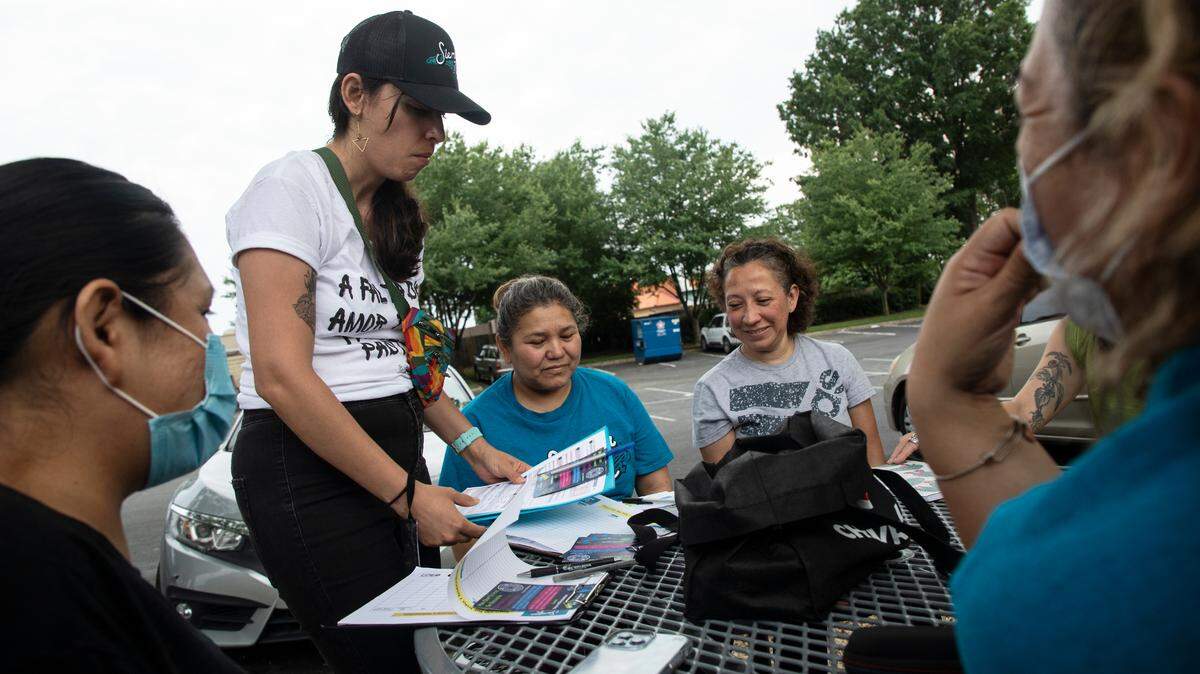
Immigrants who were brought as children to NC still look to Congress for change

‘Trying to buy time.’ They’ve grown up here, but their visas are about to run out
What NC candidates say Congress should do about DACA and documented dreamers
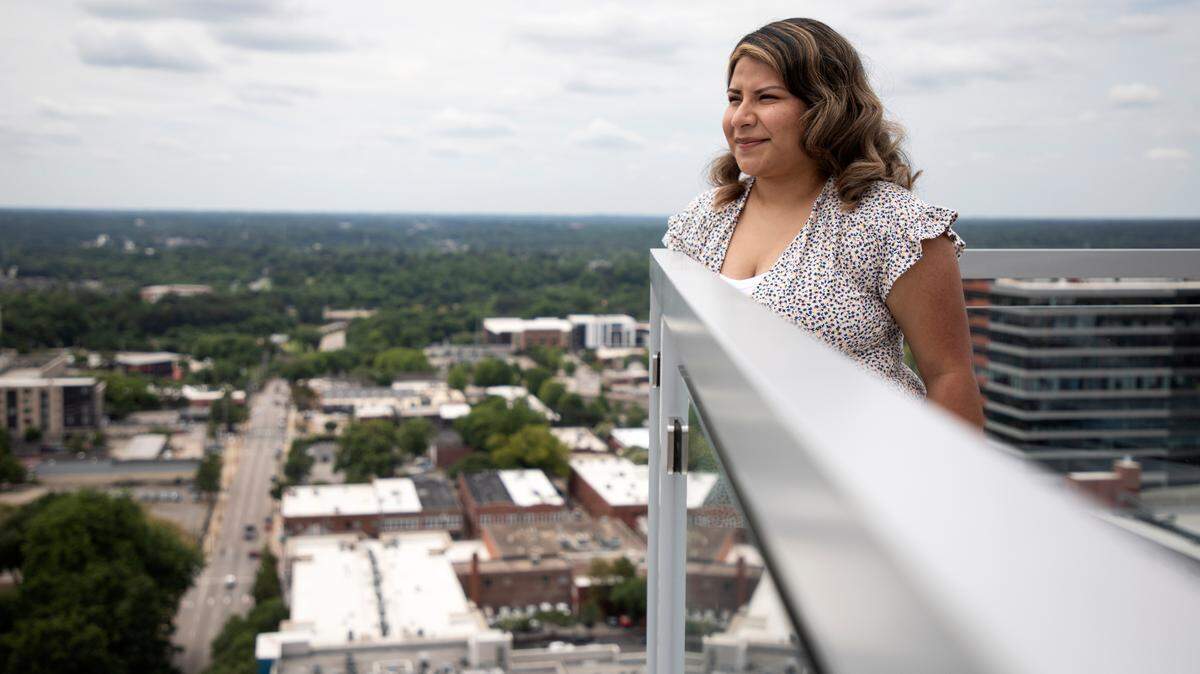
‘I’m more than just a number’: Raleigh ‘Dreamer’ Jocelyn Casanova on a decade of DACA
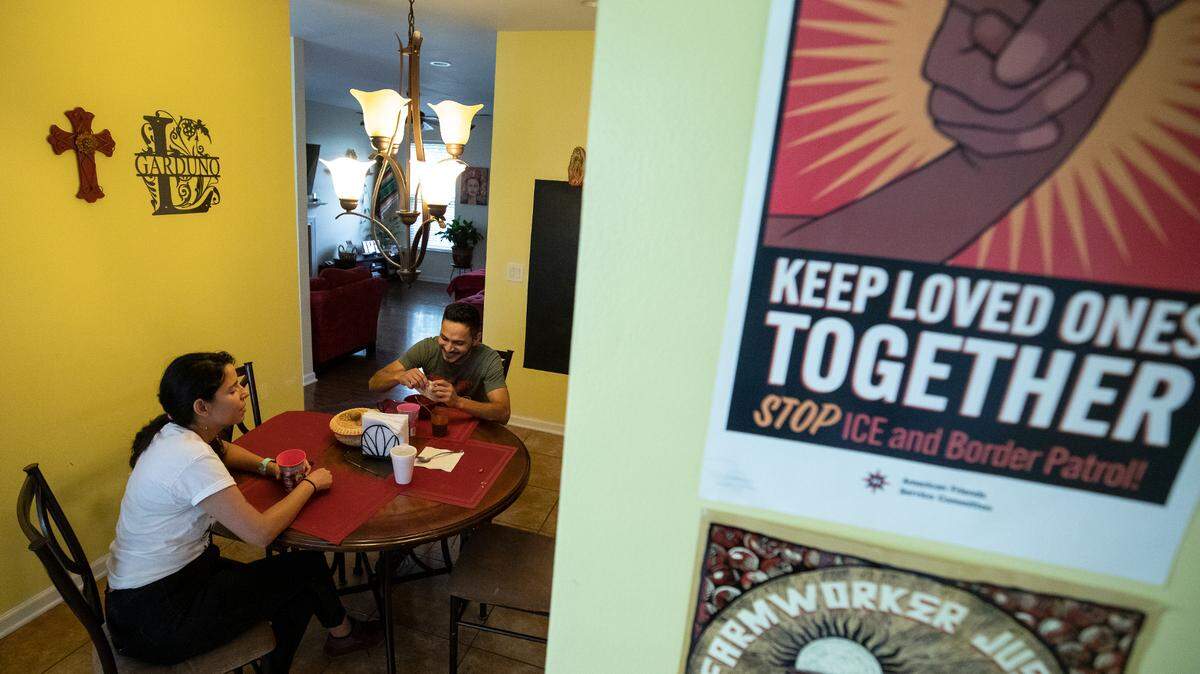
A timeline of state and federal laws, challenges to block and help DACA holders
Immigrants brought to the United States as children have fought for conditional legal status and relief from deportation for two decades.
Signed by an executive order during the Obama administration, the Deferred Action for Childhood Arrivals program changed the course of many of these immigrants’ lives.
But DACA is far from the only legislation aimed at this group known as the “Dreamers,” a term that predates President Obama’s 2012 order.
- Aug. 1, 2001: Sen. Dick Durbin (D-Illinois) and Orrin Hatch (R-Utah) introduce the “Development, Relief, and Education for Alien Minors Act,” or DREAM Act. Often considered DACA’s predecessor, it would have allowed immigrants brought to the U.S. as minors to conditionally remain in the country, work and attend college or university, and eventually, seek citizenship. The bill did not pass, and other iterations of it have been unsuccessfully reintroduced over the years.
- June 15, 2012: President Barack Obama issued an executive order to grant immigrants brought into the U.S. illegally as children temporary relief from deportation and work authorization.
- Aug. 15, 2012: The U.S. Citizenship and Immigration Services agency of the Department of Homeland Security began accepting applications for the program. Between August 15 and April 30, 2013, nearly 18,000 applicants from North Carolina were accepted into the DACA program, ranking sixth out of states with most accepted applicants.
- Feb. 21, 2013: House Bill 141, introduced by Republican legislators John Bell and Donny Lambeth. seeks to block the N.C. Division of Motor Vehicles from issuing special driver’s licenses for DACA recipients. The bill did not pass the House.
- March 5, 2013: Republican legislators George Cleveland and Chris Whitmire introduce House Bill 218, “No Postsecondary Education for Illegal Aliens,” to block immigrants without legal status, including DACA recipients, from attending North Carolina community colleges and universities. The bill did not make it past the House.
- March 25, 2013: The N.C. Division of Motor Vehicles begins issuing special driver’s licenses for DACA beneficiaries that distinguish their lack of permanent legal residence with the words “No lawful status” and “Limited term” printed on the card.
- April 11, 2013: A group of Democratic representatives file the first bill since the signing of DACA conditionally expanding the qualifications for in-state tuition to immigrants who met certain requirements including having attended and graduated from a North Carolina public school. House Bill 904, “In-State Tuition for Some N.C. Immigrant Youth,” bill did not pass. Similar bills meant to allow immigrants to qualify for in-state tuition were introduced in 2015, 2017, 2019, and, most recently, in 2021. None have passed.
- November 20, 2014: President Obama issued a memorandum expanding the DACA program to include parents of U.S. citizens and legal permanent residents called Deferred Action for Parents of Americans, or DAPA. 26 states, including then North Carolina governor Pat McCrory, led by Texas, challenged DAPA in court. The program was officially halted in the Supreme Court on June 23, 2016 with a 4-4 vote.
- September 30, 2015: Governor Pat McCrory signs House Bill 318 into law. The “Protect North Carolina Workers Act” restricted people from using identification documents provided by their country of origin’s consulate with the purpose of further prohibiting immigrants’ access to public services and jobs. Advocates became concerned that immigrant parents of U.S. citizen and legal permanent resident children would impact their ability to enroll in schools and obtain healthcare they are legally entitled to. Furthermore, the law prohibits local governments from enacting their own policies and ordinances that affect local law enforcement collaboration with federal immigration enforcement, like the 287(g) program and “sanctuary cities” laws.
- September 5, 2017: The Trump administration announces it will remove the DACA program, as promised by President Donald Trump during his campaign. The government said it would phase DACA out through March 2018, first by blocking first-time applicants, and only allowing renewals for those whose permits expired before March 5, 2018. Anyone with permits expiring the next day would lose protection immediately.
- January 2018 - January 2019: Several federal courts in multiple states, including California, Maryland, and Texas challenge the lawfulness of the DACA program, with other injunctions being made in attempt to at least allow existing recipients to renew their status. The Trump administration asks the Supreme Court to intervene.
- June 2019: The Supreme Court agrees to hear the case with oral arguments taking place in November.
- June 2020: A year after the Supreme Court agreed to decide whether DACA was unlawful or not, the court decided 5-4 in favor of DACA. The court ruled that the administration’s decision to end DACA was “arbitrary and capricious,” and ordered the government to resume the program immediately. USCIS didn’t start accepting new applications until December when a New York federal court ordered the Department of Homeland Security to do so.
- March 16, 2021: Democrats Ricky Hurtado and Pricey Harrison file the “Safer Roads and Communities Act of 2021,” or House Bill 311. The bill came about because of the looming deadline October 1 for Americans to obtain an enhanced driver’s license or identification card compliant with the federal REAL ID Act. The conditional driver’s licenses granted to DACA recipients and other immigrants with temporary status would not meet the REAL ID requirements, and leave immigrants without a legal driver’s license and limit their ability to commute to work, school and other needs. The bill did not make it past the first reading.
- July 17, 2021: The most recent attempt to eliminate DACA came from district court Judge Andrew S. Hanen in in Texas. Hanen issued a ruling declaring that the policy, as promulgated in 2012, was unlawful. The ruling blocked first-time applicants again, currently only allowing existing beneficiaries to renew their status as they have every two years until the court makes a decision. Oral arguments are expected to take place in July with a decision released sometime in the fall.
- September 27, 2021: The Biden administration announces a new attempt to fortify DACA by re-creating the program as a formal policy through the Department of Homeland Security. This would not be a permanent solution to making DACA lawful as it could be challenged in this new form as well, according to DHA Secretary Alejandro Mayorkas, saying that only Congress can make that possible. A report from the National Immigration Forum anticipates a final rule by summer 2022.
- June 6, 2022: A group of would-be DACA recipients asked a New York court to allow roughly 80,000 immigrants across the U.S. to apply while the ongoing legal battle for DACA’s legality continues. Many of these immigrants applied for DACA status when the program reopened to first-time applicants between December 2020 and July 2021.
- August 3, 2022: The New York court denied the plaintiffs’ request. The ruling cotinued to block first-time DACA applicants and those whose status expired more than a year ago from applying for the program.
- August 24, 2022: The Department of Homeland Security announced a final rule on DACA, a revised version of the rule proposed in September 2021. The rule would override the 2012 memorandum and “fortify” DACA’s chances in court, effective October 31, 2022.
- October 5, 2022: The Fifth Circuit ruled in favor of its July 2021 decision declaring DACA, as it was created in 2012 under Obama, illegal. This time, those already enrolled could reapply. The court also kept the decision’s partial stay in order to remand DHS’s final rule to district court, just weeks before going into effect. First time applicants remained blocked.
- October 14, 2022: The district court issued an order extending its injunction and partial stay of the DACA final rule, allowing DACA to continue while still barring new applicants from applying.
- October 31, 2022: DHS’s final rule on DACA goes into effect and becomes federal regulation. While under litigation, the U.S. cannot accept first-time applicants.
This story was originally published June 15, 2022 at 6:00 AM with the headline "A timeline of state and federal laws, challenges to block and help DACA holders."