
Focus on toll from multiple pollution sources in some NC communities is expanding
Two events this week could bring more attention to the reality that some North Carolinians live with more pollution exposures than others.
A bill filed by House Democrats would require environmental regulators to consider the cumulative impact of granting multiple pollution permits in communities where members of racial minorities or people with low incomes live.
On Saturday, Gov. Roy Cooper’s office and several environmental justice groups will host a community meeting in Sampson County where the public can discuss how nearby pollution impacts their lives, information that may inform a future executive order focusing on environmental justice.
Bill is a repeat effort
House Bill 416 would require environmental regulators to consider existing pollution when making permitting decisions. Several House Democrats filed the legislation this week.
If approving a permit would result in a minority community or a low-income community suffering a disproportionate exposure to pollution, the bill states, regulators should deny it. DEQ already needs to consider the same cumulative impacts when permitting landfills.
Rep. Pricey Harrison, a Guilford County Democrat and past president of the National Caucus of Environmental Legislators, is one of the bill’s primary sponsors. Harrison was joined by Rep. Kanika Brown and Rep. Frances Jackson, Democrats from Winston-Salem and Fayetteville, respectively.
Considering only the pollution that comes from a single permit could result in a proverbial death by a thousand cuts, Harrison said.
“Viewing it as a whole versus permit by permit would serve the community better,” Harrison told The News & Observer.
Similar legislation filed two years ago did not receive a hearing. This year’s effort was sent to House Rules after being filed Monday, and Harrison said she hopes it is heard this time.
Community meeting is one step
Saturday’s meeting, which starts at 10 a.m. at First Baptist Church in Clinton, is based on Cooper’s Executive Order 246, released in January 2022.
That order updated greenhouse gas goals and called for the development of a Clean Transportation Plan. It also acknowledged cumulative impacts from pollutants in some communities and noted that multiple exposures can impact health and quality of life.
“An interagency response” would be necessary to address those impacts, the order stated, possibly one guided by an additional order from the governor. The future order could focus on environmental justice and other issues , equity and affordability in low-income and minority communities.
A consultant hired by the state government and several environmental justice organizations are hosting Saturday’s meeting.
“The Governor and our office will continue to solicit feedback from stakeholders and concerned citizens about additional actions to address environmental justice in North Carolina.” Sam Chan, a Cooper spokeswoman, wrote in a statement.
Sherri White-Williamson, a longtime Sampson County advocate who is a co-founder of the Environmental Justice Community Action Network, said it is important for Cooper’s office to hear about the wide variety of potential pollution sources in eastern North Carolina.
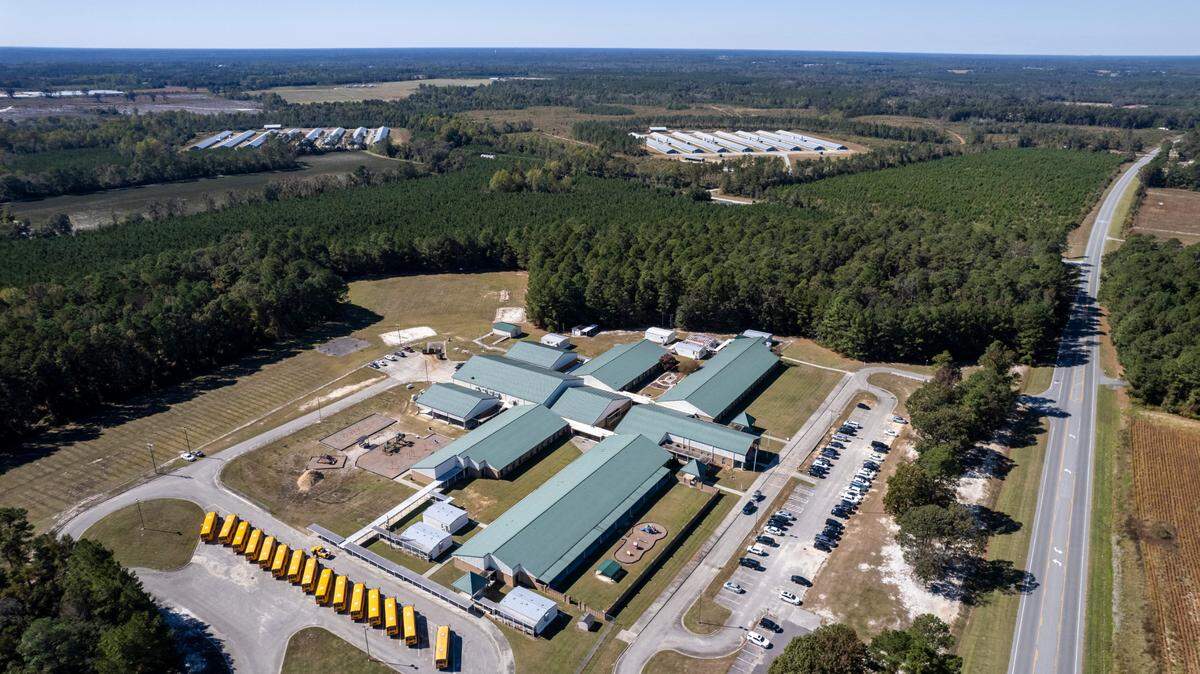
The region has a thick density of hog and poultry farms, as well as coal ash storage sites, highways, landfills and chemical contamination of drinking water supplies, all topics people could talk about Saturday..
“It will allow the community to actually have the opportunity to provide input to the governor’s office about the issues that have been impacting them for so long,” White-Williamson said in an interview.
White-Williamson is hopeful that any future executive order would provide new monitoring for and analyses of pollutants in communities that have multiple sources of exposure. Last year, the EPA awarded CleanAIRE NC a $500,000 grant to install air monitors across Sampson County, a project on which EJCAN is partnering.
”Communities are being exposed to multiple sources and none of that’s being taken into account during the permitting process,” said White-Williamson, who also chairs a DEQ subcommittee focused on cumulative impacts.
A similar meeting is expected to be scheduled to explore similar topics in the western half of the state too.
This story was produced with financial support from 1Earth Fund, in partnership with Journalism Funding Partners, as part of an independent journalism fellowship program. The N&O maintains full editorial control of the work.
This story was originally published March 23, 2023 at 12:20 PM.