Should NC call new elections when politicians switch parties? Some Democrats think so
READ MORE
The party switch
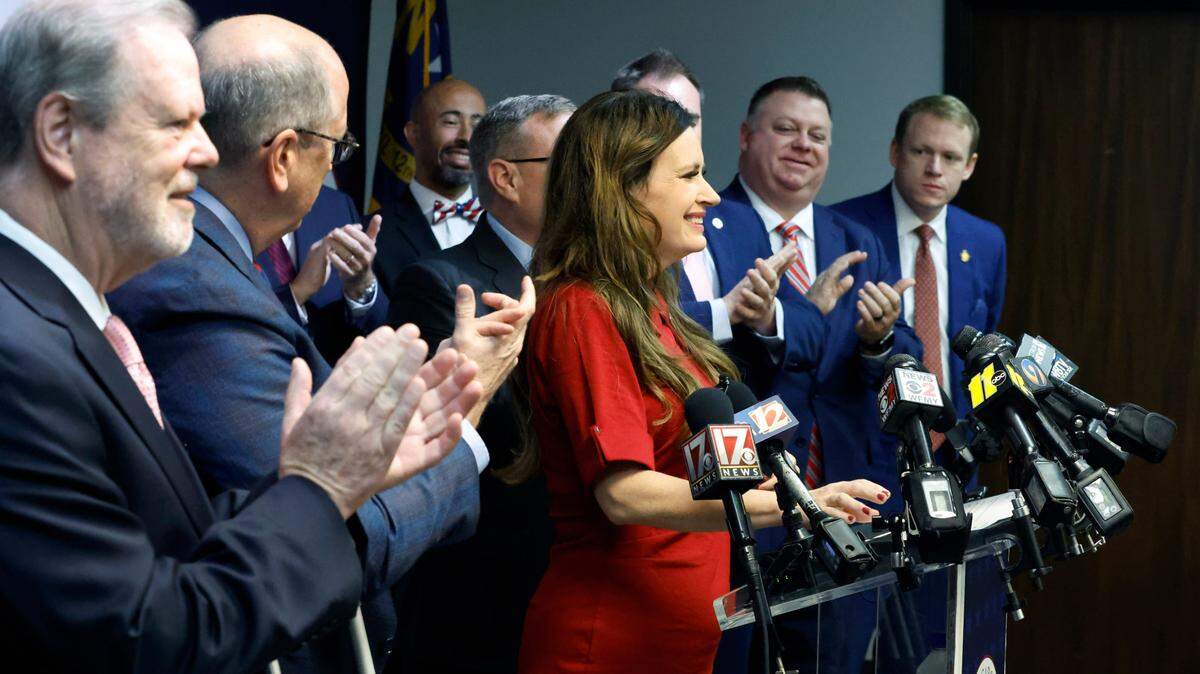
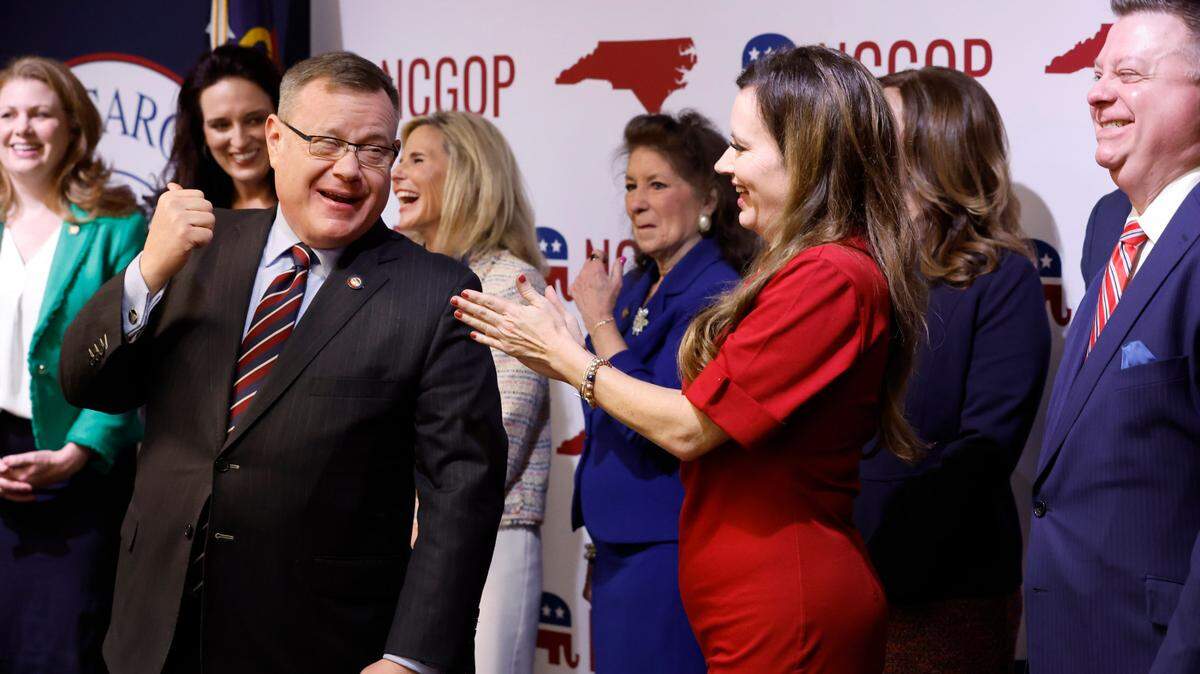
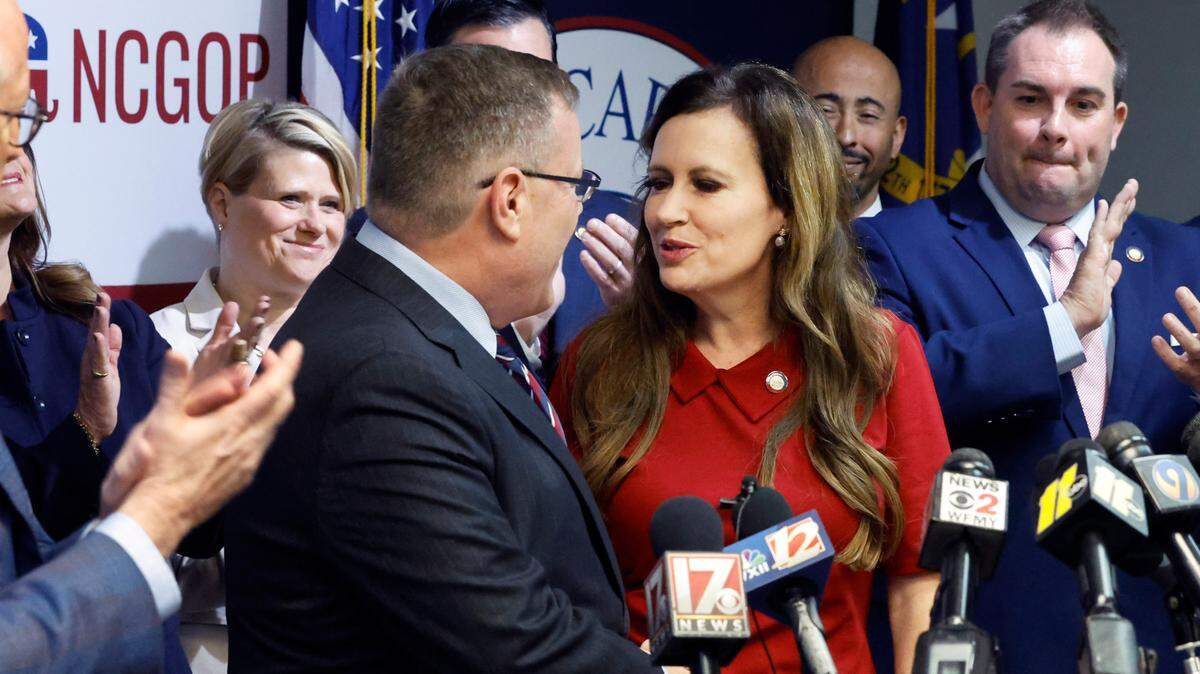
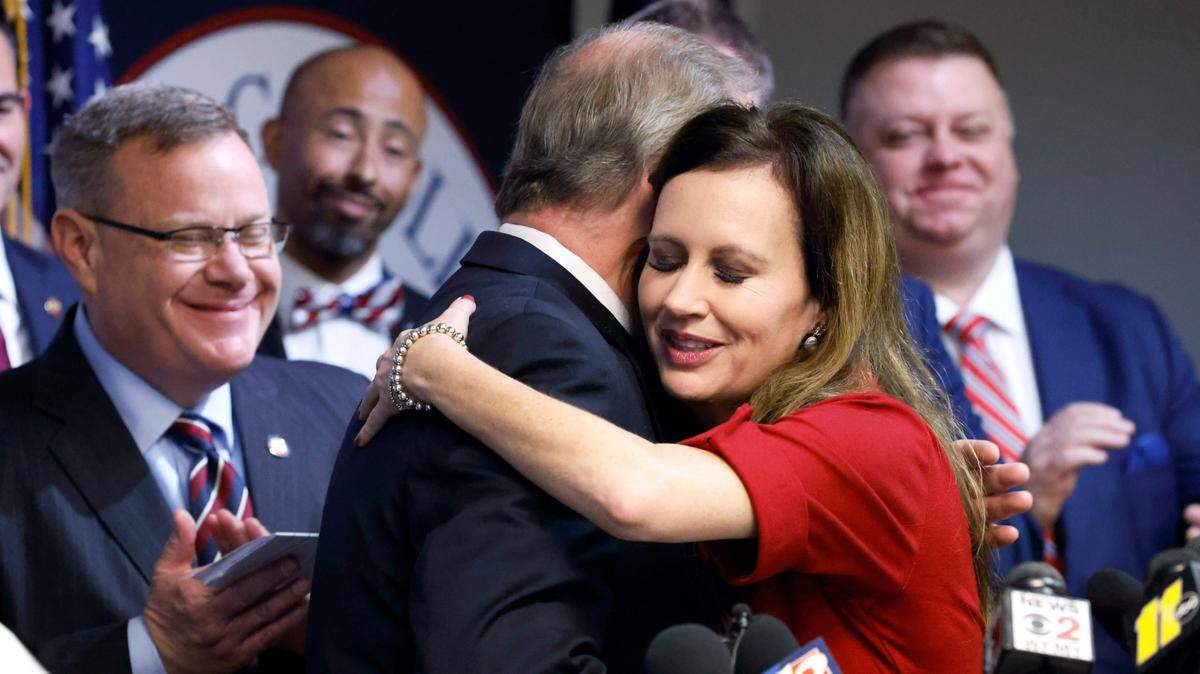
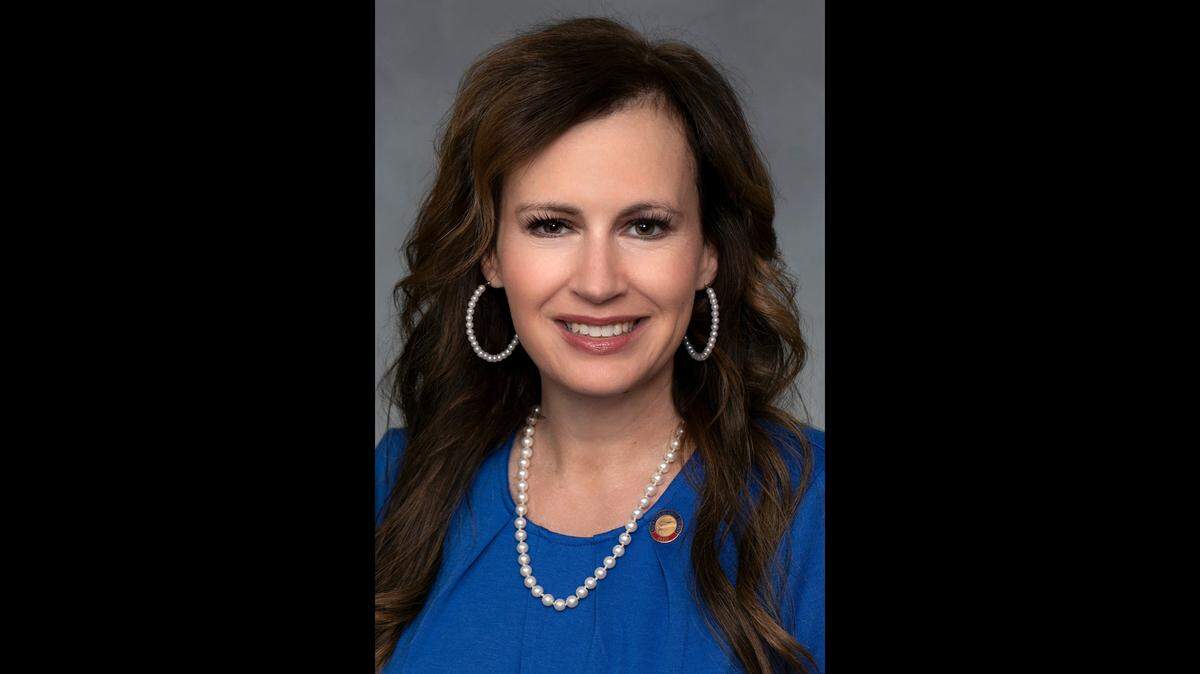
On April 5, 2023, Democratic N.C. House Rep. Tricia Cotham switched to the Republican Party, provoking polarizing reactions across the state. The move has had a ripple effect in North Carolina state politics. Read coverage from The News & Observer and The Charlotte Observer on the move and the aftermath.
Expand All
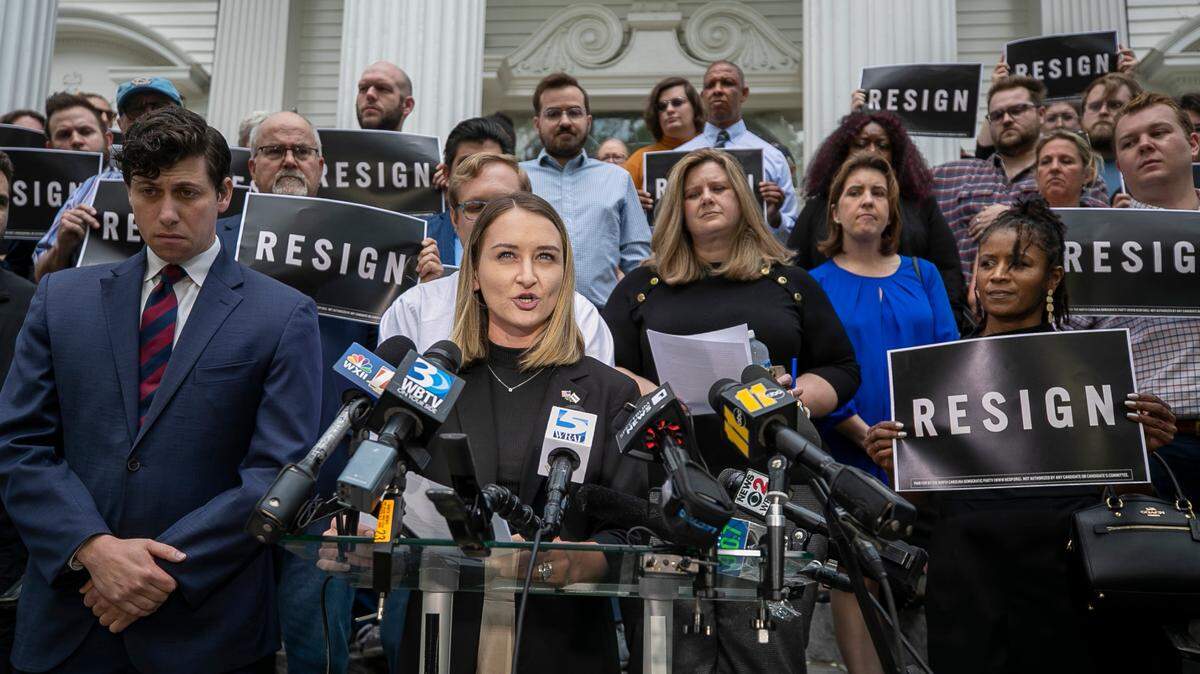
Democrats in the state Senate want North Carolina to hold a special election if an elected official changes political parties.
A bill filed Tuesday morning, dubbed “The Voter Fraud Protection Act,” would call for such elections. It would also require campaign contributions to a party-switching official to be refunded to donors who request their money back.
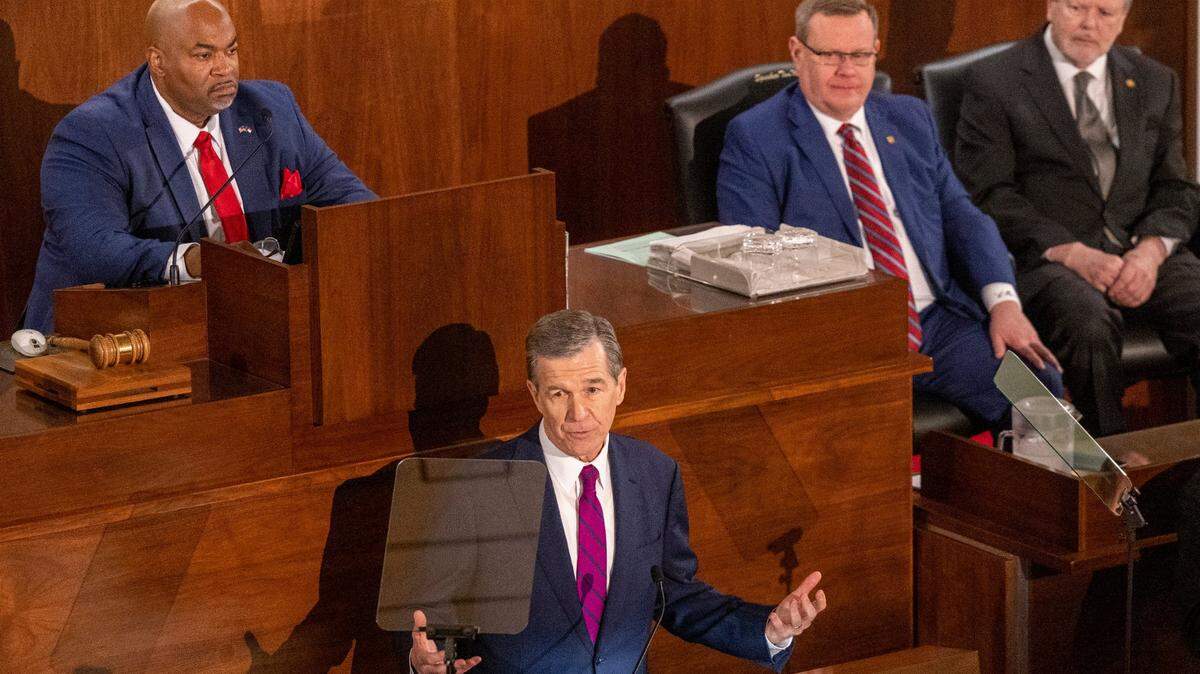
The bill comes after state Rep. Tricia Cotham switched to the Republican Party in April, giving Republicans a veto-proof supermajority in the General Assembly. Since then, some Democrats have called for her to resign her seat in the legislature.
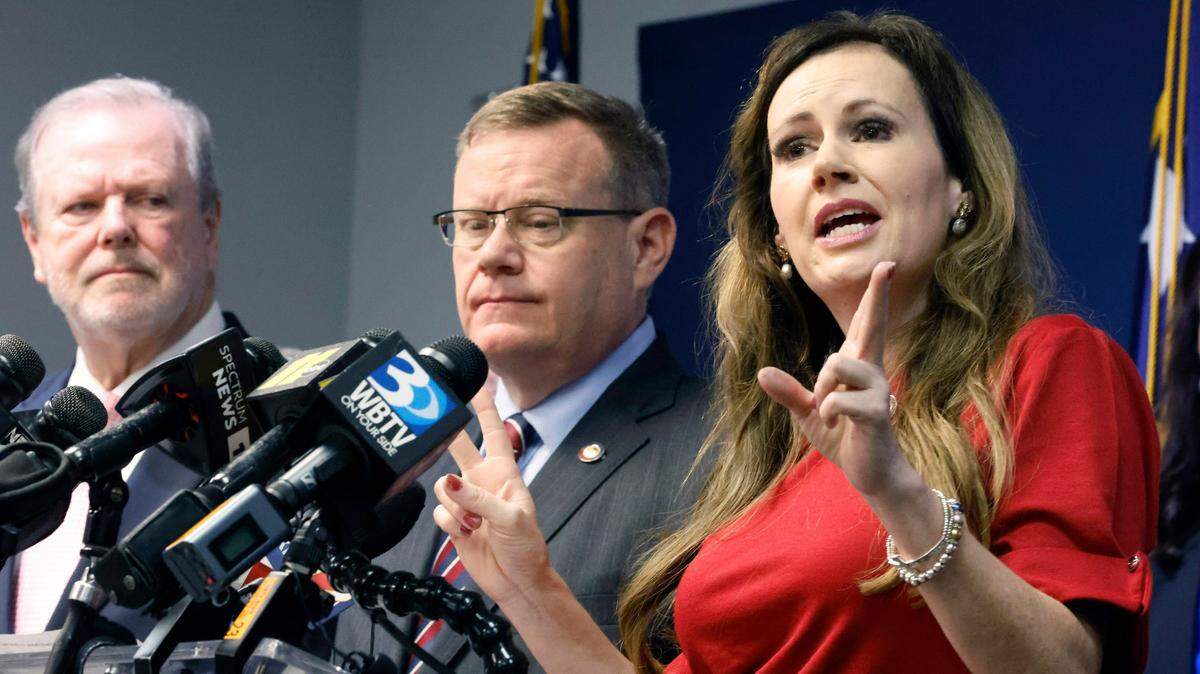
At a Tuesday press conference, Ann Newman, a nurse who said she campaigned for Cotham and contributed to her, expressed her disappointment with Cotham’s switch.
“I’ve known Tricia my whole life, and hell, I even attended her children’s baby shower. So it’s not just a casual relationship,” she said. “The fact that she didn’t apologize has been a really big deal for me. My mother taught me better than that. Did yours?”
Republicans, who hold supermajorities in the House and the Senate, have celebrated Cotham’s switch, making it very unlikely that the proposed bill will pass.
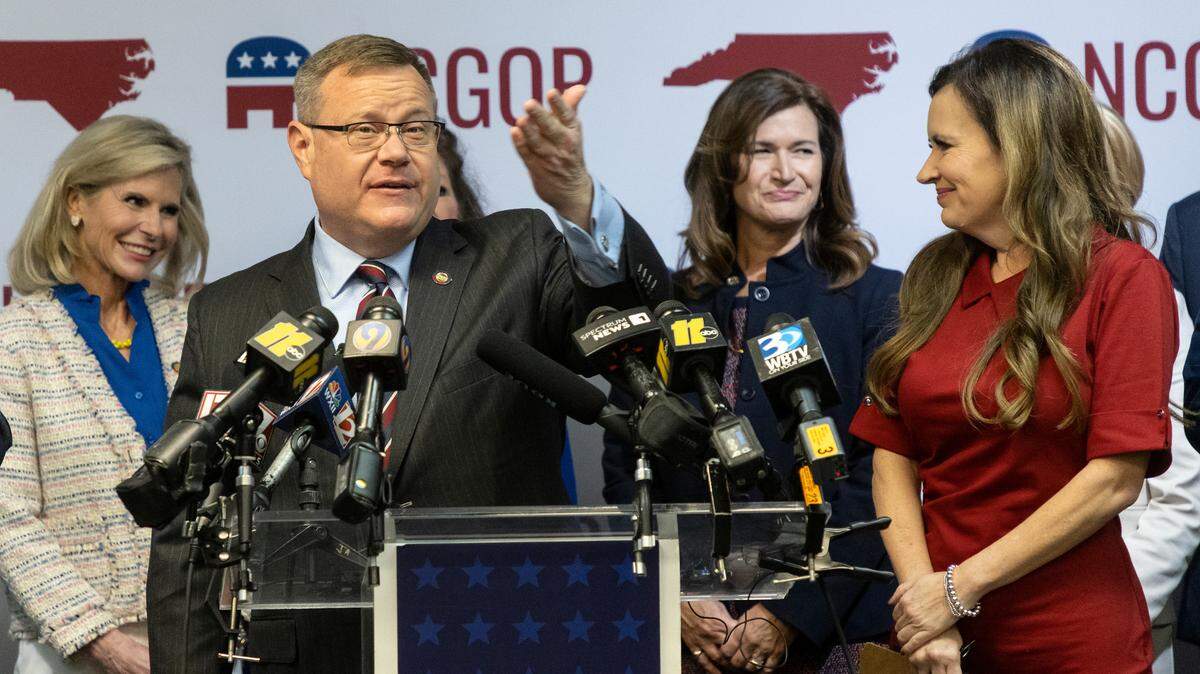
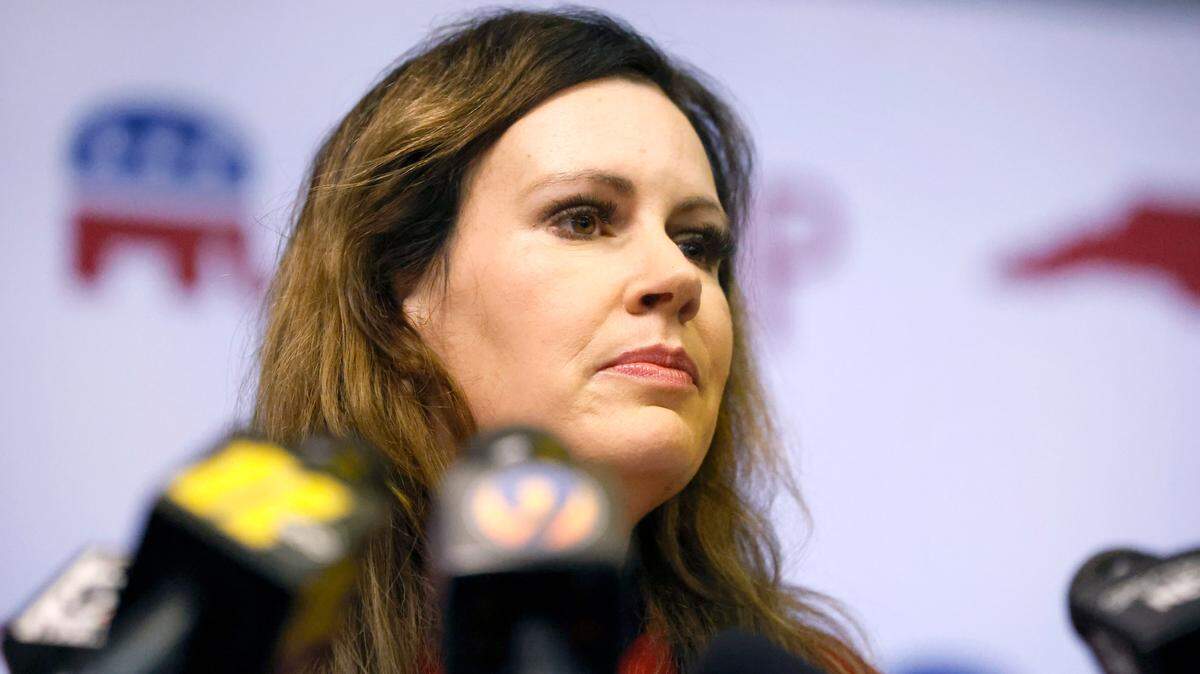
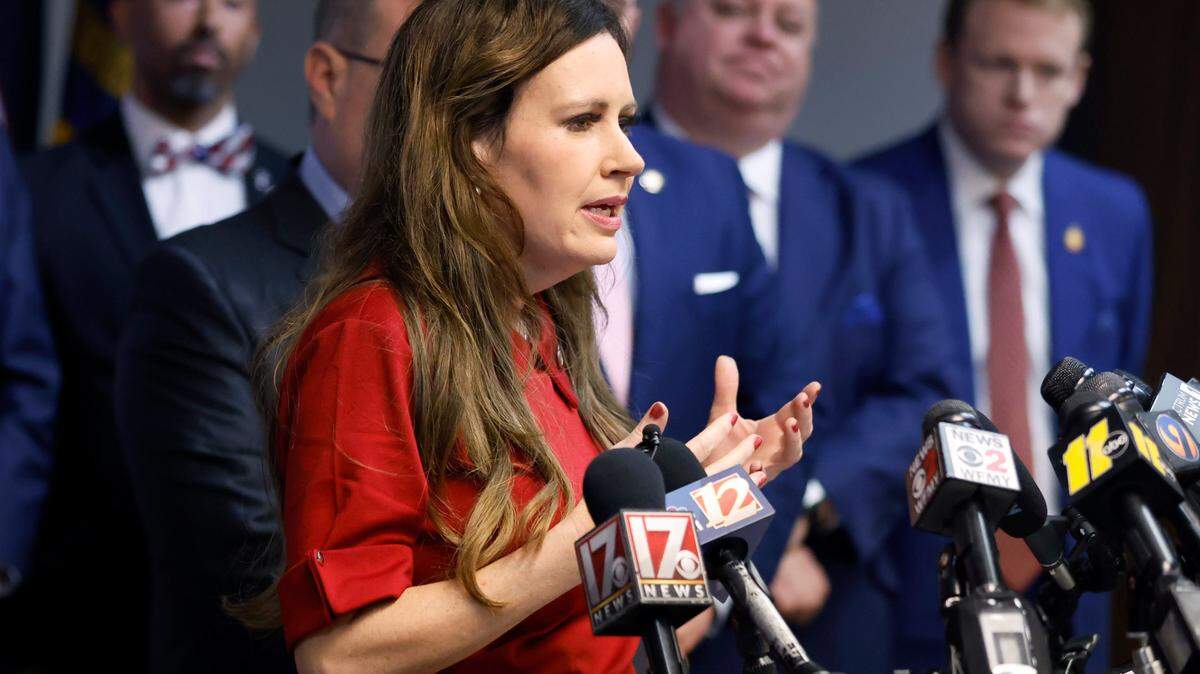
“As long as I have been a Democrat, the Democrats have tried to be a big tent. But this now, where we are, the modern-day Democratic Party has become unrecognizable to me, and to so many others throughout the state and the country,” Cotham said at a press conference after her switch. “The party wants to villainize who has free thought, free judgment, has solutions, who wants to get to work to better our state, not just sit in a meeting and have a workshop after a workshop.”
Unlike the laws in 19 states, North Carolina law does not have a provision under which Cotham can be recalled, The Charlotte Observer previously reported. Voters will have to wait until 2024 to potentially vote her out.
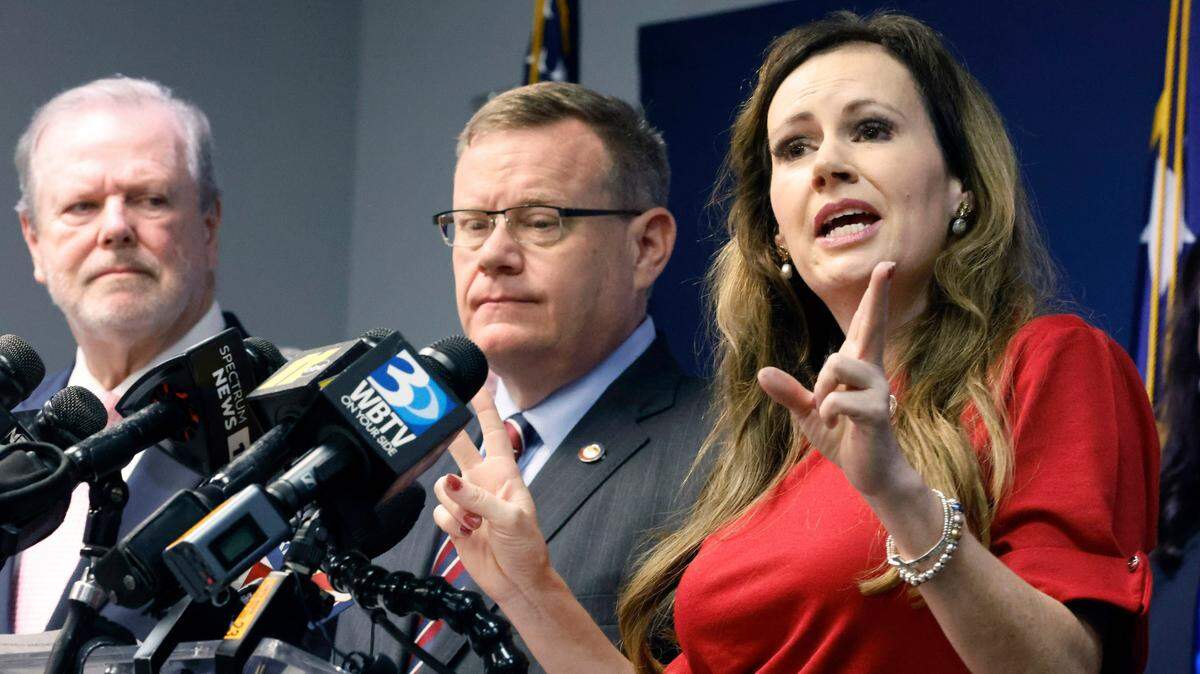
“I’m still the same person. Unfortunately, the Democrats on the other side want to use my story as the narrative that they need to raise money,” Cotham told reporters on Tuesday about the bill. “They are going to keep this going, obviously, by this stunt today.”
“That is not the person that was presented to the voters of House District 112. That is not the person those constituents campaigned for in a hard primary, and who they championed in a general election in a 60% Democratic district,” House Minority Leader Robert Reives said in a statement at the time of Cotham’s switch. “Those constituents deserved to know what values were most important to their elected representative.”
Consequences for party switchers who ‘switched jerseys?’
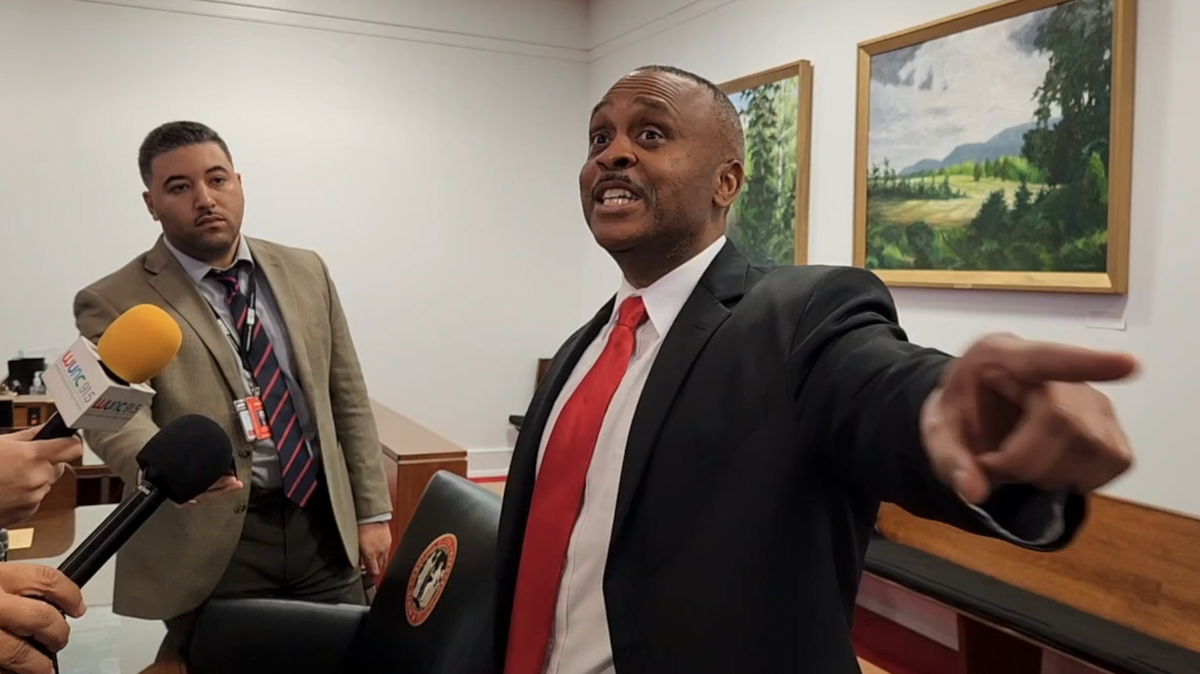
Democratic state Sens. Sydney Batch, Michael Garrett and Natasha Marcus spoke at the press conference.
“If a player on Ted Lasso’s AFC Richmond team suddenly switched jerseys and started scoring for the opposite team, the fans would demand that Coach Lasso replace that player, and justifiably so,” Marcus said.
Party switching, though rare, does have some precedent in the state legislature. Most notably, state Rep. Michael Decker changed his affiliation from Republican to Democrat in 2003 after a $50,000 bribe from then-House Speaker Jim Black, who needed Decker’s vote to remain speaker following the prior year’s elections. Both Decker and Black went on to serve prison time.
In the 1970s, state Reps. Carolyn Mathis and Ralph Ledford switched parties from Republican to Democrat just two sessions apart, The News & Observer previously reported.
In 2015, state Rep. Paul Tine changed his affiliation from Democrat to unaffiliated.
Garrett clarified that the bill would, under his interpretation, not apply to those who switch to unaffiliated as they would not be part of an organized party in North Carolina.
This story was originally published June 5, 2023 at 7:18 PM.