One Republican justice dissents in case blocking NC Supreme Court election certification
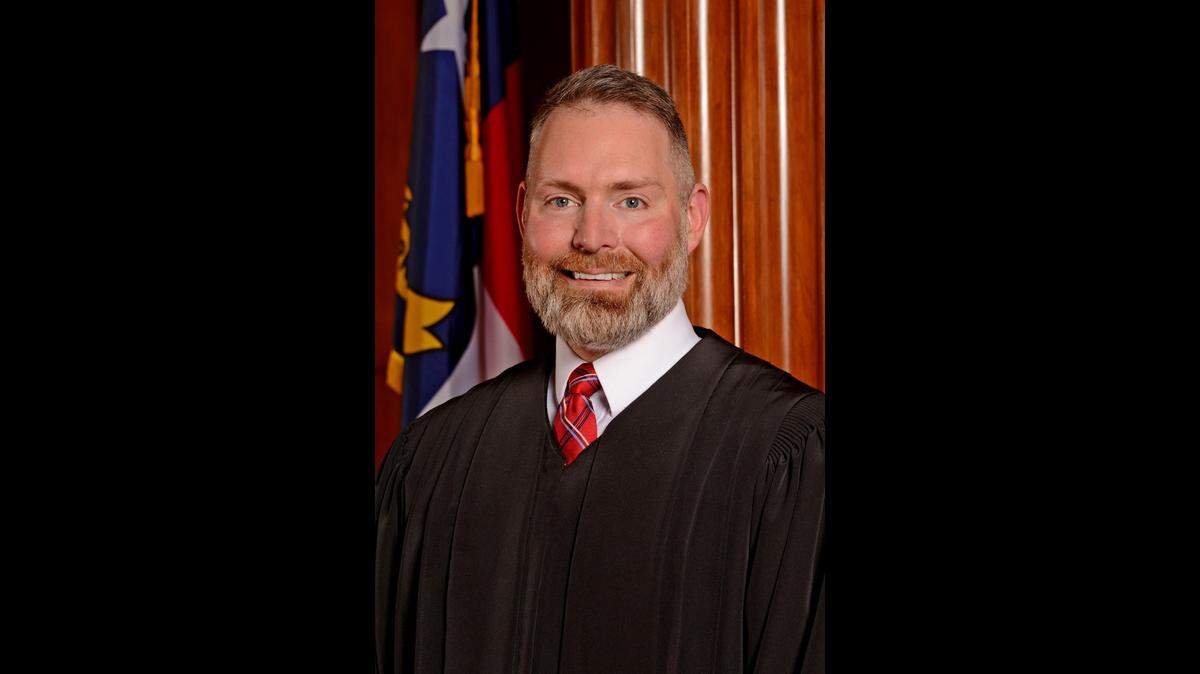
One Republican on the North Carolina Supreme Court broke with the rest of his party on a decision blocking the state from certifying a victor in the election for a seat on the court.
The court’s Republican majority initially appeared to have voted 5 to 1 to issue a temporary stay preventing the State Board of Elections from certifying Democrat Allison Riggs as the winner in the Supreme Court race.
But later in the day, Republican Justice Richard Dietz announced his dissent in an amended order.
“Permitting post-election litigation that seeks to rewrite our state’s election rules — and, as a result, remove the right to vote in an election from people who already lawfully voted under the existing rules — invites incredible mischief,” he wrote. “It will lead to doubts about the finality of vote counts following an election, encourage novel legal challenges that greatly delay certification of the results, and fuel an already troubling decline in public faith in our elections.”
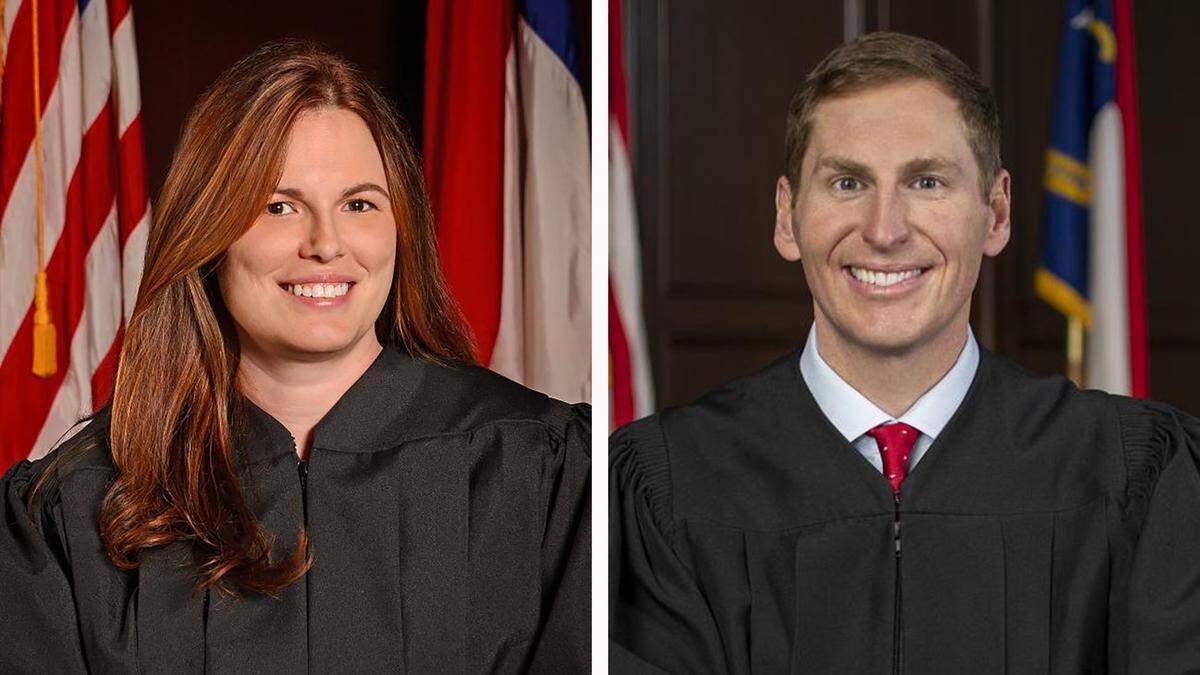
Riggs leads her opponent, Court of Appeals Judge Jefferson Griffin, by 734 votes. Griffin has challenged the validity of over 60,000 ballots cast in the election in a legal case which has ping-ponged between state and federal courts.
In his opinion, Dietz said that he thinks some of Griffin’s claims may have merit — but any issues with how the state conducts elections should have been addressed in litigation before votes were cast.

This isn’t the first time Dietz has disagreed with the other conservative justices on the court.
In September, the Supreme Court ruled that the state must remove then-third-party presidential candidate Robert F. Kennedy Jr. from the ballot — a decision that delayed the mailing of absentee ballots for several weeks.
Dietz joined the court’s two Democrats in dissenting, agreeing with the State Board of Elections which had argued the change would be impractical.
Dietz’s switch in Riggs’ case does not ultimately change the court’s decision to block certification, but it could offer insight into how the court may rule further down the line.
In fact, Dietz wasn’t the only Republican justice to provide such insight late in the day.
Justice Trey Allen offered a concurring opinion in which he cautioned against interpreting his decision as an endorsement of Griffin’s arguments.
“The court’s order granting Judge Griffin’s motion for temporary stay should not be taken to mean that Judge Griffin will ultimately prevail on the merits,” he wrote. “... By allowing the motion, the court has merely ensured that it will have adequate time to consider the arguments.”
The State Board of Elections has asked the 4th Circuit U.S. Court of Appeals to bring the case back to federal court, after a judge in a lower court declined to take jurisdiction.
Barring any action from the 4th Circuit, final briefs in the North Carolina Supreme Court case will be due on Jan. 24.
This story was originally published January 8, 2025 at 10:51 AM.