
What NC Gov. Josh Stein wants for the state budget vs. what GOP leaders are likely to do
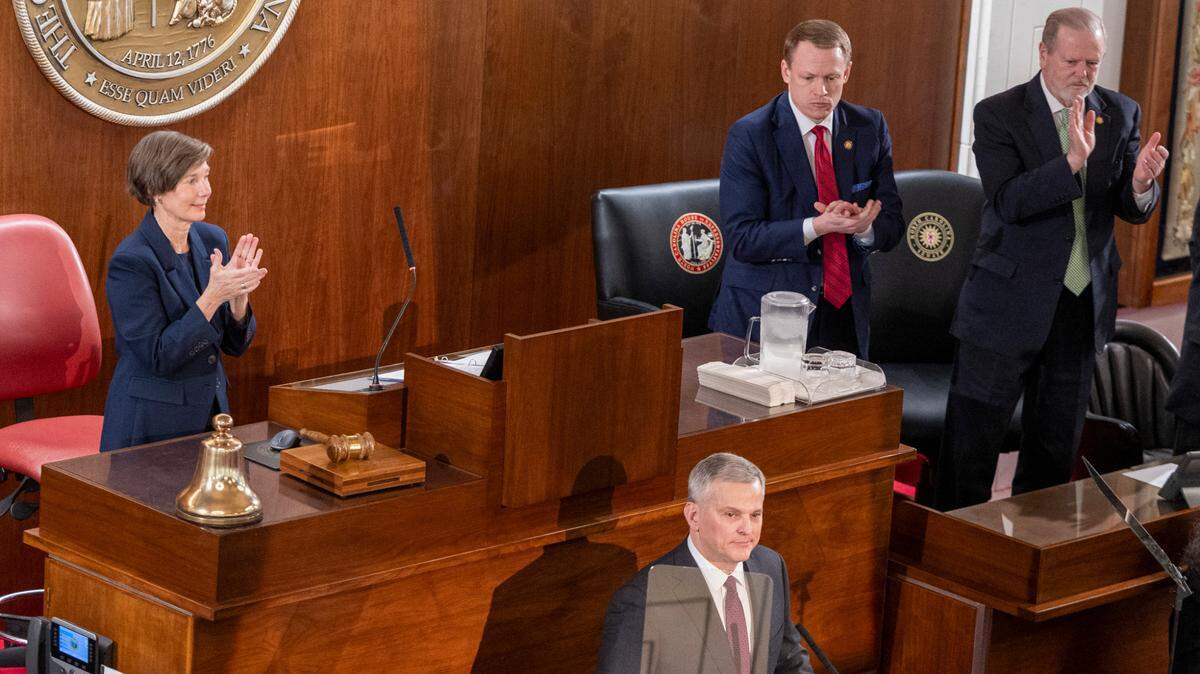
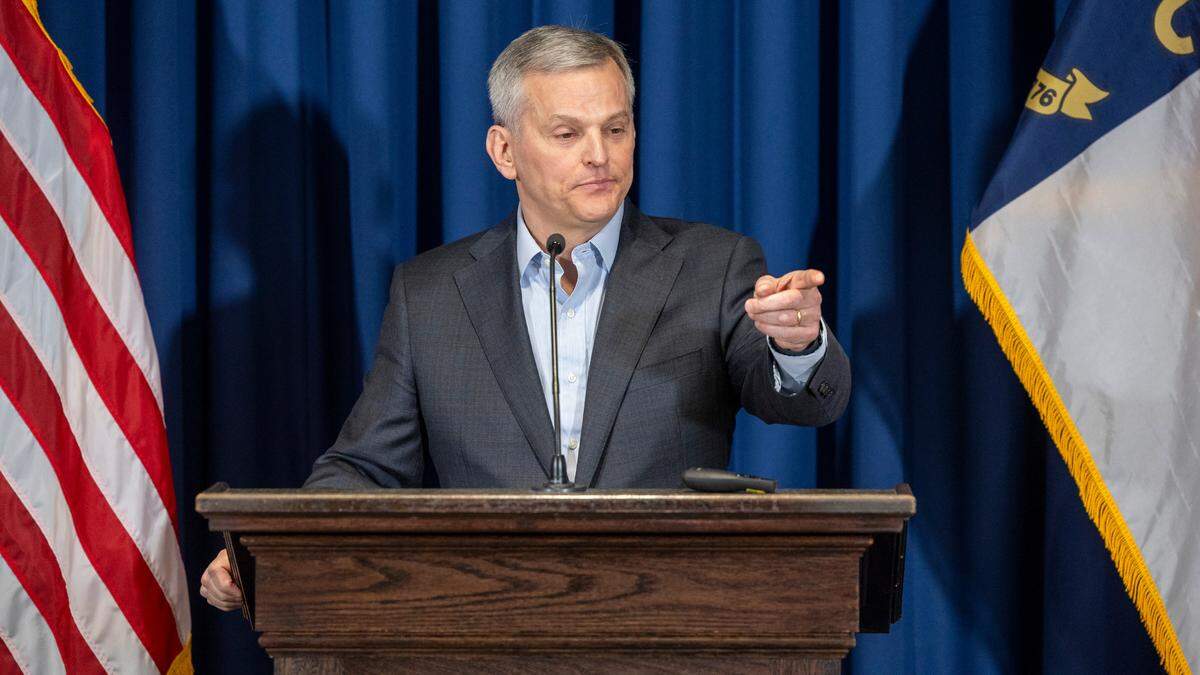
North Carolina’s Democratic Gov. Josh Stein made his budget proposal to the General Assembly via letter and press conference on Wednesday, pitching a few things that Republicans like, like tax cuts — but not the tax cuts that Republicans already passed.
And his raises for state employees aren’t even as high as what Republicans usually pitch themselves.
It was a budget far different from those of Stein’s Democratic predecessor, and one that could get him some wins. But given the partisan divide on some spending questions, some all but definite losses, too. Because the bulk of the budget is decided by the legislature, not the governor.
Welcome to the Sunday edition of our Under the Dome newsletter, which focuses on the governor. I’m Dawn Vaughan, The News & Observer’s Capitol bureau chief.
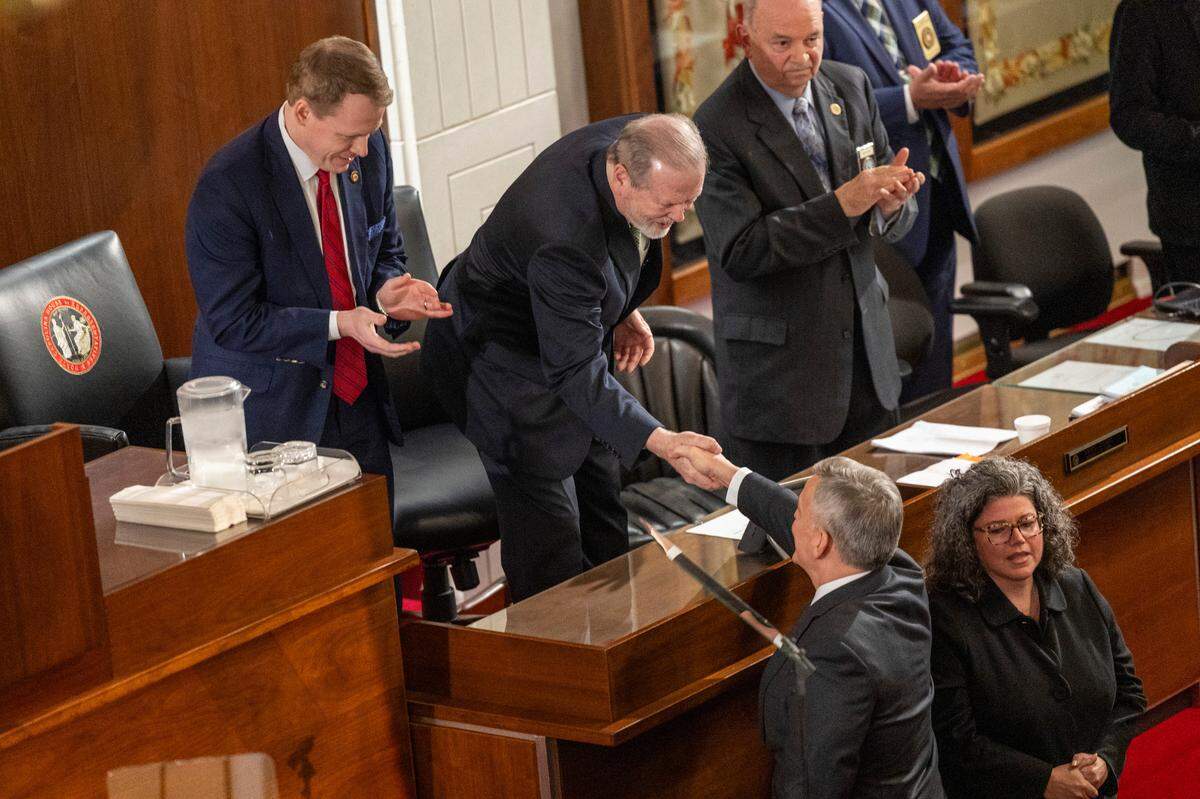
Stein signed his first bill into law this past week, the fourth round of state funding for Helene recovery. He was joined by Democrats and Republicans for the bill signing ceremony just a few hours after it passed.
But the state budget battle — assuming it becomes one — is unlikely to end with bipartisan smiles.
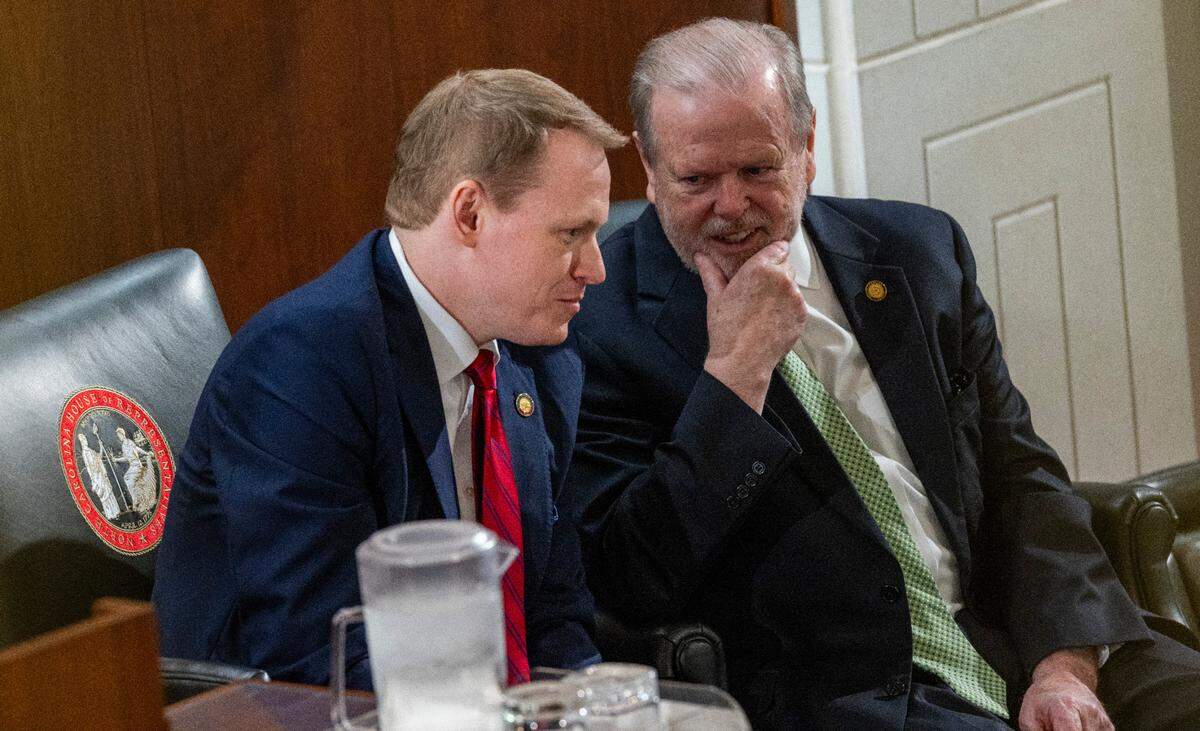
Stein is one-third of the three most powerful politicians in the state. The other two are Senate President Pro Tempore Phil Berger and House Speaker Destin Hall. Berger leads a Republican supermajority in the Senate, meaning they can easily override a Stein veto, and Hall leads a Republican House majority that is just one vote short of total control.
And what’s more, legislative Republicans aren’t the only ones opposing what he’s recommending.
So what kind of chance do Stein’s big pitches actually have of becoming law?
Private school vouchers
A “non-starter” for Republican legislative leaders is Stein’s call for a moratorium on private school vouchers, called the Opportunity Scholarship Program. The legislature expanded the program, which gives money to families who send their children to private school, to all income levels.
Hall said he was disappointed that Stein wants to cut them, saying that thousands of students are using them in the state.
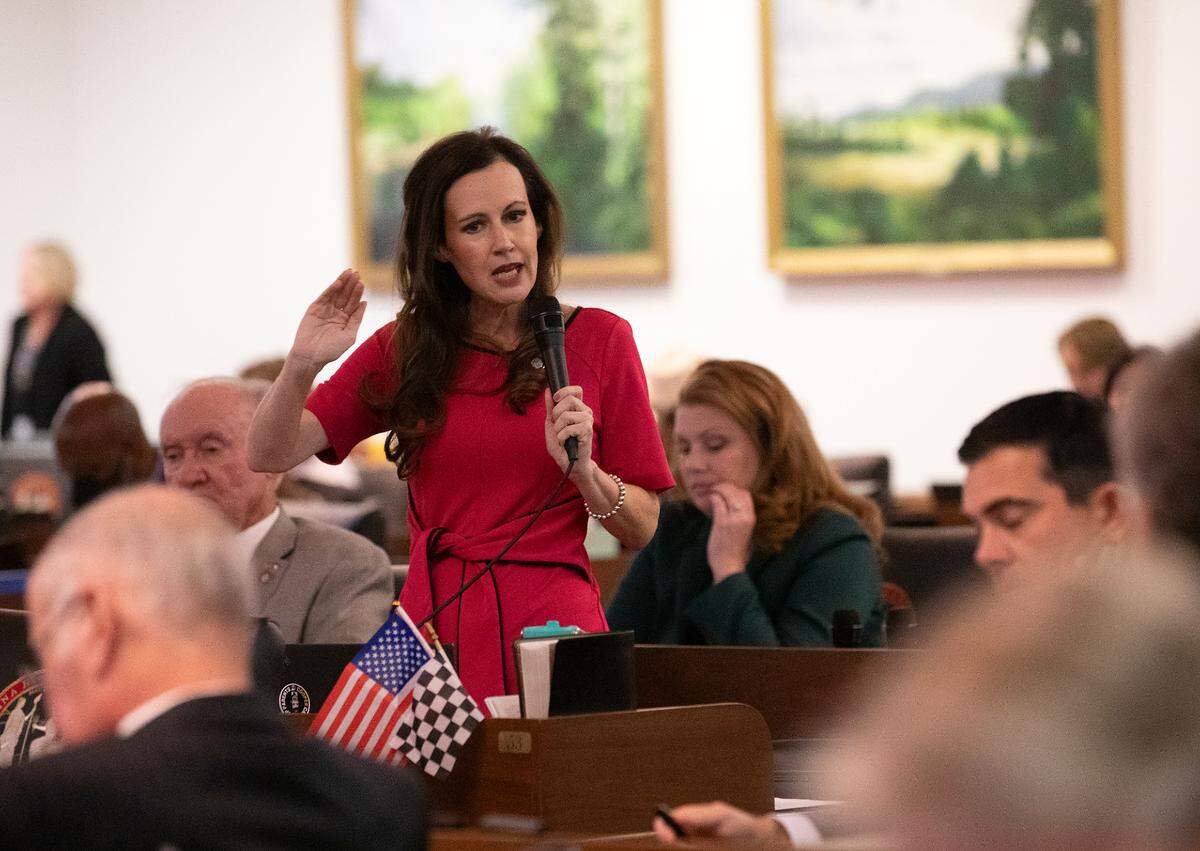
“I can tell you that particular provision in the governor’s budget is a non-starter with us,” Hall said Wednesday, adding that “most of our members like what they see.”
“We want parents to be able to choose the school that works best for their child, and whether that’s a public or private school, we want to leave that up to the parents,” Hall added.
Stein, however, says the state doesn’t have enough money for new vouchers.
“Public dollars should go to public schools,” Stein told reporters on Wednesday. “We’re a fast growing state. We have increasing student enrollment. We have to meet the needs of our public school students.”
Two different takes on taxes
Stein wants to freeze tax cuts that would reduce the individual and corporate income tax rates. The current individual income tax rate is 4.25% and is set to drop down to 3.99% in 2026.
Berger said Republicans are not receptive to the idea of delaying tax reductions, nor carving out special credits in taxes.
Stein wants tax credits for child care and working families at a certain income, as well as converting the current child deduction to a tax credit. Those credits would all be refundable — meaning that people could still get them even if they don’t owe income taxes.
“Our philosophy has generally been to try to reduce the overall tax rate for everybody, and we feel that that’s been a policy determination, policy initiative and direction that has endured to the benefit of the state as a whole,” Berger said.
Hall also touted the Republican-driven tax cuts, including the continuing reductions in the individual and corporate income tax rates. However he’s open to looking at longer range tax cuts and “refining that, and so if we need to make adjustments around our tax cuts, I think we can do that potentially. We’re not going to raise taxes, obviously.”
Hall said they’ll “look at the tax picture to see if we need to essentially dial the knob somewhere,” given recent inflation.
There will be a revised consensus revenue forecast out in May, after April tax collections, to give lawmakers a better economic picture.
“As we watch the revenues come into the state, I think you’ll have members taking a look to see if we want to turn the dial, the knobs, a little bit on tax cuts,” Hall said.
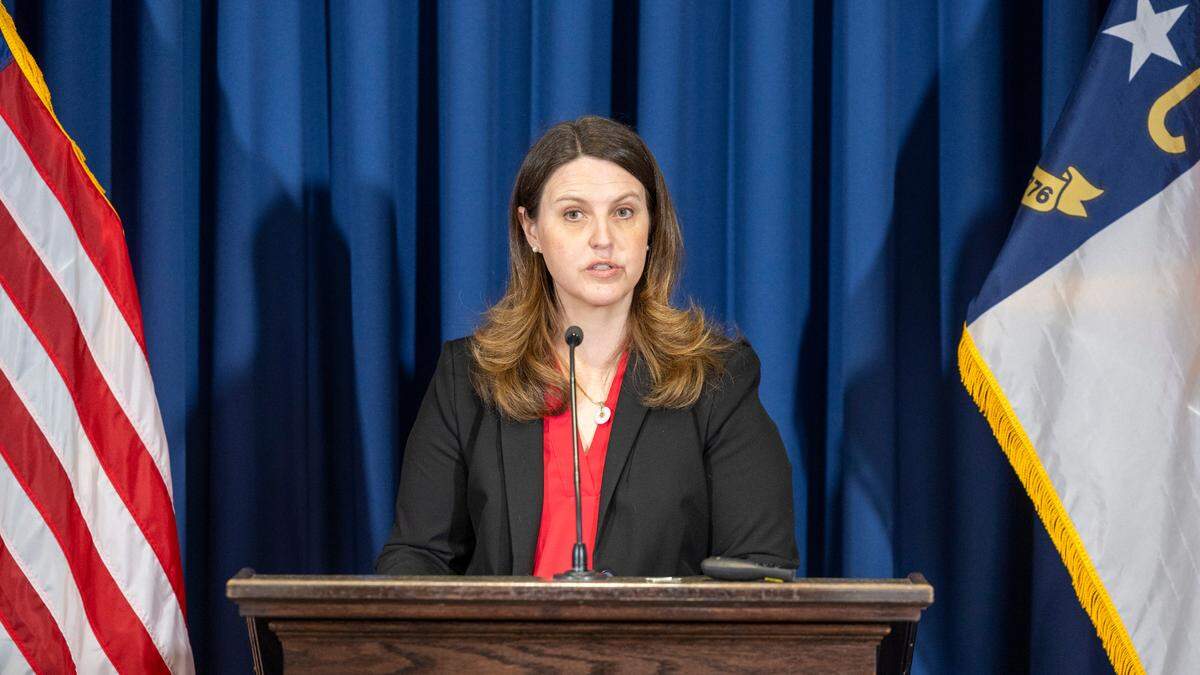
Berger was dismissive of the warning by Stein and his Office of State Budget and Management of an impending “fiscal cliff” in the coming years if tax reductions continue.
“Same argument we’ve heard from the past,” Berger said. “I still think that as the as the economy grows, even at lower rates, the overall revenue will be adequate, more than adequate to cover the state budget.”
“And if, if not, that’s one of the reasons we have the Rainy Day Fund,” he said.
Raises for state employees likely higher than Stein’s pitch
This may be the first time in recent history that Republicans want higher raises for state employees than the Democratic governor.
Stein is proposing just 2% raises for most state employees, which the State Employees Association of North Carolina called “irresponsible” at a time when the state has a 20% vacancy rate.
“We have a 20% vacancy rate in state government and the governor has warned of a budgetary fiscal cliff after this year. If true, this is his only chance to give state workers enough raise to retain them. And his best effort is 2%? It’s illogical and irresponsible,” said Ardis Watkins, executive director of SEANC.
Stein, who also proposed a $1,000 retention bonus for state employees, said he wished there was more money for raises.
Hall, who leads the Republican majority in the House, wants higher raises than just 2%, but doesn’t know how much more the House proposal will be.
“The problem that we face on salaries, just like with state employees, and really, you know, any employee, even if you’re in the private sector, inflation has gotten so high that a lot of the increases that you’ve seen us give, in large part, have been eaten up by that inflation,” Hall said.
Teacher pay on the table
Stein wants starting teacher pay to be the highest in the Southeast, with a goal of $53,000, with supplements, by 2027. That might not be out of reach.
Hall said House Republicans want to do all they can to be “as highly ranked in the South as we can be,” while noting the wealth of Northern Virginia could skew our neighbor state’s rank.
Without giving specifics, he said the House wants to “do all we can” on teacher pay, including for experienced teachers. Hall said because of inflation, pay is “a moving target.”
He also said that the House is looking at different models of how teachers are paid beyond the current pay scale.
Berger, too, is open to discussion about how the state structures teacher pay.
School bond is DOA
Stein’s recommendation for a $4 billion public schools bond is dead on arrival.
Hall’s response when reporters asked him about it: “Not with 7.5% interest rates. I think the time to have done that, if it were going to be done, would have been back when we had next to 0% interest rates.”
And Berger isn’t interested at all.
“We’ve been very diligent in trying to get the general fund out of the bond business. And it’s worked fairly well,” he said, referencing how the state has avoided borrowing by using the State Capital Infrastructure Fund, and adding that he doesn’t know why the state “would want to go ahead and get back into going into debt.”
Budget timeline
Berger said Wednesday that he and Hall are still negotiating the total amount of money that the Senate and House each want to spend in the budget. In recent years, the chambers have needed to agree on that total spending figure before either chamber crafts the legislation.
Once that is decided, the Senate is expected to present its budget bill by mid-April. Berger said Thursday that the goal is to pass the Senate’s budget bill by April 17, before the legislature takes a spring recess the week after Easter.
The chambers take turns being the first to propose the budget bill, before the other chamber proposes its own version. Then they may agree on a final version to send to Stein sometime in June or after, depending on the success of negotiations.
Stay informed about #ncpol
Our Under the Dome podcast is moving to Tuesdays to bring you the most up to date news, so your Tuesday Under the Dome newsletter will be a preview of that new episode. On Mondays, your Under the Dome newsletter will focus on the impact of the Trump administration on North Carolina, starting tomorrow.
Not a newsletter subscriber? Sign up on our website to receive Under the Dome in your inbox daily.
.jpg)