UNC, Duke researchers await grant reinstatement after judge halts more NIH cuts
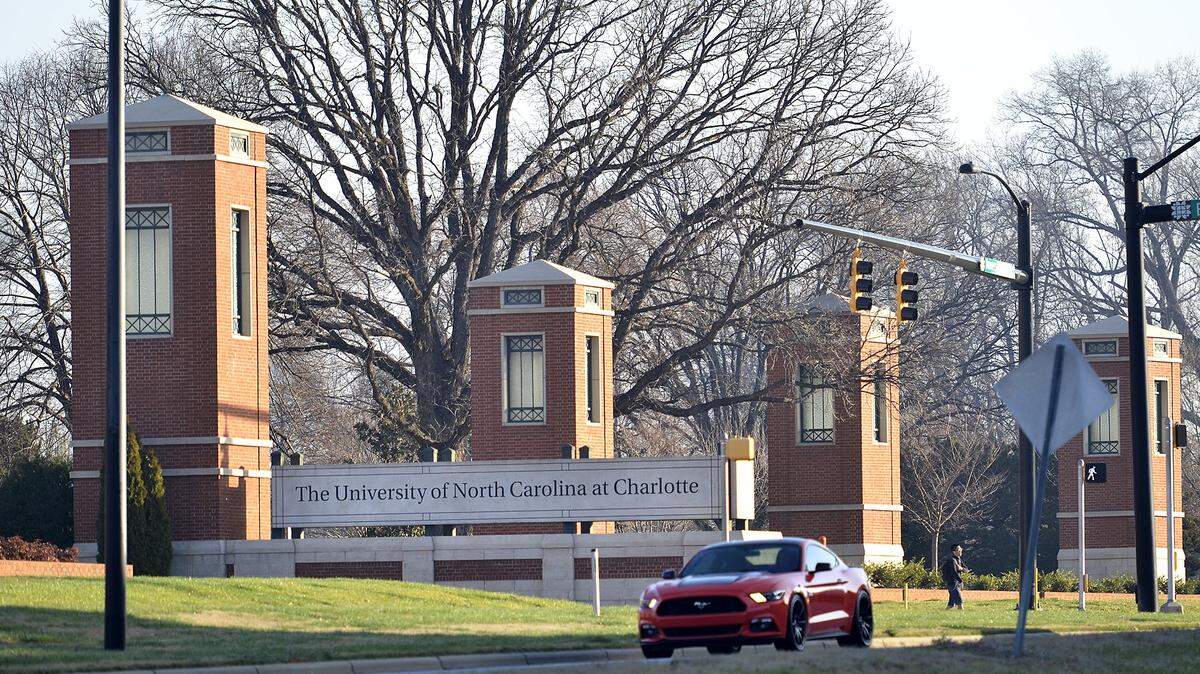
More North Carolina researchers could see their federal grants reinstated after a judge this week ruled the Trump administration illegally cut hundreds of National Institutes of Health awards linked to diversity, equity and inclusion and similar topics.
“It’s really tenuous,” said Annelise Mennicke, a social work professor at UNC-Charlotte who had her NIH award terminated in March. “We’re proceeding as if the grant is going to return. We’re also preparing for the reality where nothing will change.”
Since February, the NIH has rescinded hundreds of millions of dollars for projects connected to race and identity, including at Duke University, UNC-Chapel Hill, Wake Forest University Health Sciences, and UNC-Charlotte. Among the canceled grants was $458,000 for Mennicke’s team to research and develop a sexual violence support program for LGBTQ+ individuals.
On Monday, District Court Judge William Young of Massachusetts ordered these terminations “void and illegal” while accusing the government of discrimination.
“That’s what this is,” Young, a Reagan appointee, said. “I would be blind not to call it out. My duty is to call it out.”
Andrew Nixon, spokesperson for the Department of Health and Human Services, said the government will consider legal options like appealing or seeking a stay to the order.
“HHS stands by its decision to end funding for research that prioritized ideological agendas over scientific rigor and meaningful outcomes for the American people,” he wrote in a statement to The News & Observer.
Which NIH grants will the lawsuit revive?
On Tuesday, North Carolina researchers awaited official word on their funding.
“There has been restoration of other federal agency funding following judicial actions, so we may see this occur for these NIH dollars,” Andy Johns, senior associate vice chancellor for research at UNC-Chapel Hill, said in an email statement Tuesday to The N&O.
In April, District Court Judge Mary McElroy of Rhode Island ordered the Department of Health and Human Services to reinstate billions of dollars for pandemic-related research. Researchers at Duke and UNC-Chapel Hill described regaining access to this money.
The National Institutes of Health is the world’s largest public funder of biomedical research. Last year, North Carolina institutions received almost $2 billion in total NIH funding, more than half of which went to either Duke University or UNC-Chapel Hill.
But nearly halfway through 2025, the state has only received $612 million in NIH grants. Duke and UNC officials cited reduced federal funding among their reasons for recent personnel changes — faculty buyouts at Duke and hiring and salary caps across the UNC System.
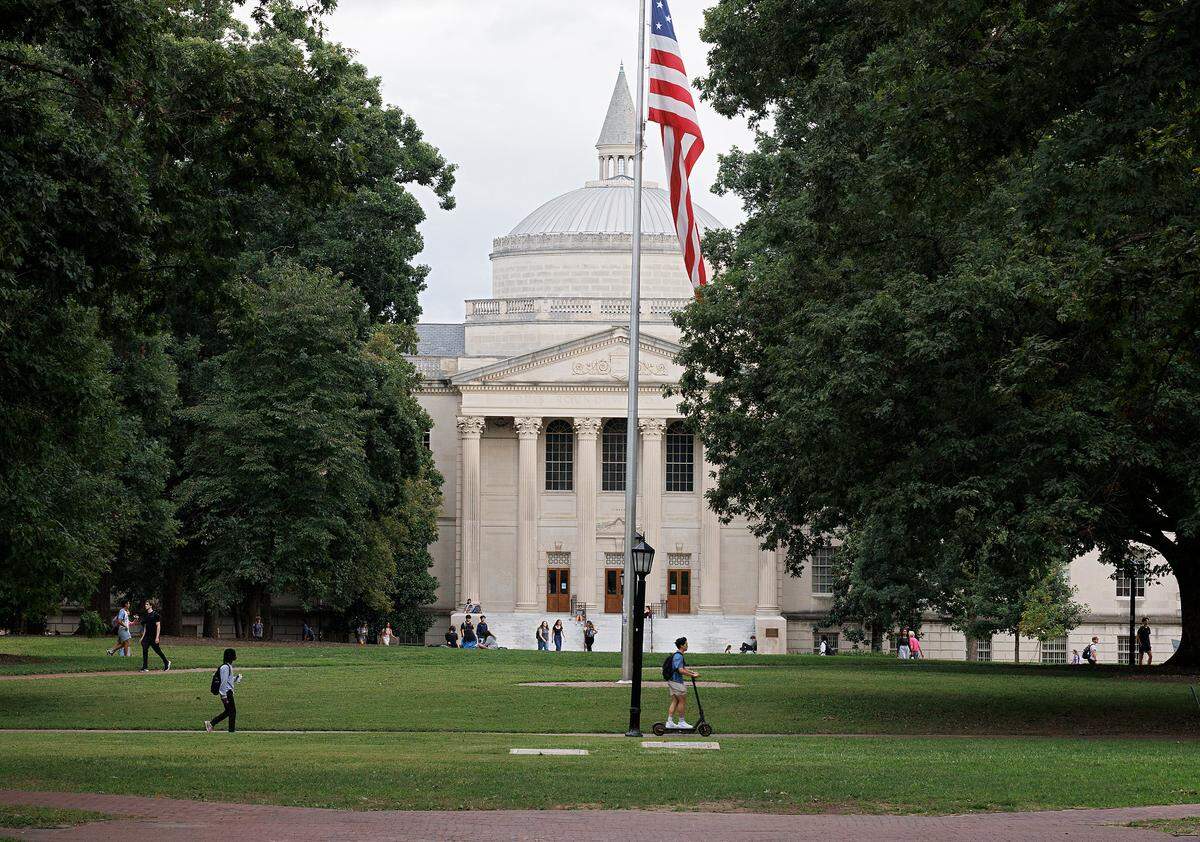
“A gap in funding can be incredibly disruptive to individual research projects,” Johns said. “It can interrupt services to research participants, result in lost opportunities to capture data, and make it impossible to afford the personnel and resources needed to sustain research projects.”
Judge Young’s ruling this week applied to two separate lawsuits led by a coalition of Democratic state attorneys general and the advocacy organization American Public Health Association. The plaintiffs argued the NIH acted unlawfully when it released a directive in February to stop funding for research associated with race, gender identity, and LGBTQ+ topics.
Young’s order only covers grants identified by these plaintiffs. The research grant awarded to Mennicke’s team is included.
NC researchers detail disruptions
Grant cancellations disrupted life for North Carolina researchers and students, said Jessamyn Moxie, a UNCC public health professor who is the principal investigator on the LGBTQ+ health grant with Mennicke.
The researchers used initial funding last year to launch the program and hire six student assistants. Many of them, she said, belong to historically marginalized communities.
Though Moxie’s grant was supposed to span multiple years, NIH canceled it in late March.
“This award no longer effectuates agency priorities,” the agency wrote in its grant termination letter. “Research programs based on gender identity are often unscientific, have little identifiable return on investment, and do nothing to enhance the health of many Americans. Many such studies ignore, rather than seriously examine, biological realities. It is the policy of NIH not to prioritize these research programs.”
This abrupt cancellation brought chaos and uncertainty to her team, Moxie said, not only for the research, but also the students’ income.
“Many of them planned to have this job for at least one more year,” she said.
The university covered her program costs for the rest of the spring semester, but Moxie remains unsure how her grant will be funded moving forward, or whether her program can continue at all.
This story was originally published June 18, 2025 at 1:45 PM.