UNC System president restricts campuses’ salary spending, hiring amid funding threats
AI-generated summary reviewed by our newsroom.
- UNC System president imposed personnel and salary caps across all campuses.
- Campuses must maintain April 2025 staffing levels and limit new hiring approvals.
- Funding cuts at state and federal levels prompted targeted cost containment measures.
Amid increased threats to funding for higher education, the UNC System is implementing a “personnel cap” that will require campuses to implement new restrictions on salary spending, employee headcounts and hiring.
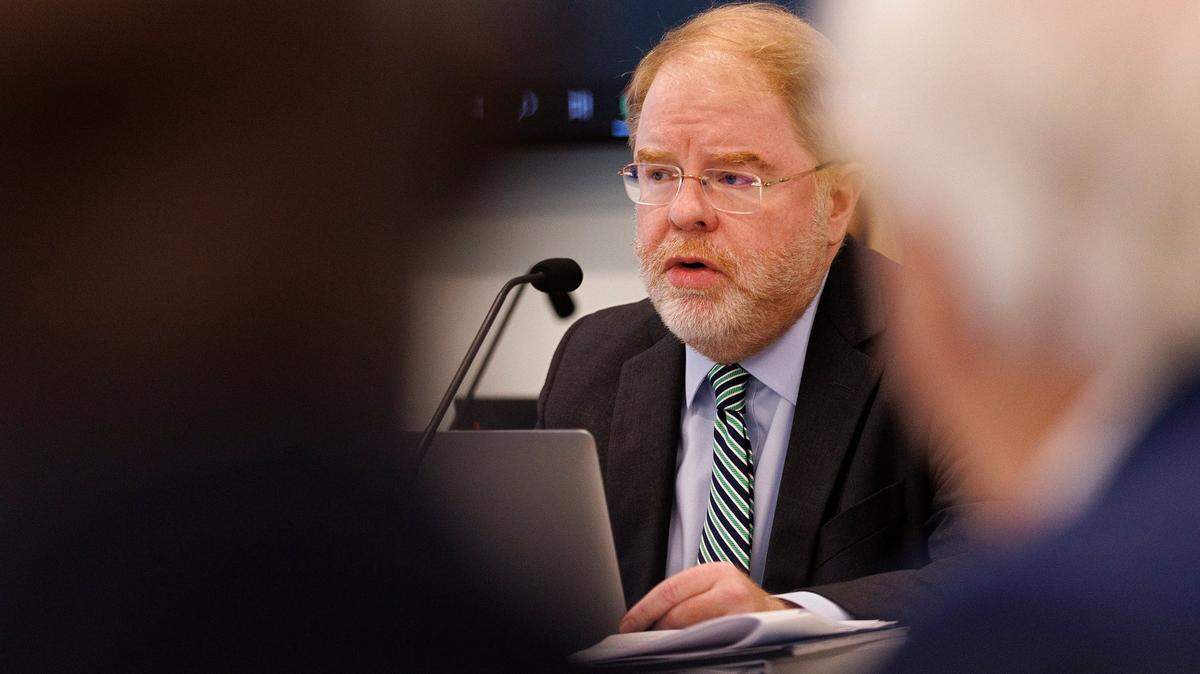
UNC System President Peter Hans informed the chancellors of the state’s public universities of the new restrictions in a memo Thursday, per a copy of the document obtained by The News & Observer.
In his message, Hans said changes to university funding at both the federal and state levels create a need for the caps. He noted that a state budget has not yet been approved by the General Assembly, but both chambers’ versions of the two-year spending plan included “meaningful reductions” in funding for the system.
Per the directives, the universities must keep their total administrative employee headcounts and total, permanent salary spending at their April levels.
Chancellors will also be required to sign off on all new hires under Hans’ directives. When making those approvals, campus leaders should consider the “long-term costs of hires” based on “realistic research, enrollment, and tuition levels,” Hans said.
Hans also directed chancellors to “reassess the continued need for all existing contracted services with an eye towards achieving savings.” A campus wishing to enter into a new contract, or extend or renew an existing contract, worth more than $100,000 may only do so if the chancellor or their designee gives their approval.
The memo does not state how long the caps and restrictions will be in place.
The UNC System Board of Governors last month approved an almost $150,000 raise for Hans, bringing his total salary to $600,000.
Federal, state funding impacts
The directive comes as colleges and universities around the country face threats to their funding under President Donald Trump. Since Trump took office in January, schools have collectively lost billions of dollars as the administration slashed federal research grants. The yet-to-be-passed federal budget, referred to as the “One Big Beautiful Bill Act,” is likely to bring additional funding changes to higher education.
At the state level, leaders have warned that North Carolina is facing a tighter budget cycle than in recent years.
In February, following the release of the state’s initial revenue forecast, Democratic Gov. Josh Stein said in a statement that the state is “approaching a fiscal cliff that threatens our ability to invest in rebuilding western North Carolina, strong public schools, people’s health, infrastructure, and other services we need to make North Carolina safer and stronger.”
For the 2025-26 fiscal year, the forecast showed a year-over-year growth rate for state revenue of 0.5%, then a 2.4% drop in 2026-27.
Per a May update to the forecast, the state is expected to have a surplus of $364 million in revenue this year, though that is about $180 million less than the initial February prediction, with tariffs proposed by the Trump administration as a key contributor to the reduction, The N&O reported.
Amid the likely declines in state tax revenue, both the House and State budget proposals included significant cuts to jobs and spending — including in the UNC System.
For instance, the Senate’s two-year proposal would require the system to reduce funding for centers and institutes by more than $33.6 million in each year of the biennium. The upper chamber also wants the system by the 2026-27 fiscal year to reduce its recurring appropriations from the state by $20 million by reducing or eliminating academic programs.
In the House, lawmakers proposed cutting UNC System funding by $130 million over the next two years.
In April, Hans announced he would direct “a reduction in administrative costs” across the system, citing a need to “tend the garden” at schools where spending is “outpacing state salary adjustments and increases or declines in student credit hours.”
Hans painted the need for such cuts as a product of bureaucracy that prevents the university system from fully living up to its “core missions” of teaching, research and service. The cuts, he said, will “rebalance and calibrate the university back towards” those goals.
“It won’t be an across-the-board reduction,” Hans said at the time. “It will be more targeted.”
Now, it appears those reductions will occur in tandem with the universal restrictions Hans implemented for the system in his memo Thursday.
This story was originally published June 13, 2025 at 4:09 PM.