
Will Democrats try to ‘primary’ fellow Democrats for overriding Gov. Stein vetoes?
North Carolina has eight new state laws this week, the result of successful veto override votes in the General Assembly. Republicans, who control both chambers but are one vote short of a veto-proof supermajority, were successful because they gained a few votes from Democrats on those eight bills, despite vetoes from a Democratic governor.
A lot of bills that become law are the result of bipartisanship. Democratic Gov. Josh Stein has held ceremony after ceremony, often flanked by Republicans, as he signed legislation into law this year. But he also vetoed 14 bills, eight of which have been overturned.
Good Sunday morning to you, and welcome to our Under the Dome newsletter that focuses on the governor. I’m Dawn Vaughan, The News & Observer’s Capitol bureau chief.
Republican House Speaker Destin Hall put out a video on social media celebrating a few of the veto overrides and criticizing Democrats for opposing them, but didn’t mention that not all Democrats opposed them, as the bills only became law because of a few House Democrats’ support.
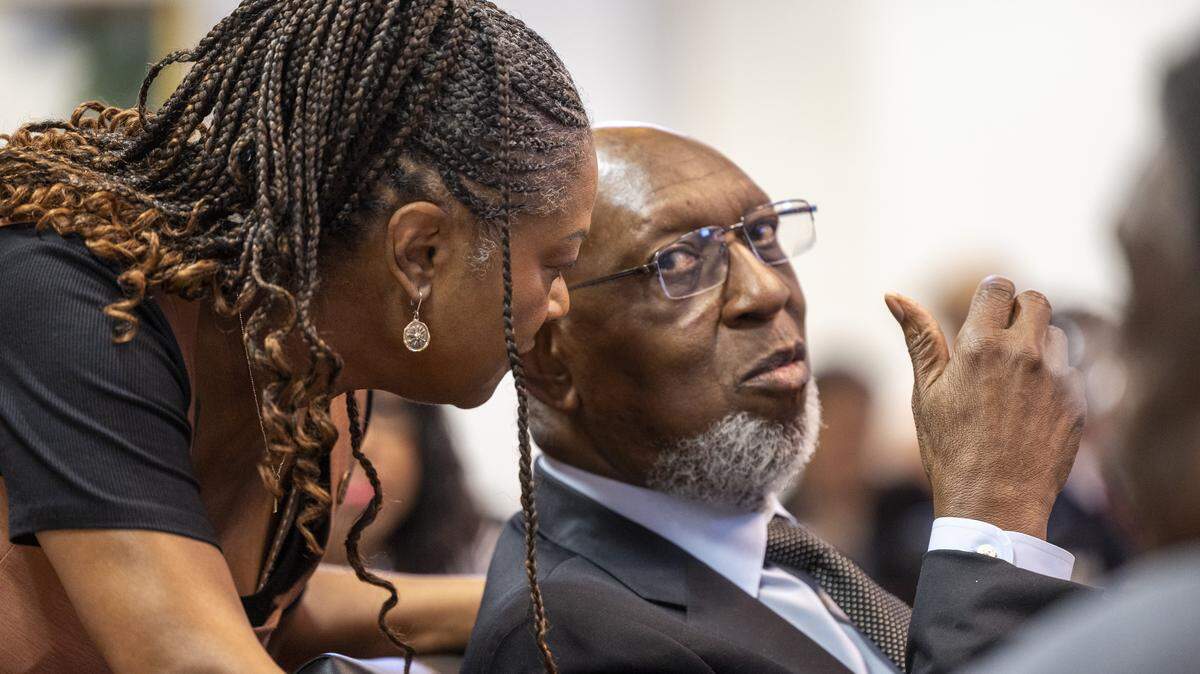
Those four House Democrats — Reps. Carla Cunningham, Shelly Willingham, Nasif Majeed and Cecil Brockman —didn’t all vote in favor for each of the eight overrides. And their districts vary. Cunningham and Majeed are both from Mecklenburg County, while Brockman represents Guilford County and Willingham lives in Rocky Mount.
The legislature’s mantra for how to vote is usually in this order: conscience, constituents and caucus. That means what they personally want, what the people in their districts want, and then what their political party wants.
Brockman voted for two of the least controversial overrides, about political donor information and charter schools, and he was joined by Cunningham and Willingham on both votes. Majeed joined Cunningham and Willingham in helping overturn Stein’s veto of the energy bill; and Cunningham and Willingham both voted to override Stein’s veto of a regulatory reform bill.
Four other bills became law because of a single Democrat’s vote, along with all of the Republicans’ votes. Other overrides failed because of total Democratic opposition, including anti-diversity, equity and inclusion legislation.
Willingham was the deciding vote to allow teachers and volunteers to carry guns in private schools as well as giving more power to State Auditor Dave Boliek.
Majeed was the deciding vote on a bill about sexuality and religion in schools, and perhaps most controversially, Cunningham was the deciding vote on an immigration bill. Read the links throughout this newsletter for more details from our legislative team’s coverage.
Hall told reporters he was aware of general threats made against Cunningham after she gave a controversial speech about immigrants that drew rebukes, and General Assembly Police escorted her for the next day’s session. Hall said that “threats and improper comments shouldn’t be lodged towards any member for simply exercising their vote, that they were elected to do.”
Senate Democrats want ‘consequences’ for House Democrats
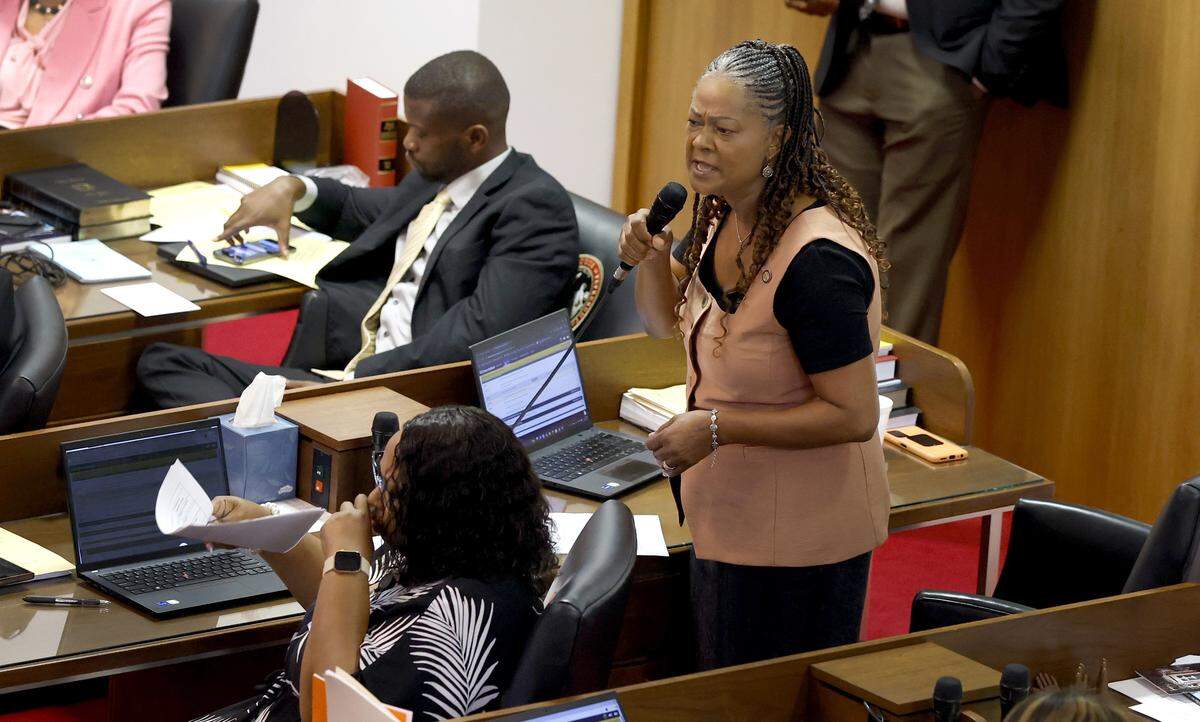
Asked about her thoughts on the overrides, Senate Minority Leader Sydney Batch told reporters that “just because you happen to be a Democrat doesn’t necessarily mean that you’re always on the Democratic team. I found it to be extremely disappointing, and I feel for those members in the House that show up every day and make sacrifices for the good of their district.”
“Everyone has the right to choose, but you’re not free from the consequences of your choices, and we’ll see what their districts feel regarding the overrides some of the Democrats in House passed,” Batch, a Wake County Democrat, said Tuesday after the votes.
Batch said that before Stein vetoes a bill, he talks with her, as Democratic leader, as well as House Minority Leader Robert Reives. She said the caucus doesn’t come before conscience and constituents, but a veto override vote is different than voting for a bill when it passes the chamber.
“If the governor says, ‘This is important to me, this is important to Democrats, this is important to my agenda, this is important to the state of North Carolina,’ then we have to look at that. We have to weigh that, put that in the balance, and decide whether or not we’re going to sustain a veto,” she said.

“So there is never a time in our caucus that we’re saying that you have to go ahead and take a caucus position on something. But I do believe that when you sign up to be a part of the Democratic caucus, you also sign up to support your Democratic governor to the extent that it makes sense,” Batch said.
GOP didn’t override concealed carry veto in House
As for Republicans, one of the vetoes they have failed to overturn is because the speaker didn’t call the vote in the House. He didn’t have the votes to override, not just from one required Democrat, but because of Republicans.
Hall said he doesn’t agree that Republicans should try to run primary candidates against an incumbent Republican for not voting with the rest of their caucus every time. Hall said he would not be part of trying to primary any Republican, including two that voted against a bill that would get rid of the concealed carry permit law.
“Primary” as a verb in politics means intentionally trying to defeat an incumbent in your own political party because you did not like how they voted, or another reason.
“I do not get involved in trying to primary our caucus members. I will side with our caucus members,” Hall said.
Candidate filing for the 2026 election begins in December.
Catch up on more North Carolina politics news by listening to our Under the Dome podcast, which posts every Tuesday morning. On our new episode, you’ll hear my interview with Democratic Rep. Brian Turner of Buncombe County. We talk about those veto overrides as well as his time in the House.
Thanks for reading. Contact me at dvaughan@newsobserver.com. Not a newsletter subscriber? Sign up on our website to receive Under the Dome in your inbox daily.
This story was originally published August 3, 2025 at 5:00 AM.
.jpg)