NC state audit shows just how long it takes to spend COVID recovery money
AI-generated summary reviewed by our newsroom.
- Audit finds North Carolina spent $2.5B of $5.4B relief funds by June 30, 2024.
- OSBM obligated most funds by Dec 31, 2024; unspent money returns to federal government
- State agencies held bulk of remaining funds, notably DEQ and education allocations
Good morning to you and welcome to our Under the Dome politics newsletter. I’m Dawn Vaughan, The News & Observer’s Capitol bureau chief.
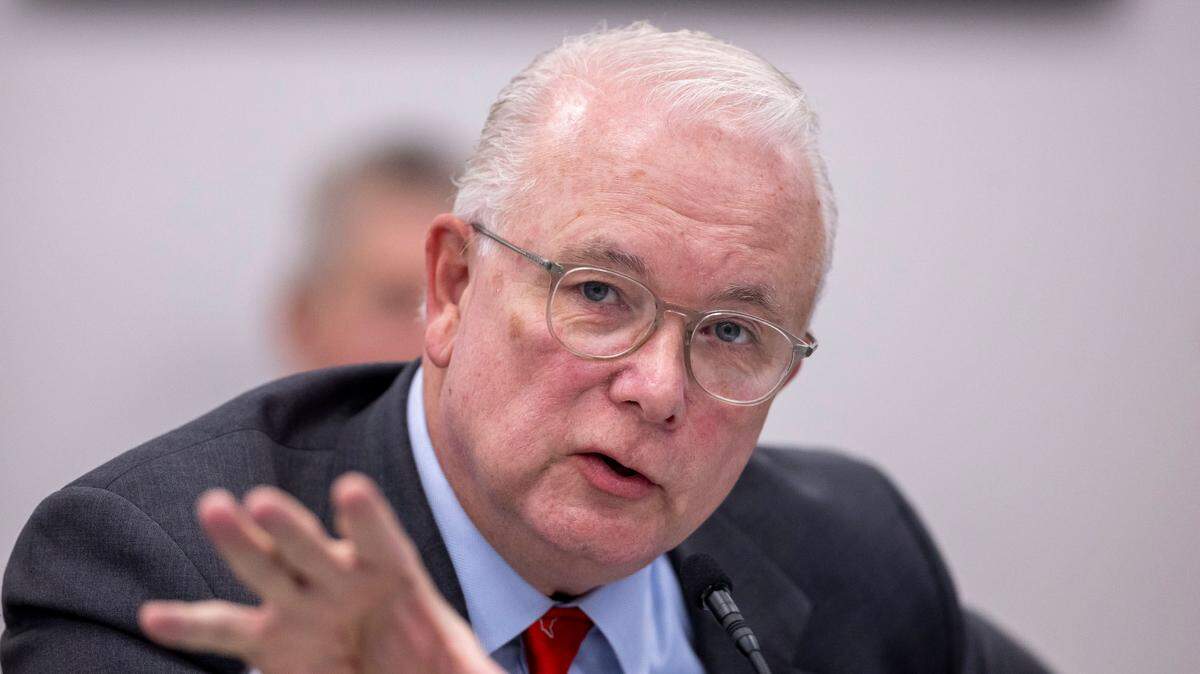
State Auditor Dave Boliek, a Republican elected official on the Council of State, released an audit looking at spending of federal COVID-19 relief funds, and it shows there has been a lot of money left unspent — at least as of the audit timeline.
This is the second audit of North Carolina’s spending of $5.4 billion from the federal government in coronavirus relief funds. The first audit, released in December 2022 when Beth Wood was state auditor, covered money allocated from the Office of State Budget and Management through June 30, 2022. This new audit covers the spending from July 2022 through June 2024. That first audit showed that $1.3 billion had been disbursed out of $5.4 million.
The audit’s timeline is during the Roy Cooper administration, before Democratic Gov. Josh Stein took office in January. Cooper is now a Democratic candidate in the 2026 election for U.S. Senate.
Here are some key findings from the audit:
- Less than half of the recovery funds were disbursed by June 30, 2024, at $2.5 billion. Disbursed money has been handed over to a recipient but not necessarily spent.
- “The bulk of the remaining funds sit with state agencies,” Boliek wrote in the audit’s opening letter.
- The $1.2 billion disbursed in the two years of the audit included $849 million to state agencies and $263 million to public schools and higher education.
- The report also notes that the Office of State Budget and Management obligated the rest of the recovery funds by Dec. 31, 2024. Obligated money implies that a legal commitment has been made to provide it, but it hasn’t necessarily been disbursed or spent. Any money unspent by Dec. 31, 2026 will go back to the federal government.
- You can read the full 30-page report online.
Still no budget, nor General Assembly votes
Stein called lawmakers back to Raleigh for a voting session last week, but Republicans announced a few days prior that they would not comply, saying the request was unconstitutional.
And indeed, the House and Senate sessions on Monday were procedural, non-voting sessions as the General Assembly had planned in its adjournment resolution. However, several Senate and House Democrats held a press conference on Monday, talking to reporters about the budget delays and the Medicaid funding that was the origin of Stein’s call to session.
Stein and Republican Senate leader Phil Berger and House Speaker Destin Hall were in the same room on Thursday for an N.C. FreeEnterprise Foundation, known as NC Free, event that was closed to press. Stein, Hall and Berger talked about the state’s economy, business and workforce, according to NC Free.
I interviewed Hall this week about a variety of issues he’s faced in his first year as House speaker, from the budget to tax policy to the recent U.S. Border Patrol actions. Read my first story from that interview, about immigration laws and Border Patrol, and how Hall’s view differs from Stein’s.
More NC politics news
- Why House Speaker Destin Hall wants the Border Patrol to come back to NC
- Audit says NC agency mismanagement left families waiting years after hurricanes
- Judges uphold NC districts used in 2024 election, but wait to rule on new map
Ideas or feedback about our Under the Dome newsletter and podcast? Email me at dvaughan@newsobserver.com or our politics team at dome@newsobserver.com. And be sure to listen to our new podcast on Tuesday. I talk with transportation reporter Richard Stradling about the DMV, Raleigh-Durham International Airport and holiday travel.
Not a newsletter subscriber? Sign up here.