A bill to pause NC property tax revaluations could be law by May, Berger says
AI-generated summary reviewed by our newsroom.
- Phil Berger plans to file a moratorium bill and have it in law by mid‑May this year.
- Berger wants local governments to use pre‑revaluation values for this year’s budgets.
- Democrats propose targeted relief like expanding property tax circuit breakers instead.
Senate leader Phil Berger wants a new state law on property taxes to become law by mid-May, which is just weeks away.
The property tax issue has been debated for months in the House, with a study committee recommending a bill that would put a constitutional amendment on fall ballots to allow the General Assembly to set limits on tax-rate increases.
But Berger, an Eden Republican, wants to move faster. He said Wednesday that he plans to file a bill — and hold a vote on it — very soon, but taking a different tactic than the House.
Berger wants to pause tax revaluations, a process that impacts local governments — which use property taxes to fund services — as they are already in the process of planning their annual state budgets.
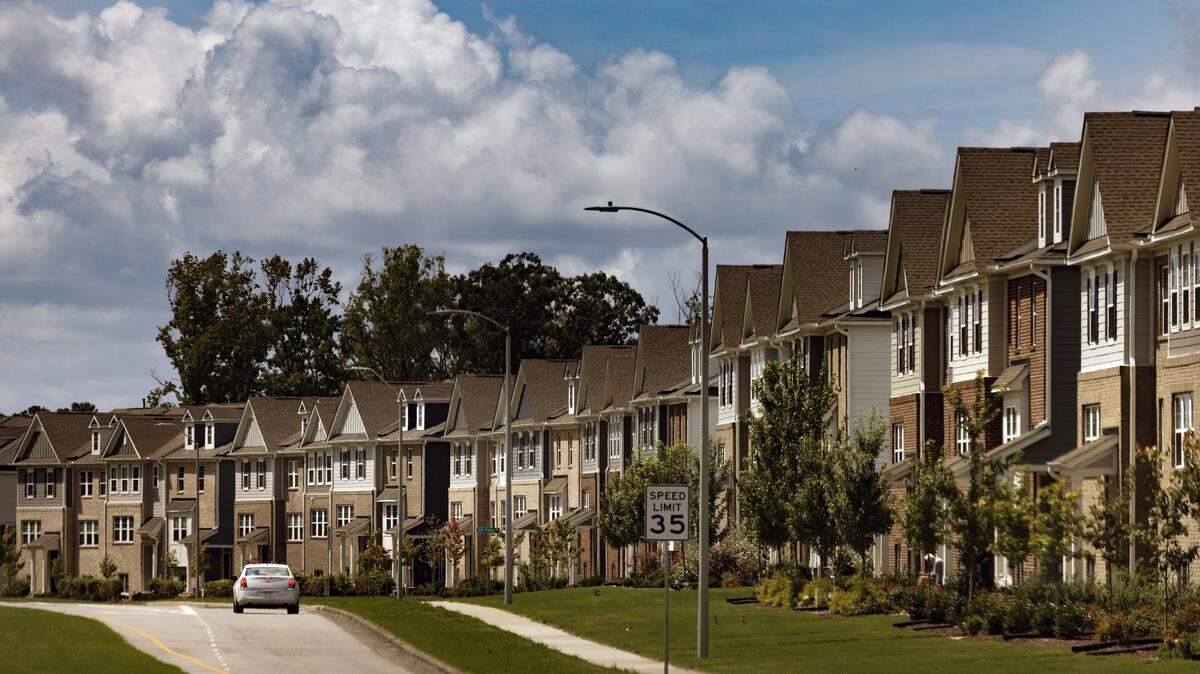
In North Carolina, the legislature does not have to pass a budget by the end of the fiscal year on June 30, but local governments do. So cities and counties are now working on their budgets before holding public hearings in May and June before councils and commissioners take final votes.
Berger wants to focus on revaluations, and soon
Berger wants to come at the issue from a different side than the House, property revaluations, which means the value that local governments assign to your property. He wants a moratorium on the revaluations.
The state requires a revaluation at least every eight years. Wake County, the largest county in North Carolina, conducts them more frequently. Wake’s current revaluation was effective Jan. 1, 2024, according to the county website, while the next will be Jan. 1, 2027. Counties assess the value of property and use that to calculate taxes, though owners may appeal.
For Berger and Senate Republicans, time is of the essence.
“I intend to move forward with the moratorium. We’ll hopefully get that introduced and move it over to the House pretty quickly, because I think — even the moratorium, we need to have it in law by the middle of May, is my thinking — so that we don’t unduly disrupt what these local governments are trying to do with their budgets,” Berger said.
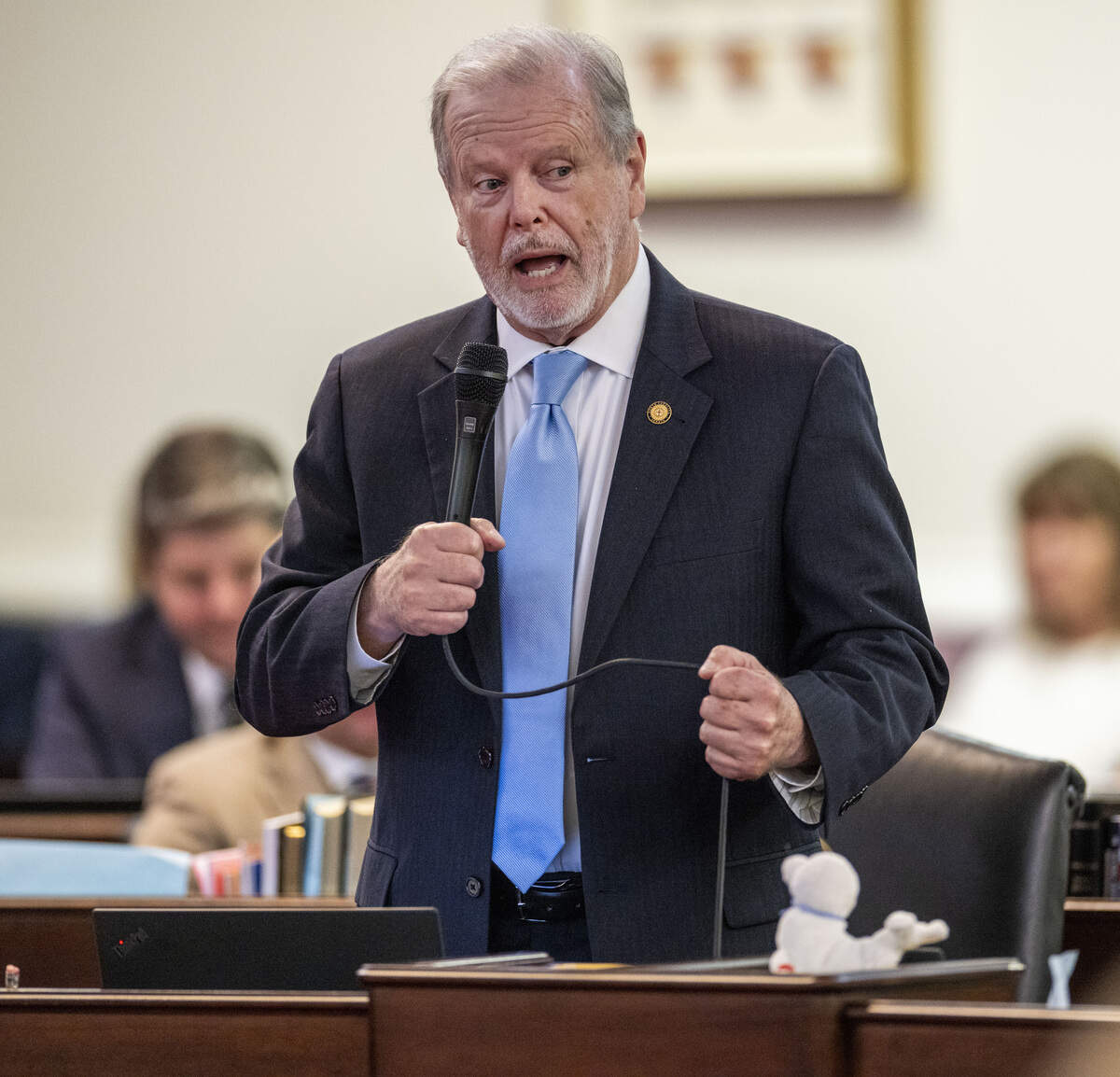
This is also Berger’s final year in the Senate, as he lost his primary election. As president pro tempore, he has final say on what bills come to the floor for a vote.
“I’m going to be introducing a moratorium bill that would create a situation where any new revaluations that are slated to come online this year could not be used,” he said, meaning that local governments would have to “go back to the old numbers and do their budgets using the old numbers.”
What the House proposed for property tax changes
Municipalities are already worried about the possible amendment that would allow lawmakers to limit growth in property tax rates, The News & Observer previously reported. The proposal does not include an amount.
It also has not appeared in any legislation in the House yet. It was the House Property Tax Reform Committee that made the proposal this month, as well as recommending closing a tax exemption loophole that has cost local governments millions of dollars in tax revenue.
Berger supports the constitutional amendment idea, but wants different legislation passed first.
“It just struck me that the runway that we have to do something is inadequate for us to get to the nub of the problem. The constitutional amendment sounds great, to do something on a constitutional amendment basis, but that goes to the people to be voted on in November,” Berger said Wednesday.
Closing the so-called “Blue Ridge” tax loophole that let some corporations get affordable housing tax breaks has received bipartisan support. But the House property tax committee’s constitutional amendment proposal has received mixed support from Democrats.
Democrats have other ideas, too.
How Senate Democrats want to tackle property taxes
Senate Minority Leader Sydney Batch, an Apex Democrat, and Sen. Natalie Murdock, a Durham Democrat, both represent Triangle districts with high cost of living.
Batch said while Democrats “absolutely” support closing the loophole, she doesn’t want the amendment, saying Republicans want to put it on the ballot to drive voter turnout.
She said the state could expand circuit breakers that limit property taxes based on income.
“If you’re 65, and you are a married couple, you oftentimes are eliminated from the circuit breaker because of your dual income. We can simply get rid of that so it allows for older North Carolinians to be able to stay in their homes and not lose it, right? That’s something that’s very easy,” Batch told The N&O after a Senate session on Wednesday.
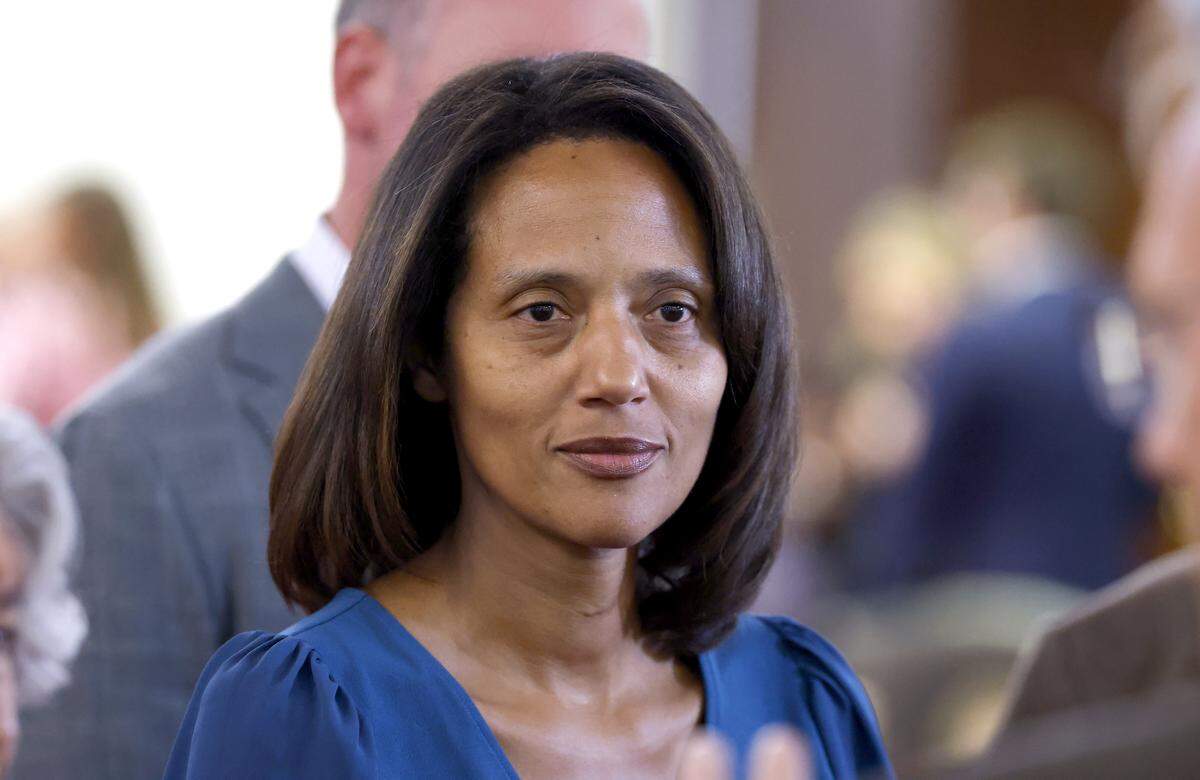
“We should pass legislation that doesn’t hamstring a lot of these municipalities and allows for us to address the real issues, which are usually disabled North Carolinians and elderly North Carolinians who are losing their homes because they can’t afford those property taxes,” she said.
Murdock said lawmakers “really should just look at targeted relief,” like circuit breakers.
“We need to look at working families that are already struggling, and our seniors that are being priced out of their homes. So we definitely hear our constituents when they have concerns about the cost of everything going up, but a constitutional amendment is just simply not the way to do it,” Murdock said.
Both Murdock and Batch also noted that Democrats have not been part of any Senate discussions on property taxes. The House committee is led by Republicans, but has both Republicans and Democrats on it. Berger appointed a Senate task force of only Republicans to study the issue.