Triangle homeowners have faced steep tax increases over the past decade. Here’s why.
AI-generated summary reviewed by our newsroom.
- The median Triangle homeowner faces property tax bills about 60% higher to nearly double.
- Raleigh’s median home now has a combined tax bill about 72% higher than a decade ago.
- Durham’s median home now carries a combined city and county tax bill more than 70% higher.
Triangle homeowners are seeing property tax bills ranging from 60% higher to around double what they were a decade ago.
And now, many local governments across the Triangle are considering tax-rate increases in their budgets for fiscal year 2027, which starts in July.

In that same period, inflation has grown just over 40% nationwide, according to the U.S. Bureau of Labor Statistics’ consumer price index inflation measure. The index measures the value of a set of goods and services regularly purchased by consumers.
The population growth around Wake County and the Triangle requires more services, which has also contributed to additional tax needs, according to Wake County spokesperson Dara Demi. Wake County’s population alone has increased from 1 million in 2016 to 1.25 million 2025, according to the U.S. Census.

In response to rising tax bills, state lawmakers recently approved a November ballot referendum aimed at limiting property tax increases. It would ask voters if they want a cap on the amount of property taxes that local governments are allowed to collect.
Local governments have said this would have a drastic effect on their budgets and take away local control over spending, as property taxes are their biggest source of income.
Tax exemptions and appeals on reassessed property values have also hurt local governments’ ability to raise money through property taxes.
Lawmakers recently voted to close a state property tax exemption — dubbed the “Blue Ridge loophole”— which, for example, exempts a for-profit investor that owns 99.9% of an apartment complex from property taxes if a nonprofit owns even 0.1% of the complex.
For 75-year-old Bob Mulder, a Realtor and Raleigh resident, growing tax bills on his home and across the city are unsustainable and unfair.
He says the property tax bill for his Brentwood home in north Raleigh has steadily gone up about 10.5% every year since 2013.
“To me that’s pretty stiff,” he said. “I don’t know how many people get approximately a 10.5% increase in their salaries every year.”
That’s translated to tax bills for Mulder that have gone from around $1,100 in 2013 to over $2,500 now.
While the median household income in Raleigh has increased by about 46% in the past decade, the property tax bill on a median-valued home has gone up more than 72%.

Increased property values are a large factor in increased taxes. Mulder bought his home in 1994 for $85,000, he said. Now it’s worth $350,000.
But even though he could sell his home for a decent return now, Mulder says he wouldn’t be able to buy another home in Raleigh.
“We’d have to move out to the boonies somewhere, away from our granchdildren,” he said. “We’re not going to do that.”
Raleigh property taxes
Both Wake County and Raleigh have lowered their property tax rates over the past decade, but that does not mean homeowners’ taxes have gone down.
Tax bills also reflect the assessed value of a home, and as median home values in the Triangle have gone up, tax bills have gone up, too. (The median represents the midpoint of property values, where half of homes are valued higher and half are valued lower.)
For example, rising home values have led to the median home in Raleigh being valued at around $391,000, around $200,000 more than in 2016.

The median household income in Raleigh, meanwhile, was estimated at around $85,000 in 2024, compared to roughly $59,000 in 2016, a 46% increase.
Because of rising home values, Raleigh’s median-value home today comes with a property tax bill nearly 72% higher than 10 years ago.
That equates to a more than $1,400 increase in the combined Wake County-City of Raleigh property tax bill, of about $3,400.
And this year, both Raleigh and Wake County are proposing tax rate increases that combined could see the median homeowner pay another approximately $144.
Wake County cites multiple reasons for its tax rate increase this year, including a lack of state funding for public schools and a need for more space in its jails.
Raleigh has proposed a budget that limits its expenditures to keep the proposed tax-rate increase to less than 2 cents per $100.
The proposed budget also recommends adding 23 new police officers at a cost of nearly $4 million, alongside other public safety investments.
“Nearly half of the increase in the average tax bill is for voter-approved bonds — in transportation, affordable housing, and parks,” city spokesperson Julia Milstead noted.
She also said that large portions of the increased taxes can be attributed to:
- Police
- Firefighters
- Inflation
- Costs associated with Dix Park
“Raleigh consistently has one of the lowest tax rates compared to our neighbors in North Carolina and to other medium and large cities across the country,” Milstead said. “We’re diligent in finding efficiencies within departments, as we did both for the current year’s budget and next year’s proposed budget. Because of that strong stewardship, we deliver strong value for those dollars. We know this is critical as our residents balance their household budgets in the face of uncertainty and rising fuel prices and other costs.”
She also noted that because of how the city has saved money to pay for bond projects in affordable housing and transportation, the city’s $200 million in bonds on this year’s ballot won’t require additional taxes.
Durham property taxes
Durham’s median home value today comes with a property tax bill more than 70% higher than a decade ago.
That number represents an almost $1,900 increase in the combined Durham city and county property tax bill, rising from around $2,300 in 2016 to more than $4,200 today.
Despite a lower combined tax rate — 99.13 cents per $100 proposed in 2026 compared to $1.3843 per $100 in 2016 — higher home values have led to tax increases. At just over $424,000, the median home in Durham is valued at more than double the median home in 2016.
The city of Durham isn’t proposing a tax rate increase this year, but Durham County is. The county’s tax rate increase would result in about an $85 bill increase for the median-valued home in the city of Durham.
The county’s proposed tax rate increase would add $17 million to its budget and support increased needs for Durham Public Schools, pre-kindergarten, and emergency services expansion, The News & Observer previously reported.
Spikes in home values were driven by three major reappraisals over the last decade.
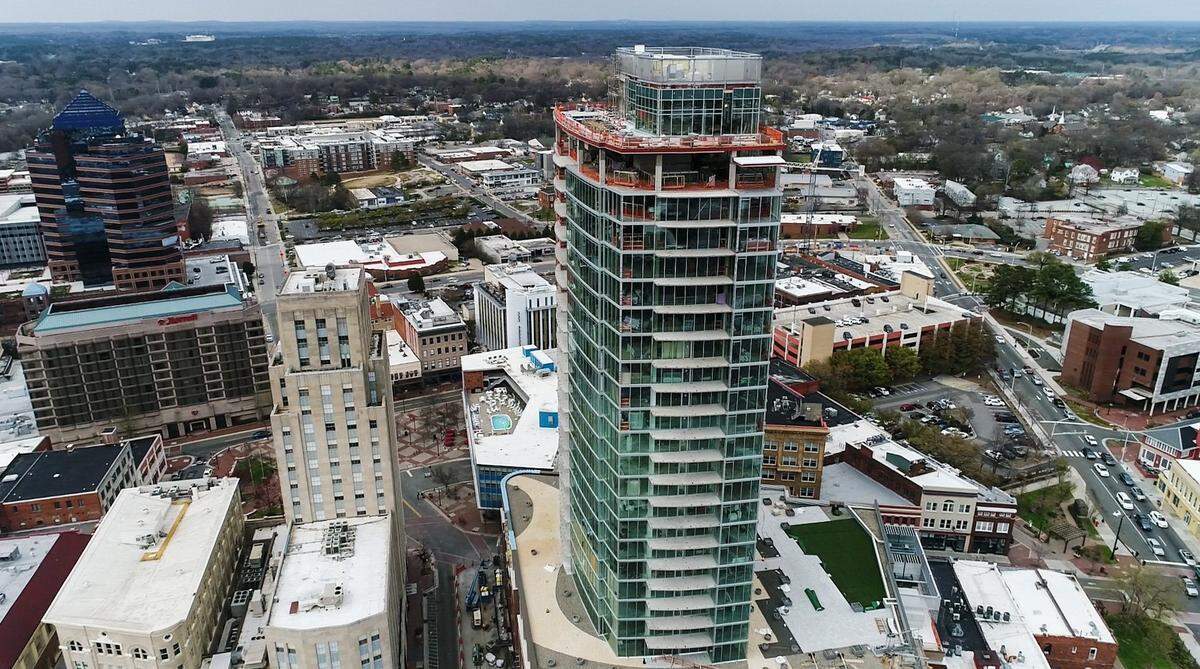
Most notably, the 2025 revaluation saw median home values jump by 70%, causing the combined property tax bill on a median-value home to increase by more than $1,200.
Ten years ago, the median household income in Durham was about $52,000, according to U.S. Census data.
By 2024, the median income had grown to about $83,000. That’s about 54% higher for household income, trailing the 73% increase in property tax obligations over the same 10 years.
Cary property taxes
Cary’s tax rate has stayed mostly the same over the past decade, but significant increases in assessed home values have resulted in much higher tax bills.
In 2016, the median value for a Cary home in Wake County was around $305,000. Now, the median home is valued at almost $580,000. Part of Cary also lies in Chatham County, but most is in Wake.
Cary also has one of the higher median household incomes in the area at around $135,000, up around 42% from approximately $95,000 in 2016.
And now, Cary’s interim town manager is proposing a tax rate increase of 3.75 cents per $100 of assessed property value, which could mean a combined Wake County-Cary tax bill on a median home $314 higher than last year and more than double what it was a decade ago.
If the town approves the proposed tax rate, the median Wake County Cary home’s property tax bill will have gone from just over $2,100 to around $4,300 in the past 10 years..
Cary officials say the tax revenue will help support an additional 21 police officer positions, which is the first time the town has budgeted for new officers in 10 years, according to Cary Police Chief Terry Sult.
Chapel Hill property taxes
The assessed value of a median Chapel Hill home has more than doubled since 2016, from $385,100 to an estimated value of nearly $792,000 today.
The median income is nearly $86,000, putting both that home and its property tax bill well out of reach for many homebuyers. That’s up from a median income of about $65,000 in 2016, a 31.6% increase and much smaller share of the income needed to buy a house.
Chapel Hill homeowners pay town, county and a special Chapel Hill-Carrboro school district tax — for a total proposed tax rate of just over $1.32 for every $100 in value next year.
That’s based on a pending increase of 3.75-cents in county taxes, with the county aiming to support schools and pay construction debt. The town of Chapel Hill is not planning a tax rate increase, and the school tax rate could also remain the same.
If nothing changes, it could leave the owner of a median-value house paying 78.30% more in town property taxes next year than they did a decade ago.
The county tax bill increase over that period was about 58.26%, and the school district tax increase was 45.88%.
The result: A combined tax bill in August of approximately $10,100 — a roughly $3,900 increase since 2016.
While that makes it look like taxes “exploded,” Chapel Hill Mayor Jess Anderson said, it really relates more to the housing market.
“Assessments finally caught up to years of appreciation [in home values],” she said. “Town and county leaders have repeatedly adjusted rates to avoid big jumps, but they can’t control the underlying market forces or the state rules that govern property valuation.”
NC Reality Check is an N&O series holding those in power accountable and shining a light on public issues that affect the Triangle or North Carolina. Have a suggestion for a future story? Email realitycheck@newsobserver.com.
This story was originally published June 1, 2026 at 5:30 AM.