Why NC’s bipartisan ‘down-zoning’ reform bill is now about ... wake surfing
I’m Brian Gordon, tech reporter for The News & Observer, and this is Open Source, a weekly newsletter on business, labor and technology in North Carolina.
They didn’t include this one in “Schoolhouse Rock!” On Tuesday, Rep. Tracy Clark, a freshman Democrat from Guilford County, entered Committee Room 423 at the North Carolina General Assembly ready to defend a down-zoning bill.
This legislation, titled “Clarifying Nonconforming Uses,” had passed the state Senate last year with unanimous support. It corrected what many local government officials consider to be an implausibly restrictive 2024 law preventing them from down-zoning private properties — like reducing the number of uses or forbidding one type of use that already exists — without the owners’ approval. The law has already stalled comprehensive zoning updates statewide, including in Durham, and complicated data center regulations. The new bill would return key zoning powers to local governments.
“I got two calls from High Point City Council in favor of the bill, so I was going in prepared to give good remarks to support the original bill,” Clark told me.
But Clark realized minutes into this week’s House committee meeting on state and local government that she wouldn’t get the opportunity. That is because Senate Bill 587 on down zoning had suddenly become Senate Bill 587 on “Wake Surfing Safely.”
The House had gutted the down-zoning bill. More technically, the bill had been PCS’ed. A Proposed Committee Substitute, or PCS, is when the General Assembly alters existing legislation either slightly, substantially or completely. Lawmakers do this to fast-track legislation (sometimes controversial) after crossover deadlines.
It’s a common maneuver at the state legislature, especially now as the current short session wraps up. Famously (or notoriously, to some), a PCS is how a 2013 North Carolina bill on motorcycle safety came to include restrictions on abortion access.
The “Wake Surfing Safely” bill is not as divisive. Addressing the House committee Wednesday, Rep. John Bell (R-Wayne) explained it was favored legislation of his late colleague Mike Clampitt, who died in March. It prohibits people from operating a motorboat towing a person behind it from going within 200 feet of a shoreline.
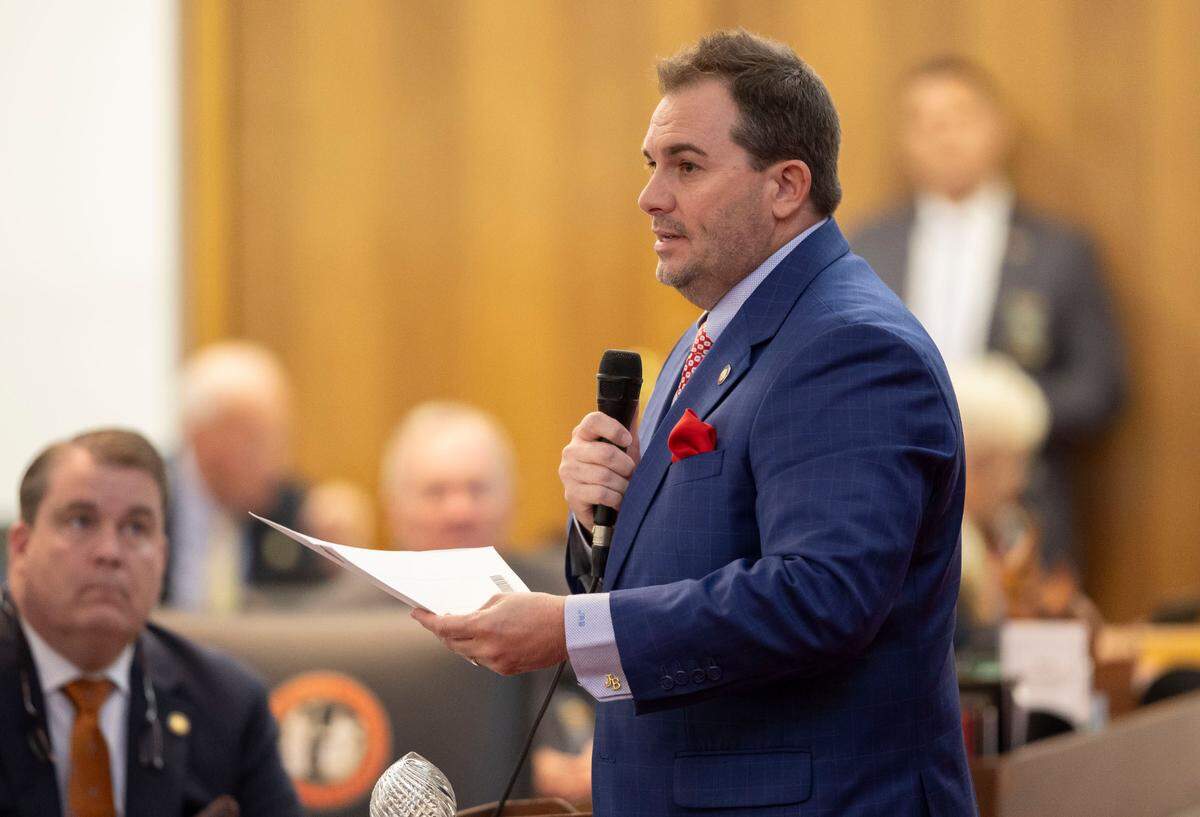
“I did not see the PCS,” Clark said after the hearing. “We are drowning in emails, and this is what happens is a lot of times in the hours before a committee, they will throw over PCS’s in email, or we’re supposed to just track them.”
Does this mean North Carolina down-zoning reform is dead? There’s always a chance the legislation could be reintroduced through the PCS of another zombie bill. But more likely, it can be tackled through the budget.
Clark said she approached Bell after the hearing and was assured the down-zoning bill is “moving elsewhere.”
Whether the GOP-controlled House and Senate can agree on a budget remains to be seen. During Wednesday’s committee meeting, Bell said he gutted the Senate down-zoning bill with permission from the bill’s cosponsor, Sen. Mike Lazzara of Onslow County.
Lazzara’s office did not respond to my questions about the likelihood of the state tackling down-zoning reform through another avenue this session. But Sen. Benton Sawrey (R-Johnston), the down-zoning bill’s other primary sponsor, did answer my email.
“No one from the House talked to me about the bill before it was amended,” he wrote.
On NC data centers, nuclear, and coal
Sticking with politics, the N.C. House on Wednesday passed the state’s most extensive data center regulations to date, legislation banning evaporative cooling, barring adversarial foreign ownership, and prohibiting local incentives for hyperscale facilities — and on these actions, House Republicans and Democrats largely agreed.
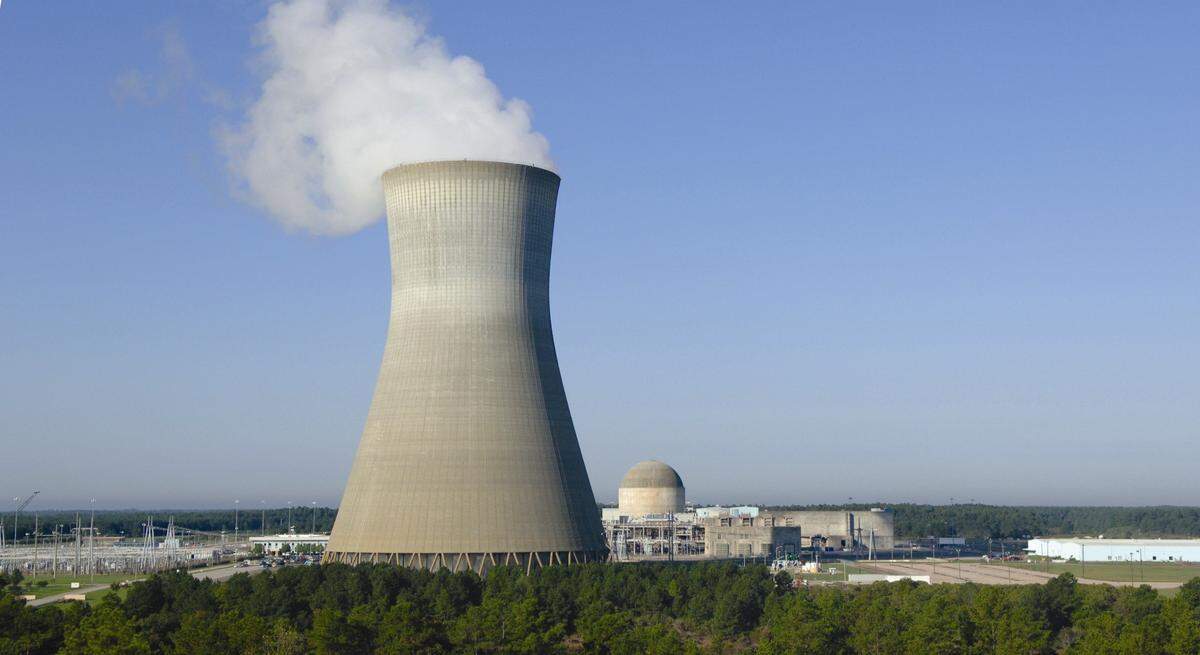
However, most Democrats ultimately voted against the bill. Why? The second half of the Ratepayer Protection Act addressed long-term power generation, including a prohibition on retiring coal and natural gas plants until a larger nuclear site is approved.
Dems railed against this provision during the floor debate. But holding the majority, the House GOP advanced the bill to the Senate (two Democratic representatives voted for it, too).
Before ultimately backing the bill, Republican Rep. John Blust of Guilford County lamented how the General Assembly combines topics under the same legislation. “I’m one that thinks we ought to have a single-subject rule,” he said. “I hate the way, since I’ve been, here under both parties (that) disparate things are put together, and you got to take one with the other.”
Clearing my cache
- New season, new incentive: North Carolina confirmed it has approved a $15 million incentive for MrBeast and Amazon to film Season 3 of the series “Beast Games” in Greenville, adding to the $15 million grant the state approved for Season 2.
- Not long ago, news that Duke University was building a 3-megawatt data center in Durham wouldn’t have drawn much attention. But in the age of AI, even small GPU-filled data centers spark questions about their resource use. Then again, does a top research institution have a choice not to keep pace?
- Know it when you see it? NC lawmakers this week proposed a 50% excise tax on pornography and other “prurient material.” What counts as “prurient” is always the question.
- Back to energy and data centers: Last Friday, North Carolina Attorney General Jeff Jackson submitted expert testimony to the N.C. Utilities Commission opposing Duke Energy’s proposed rate hike:
Jeff Jackson’s take: “This proposed increase is too high for families, and it’s more than Duke needs to meet our growing demand for energy.” He has recommended regulators create a separate rate class for data centers.
Duke Energy’s take: “We’ve listened to our customers and know they’re dealing with higher bills across the board — we are carefully reviewing the testimony and evaluating opportunities to refine our request.”
National Tech Happenings
- Anthropic, maker of the AI platform Claude, filed paperwork to go public this week. Rival OpenAI is reportedly also headed toward an IPO. Elon Musk’s SpaceX set a $135 share price this week as well.
- They’re not just in NC: Arizona’s biggest electric utility has proposed a 45% rate hike for data centers and a smaller 14.5% bump for households. Neither group is pleased, The Wall Street Journal reports.
- A Jeff Bezos-backed, $2.5 billion startup named Flourish looks to develop AI that uses significantly less power by mirroring the efficiency of the human brain. Didn’t know our brains counted as efficient.
Thanks for reading!
Thank you for supporting local journalism. If you liked it, consider sharing it with a friend. If it was forwarded to you, sign up here to subscribe.
This story was originally published June 5, 2026 at 9:44 AM.