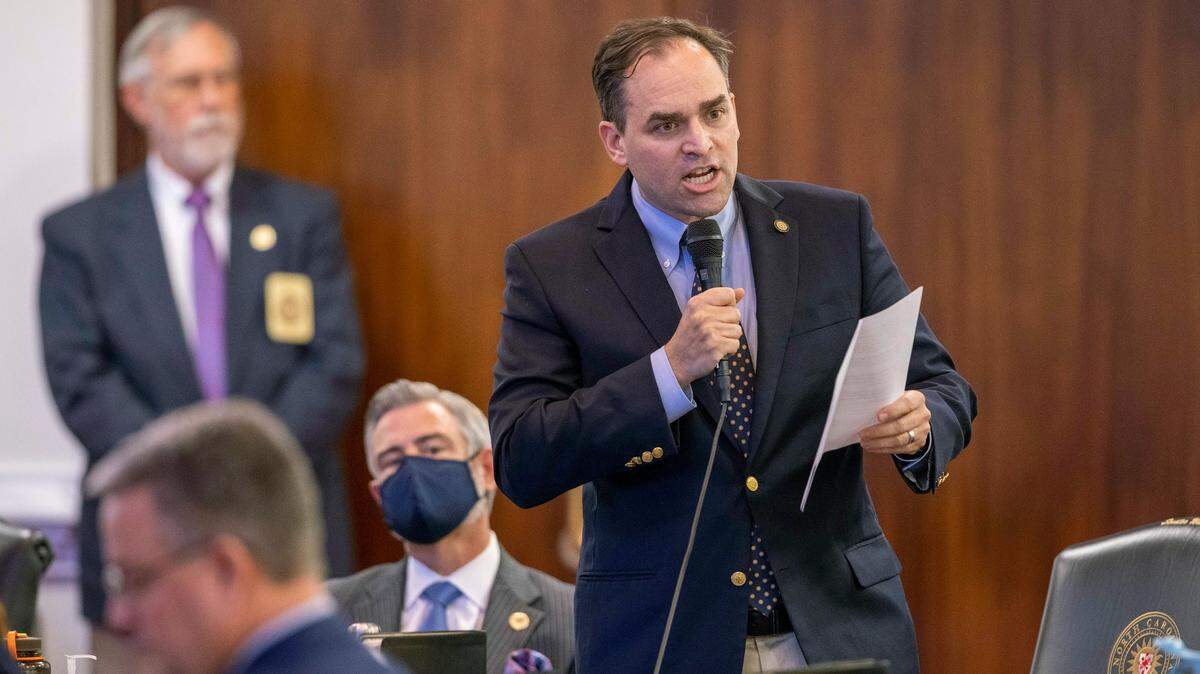
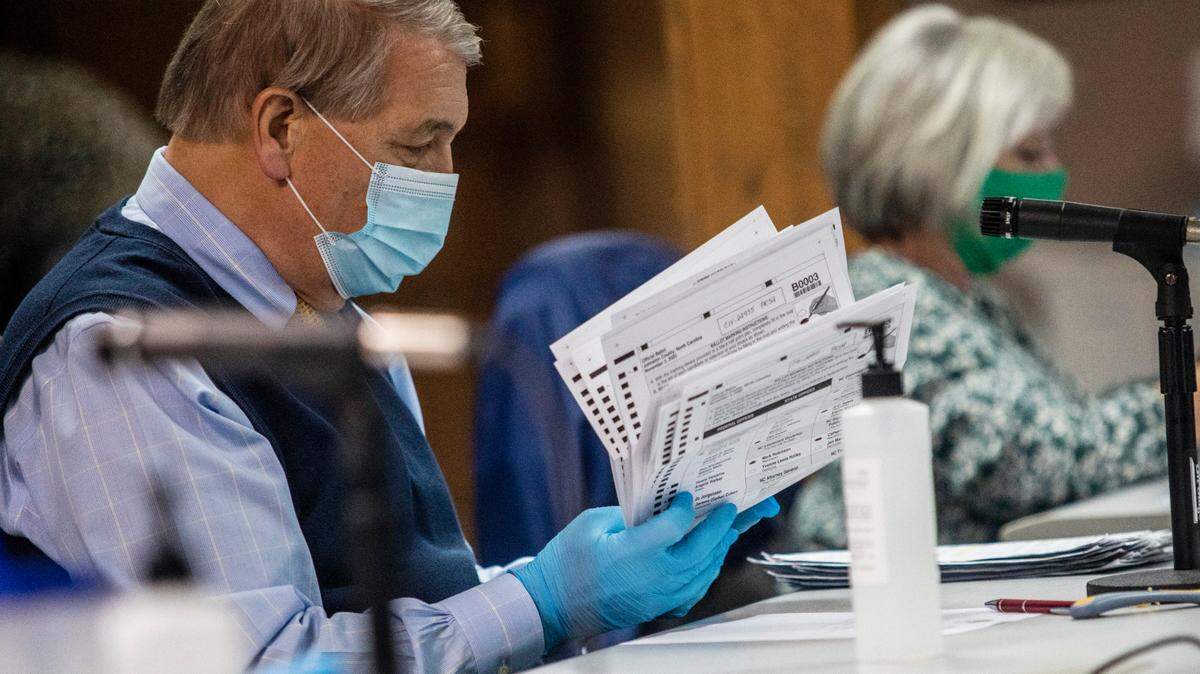
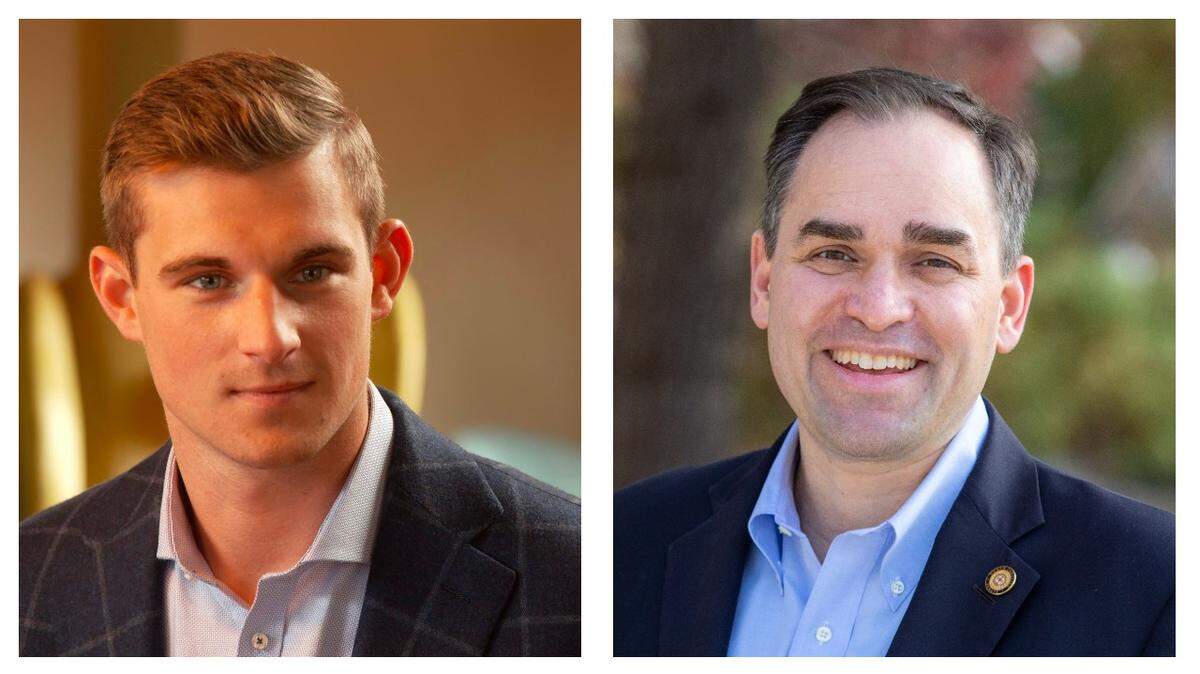
Democrat Wiley Nickel and Republican Bo Hines are vying for voters in a critical midterm race that could be decided by just a few percentage points, or less. The redrawn district could decide who controls Congress.
The only North Carolina congressional district with atoss-up race on the ballot this fall is, in many ways, a microcosm of the state.
Reflecting North Carolina’s well-established status as a swing state, the newly redrawn 13th CongressionalDistrict emerged from a lengthy redistricting battle this year as the state’s most competitive matchup this cycle for the U.S. House of Representatives. Political analysts predict the margin of victory between the two major candidates, Democratic nominee Wiley Nickel and Republican nominee Bo Hines, will be narrow, possibly within a few percentage points or less.
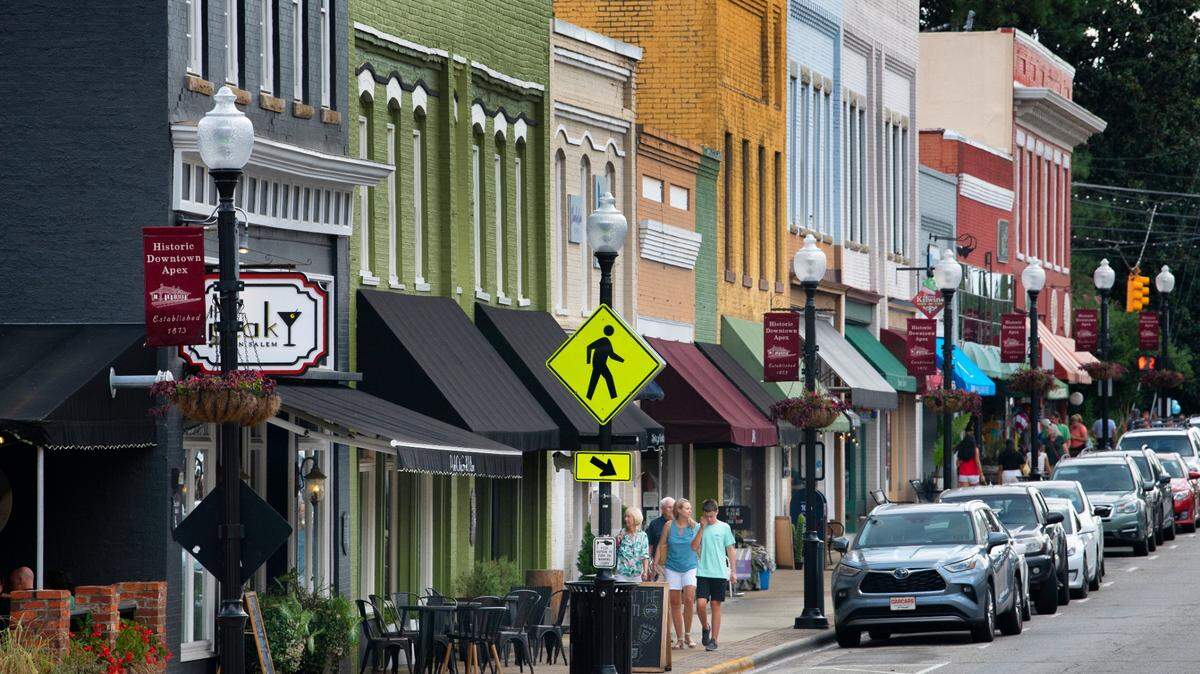
Geographically, as well, the 13th district represents many different parts of the state. Stretching from the fast-growing towns of southwestern Wake County including Cary, Apex, Fuquay-Varina and Holly Springs, to downtown and Southeast Raleigh — home to two HBCUs, Shaw University and St. Augustine’s University — the district also includes all of Johnston County, another hub of rapid growth that is dotted with smaller towns and an abundance of farmland.
Parts of Harnett and Wayne counties that are home to large veteran populations also fall under the district, with Seymour Johnson Air Force Base in Goldsboro, and with Fort Bragg a short drive from much of Harnett.
To understand what issues could end up deciding the race, and possibly help decide which party controls Congress for the next two years, The News & Observer spoke with voters across the 13th district about the issues that were most important to them, and would influence who they end up casting their ballots for.
A pickup truck passes a restored F-86 Sabre jet is mounted on a pedestal in a traffic circle in downtown Goldsboro, N.C. It is a monument to forces at nearby Seymour Johnson Air Force Base. The economy of the area is primarily related to the military and agriculture. Scott Sharpe ssharpe@newsobserver.com
Democrats and Republicans bullish on their chances
The battle for control of the House hinges on just a handful of seats, which raises the stakes for both campaigns as they vie for voters in the 13th district. Local leaders of both parties, who are helping knock on doors and spread the word about the candidates, are bullish about their chances to win.
Kevyn Creech, chair of the Wake County Democratic Party, saidmany voters are tired of “rage politics,” controversies that “have nothing to do with their day-to-day lives,” and “incompetence,” which she said was common in the Trump administration.
People want “calm and stability” instead, she said, and are concerned about “specific kitchen table issues” like access to health care, high prescription drug prices, and the “big elephant in the room” — access to abortion, in light of the U.S. Supreme Court’s decision to overrule Roe v. Wade and send the issue back to the states.
Democrats are hoping to turn out as many voters as they can in solidly-blue parts of Wake County, particularly Southeast Raleigh, and believe Nickel’s “common sense” and “down-to-earth” messaging that “is appealing to everybody” will resonate with voters, Creech said.
That doesn’t mean support and enthusiasm for Hines isn’t high in other parts of the district, particularly in heavily conservative Johnston County. Darryl Mitchell, chair of the Johnston County GOP, said he’s joined Hines during door-knocking, and that there’s a lot of excitement and interest in the race.
The issue that comes up most frequently is the state of the economy, and the high cost of groceries, gas, and everyday goods and supplies that have put a strain on small business owners and the county’s large share of agricultural businesses, Mitchell said. Voters are also concerned about public safety and crime, and parents say they want to know what their kids are being taught at school.
Hines cleared the GOP primary with an endorsement from Donald Trump, and has campaigned with the former president, joining Trump at rallies in Selma in April, and in Wilmington last week.
Some Republicans were reluctant to support Hines during the primary, but Mitchell said those concerns won’t matter too much in the general election.
“With any primary, they’re willing to put aside those differences and realize what the ultimate goal is, and that’s to win back the U.S. House and Senate,” in addition to trying to win a supermajority in the state legislature and a majority on the N.C. Supreme Court, Mitchell said.
Improving infrastructure in Raleigh
In interviews, voters brought up issues including abortion, inflation and the economy, immigration and infrastructure. Voters also talked about how their political leanings had changed or solidified in recent times, and what that meant for a state where unaffiliated voters are now the largest electoral bloc.
Cedric Bell, an HVAC supervisor and technician who lives in Southeast Raleigh, has voted for Democrats throughout his life, and still would, but increasingly leans toward being an independent.
Bell said he supported Democrats more often than not because they were “a lot more diverse,” but ultimately felt disconnected from the debates going on between both parties in Washington.
Bringing up Trump, Bell said he liked some of the former president’s policies and didn’t like others. Most of all, he didn’t like his tone.
“He was a businessman, he’s never been a politician, so I understand his mannerisms. He was the boss,” Bell said, later adding: “a businessman is going to tell people what to do. Hire people and fire people.”
Explaining why identifying as an independent began to appeal to him more, Bell said: “I don’t care who the president is, because all he does is run his mouth. Somebody is going to win and somebody is going to lose. Now Trump is talking about the election being stolen, but was it stolen when you won? I don’t think so. So why are you coming out with this now?”
Parts of Harnett County also fall under the 13th district. Scott Sharpe ssharpe@newsobserver.com
Having lived in Raleigh since he was 3 years old, Bell served in the Navy after graduating from high school.
Asked what issues mattered the most to him, Bell said he likes to spend his free time relaxing and unwinding on his bikes. With all of the construction going on in and around his neighborhood, however, the roads aren’t the most hospitable place for biking.
“They’re building a lot of apartments, a lot of houses, and they’re not widening the roads,” Bell said, adding that there could be more investment in better transportation.
Bell said that while inflation has impacted a lot of people, particularly young people who are just beginning their careers and are buying or renting their first homes, he hasn’t been too troubled by rising costs.
“It’s not an issue for me, I’m 58,” he said. “I’ve saved my money.”
Concerned about restrictions on abortion access
The spotlight on abortion restrictions being proposed in North Carolina and other states has elevated abortion access as a top priority for many voters.
After the U.S. Supreme Court overruled two major precedents this summer, a federal judge reinstated a 1973 North Carolina law that bans abortions after 20 weeks, and top Republican lawmakers who control the state legislature have expressed interest in passing further restrictions if they win enough seats in November to override likely vetoes from Democratic Gov. Roy Cooper.
Helen Rinelli, a lifelong Democrat who lives in Cary, said she has always believed the government shouldn’t “determine or have a say in what a woman does with their body,” especially in cases involving rape, incest or life-threatening complications, and said she was worried about abortion access being rolled back substantially in certain states.
Helen Rinelli, a retired executive assistant at an accounting firm in New York City, moved down to Cary, N.C. to be closer to her daughter and grandchildren. Her top issues are abortion and gun safety, particularly when it comes to schools. Contributed
Before enacting restrictions on abortion, lawmakers should consider whether the services and assistance being offered to new parents struggling with the costs of raising a child, such as child care and health care, are sufficient, Rinelli said.
Rinelli said she wasn’t in favor of abortions being performed in later stages of pregnancy. But even in those cases, she said, “it shouldn’t be the government’s decision.”
‘Nothing is being done’ on guns and school safety
After retiring from her job as an executive assistant at an accounting firm in New York City, Rinelli moved down to North Carolina in 2018 to spend time with her daughter and three grandchildren, all of whom are in preschool or elementary school.
The frequency of mass shootings at schools has made gun control another important issue for Rinelli.
“I don’t think we’ve done the greatest job on making any corrections since the last school shooting, and I’m really worried with the new school year starting that it’s just a matter of time before there’s another one, and whose children and grandchildren are going to be killed next,” Rinelli said. “Nothing is being done to change it.”
In the wake of the shooting at an elementary school in Uvalde, Texas in May which left 19 students and 2 teachers dead, Congress passed its first major piece of gun safety legislation in three decades.
The bill, which was spearheaded by Sen. Thom Tillis and supportedby outgoing Sen. Richard Burr, both Republicans from North Carolina, provides incentives for states to enact red-flag laws that allow family members to petition judges to confiscate firearms from people deemed a threat to themselves or others, and also expands background checks on gun buyers aged 18 to 21.
Still, Rinelli said, lawmakers should raise the legal age to purchase firearms, and they should further expand background checks.
“(Kids) shouldn’t be afraid to go to school,” Rinelli said. “I didn’t grow up that way, and the world has changed so much since I was their age.”
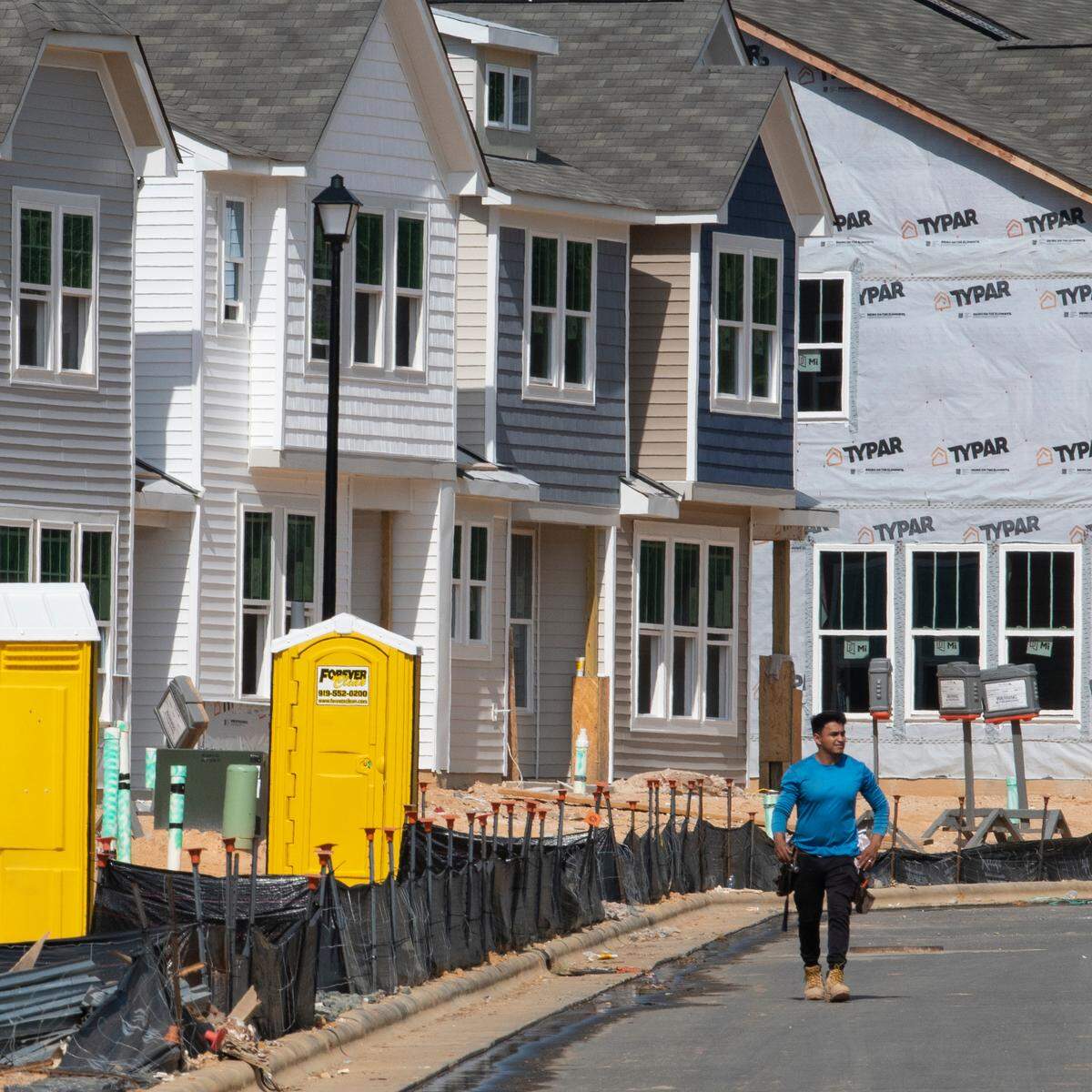
A worker arrives at a construction site for new townhomes in Clayton, N.C., Thursday, Sept. 22, 2022. This area of Johnston County has seen rapid growth over the past decade. Scott Sharpe ssharpe@newsobserver.com
Inflation and illegal immigration
Dave Brown, a retired electronic engineer from Selma who worked on railroads in North Carolina and Virginia, describes himself as a slightly-right-of-center conservative who has voted for candidates from both parties. He voted for Jimmy Carter in 1976, but has voted for Republicans in most elections since then.
Brown said the top issues for him were the current state of the economy and high inflation, as well as illegal immigration at the southern border, a problem which he said President Joe Biden and Vice President Kamala Harris didn’t seem to “want to get involved in.”
The rate of recorded illegal crossings along the U.S.-Mexico border has increased sharply during the Biden administration, with arrests by immigration authorities over the last 11 months surpassing 2 million for the first time, according to U.S. Customs and Border Protection.
Brown said it was “pretty obvious” that inflation has become a top issue, if not the most important one, for most people, with rising costs for all sorts of goods eating into the average person’s wallet. He said he was disappointed that the federal government did not appear to be doing more to lower energy costs and try to bring down the cost of fuel, which impacts everyone.
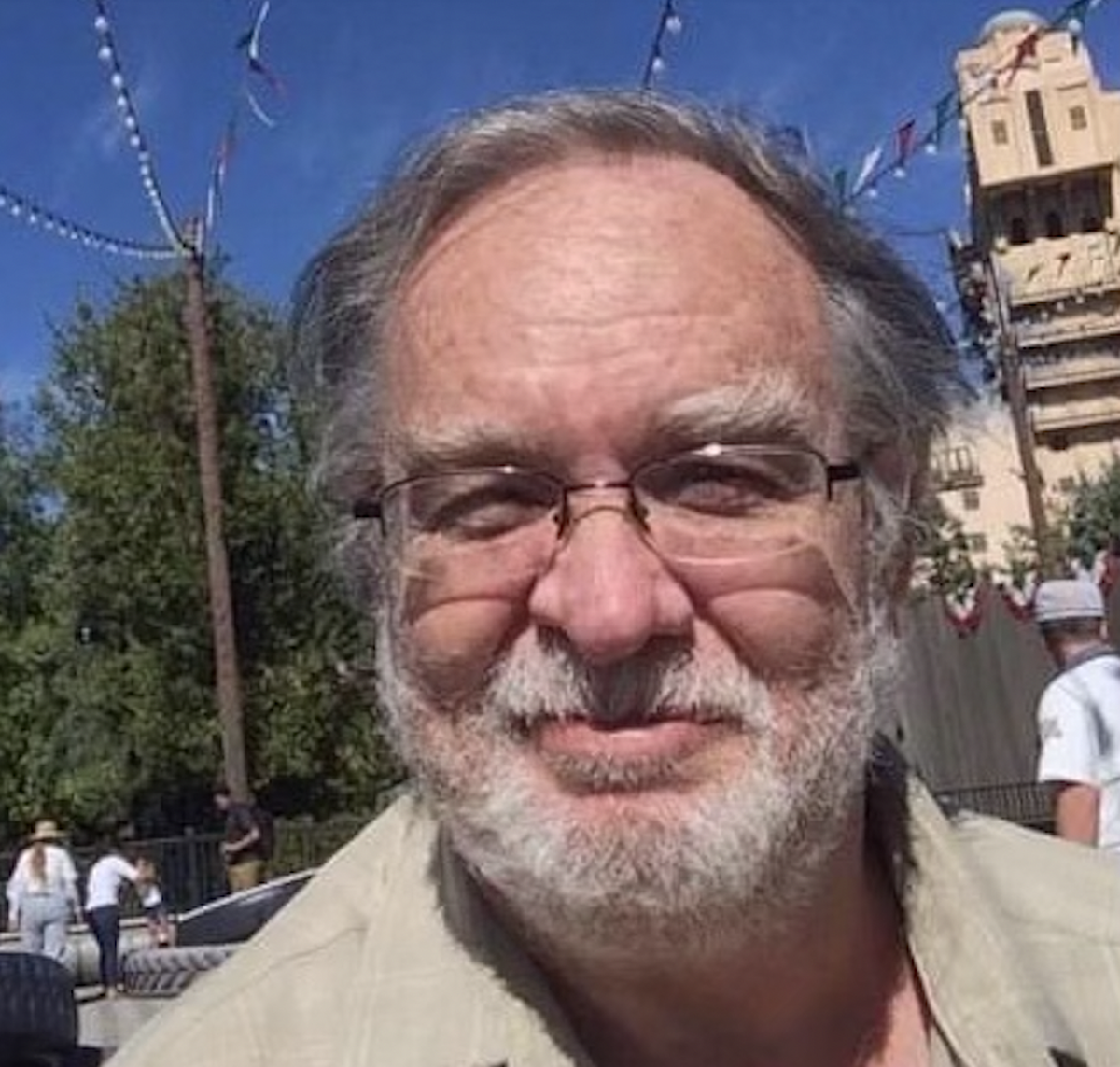
Dave Brown, 73, says the most important issues to him are the economy and immigration. Contributed
Looking ahead to the election, Brown said he had pretty much decided to vote for Hines. Before the primary, while he was going door-to-door to talk to voters in Selma, Hines stopped by Brown’s house along with two campaign staffers. The 27-year-old candidate talked to Brown and answered a couple of his questions about inflation, law enforcement and public protests, and other issues.
Ultimately, Brown said, that personal face-time with a candidate “kind of influences you.”
Abortion and a less civil, productive discourse
Brown also said he disliked how the political discourse has deteriorated over the last decade or so.
“I think people have become extreme in their positions, often to where you can’t have discussions, you have arguments,” Brown said. “You don’t accomplish much when you have arguments; you should be able to have civil conversations about things and come to your conclusions. Everything is not about whether you’re for me or against me.”
On the issue of abortion, Brown said he supported some restrictions and wanted to discourage the procedure being used as “a contraceptive,” adding that people should “be responsible for their actions” and think about their choices before they make them. Still, he said he supported abortions being allowed in certain situations.
When it comes to enacting specific abortion laws, however, he said it was important for lawmakers to remember that abortion is an extremely complicated issue, and probably can’t be solved with a “catch-all” policy that applies in all situations.
“There’s a lot of issues involved and some of it is moral. Anytime they try to legislate morality, it’s too extreme,” Brown said. “I think it should be left up for a decision between the people that are involved, and the doctors.”
In many cases, he added, politicians are removed from the issues they’re speaking about or trying to make policy on, which can introduce other biases or considerations, including making decisions based on how many votes they can get, instead of what might be most sensible in that particular instance.
“If you’re going to judge somebody — you shouldn’t — but you should be able to offer them an alternative,” Brown said. “If you want to tell someone how to do something, you should be involved in the solution too.”
For more North Carolina government and politics news, listen to the Under the Dome politics podcast from The News & Observer and the NC Insider. You can find it at https://campsite.bio/underthedome or wherever you get your podcasts.
This story was originally published September 28, 2022 at 6:00 AM.
Avi Bajpai is a state politics reporter for The News & Observer. He previously covered breaking news and public safety. Contact him at abajpai@newsobserver.com or (919) 346-4817.
Democrat Wiley Nickel and Republican Bo Hines are vying for voters in a critical midterm race that could be decided by just a few percentage points, or less. The redrawn district could decide who controls Congress.