
Is there room for moderates in the NC General Assembly?
Unaffiliated voters are the largest voting group in the state, overtaking Democrats early this year. Does that mean they are moderates, too?
Not necessarily, but as candidates court the small but powerful part of the electorate that is truly undecided, they tend to portray one or both major parties as further to the left or the right.
That means candidates are also framing themselves as closer to the center, especially if they are in competitive districts. That’s seen in both federal and state races. Democratic state Sen. Sydney Batch’s campaign is running television ads in which she promotes herself as a gun owner, embracing an issue that is more typically Republican than Democrat.
The Senate minority leader, Sen. Dan Blue, has served many years in first the House, then the Senate. Blue said he describes the Senate Democratic Caucus as “overwhelmingly moderate.”
“I mean, there are some folks who might be more liberal than others. But for the most part, this is a moderate caucus,” Blue said.
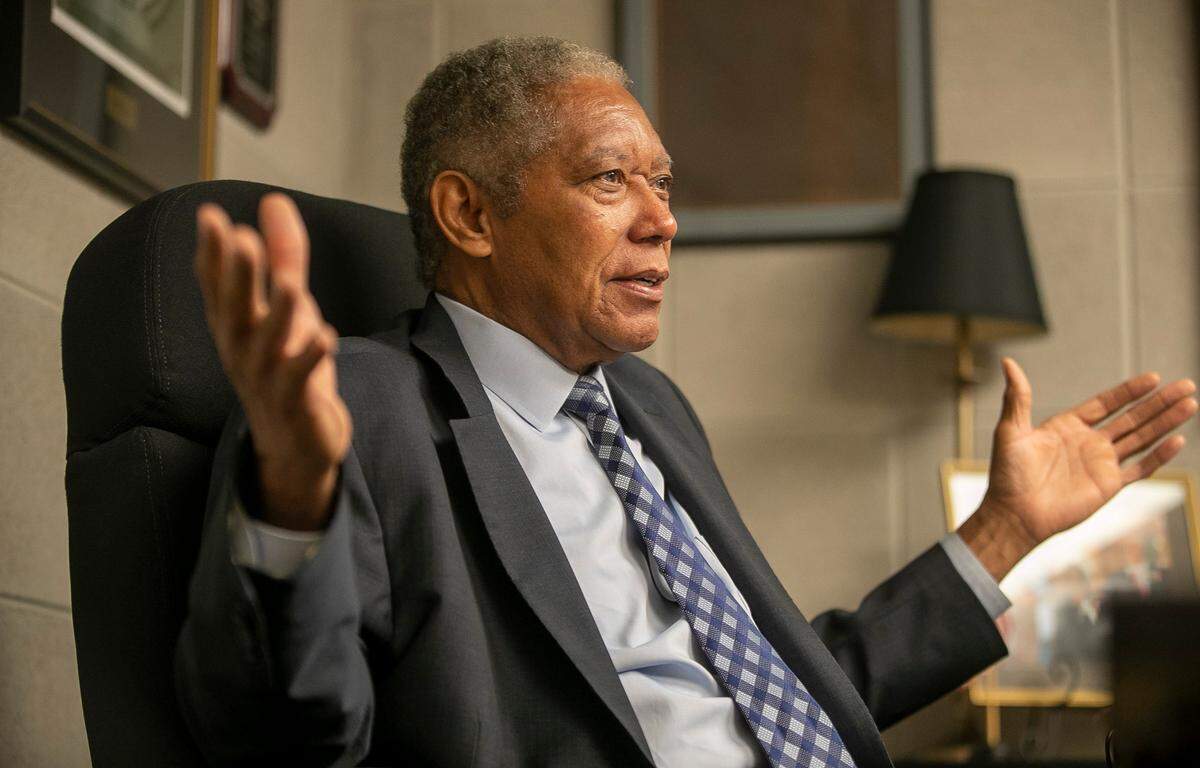
“It’s business-friendly. It believes in fiscal accountability and responsibility, and it makes every effort not to unreasonably raise taxes on the citizens, in fact, makes every effort to try to cut those taxes when you address the fundamental needs of the state ... essentially educational needs and stuff,” he said.
Western Carolina University politics professor Chris Cooper said that there is room for moderate agendas in the legislature, but “perhaps not moderate voting patterns” on some bills.
Party leaders expect lawmakers to fall in line when it comes to floor votes, he said. During general elections, candidates in competitive districts like Batch’s move to the middle, Cooper said.
“So much about politics is which issue you highlight when,” he said, calling Batch’s ad a smart political move.
“I think it’s normal for politicians to moderate around election time,” he said.
Primaries, however, are a different story.
Primarying of Sen. deViere
Democratic Gov. Roy Cooper told Georgetown University students recently that Republicans are the “MAGA Party” and says there’s no room in the Republican Party for moderates anymore.
He also said that gerrymandered districts are pushing people farther and farther apart.
He said that candidates who are looking over their shoulder for a “primary challenge discourages compromise and negotiation.”
However, that happened in his party in this year’s Senate Democratic primary, to incumbent Sen. Kirk deViere of Fayetteville. DeViere is one of four Senate Democrats who occasionally have voted with Republicans on issues they say are important to their districts, like the state budget and reopening schools for in-person learning.
Cooper made the unusual move of endorsing and fundraising for deViere’s fellow Democratic opponent, Val Applewhite. Generally, top officials do not endorse the primary opponent of a legislative incumbent in their own party.
The primary election also included attack ads against deViere, who lost. Now Applewhite faces former Sen. Wesley Meredith, the Republican senator that deViere once defeated, in November. That race is one of the seats that could determine whether or not Republicans win a supermajority, which is just two seats away.
Among deViere’s fellow Democrats in the legislature, only state Rep. Billy Richardson publicly criticized Cooper for the move during the primary, saying the governor should acknowledge his mistake.
In a recent interview, The News & Observer asked the Senate Democratic leader about it.
“No, I would not have made that decision,” Blue said in an interview, when asked about Cooper endorsing deViere’s opponent.
“But again, you know, the governor has a statewide perspective. He gets 50 times the number of constituents that I have,” Blue said, and added that the governor should be involved in the legislative process.
While some have gone their own way on key votes, Blue said Senate Democrats have had long conversations with Cooper about his vetoes on certain issues. “I am respectful of all of the members in my caucus. We have for the last four years, basically hung together in agreeing to sustain the governor’s veto,” he said.
“But that’s the decision the governor made. And one of the things that I learned a long time ago is that you can win a lot of battles, but you got to pick and choose which battles you’re engaged in,” Blue said.
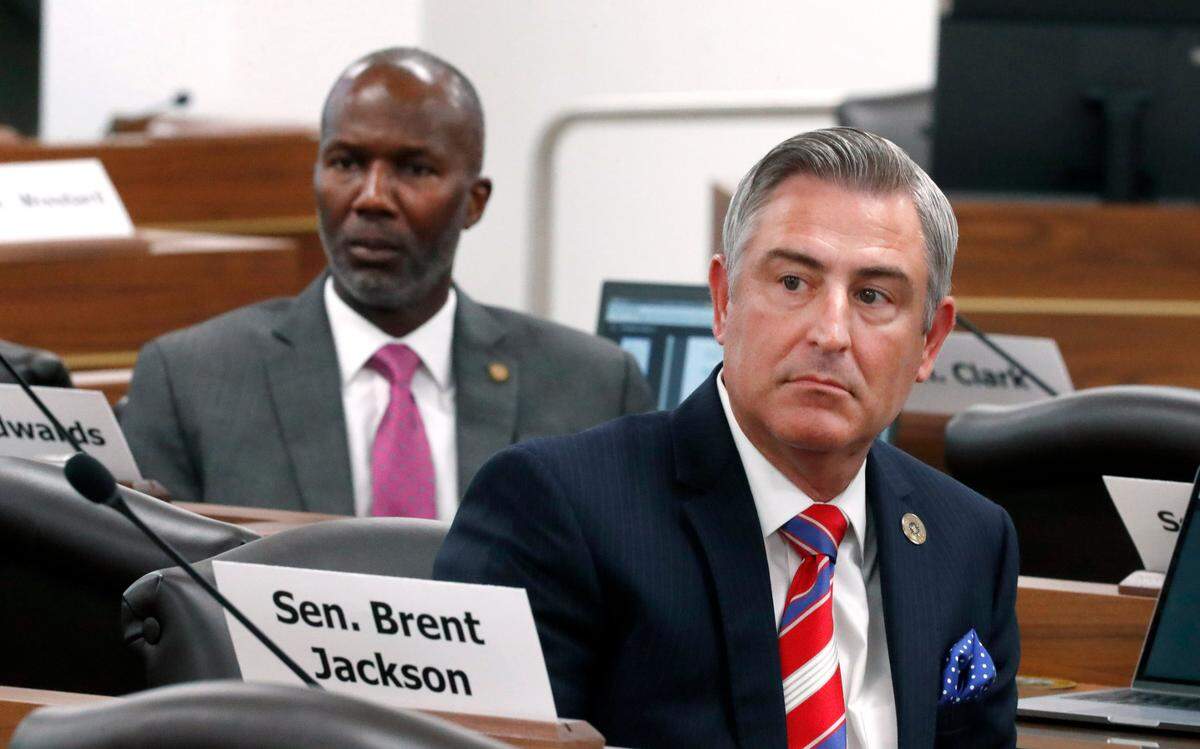
In an interview, deViere told The N&O that he thinks it’s important to have moderate Democrats and moderate Republicans.
“I think a lot of times those are the people finding common ground to get bipartisan legislation done,” deViere said. “I think it’s extremely important. And while in general elections we talk about bipartisanship and reaching across the aisle, unfortunately you can get penalized for doing that. In a primary, that’s used against you in some ways, and I think that’s unfortunate because we need people working together to solve the problems people face in North Carolina, not worried about (if they are) seen working together.”
“I think it’s hard for elected officials to be in that role, or be labeled as that. Because you can be considered as you’re not toeing the party line. But I think elected officials should have the ability to represent their district, especially those that come from a bipartisan district, a 50-50 district. Unfortunately legislators a lot of times don’t get the ability to do that,” he said.
Moderate vs. MAGA Republicans
For Republicans, moderate can mean those who don’t align with the wing that supports former President Donald Trump, who continues to lie about the results of the 2020 elections after President Joe Biden won the presidential election.
The N&O asked House Speaker Tim Moore about Gov. Cooper saying that Republicans are trying to “out-MAGA” each other, and if there is room for moderates in the Republican House caucus.
Moore said there is.
“The House caucus does have a range of folks who I would say are moderates, center, center-right and and then further to the right. We actually have a pretty diverse caucus in that, and we have some very spirited debates on numbers of pieces of legislation,” he said in an interview in his office at the Legislative Building in downtown Raleigh.
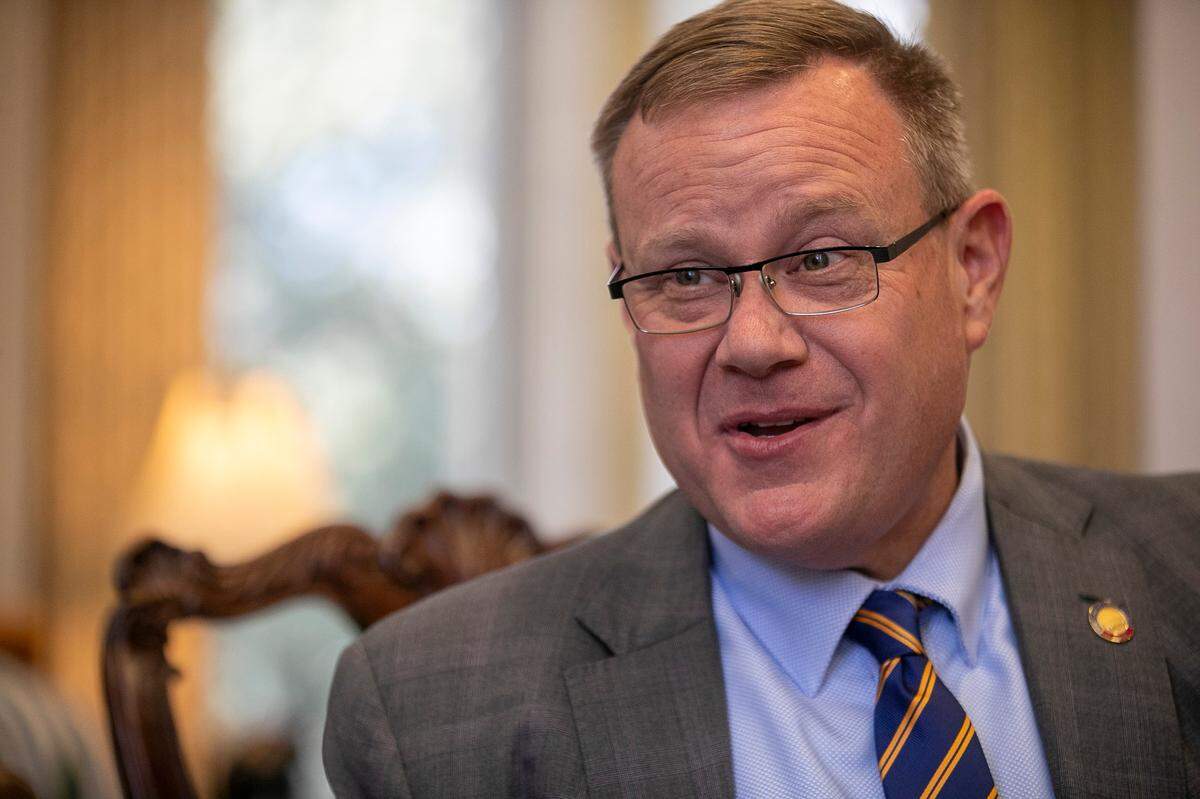
“Beyond that, I think you have issues that are important to some members of the caucus that are not as important to others. Some members of the caucus are very intrigued and very engaged in social issues. Others would rather deal with, I don’t know, business issues, economic issues, non-social issues if you will. And so there are wide differences in the caucus, not only over the substance, but also over the form, over the issues that folks want to talk about. And what we have strived to do — what I’ve strived to do as speaker — is to work to build consensus on those.”
Moore said House members should follow the advice of voting their conscience, district and caucus, in that order.
For more North Carolina government and politics news, listen to the Under the Dome politics podcast from The News & Observer and the NC Insider. You can find it at https://campsite.bio/underthedome or wherever you get your podcasts.
This story was originally published October 7, 2022 at 6:00 AM with the headline "Is there room for moderates in the NC General Assembly?."
.jpg)