
How NC Republicans in Court of Appeals primary describe their philosophies
AI-generated summary reviewed by our newsroom.
- Republican candidates for Court of Appeals outline judicial philosophies and priorities.
- The Republican winner for seat 1 will face Democratic incumbent Judge John Arrowood.
- Registered voters must vote their party’s primary; unaffiliated may choose one primary.
To help voters learn which candidates are on their ballot and where they stand on important policy issues, The News & Observer is publishing candidate questionnaires in all state and federal races in North Carolina on the March 3, 2026, ballot.
Below are the candidates running in the Republican primary for seat 1 on the North Carolina Court of Appeals who responded to our questionnaire, in order by the date their responses were received.
Democrats don’t have a contested primary for the seat; whichever Republican wins will face the Democratic incumbent, Judge John Arrowood.
There is a Democratic primary for seat 3 on the Court of Appeals.
Voters must vote in the primary for the party they are registered with. Unaffiliated voters can choose to vote in either primary, but not both.
Matt Smith
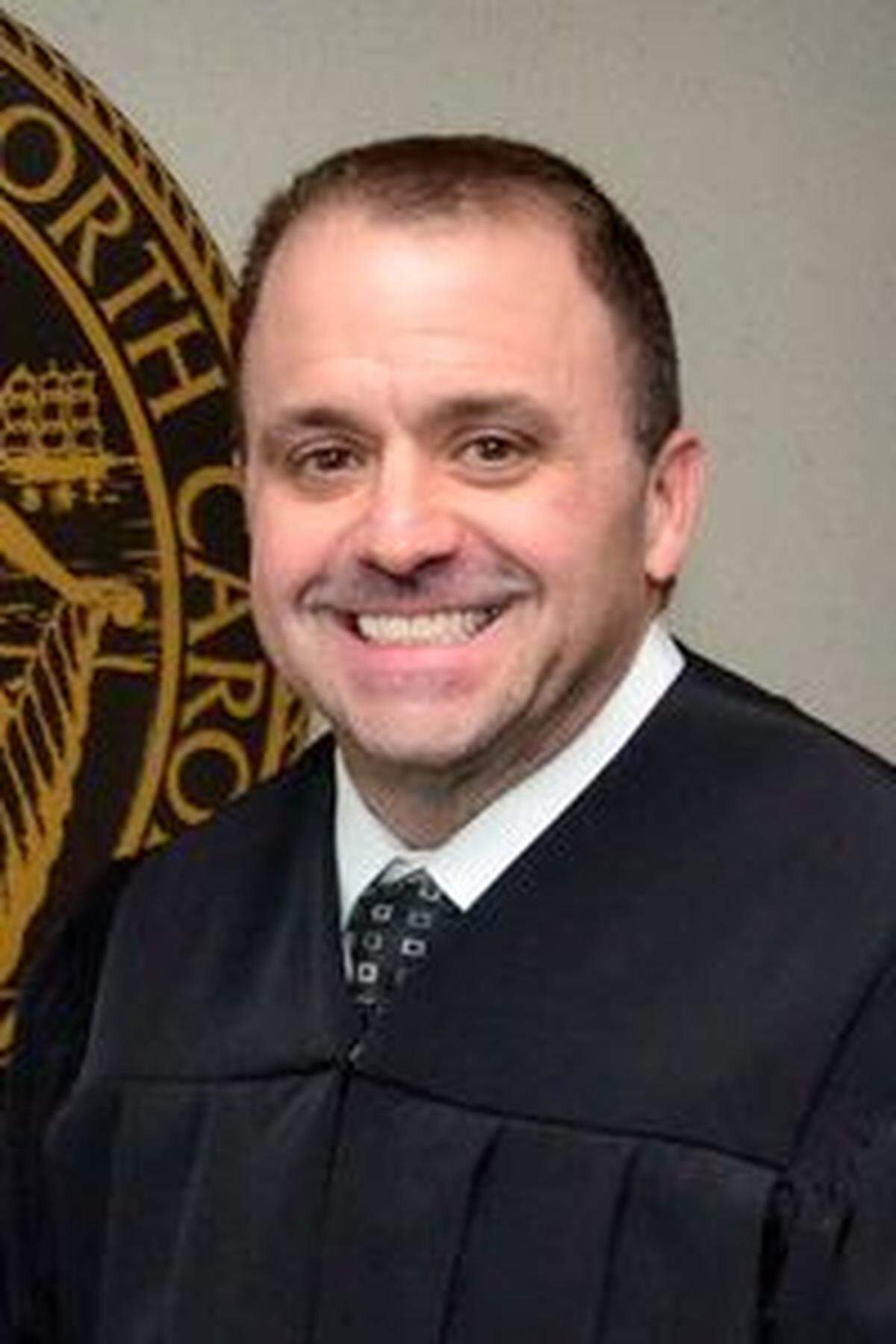
Position sought: N.C. Court of Appeals Seat 1
Age as of March 3, 2026: 53
Political Party: Republican
Campaign website: www.votemattsmithjudge.com
Current occupation: NC Superior Court Judge
Professional experience: I practiced trial law for 18.5 years, including owning my own firm. I have served as a District Court judge and now serve as a Superior Court judge.
Education: BA from UNC-Chapel Hill, JD from Campbell Law School, cum laude
What areas of the law do you have experience in, as a judge or attorney? Criminal; civil litigation; appellate, corporate counsel; government/public interest; family law; insurance; all matters within the jurisdiction of the superior and district courts.
What is your judicial philosophy? Conservatism/textualism. Follow the law as it is written, follow established precedent and show judicial restraint.
Tell us about a specific event in your legal career of which you are most proud. Being sworn in as a Superior Court judge in front of my dad.
Do you think the judicial branch has become too politicized? How do you approach legal issues that have strong partisan divides? No, I do not. If I am asked my judicial philosophies outside the courthouse I am happy to share those beliefs within the bounds of the Judicial Code of Conduct. If I am in the courthouse, or I am with an audience strictly in my role as a judge, I do not discuss partisan issues.
To what extent should judges be allowed to share their thoughts on political issues in public? Canon 7 of the Judicial Code of Conduct, which governs judicial behavior, dictates the manner in which we express political beliefs. I am bound by and follow these rules.
The results of NC’s 2024 Supreme Court election were aggressively litigated for six months last year. How do you think this impacted trust in the judiciary? Everyone has the right to seek redress in our courts, including judicial candidates. Although it may have discouraged some, I believe it shows the strength of our judicial system.
Michael Byrne
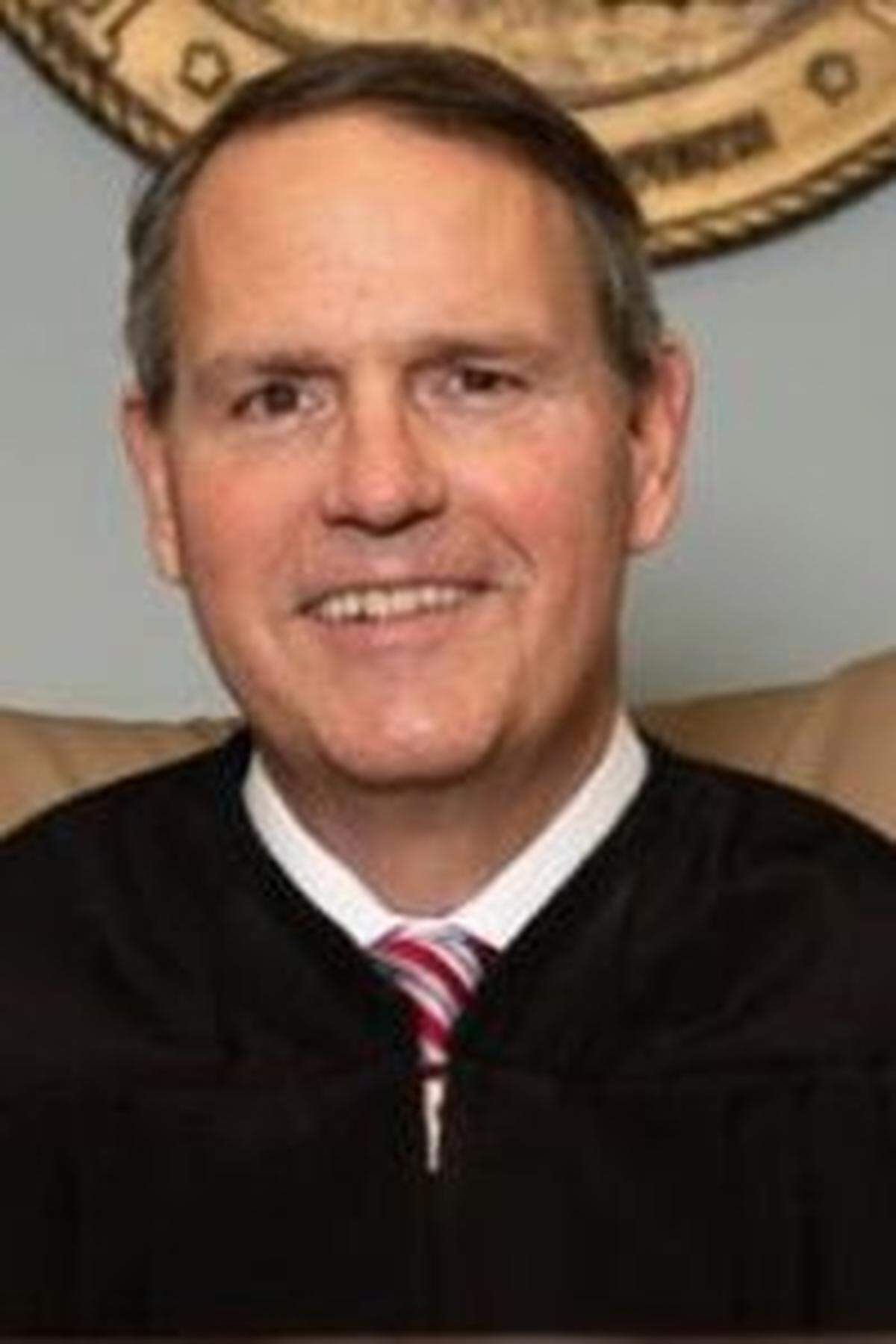
Position sought: N.C. Court of Appeals Seat 1
Age as of March 3, 2026: 58
Political Party: Republican
Campaign website: mb4nc.com
Current occupation: North Carolina Administrative Law Judge
Professional experience: 2020-present: Administrative Law Judge, NC Office of Administrative Hearings (OAH). 2008-2020: representation of State employees/law enforcement in OAH and Court of Appeals/Supreme Court. 1995-2008: general trial and State/Federal/appellate practice. 20+ cases litigated in NC Court of Appeals and Supreme Court as an attorney. Issued almost 400 decisions as an Administrative Law Judge. Nine of my decisions have been reviewed by the Court of Appeals. All nine were unanimously affirmed.
Education: Campbell University School of Law, JD North Carolina State University, B.A, English, cum laude
What areas of the law do you have experience in, as a judge or attorney? Civil litigation; appellate; government/public interest; labor/employment; certificate of need; general administrative law
What is your judicial philosophy? Judges follow the law and the NC Constitution as written, but the overall philosophy is fairness: everyone appearing before the courts, no matter who they are, receives a fair and impartial hearing. Due process and fair hearings are essential.
Tell us about a specific event in your legal career of which you are most proud. Most recently, the Court of Appeals in 2025 affirmed my decision in O’Sullivan v. Hyde County Health Department, 923 S.E.2d 275 (2025), where I ruled in favor of due process rights for public employees. Due process is an essential element of a fair legal system.
Do you think the judicial branch has become too politicized? How do you approach legal issues that have strong partisan divides? I cannot comment on current political issues, but the courts are for everyone. Partisan justice is a concept I absolutely reject. The law is the law, and it applies to everyone, without fear or favor. Anything other than complete impartiality undermines public confidence in our courts.
To what extent should judges be allowed to share their thoughts on political issues in public? While the First Amendment (and Article 1, Section 14 of the Constitution of North Carolina) provide free speech rights for everyone, our judiciary is best served by those who refrain from regular political comments. Would someone of the opposite view think they were getting a fair hearing? If someone wants to comment regularly on partisan politics, they should run for the General Assembly. I don’t want anyone to feel that my views raise an issue of bias or lack of impartiality.
The results of NC’s 2024 Supreme Court election were aggressively litigated for six months last year. How do you think this impacted trust in the judiciary? I cannot comment as a judicial candidate on matters such as the 2024 election. I do feel that an essential element of public trust in the judiciary is fairness and impartiality — no matter what the case or the parties. Persons wishing for politically partisan justice may have options in this primary — but voting for me is not one of them. I will always apply the law fairly, consistently, and without regard to partisan politics.
This story was originally published February 13, 2026 at 5:00 AM.