Attempt to throw out votes worries NC Democrats running for Court of Appeals
AI-generated summary reviewed by our newsroom.
- Democratic candidates say 2024 post‑election lawsuit eroded trust.
- Candidates emphasize protecting voting rights after attempts to discard votes.
- Democratic winner will face Republican Craig Collins in the 2026 general election
To help voters learn which candidates are on their ballot and where they stand on important policy issues, The News & Observer is publishing candidate questionnaires in all state and federal races in North Carolina on the March 3, 2026, ballot.
Below are the candidates running in the Democratic primary for seat 3 on the North Carolina Court of Appeals who responded to our questionnaire in order by the date their responses were received.
Republicans don’t have a contested primary for the seat; whichever Democrat wins will face Republican Craig Collins.
There is also a Republican primary for seat 1 on the Court of Appeals.
Voters must vote in the primary for the party which they are registered with. Unaffiliated voters can choose to vote in either primary, but not both.
Judge Christine Walczyk
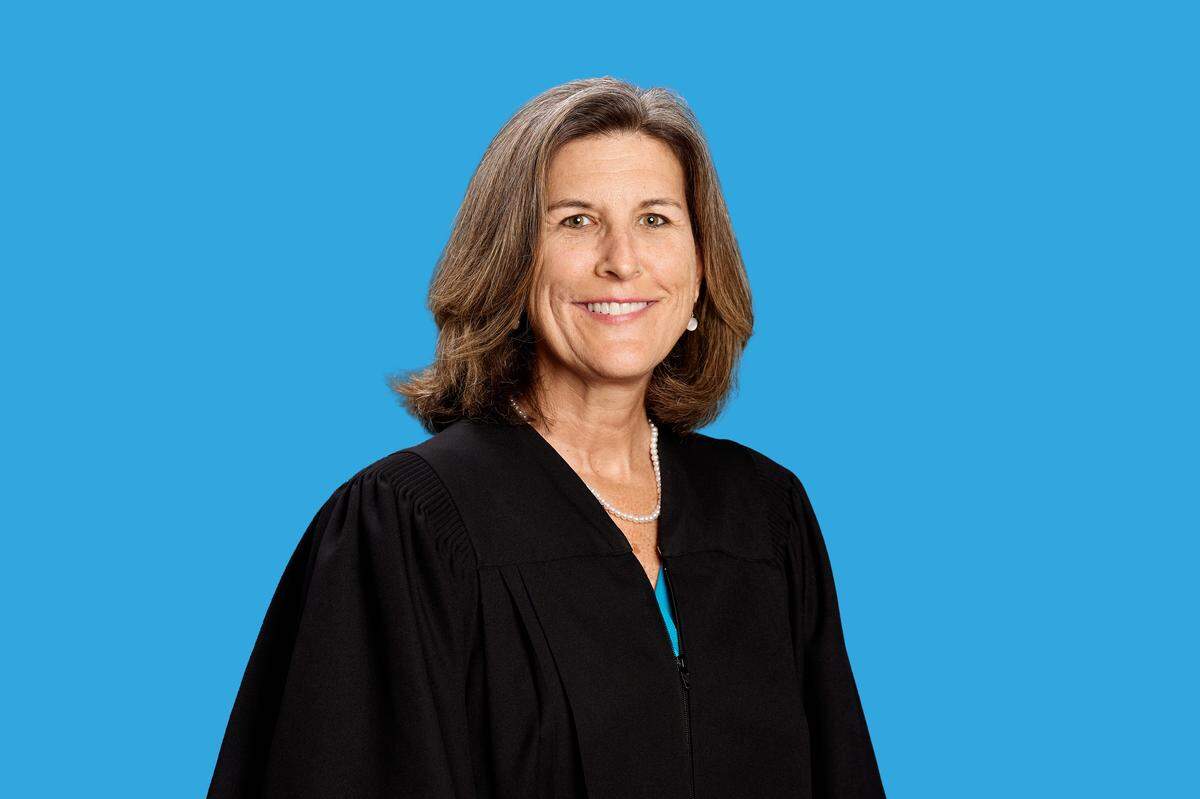
Position sought: NC Court of Appeals Seat 3
Age as of March 3, 2026: 55
Political Party: Democrat
Campaign website: www.judgechristine.org
Current occupation: District Court Judge - Wake County
Professional experience: Wake County District Court Judge, 2007- Present. Lead Family Court Judge, 2013-2021. Lead Civil Court Judge, 2021- Present. Grafstein & Walczyk, P.L.L.C., Founding Member, 1995-2007. Co-owned with Sen. Lisa Grafstein. We represented employees, small family-run businesses, and adults and juveniles charged with crimes. Wake Technical Community College, former instructor. Meredith College Paralegal Program, former instructor.
Education: I graduated magna cum laude from the Boston College Carroll School of Management with a degree in Management and a concentration in Finance. I earned my Juris Doctor from the University of North Carolina School of Law at Chapel Hill. My specialized judicial training includes advanced courses in Family Law, Equitable Distribution, and Child Development; a Criminal Sentencing seminar; and Duke University School of Law’s Justice Unbound: The Judge’s Duty to Address Bias and Inequality.
What areas of the law do you have experience in, as a judge or attorney? Criminal, civil litigation, family law, labor/employment, domestic violence, juvenile delinquency, housing, contracts and general business
What is your judicial philosophy? I do not follow a single interpretive approach. I strive to apply the law thoughtfully and without bias, considering its words, purpose, and practical effects. I am guided by stare decisis and judicial restraint and believe courts should be cautious in departing from decisions of the same or higher courts. Consistency and stability are essential to public confidence. At the same time, I recognize that the Constitution and our laws must be interpreted in the context of evolving societal values.
Tell us about a specific event in your legal career of which you are most proud. As part of my work with the NC Bar Association’s Women in the Profession Committee, I led the effort to publish “The Changing Face of Justice: A Look at the First 100 Women Attorneys in North Carolina,” featuring trailblazers like Tabitha Holton and Ruth Whitehead Whaley. The book’s launch in 2007 brought Justice Ruth Bader Ginsburg and female chief justices from around the nation to North Carolina, marking a memorable milestone in celebrating women’s contributions to the legal profession.
Do you think the judicial branch has become too politicized? How do you approach legal issues that have strong partisan divides? A strong judiciary keeps the other branches within constitutional bounds. The increasing politicization of the courts, and the perception that judges rule along partisan lines, weakens the whole system. North Carolina is in the minority in embracing partisan judicial races, and this process does not serve the courts or the public. Despite this trend, I will continue to apply the law fairly, consistently and impartially. My integrity and the public’s trust in the courts will remain paramount.
To what extent should judges be allowed to share their thoughts on political issues in public? The public must be informed about the values and biases of judges standing for election. Judges should be free to discuss their values, life experiences, and views on improving the legal system, but must avoid publicly expressing personal views on political issues or cases that may come before them. Such conduct can violate the Code of Judicial Conduct, result in disqualification, and erode public trust, thereby weakening the judiciary.
The results of North Carolina’s 2024 Supreme Court election were aggressively litigated for six months last year. How do you think this impacted trust in the judiciary? After 19 years as a trial judge, I chose to run for the appellate court in part because of this litigation. There is no doubt that this lawsuit will have a lasting negative impact on the public’s already dwindling trust in the judiciary. We watched a sitting judge attempt to discard votes from specific classes of voters, and the divisiveness within the current court was exposed. Nothing about this litigation portrayed the judiciary in a good light, or as the independent branch it is meant to be.
James Whalen
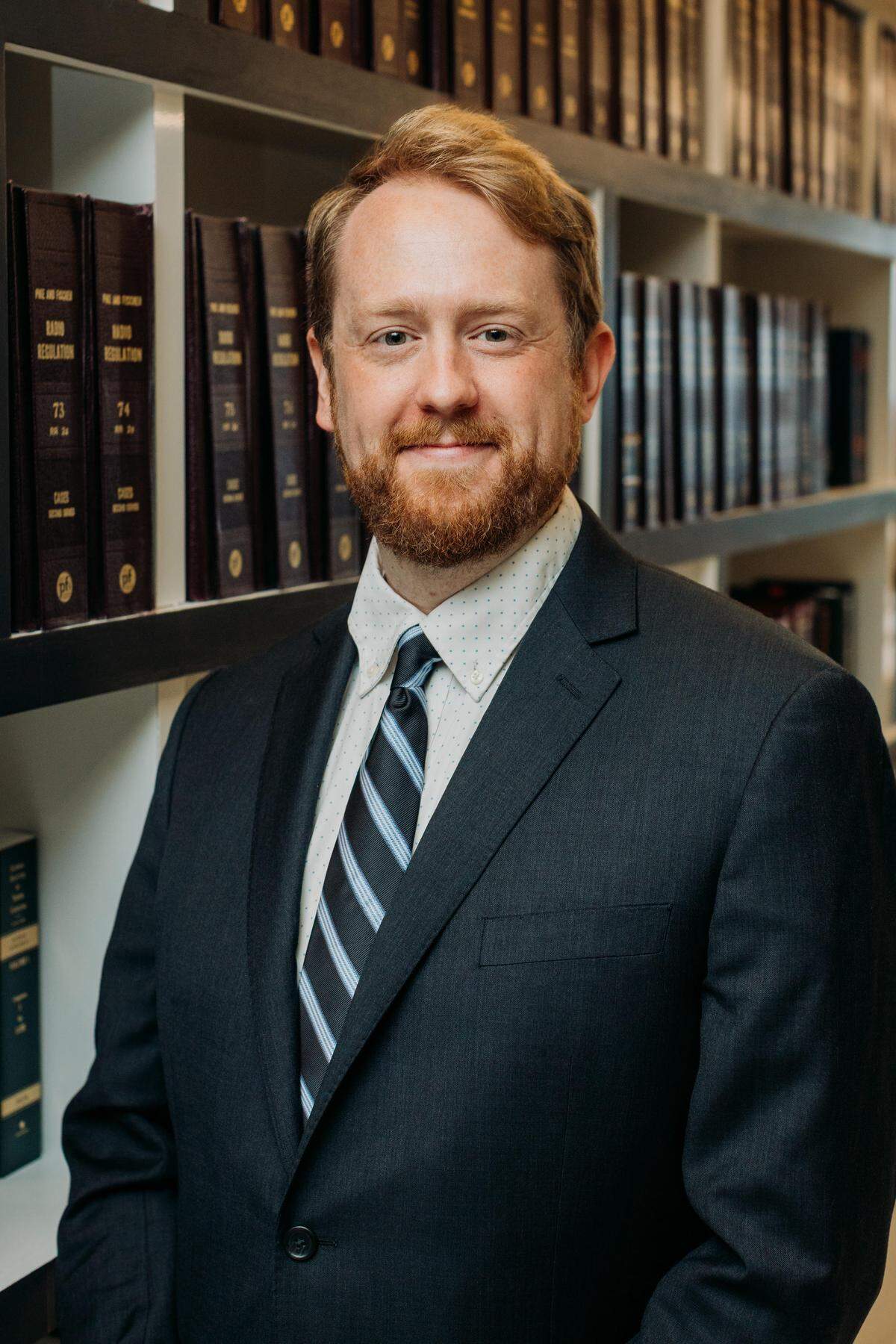
Position sought: NC Court of Appeals Seat 3
Age as of March 3, 2026: 32
Political Party: Democrat
Campaign website: WhalenForNC.com
Current occupation: Attorney
Professional experience: I have focused my career on protecting our rights in appellate courts. Last year, I defended Justice Allison Riggs’s win and stopped a dangerous attempt to discard 60,000 votes. In our N.C. Department of Justice, I fought gerrymandering, stood up for our public schools, and held domestic abusers accountable. I now practice law with Brooks Pierce LLP in Raleigh. I have argued in our state and federal appellate courts and have the appellate experience needed most on our Court of Appeals.
Education: I graduated with honors from UNC School of Law, where I served as an Articles Editor on law review. Prior to law school, I worked for UNC System President Tom Ross to make college more affordable, staffed Rep. Cynthia Ball in the General Assembly, and managed winning campaigns for Wake County Commissioner Matt Calabria and the late Rep. Joe John. Originally from Charlotte, I am a proud graduate of East Mecklenburg High School and UNC Asheville, where I majored in math and philosophy.
What areas of the law do you have experience in, as a judge or attorney? Criminal, civil litigation, appellate, corporate counsel, government/public interest, family law, labor/employment, taxes/accounting, intellectual property, civil rights, voting rights, elections, First Amendment, separation of powers, nonprofit, education, environmental, finance
What is your judicial philosophy? I believe the judiciary is a coequal branch of government duty-bound to protect our rights and check abuses by other branches. Exercising this power wisely requires care and courage. My philosophy is informed by many sources: the founders’ skepticism of concentrated power; the progressive movement’s work to understand the impact of the law on people’s lives; and Civil Rights-era leaders’ use of litigation to protect rights. I believe judges must be faithful to the law and facts in every case.
Tell us about a specific event in your legal career of which you are most proud. In 2022, a Democratic majority on the NC Supreme Court held that extreme partisan gerrymandering violates our right to free elections. For a brief moment, we had fair maps in North Carolina. When legislative leaders appealed, I proudly defended fair maps as a DOJ attorney and won in the U.S. Supreme Court. We won on the law, but lost on the politics. In early 2023, a newly elected Republican N.C. Supreme Court majority reversed course and invited extreme partisan gerrymandering back to North Carolina.
Do you think the judicial branch has become too politicized? How do you approach legal issues that have strong partisan divides? Yes. Majorities on our state appellate courts have allowed powerful partisan interests to exercise largely unchecked power and roll back our rights. Jurists should be impartial to the parties, but they should be fiercely partial to the law and our rights. As a judge, I will faithfully apply the law and uphold our rights regardless of political pressure, and I will never shirk my duty to uphold litigants’ rights under the law just to avoid upsetting partisans.
To what extent should judges be allowed to share their thoughts on political issues in public? Because we elect our judges, judges and judicial candidates must be clear with voters about our values and the stakes of judicial elections. This moment requires our judges to be reliable defenders of our rights, especially when those rights become political targets. Judges should not prejudge cases, disparage litigants, or make comments that call into question their impartiality.
The results of North Carolina’s 2024 Supreme Court election were aggressively litigated for six months last year. How do you think this impacted trust in the judiciary? Last year, a sitting judge sought to steal an election, and Republican court majorities agreed to discard thousands of votes. I defended these voters. I did not know or care if the voters I defended were Democrats, Republicans, or unaffiliated. I just knew that they had followed the rules and, regardless of party, deserved to have their votes count. Every voter should be deeply concerned by our judges’ behavior last year. We deserve judges who will faithfully uphold the rule of law.
This story was originally published February 13, 2026 at 6:00 AM.