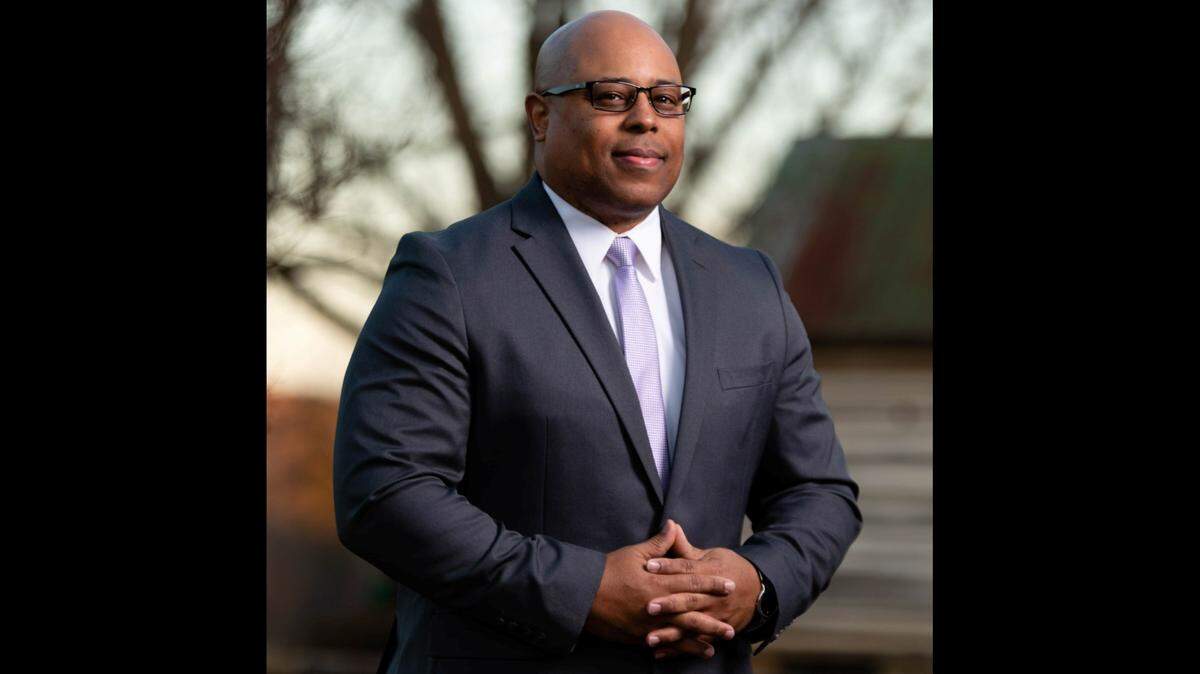
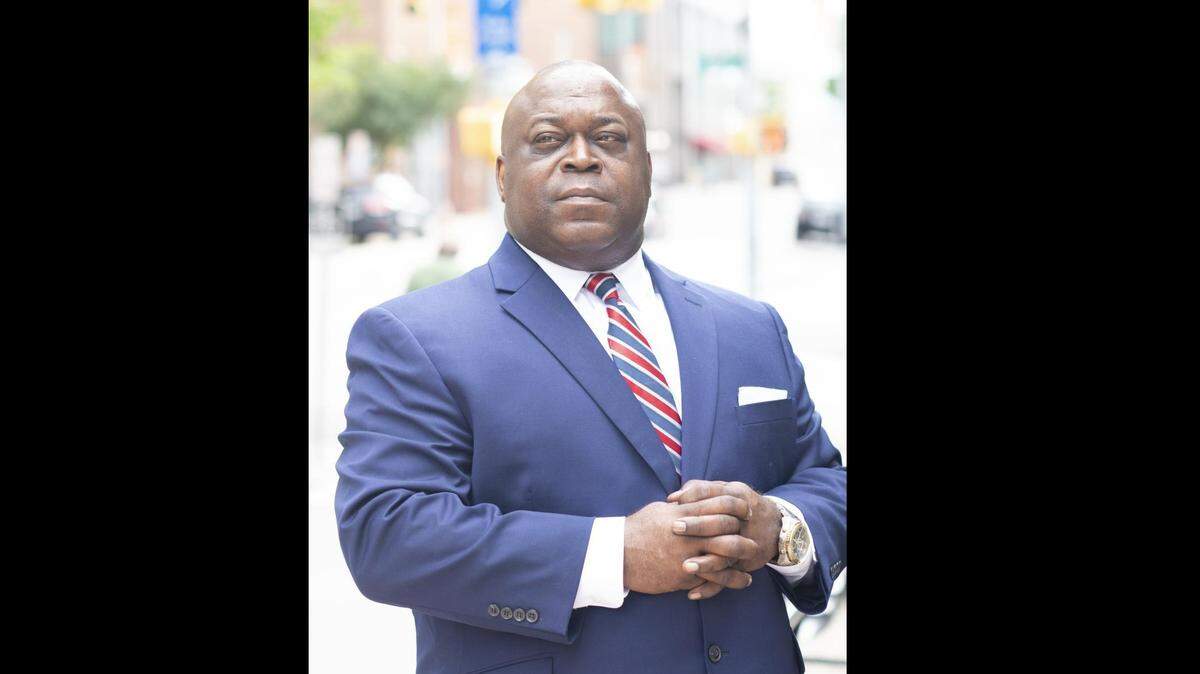
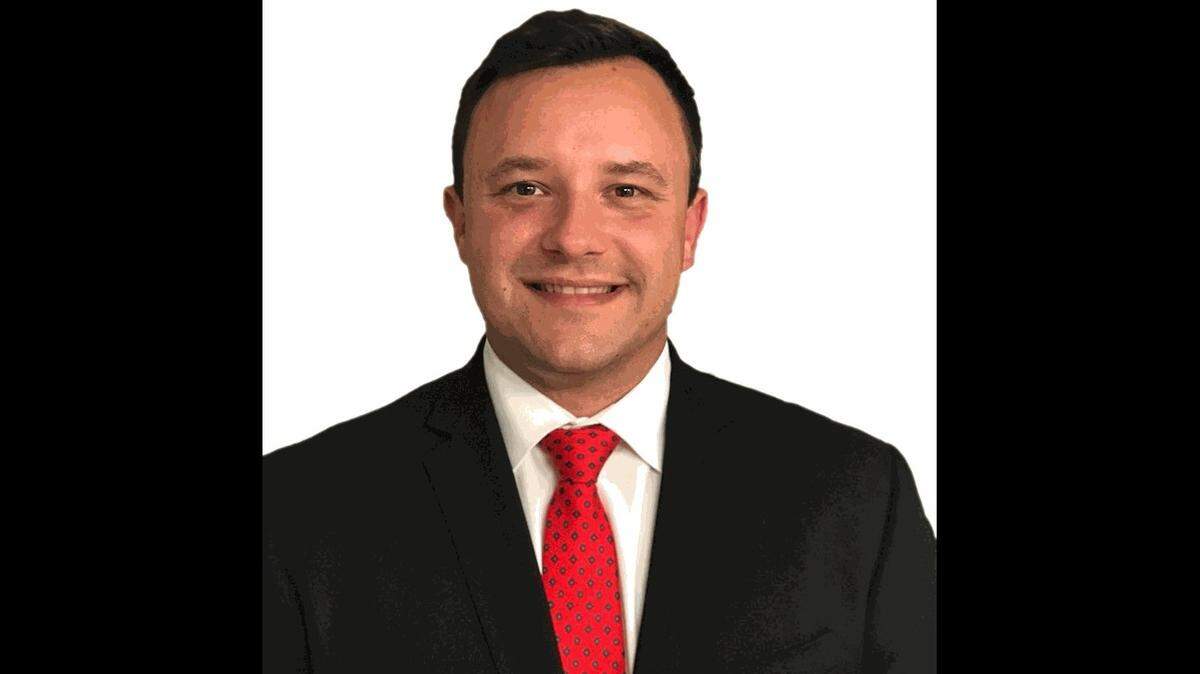
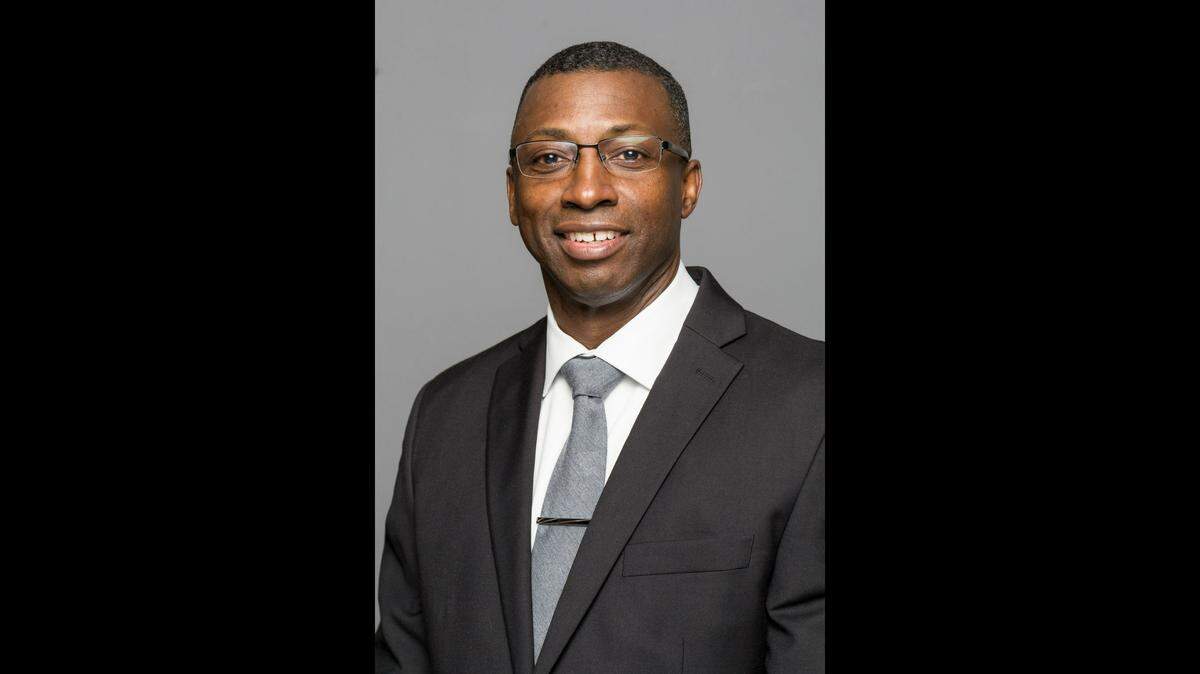
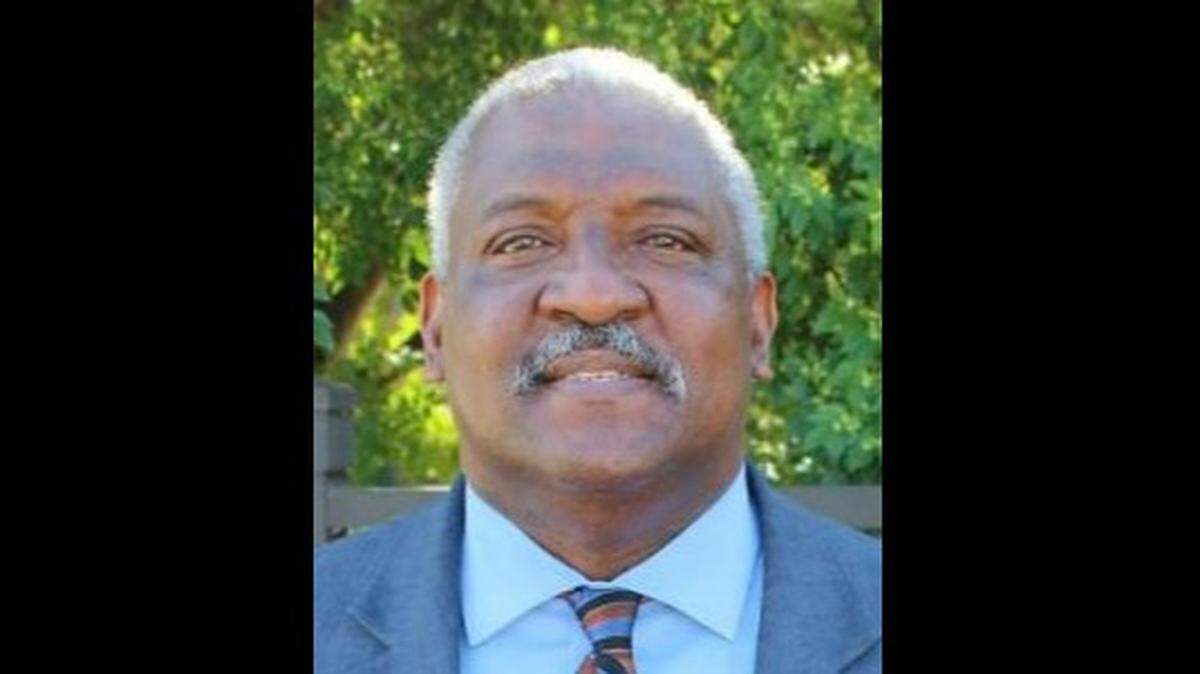
Roy Taylor, candidate for Wake County Sheriff
READ MORE
Candidates for Wake County Sheriff
Candidates in the race for Wake County sheriff include the incumbent, Democrat Gerald Baker; Democratic challengers Joe Coley, Cedric Herring, Tommy Matthews, Willie Rowe, Roy Taylor and Randolph Baity; and Republicans Donnie Harrison, Tivon Howard and David Blackwelder. Get to know the candidates in our 2022 Voter Guide.
Expand All
Name: Roy Taylor
Age: 59
Political party: Democrat
Campaign website: electroytaylorsheriff.com
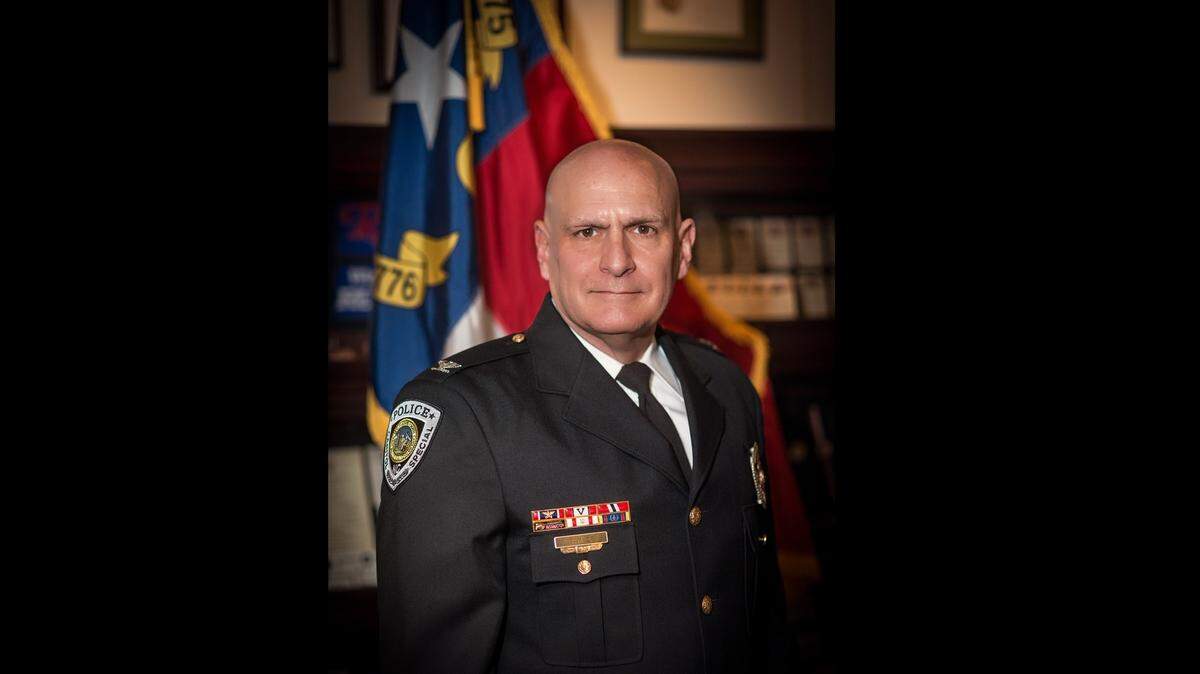
Occupation and employer: Chief of Police, Capitol Special Police
Education: Ph.D.
Have you run for elected office before? Yes, Durham County Sheriff
Please list highlights of your civic involvement: Awarded Paul Harris Fellow, Rotary International; Board Member JVKK Golf Classic; and Decorated Military Officer with National Guard and Army Reserve, Life Member VFW Post 8466 and American Legion Post 187.
Who are your top three campaign contributors? All contributions were small from multiple donors.
What are three things you want to accomplish in the next year, and how do you plan to accomplish them?
▪ Recruiting. The varying nature of law enforcement, and the level of authority and discretion provided to deputies, require recruiting and hiring only those who are best qualified and who demonstrate high moral and ethical character. I will commit to a hiring process that embraces diversity and reflects community values.
▪ Retention of employees. The Sheriff’s Office must provide competitive salaries that match or exceed the market average. Compensation, however, means more than just salaries. Compensation packages include benefits other than salary including health insurance, retirement, leave, schedules, and equipment. We need to implement a cafeteria-style compensation package that allow individuals to tailor their benefits to meet their particular needs.
▪ Establish mental health crisis team. All too often law enforcement officers shoot people who are having a mental health crisis. All deputies and detention officers will be required to attend crisis intervention training.
What about your experience makes you the best person to be Wake County’s next sheriff?
Forty years of law enforcement experience, with the last 26 serving as a police chief in federal, state, local, and private agencies. I earned a doctorate in criminal justice and work as an expert witness on police procedure cases in Federal Court. I recently retired from the Army Reserve as a lieutenant colonel in the Military Police Corps. My experience, education, and training in law enforcement management has provided me with the necessary skills to lead the 1,000 employees and manage the $102 million budget of the Wake County Sheriff’s Office.
What does the current administration do well? In what areas does the Sheriff’s Office need to improve?
I believe the staff of the current Sheriff’s Office are doing the best they can with the critical manpower shortage they are working with. Initially, the next sheriff will need to review manpower allocations and redirect existing resources to ensure emergencies and other calls for service are handled in the most efficient manner possible until staffing levels return to normal.
How will you attract and retain deputies?
Members of law enforcement often spend more time with their coworkers than they do with their families. Deputies need to know that the people they work with care about them on a personal level. It is easy for leaders to get caught up in the day-to-day operations and not contact their staff who may be experiencing personal hardships such as health problems or family emergencies. Scheduling time to visit or call individuals guarantees it gets done and provides them with a sense of belonging and reassurance. This type of leadership and organizational culture will attract and retain deputies and detention officers.
Do you support the use of no-knock raids? Why or why not?
I do not support the use of no-knock raids. Under North Carolina law, officers must knock and announce even though there is reason to believe that doing so will increase the chance of evidence being destroyed. If officers have such a belief, they may enter shortly after the knock and announce. State v. Gaines, 33 N.C. App. 66 (1977).
Do you support the use of body-worn cameras for deputies?
I intend to implement body-worn cameras both in the patrol division and the detention center. I anticipate, based on past studies, that they will change the behavior of deputies and members of the public in a positive manner leading to fewer use-of-force incidents and complaints. As well as improving transparency and accountability of the Sheriff’s Office that will aid in building better relationships with county residents.
Under what circumstances and timelines do you support the release of body-camera footage? For example, do you support video release when requested? Only for serious or fatal incidents? Within 48 hours of the incident or only after the investigation is complete?
Under North Carolina law, a law enforcement agency that receives a written request for disclosure of any law enforcement video recording must as promptly as possible disclose the recording relevant to the person’s request or notify the person of the agency’s decision not to disclose. Factors relevant to that decision include whether disclosure would jeopardize safety or create a serious threat to the administration of justice. If an agency denies disclosure or fails to provide disclosure in three business days, the person may seek review of the agency’s decision in superior court. G.S. 132-1.4A(e). Other statutory provisions and procedures govern the release of such a recording. Release means providing a copy of a recording. Release, which may be provided to the person depicted in the recording or any petitioning individual or entity, may be obtained only by court order.
As sheriff, I must abide by the law, but will be as forthcoming and accommodating as possible in releasing videos.
What is your definition of transparency, and how do you plan to apply that to your office?
Transparency keeps the Sheriff’s Office accountable to the people. It is the extent to which the community has ready access to information about uses of force or other issues regarding crime and our response to it. As sheriff, I will create a database on the use of force as well as other crime statistics and publish a biannual report to keep county residents informed. I will also provide as much information to the public as lawfully allowed regarding critical incidents as quickly as possible.
What role does the Sheriff’s Office play in stemming violent crime, and how do you plan to approach that role?
The Sheriff is the chief law enforcement officer of the county and therefore plays a major role in reducing crime. No single factor is more crucial to reducing crime levels than the partnership between all law enforcement agencies and the communities they serve. In order for law enforcement to be truly effective, the Sheriff’s Office cannot operate alone; we must have the active support and assistance of citizens and communities. Establishing and maintaining a safe county requires an ongoing concerted effort and collaboration with all stake holders.
How will you ensure that people of color and people who are poor are treated fairly?
Racial, social, political, and economic divisions have long existed and resulted in frustration and a mutual lack of trust. In recent years, those frustrations have increased, leading to a breakdown in civility and the rule of law, and increases in violent crime. My intent is to make a significant shift in law enforcement, to transition from a traditional reactive approach to a more proactive model in which there is greater involvement and engagement with the community. I plan on using the Transformational Policing Model which is an outgrowth of the six pillars identified by the President’s Task Force on 21st Century Policing initiative. The first element of TPM is collective training for law enforcement officers and community attendees together in the same classroom. The focus is on understanding the historical origins of distrust that impact policing with key concepts of implicit bias, constitutional policing, social and procedural justice, and police reform.
If elected, will you honor Immigration and Customs Enforcement detainers? Participate in the 287 (g) program?
I will not honor any ICE detainers unless they are signed by a judge, nor will I participate in the 287 (g) program.
How do you plan to prevent deputies from using excessive force? How will your office handle cases involving excessive use of force?
As an expert witness on police procedures, I have testified in over 100 law enforcement excessive force cases. I have found three factors that contribute to it.
The first is a lack of policies, the second is a lack of training on the policies, and the third is a failure to supervise. As your next Sheriff, I will create policies consistent with the law and professional best practices. I will ensure all deputies and detention officers are thoroughly trained using scenario-based training. I will develop a tracking system to monitor all uses of force and act as an early warning indicator if patterns emerge. Along with close supervision, these strategies will prevent the excessive use of force.
Do you support an independent review board? Under your administration, what would that board look like?
I support the use of an independent review board comprised of community members and leaders. The board can review critical incidents and make their independent recommendations to the sheriff for consideration.
This story was originally published April 23, 2022 at 4:09 PM.