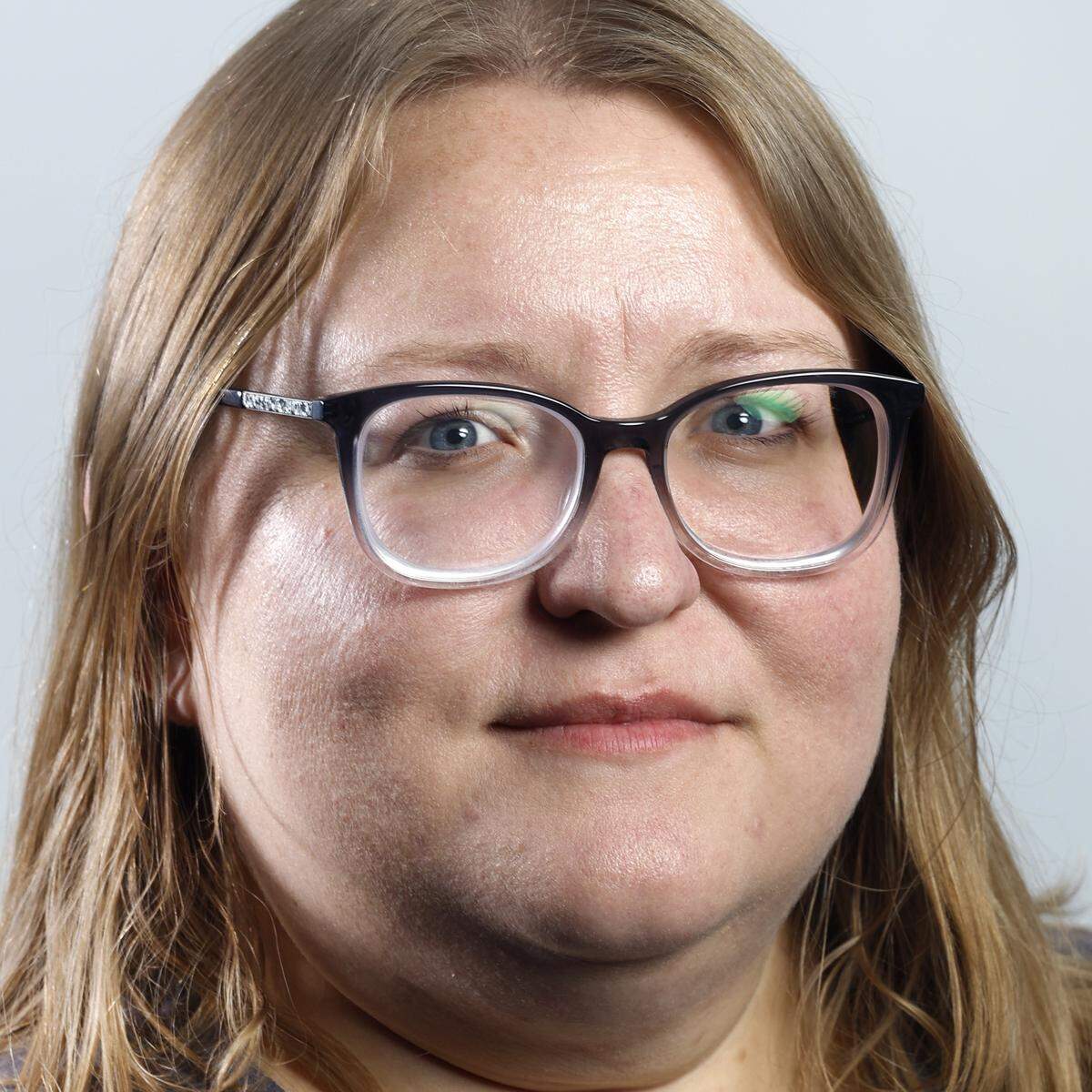
Terrance Ruth, candidate for Raleigh mayor
READ MORE
Raleigh candidates for Mayor 2022
The candidates running for Raleigh Mayor include incumbent Mary-Ann Baldwin and challengers Terrance (Truth) Ruth and and DaQuanta Copeland.
The News & Observer asked readers again this year to submit their questions for the people looking to lead Raleigh.
We received nearly 200 questions that covered a range of topics important to city residents.
We asked candidates for a yes or no response to 15 questions with a chance to fully explain their position. If candidates did not provide a yes or no answer, we didn’t include their fuller response.
We also included biographical and open-ended questions. Some responses were edited for clarity or length.
Here is how Raleigh mayoral candidate Terrance “Truth” Ruth answered the questionnaire. Ruth is one of three candidates for mayor. Mayoral candidates are elected by the entire city and serve two-year terms.
All eight seats on the Raleigh City Council are up for re-election.
Three candidates are running for mayor: incumbent Mary-Ann Baldwin, DaQuanta Copeland and Terrance Ruth
Early voting for the Nov. 8 election began Oct. 20.
Name: Terrance “Truth” Ruth
Age: 39
Occupation: Professor at N.C. State University
Education: Ph.D. University of Central Florida
Endorsements (limit to three): Wake County Democratic Party, Livable Raleigh
Previous political or civic experience? First time seeking public office
Campaign website: Truth4Raleigh.com
How do you identify your political ideology? Liberal, advocating for democratic principles and underrepresented communities.
How would you add diversity to the City Council? I support the creation of representative delegates, community surveys and reports, and committees devoted to promoting the issues of underrepresented sectors of our city. These positions and persons will report on issues of inclusivity and recommend measures to the council to improve outreach, public services, and trust.
What is your favorite locally owned restaurant either in the city or within your district?
Jack’s Seafood
The city of Raleigh lowered the speed limit downtown to 25 mph. Are you in favor of lowering the speed limit to 25 mph throughout the city?
No. A speed limit change will likely be effective downtown, but due to the nature of Raleigh accidents, wouldn’t be as useful elsewhere. State data indicates most pedestrian accidents in city limits happen on high-speed roads like Capital, Wake Forest, and Western, where pedestrians cross between intersections because of limited access to crossings. Pedestrian safety must be improved with the expansion of sidewalk networks and the installation of flashing crosswalks along roads with limited access.
Should the city help bring a sports and entertainment stadium downtown?
No. Current stadium plans do not properly accommodate for stormwater drainage, affordable housing, traffic, or the increase in home values that will occur with new construction. By some estimates a proposed 20,000-seat stadium, anchored by a sports team with an average game attendance of 1,700 persons, would cost $330 million in sales tax dollars. As Raleigh currently has two sports venues that can accommodate large events, such a project is unnecessary and would significantly harm nearby residents.
Do you support reinstating Citizen Advisory Councils (CACs)?
Yes. Public opinion has been suppressed and rendered inaccessible since the council hastily pulled funding from local forums of public discourse. To gain more public input and ensure greater transparency, well-funded and supported councils or committees should be recreated in a way that will guarantee the greatest amount of accessibility and diversity of voices. Upon a proper review of the city and the presentation of various plans, these forums will be brought back in the best manner available.
Would you vote to increase the police department’s budget?
No. The police department’s annual budget increased $8 million over the last five years, and concerns over issues of equity, bias and dysfunction remain. RPD needs and should receive funding for salaries so Raleigh’s own resident officers don’t leave the city for higher-paying offers elsewhere. However, other money would be better spent on public health programs like those established in Denver and Houston which can reduce crime and improve relationships between police departments and residents.
Would you vote to increase the salary of the city’s first responders, including police, fire and 911 staff?
Yes, Raleigh municipal workers, including first responders, can (currently) be paid less than $14 an hour, 25% less than the local statistical livable wage. In order to fill hundreds of vacancies in vital departments and ensure fast and reliable responses by our emergency services, pay rates should be increased so that Raleigh’s first responders can live and work in Raleigh itself.
Will you support keeping city buses fare-free indefinitely?
Yes. Bus fares present unnecessary burdens to Raleigh residents who rely on mass transit. By making our bus system free and more convenient, we will eventually lower the burden placed on our roads where traffic is becoming an ever-growing problem. As development in Wake County continues to sprawl, reducing pollution and increasing road efficiency will become more urgent, and the need to reduce neighborhood wealth inequality is already pressing.
The city has received numerous noise complaints from traffic and street racing. Is the city doing enough to enforce its noise ordinance?
No. North Carolina law explicitly bars the installation of modified exhaust systems on all motor vehicles, but in Raleigh, these regulations are often ignored and are hardly ever enforced. As street racing has become a significant issue downtown and in neighborhoods, proactive enforcement should become a policing priority to reduce noise pollution and improve quality of life for all residents in all parts of the city
Would you support the city creating a buffer zone around abortion clinics?
Yes. US Supreme Court precedent set in McCullen v. Coakley allows for the creation of limited buffer zones around abortion clinics, up to 15 feet, where individuals may move free of harassment. Such protections make practical sense, and in carefully, legally protected cases, should be implemented in Raleigh for the basic security and protection of women seeking abortion options.
Do you support the city’s missing middle zoning changes?
No. The current iteration of the city’s ‘Missing Middle’ policy has been poorly developed, explained, and implemented. The plan has been used to bypass most public comment and cater new portions of the city to the wishes of developers. Raleigh has a significant housing problem, but the construction of high-price townhomes and apartment buildings in single-family two-story neighborhoods does nothing to reduce burdensome housing costs and will wreak havoc on infrastructure and transit.
Do you support the city’s $275 million parks bond?
No. Many of Raleigh’s neighborhood parks are in desperate need of repair, but few are included as major parts of the plan. Instead, tens of millions are being allotted for downtown parks, primarily accessible to the city’s top income bracket. Given existing projects in these parks are wildly over budget and behind schedule, potential bond money raised by the city should be devoted to critical issues like housing and transit, helping Raleigh’s residents who are most in need of the city’s support
Would you propose additional measures to address the affordable housing crisis for lower wealth residents?
Yes. As a quarter of Raleigh’s households are currently classified as cost-burdened, critical workers in fields like health care, construction, retail, and child care are at constant risk of not being able to afford housing in the city, or near their places of work. Raleigh needs more than new shelters to keep residents housed. Through a dramatic expansion of public-private partnerships, subsidy programs, and commitments to neighborhood reinvestment, we can begin to get the city on the right track.
Do you support Raleigh’s and Wake County’s efforts in bus rapid transit and commuter rail?
Bus fares present unnecessary burdens to Raleigh residents who rely on mass transit. By making our bus system free and more convenient, we will eventually lower the burden placed on our roads where traffic is becoming an ever-growing problem. As development in Wake County continues to sprawl, reducing pollution and increasing road efficiency will become more urgent, and the need to reduce neighborhood wealth inequality is already pressing.
Should it be possible to live in Raleigh without owning a car?
Yes. No person should be required to own a car to live and work in Raleigh. A car-exclusive city model is, by nature, discriminatory to those with restrictive incomes and minorities who tend to live far from potential employers. Mass transportation must be improved and expanded, with resources diverted to the areas that use and need buses the most. No person should be required to invest critical income in a motor vehicle to support families and save for the future.
A Council-appointed study group made a recommendation to add one seat to the Raleigh City Council. Do you support expanding the size of the Raleigh City Council by a seat?
Yes. The city’s district council members represent 30,000 more people than they did 20 years ago. Population growth has made it more difficult for members to directly interact and address the needs of all citizens. If after a lengthy period of public comment and debate, the next council feels there is substantial support in the city for adding a district seat to the council, it would be appropriate to extend the option directly to voters through a ballot referendum
Do you think the current City Council has put Raleigh on the right path?
No. Over the last three years, residents have lost confidence and trust in their local government, as public input has been suppressed and proceedings made secret. The City Council has served as a poor advocate and representative for the people, and their undemocratic methodology has broken the covenant Raleigh’s occupants hold with the city they love. We must restore voices to those who want to speak and be heard, and we must right the ship through change.
What will you do to ensure Raleigh’s working-class residents don’t get priced out of the city?
Homeownership in Raleigh is becoming increasingly difficult, as renters in Raleigh watch their monthly rates climb and see house prices rise to make dreams of ownership inaccessible. City programs have done little to help. Only five individuals who were eligible for the Raleigh Homebuyers Assistance Program managed to purchase a house in the first half of 2022. As thousands of people find themselves struggling to stay in Raleigh as the cost of living increases, the city must do more to expand programs to subsidize housing for more people than ever before. Raleigh should massively expand subsidies available to low-income households, and develop a tax relief program and a longtime homeowner grant like those created in Durham County. Housing stock must also increase, and using the city’s massive swaths of underutilized land, public-private partnerships should be extensively pursued to provide city-managed affordable options across the city.
What lessons should the city have learned from public safety challenges like COVID, curfews and George Floyd protests? Would you propose any new policies or changes?
The last three years have brought about legitimate concerns over the application and enforcement of city ordinances relating to policing and enforcement. Protest restrictions led to several mishandled events, and given little oversight, changes must be made outside the department. RPD has made attempts to restore community trust which should be supported, and cannot be entirely blamed for attempting to enforce the poorly developed mayoral ordinances. However, other events have created doubt about the department’s commitment to reform. Much more must be done to prove to residents, particularly those groups who have historically been targeted by local police, that the department is committed to improving and acting in the best interest of residents. The Raleigh Police Advisory Board should be abolished and recreated with significantly greater investigatory powers and community rebuilding efforts led by the council should facilitate the restoration of public trust.
How can the city limit investment firms from buying entry level homes?
Home purchases from first-time buyers have dropped from 40% to 27% nationwide since 2020, and investors are buying almost 50% more properties now than this time two years ago. In Raleigh where home prices are rapidly increasing, speculators buy property hoping to rent or sell the units fast. Minorities are targeted by investors, who often tear down existing affordable homes to erect new modern houses. North Carolina state court decisions like City of Wilmington v. Hill (2008) bar city governments from deciding if companies can buy properties or if units can be rented, meaning investors have broad autonomy. That said, I support the efforts of private neighborhood boards who wish to try policies like ‘one-year occupancy rules’ which mandate new homeowners live in their properties for a full year before renting them. We must also zone neighborhoods in a way that homes cannot easily be torn down to make way for big expensive houses, particularly in minority neighborhoods.
Describe a program in another city that you want the city of Raleigh to try. Please be specific.
With gun violence causing pain and heartbreak around the city, intervention programs are a necessary step to prevent dangerous environments from being created and to address trauma once shootings have occurred. Newport News has founded a leading grant program that works with local organizations to help keep kids, families, and adults engaged and safe, while assisting with mental health support. The city has funded nonprofits that support at-risk youth, trauma recovery centers, school groups, neighborhood unification efforts, and volunteer corps by issuing grants ranging from tens to hundreds of thousands of dollars. By creating a community-first approach and investing in organizations that have been working in our neighborhoods for years, it is possible to reduce gun violence without over-policing or creating cultures of fear, but instead by building bridges and connecting individuals who want to help and be heard.
Raleigh is the center of one of the fastest-growing metro areas in the country. How do you personally feel about that?
The city of Raleigh sits at a unique point in history where it has the power to decide its future. As the city grows rapidly, we are presented with both opportunities and enormous challenges. For residents who are being pushed out, often from multi-generational homes, or are forced to leave their neighborhoods as they’ve gotten too expensive, this time is one of loss and sorrow. But this does not have to be the case. As a central hub for development, industry and academia, I myself have found that some of this change brings the possibility of positive growth. With a larger tax base and a thriving business community, we have a chance to use the resources we have been given to help all Raleigh residents in every neighborhood. Through the proper creation of community-focused programs, we can become an example city in the South, and for the nation, but to do so, we have to put every resident first, no matter their race, background or income.
Name one initiative you’d propose in your first 100 days in office.
Trust in government is the cornerstone of all democracy, and Raleigh’s citizens have had no reason to place their trust in the council these last three years. Changes must be made immediately, and I would commit to a series of comprehensive reforms that would make every aspect of our city’s government more accessible and transparent. From creating restrictions on secret votes to establishing a new system for relaying information to the public and press, everything that can be repaired to restore confidence must be done immediately. Never again should Raleigh residents have to see their council members as inaccessible figures who govern behind closed doors. The public must have a front-row seat to every action the council chooses to take, and should be involved and heard at every step in the process. Complete transparency is my commitment, and I promise each resident of Raleigh that I will work to earn the trust of every household, organization, and individual who calls this city home.
This story was originally published October 21, 2022 at 12:55 PM.