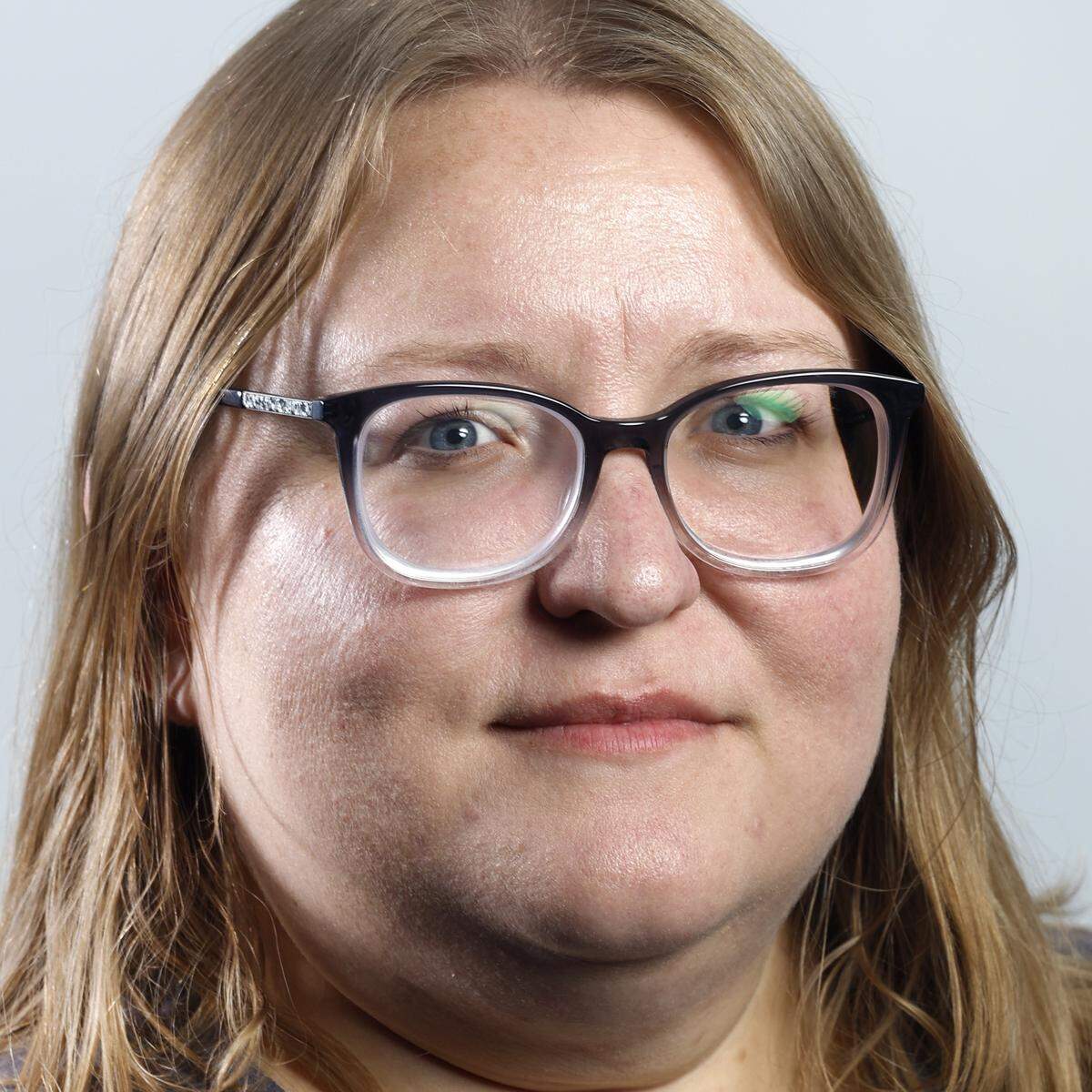
David Knight, candidate for Raleigh City Council District E
READ MORE
Candidates for Raleigh City Council District E 2022
The candidates running for Raleigh City Council District E seat include incumbent David Knight and challenger Christina Jones.
Expand All
The News & Observer asked readers again this year to submit their questions for the people looking to lead Raleigh.
We received nearly 200 questions that covered a range of topics important to city residents.
We asked candidates for a yes or no response to 15 questions with a chance to fully explain their position. If candidates did not provide a yes or no answer, we didn’t include their fuller response.
We also included biographical and open-ended questions. Some responses were edited for clarity or length.
Here is how Raleigh City Council District E candidate David Knight answered the questionnaire. Knight, the incumbent, is one of two candidates for the northwest Raleigh seat. District E candidates are elected only by people within the district and serve two-year terms.
All eight seats on the Raleigh City Council are up for re-election.
Early voting for the Nov. 8 election began Oct. 20.
Name: David Knight
Age: 54
Occupation: Environmental consultant & attorney
Education: UNC-CH, BA - Political Science; Wake Forest University Law School - Juris Doctorate
Endorsements (limit to three): Raleigh Police Protective Association, Home Builders Association of Raleigh-Wake County, Raleigh Regional Association of Realtors
Previous political or civic experience? Current City Council member; past chair of Wake County Water Partnership; past chair of Raleigh Water Conservation Task Force; past member of Raleigh Parks, Recreation, and Greenway Advisory Board
Campaign website: KnightForRaleigh.com
How do you identify your political ideology? I am registered as an unaffiliated voter and am politically moderate and independent, so I am not aligned with either political party’s philosophy. To me, the work of governance should always come back to putting people first and ensuring that our policies are aligned with our community’s needs and values. I have built a career and a reputation on being a consensus builder, bringing people together from across the political spectrum.
How would you add diversity to the City Council? I’m one of the few candidates who is not affiliated with a political party. My background and experience allows me to bring a unique focus to the table on environmental protection and on small business support.
What is your favorite locally owned restaurant either in the city or within your district? Raleigh’s restaurant scene is incredible with many of my personal favorites in District E, so this is a very hard question. You’ll most likely find me at one of the many locally owned restaurants in Five Points, near my home. If I have to pick one though, it would have to be the Angus Barn; it’s a Raleigh icon where families have gathered for decades to celebrate special occasions.
The city of Raleigh lowered the speed limit downtown to 25 mph. Are you in favor of lowering the speed limit to 25 mph throughout the city?
Yes. Lower speed limits are safer for everyone, particularly for pedestrians and cyclists but also for people in cars. I have led on this issue in my first term, and I am proud that Raleigh has made unprecedented progress to lower speed limits where residents have asked us to do so. The city has the authority to set speed limits on city-owned streets — typically residential streets — and we should continue to act to ensure our neighborhoods are safe spaces where people can walk and ride their bikes.
Should the city help bring a sports and entertainment stadium downtown?
Yes. With regards to PNC Arena, I think we should upgrade the existing facility to make it better able to handle traffic and attendance. I am working with the Blue Ridge Corridor Alliance to create a mixed-use district around the arena, so that there are more options for living, working, and dining near the facility. As for a downtown stadium, I do want the city to start setting itself up to host a top-flight professional sports team, and I would welcome proposals for how the city could be involved.
Do you support reinstating Citizen Advisory Councils?
No. I believe the city must shoulder the responsibility of community engagement. This work should not be left to volunteers, which has led to inconsistency and exclusion of citizens. My goal is to ensure Raleigh’s community engagement efforts are done in an inclusive, consistent, and comprehensive way, which is what we have done by elevating the Office of Community Engagement, creating the first Community Engagement Board and ensuring our efforts are reaching all of Raleigh’s citizens.
Would you vote to increase the police department’s budget?
Yes. Public safety is one of my top priorities and is a core function of city government. I gladly support funding the needs of our police department, as I believe our police officers should have the full training and resources they need to do their jobs. I trust our exceptional new police chief to continue her work of updating personnel policies and training practices so that RPD is aligned with important reforms and that they are well positioned to meet the needs of our growing community.
Would you vote to increase the salary of the city’s first responders, including police, fire and 911 staff?
Yes. In recent years, the city has made strides towards fairness in overall compensation for city staff and particularly for our first responders, but we have more work to do. We must ensure sufficient staffing and effective recruitment of the best candidates to serve in these changing times, which requires that we offer fair and competitive compensation. I pushed for higher raises in last year’s budget and will continue to advocate for this.
Will you support keeping city buses fare-free indefinitely?
Yes. I advocated to keep our city’s buses fare-free throughout the pandemic. I am proud that we have continued fare-free transit to date and will support doing so indefinitely. Fare-free transit makes our city accessible to everyone and makes the system simpler to use. Raleigh has to continue to orient itself toward transit as a viable solution for getting around our city so that we collectively reduce our carbon footprint.
The city has received numerous noise complaints about traffic and street racing. Is the city doing enough to enforce its noise ordinance?
No. This is a growing issue in cities across the country, and it’s a complex issue to solve. Our attorneys speak from experience when they say that it is very difficult for cities to address this issue in court, which is a real reason why this issue persists. It’s a real issue that affects quality of life for neighborhoods, and I will continue to work with our police officers and attorneys on this.
Would you support the city creating a buffer zone around abortion clinics?
Yes. I believe it is important to protect personal privacy and ensure that those seeking reproductive healthcare can do so safely and without fear.
Do you support the city’s missing middle zoning changes?
Yes. I support the Missing Middle housing concept as a public policy that can increase housing options and affordability. This policy decision was developed with broad public support in direct response to our growing housing crisis, and we need to give it time to work. Missing middle housing provides more options for people who do not want or need a large single-family home. However, I want to see a public notice process and neighborhood input on such proposals.
Do you support the city’s $275 million parks bond?
Yes. Yes! Raleigh voters have consistently supported parks bonds over the years, which is why we have the world-class parks and greenways system we enjoy today. As the city grows, we must reinvest in our parks and expand access to nature and recreation. The bond will support Dix Park and projects across the city, including a new park with a playground and amenities that are lacking in the Leesville Road area. The bond also includes funding for enhanced connectivity to our incredible greenway system.
Would you propose additional measures to address the affordable housing crisis for lower wealth residents?
Yes. I believe the onus is on city leaders to continually prioritize and meet the needs of our community, and there is no greater need than housing. I was proud to see Raleigh voters overwhelmingly support the Affordable Housing Bond and am eager to see the good this funding will do for our city. As for doing more, I think we need to continue to follow the plan we have in place, while ensuring that we are mindful to our community’s changing needs and allocating resources accordingly.
Do you support Raleigh’s and Wake County’s efforts in bus rapid transit and commuter rail?
Yes. Raleigh cannot be a world-class city without an emphasis on robust, equitable transportation options for all residents. I fully support the Wake County Transit Plan as a bold yet achievable path for improving our transit options here in Raleigh.
Should it be possible to live in Raleigh without owning a car?
Yes. Absolutely! Reducing car dependency is one of my top goals as a policymaker. People should have safe, viable and robust choices for how they get around our city. We must continue to invest in sidewalks and public transit, as well as our greenway system so that greenways become viable transportation options. We must encourage mixed-use areas where people of all abilities and incomes can more easily access work, schools, places of worship, and health care without requiring a personal vehicle.
A council-appointed study group made a recommendation to add one seat to the Raleigh City Council. Do you support expanding the size of the council by a seat?
Yes. I would support adding an at-large seat on the City Council. Raleigh’s population growth will always outpace our land area growth, and having more elected officials chosen by the full population of our city is a good thing.
Do you think the current City Council has put Raleigh on the right path?
Yes. I was a part of the new group of city leaders who were overwhelmingly elected in 2019 because of past councils’ regressive policies on housing affordability, environmental protection, and property rights. The current City Council is making strong progress toward the community’s goals in these areas. As a group, we may not always agree on every issue, but I believe that our differing viewpoints help us deliberate issues in a reasonable, positive way.
What will you do to ensure Raleigh’s working-class residents don’t get priced out of the city?
I appreciate the question, but Raleigh’s housing affordability crisis is not looming — it’s here. Residents are already being priced out of our city, and this is unacceptable. While Raleigh has made significant investments in affordable housing, there is only so much we can do to subsidize housing costs; we must also allow the housing market to function in a way that ensures supply meets demand. Housing affordability is inextricably linked to housing supply, and city leaders hold the keys to ensuring their communities use their land wisely and grow in a sustainable way. We also have to create stability for those facing housing insecurity, which we have done by creating programs to help low-income residents keep their homes and partnering with Campbell Law School to create the Housing Justice Project, where those facing eviction can find help in navigating the legal system.
What lessons should the city have learned from public safety challenges like COVID, curfews and George Floyd protests? Would you propose any new policies or changes?
I think we’re still learning lessons from these incidents. I think we can all be proud of how the city acted quickly during the COVID-19 pandemic to help people and small businesses facing hardship. The local protests in Raleigh were unprecedented and tested our organization’s ability to respond effectively. Afterward, city management did the right thing by having a third party evaluate our local response and make recommendations for improvement. Looking ahead, I think we are better positioned for future challenges, particularly if we continue to elevate the work of our new Office of Community Engagement. Protests are a form of communication, particularly for people who feel like they have to shout to be heard. We need to ensure we are continually in proactive and responsive dialogue with all members of our community, so that everyone feels heard by their city government.
How can the city limit investment firms from buying entry-level homes?
This issue is having a real effect on housing supply in Raleigh and other cities. At the council’s request, city staff have been looking into this issue to determine what we can do to ensure our existing housing supply remains available to Raleigh residents. One potential financing mechanism that may be useful to counteract the issue of investor-owned homes is the Neighborhood Homes Tax Credit, a tool that developers, lenders, and local governments could leverage in certain areas to finance new construction or rehabilitation of homes. Helping to offset rehabilitation costs helps ensure housing stability by giving people the support they need to remain in their homes for longer.. We also need to do more with homeowner education to ensure people know their rights before selling their homes. We need to continue to look at this issue from a policy perspective and to ensure that the city and our housing partners across Wake County are applying best practices in creating housing stability.
Describe a program in another city that you want the city of Raleigh to try. Please be specific.
I love what Denver is doing with their STAR Program; STAR stands for “Support Team Assisted Response,” and it’s an expanded version of what Raleigh is doing with our ACORNS Program. Both programs deploy emergency response teams to help individuals facing crises related to mental health, substance abuse, or other human services areas. Denver’s teams include EMTs and behavior health professionals, which is an acknowledgment that not every emergency situation is appropriate for law enforcement intervention. Over time, cities have come to expect far too much of their police officers, who are trained to be law enforcement professionals; our residents and visitors deserve the care of professionals who are best-equipped to serve them. Our ACORNS program — “Addressing Crises through Outreach, Referrals, Networking, and Service” — is still very new and I’d like to see the program expanded and elevated throughout the Raleigh community.
Raleigh is the center of one of the fastest-growing metro areas in the country. How do you personally feel about that?
I choose to be pragmatic about growth and to see it as a good thing. Cities that are not growing are places where few people want to live. Cities with a highly desirable quality of life, excellent health care and schools, and a strong economy will retain longtime residents and attract newcomers. Young people who grow up in a vibrant city want to start their own families there, and seniors want to stay where they have built a life and a home for many years. While some say Raleigh’s growth should stop or be pushed to the fringes — as if growth is a bad thing or as if all newcomers should make their homes in the suburbs — I believe we must be mindful of the real impact of those choices, such as unhealthy air quality, congested roads and loss of tree canopy and open space. In order for Raleigh to remain one of the country’s best cities for quality of life, we have to make policy decisions at the local level that support sustainable growth.
Name one initiative you’d propose in your first 100 days in office.
I am encouraged by society’s heightened awareness of the importance of public infrastructure, and I believe we need to take a comprehensive look at our plans to reinvest in roads, sidewalks, stormwater and utility systems, and other public infrastructure that we sometimes take for granted. While we have rightly focused on social needs over the past few years, we also have a responsibility to focus on the core services of city government. I’d propose that the council receive more extensive updates on the overall status of our public infrastructure and plans for funding needing improvements. I also think we need similar conversations about how we are investing in our natural infrastructure: trees, waterways and air quality. For example, the council has recently asked staff to bring us options for strengthening our tree conservation rules, and I am excited to develop achievable goals for tree conservation.
This story was originally published October 25, 2022 at 7:24 PM.