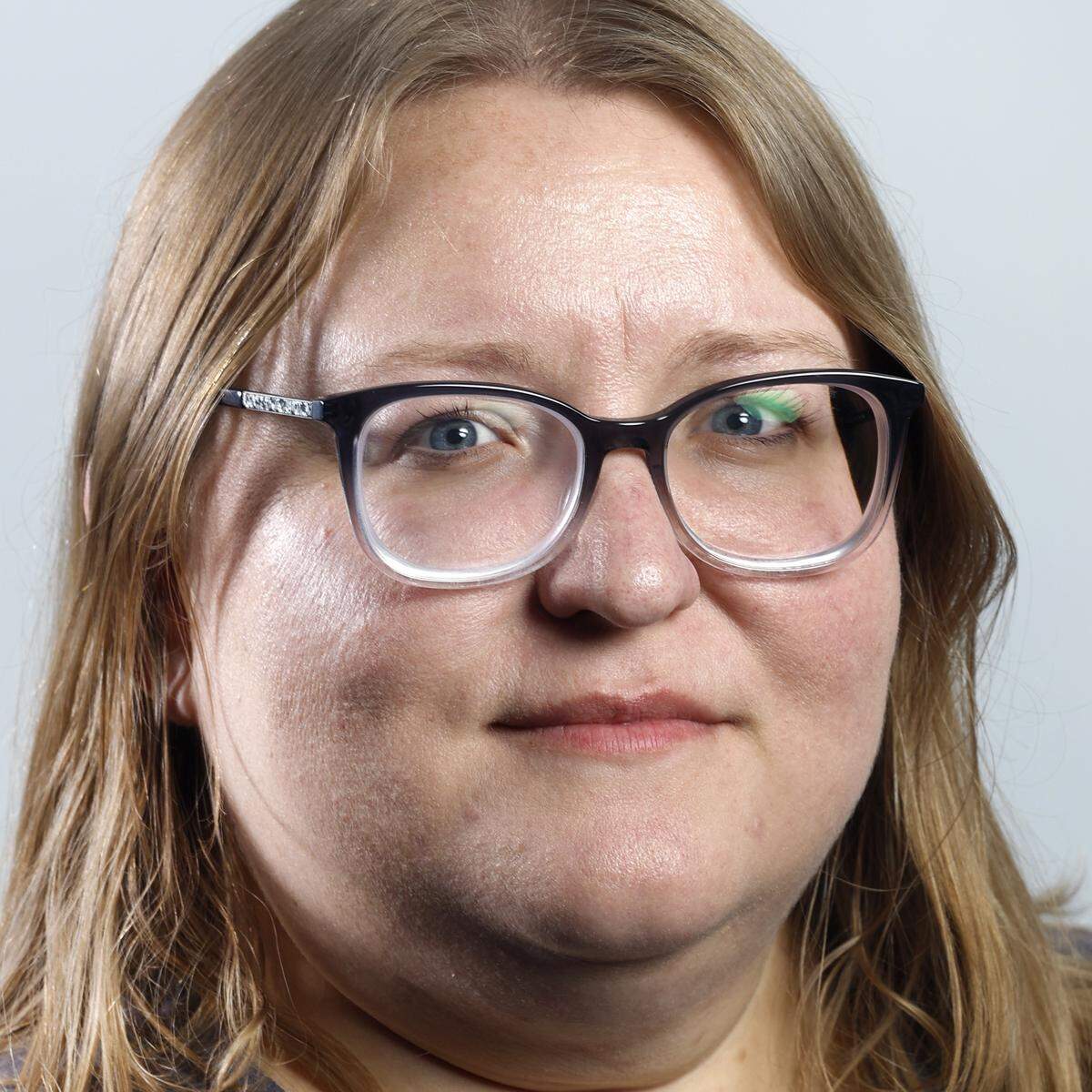
Jennifer Truman, candidate for Raleigh City Council District D
READ MORE
Candidates for Raleigh City Council District D 2022
The candidates running for the Raleigh City Council District D seat include Rob Baumgart, Jane Harrison, Todd Kennedy and Jennifer Truman. Get to know the candidates with our NC 2022 Voter Guide.
Expand All
The News & Observer asked readers again this year to submit their questions for the people looking to lead Raleigh.
We received nearly 200 questions that covered a range of topics important to city residents.
We asked candidates for a yes or no response to 15 questions with a chance to fully explain their position. If candidates did not provide a yes or no answer, we didn’t include their fuller response.
We also included biographical and open-ended questions. Some responses were edited for clarity or length.
Here is how Raleigh City Council District D candidate Jennifer Truman answered the questionnaire. Truman is one of four candidates for the southwest Raleigh seat.
District D candidates are elected only by people within the district and serve two-year terms. Stormie Forte, who currently holds this seat, is running for one of two at-large seats in this election.
All eight seats on the Raleigh City Council are up for re-election.
Early voting for the Nov. 8 election began Oct. 20.
Name: Jennifer Truman
Age: 32
Occupation: architectural designer
Education: B.S. Civil Engineering, Masters Architecture at NC State University
Endorsements (limit to three): AFL-CIO, Triangle Apartment Association, Home Builders Association
Previous political or civic experience? Board Member - Raleigh Transit Authority; Associate and Emerging Professionals Director for AIA NC and Representative to National Associates Committee American Institute of Architects; Leadership Committee Member – Dix Edge Area Study with City of Raleigh; Secretary of Southwest CAC, then co-leader of Southwest Community Engagement Forum; Board Member – Fertile Ground Food Cooperative; Volunteer Member – Dix Park Master Plan Workgroup – The Park and Its Program with City of Raleigh Parks Planning; designSPARK planning team; Event Coordinator – Second Saturday urban agriculture festival; Member of Sustainability Advisory Group Educators while Instructor at NC School of Science and Mathematics; Water Safety Instructor at City of Raleigh Aquatics taught swimming lessons at every pool in the Raleigh system
Campaign website: JenniferTruman.com
How do you identify your political ideology? Progressive independent
How would you add diversity to the City Council? I am a millennial, the youngest candidate in D, my family is working class, and I am a working mom to young kids
What is your favorite locally owned restaurant either in the city or within your district? A Place at the Table (one among many favorites in D!)
The city of Raleigh lowered the speed limit downtown to 25 mph. Are you in favor of lowering the city’s speed limit to 25 mph throughout the city?
Yes. Lowering speed limits except on major thoroughfares helps to make roads safer for other people using our shared streets without a car. As a frequent bus rider, walker and bike rider, I know we need safer places to walk and bike, lower speed limits is one part of creating safer streets.
Should the city help bring a sports and entertainment stadium downtown?
Yes. Raleigh should support people who are creating sports, entertainment and other cultural projects in downtown and throughout the city when they bring community benefits. Large projects like stadiums can be valuable economic drivers but they also need to give back to the city every day, with mixed-use elements like residential housing at all price points including qualified affordable, parks and public amenities, and essential services like groceries, pharmacies and community centers.
Do you support reinstating Citizen Advisory Councils?
No. I don’t support reinstating city support for CACs. I do believe resident organizations should be able to organize themselves and if elected will meet with any organization. I believe in better ways to keep residents engaged through direct contact via mail, email, online surveys, and hybrid meetings and look forward to hearing the recommendations of the Community Engagement Board. I also support bringing touchpoints with all city departments into our community centers.
Would you vote to increase the police department’s budget?
No. The police budget is one of the largest expenditures in Raleigh’s budget and we need to have the hard conversations and considerations of policy reforms before the city can discuss raising the non-salary police budget. As a city we need to acknowledge that while public safety is a priority for residents across the city, the presence of police officers does not always ensure the same level of public safety for Black and brown residents. I’m committed to having those hard conversations.
Would you vote to increase the salary of the city’s first responders, including police, fire and 911 staff?
Yes. Raleigh competes with other cities, towns, and private businesses to attract and keep qualified, talented staff and in order to do that we need to pay all city staff, part time and full time a living wage that will allow them to live within Raleigh with their families.
Will you support keeping city buses fare-free indefinitely?
Yes. There’s no secret that most people in Raleigh who ride the bus do so because they need to - they are essential workers - yet they may not own a car or be able to work within walking or biking distance of their home. As a long time bus rider and current member of the Raleigh Transit Authority, I believe that keeping buses fare-free is a critical component of building a 21st century transit network that works for everyone.
The city has received numerous noise complaints about traffic and street racing. Is the city doing enough to enforce its noise ordinance?
No. Complaints about noise and other less urgent complaints are currently all handled by the Raleigh Police Department dispatching officers when they do not have other urgent calls. Instead, Raleigh should look at expanding the Non-Emergency Code Enforcement department for things like noise and zoning violations that cause harm to neighbors but don’t need to be handled by the police.
Would you support the city creating a buffer zone around abortion clinics?
Yes. As a pro-choice advocate, I believe abortion is health care and no one should be heckled while they are receiving medical care. Buffers that prevent protesters from interrupting the provision of private and personal care are reasonable ordinances that can be enacted at the city level even though regulations protecting rights to abortion must be decided at the state and federal level.
Do you support the city’s missing middle zoning changes?
Yes. An equitable future and a sustainable future depend on building differently than we have for the past half century. We need to continue the work started by this council, to encourage incremental and innovative building types that will shape Raleigh into a better place for all its residents. We can preserve our parks, natural systems and trees by building denser housing and supporting development of missing middle housing and multi-story mixed-use buildings along transit corridors.
Do you support the city’s $275 million parks bond?
Yes. I support the parks bond because it’s an investment in our future and our shared civic infrastructure. The parks bond is built on equity and reinvests in neighborhoods that deserved investment for years. It funds over 20 projects across Raleigh in critical and long underfunded parks and community centers in south and Southeast Raleigh. I personally worked as a community member to advocate for several projects to be included, including the improvements for Lake Wheeler Road.
Would you propose additional measures to address the affordable housing crisis for lower-wealth residents?
Yes. When it comes to housing, we need a multi-faceted policy approach in Raleigh. I plan to encourage and approve projects that build market-rate housing where it’s needed most, downtown and along transit corridors. I also plan to incentivize the inclusion of subsidized affordable housing in larger developments in order to create mixed-income, thriving neighborhoods.
Do you support Raleigh’s and Wake County’s efforts in bus rapid transit and commuter rail?
Yes. A vibrant, healthy and equitable Raleigh depends on supporting residents who walk, bike, and ride the bus as part of their everyday life. As a longtime bus rider myself, I advocated for the Wake Transit Plan for bus rapid transit and commuter rail and as a member of the Raleigh Transit Authority have been working to make the plan a reality to bring better, more frequent transit options to residents across the city, including the Western and Southern BRT in District D.
Should it be possible to live in Raleigh without owning a car?
Yes. We need to prioritize alternative modes of transportation as primary ways of traveling around our city. Reducing our dependence on automobiles will help us reach multiple environmental and climate goals, as well as improve the health, wellness and quality of life of Raleigh residents. That means focusing on the basics like sidewalks and benches at bus stops, frequent bus routes, protected bike lanes and planning for a future with less cars.
A council-appointed study group made a recommendation to add one seat to the Raleigh City Council. Do you support expanding the size of the council by a seat?
Yes. The City Council has remained the same size while Raleigh itself has grown. One way to ensure more equitable representation across the city is to expand the number of Council seats as the community led study group recommended. I personally believe that additional seat should be an additional district councilor.
Do you think the current City Council has put Raleigh on the right path?
Yes. This council has led through unprecedented times and has started work on multiple fronts to help our city grow into a more equitable, more sustainable and more welcoming city.
What will you do to ensure Raleigh’s working-class residents don’t get priced out of the city?
Raleigh needs to prioritize short and long term solutions to help people find and stay in their homes. The pressure is felt hardest by working class families, like my own, who are balancing rising housing costs, rent increases, property tax increases, gas prices and low wages. In the short term, low income and working class families that are housing cost burdened need direct housing assistance and to keep our buses fare free to lower transportation costs, and city employees need better wages to afford to live in Raleigh. In the long term, we have to acknowledge Raleigh has a troubled history with discriminatory environmental and land use zoning decisions. Acknowledging this history, and its causes rooted in single-family zoning and decades of disinvestment, tell us how to move forward, by changing the status quo. An equitable future and a sustainable future depend on building differently than we have for the past half century. We have to build more housing and more affordable housing.
What lessons should the city have learned from public safety challenges like COVID, curfews and George Floyd protests? Would you propose any new policies or changes?
Raleigh is a city of both success stories and of struggle. In many ways these unprecedented times have revealed underlying inequities and the need for social justice in health work, food policy, labor and wages, policing, and housing. Many of those hard conversations have started, but the conversations and systemic change need to continue. Listening deeply, finding common ground, and working together to find creative solutions to complicated problems is what I do every day. I’m focused on policies that will affect that change through equitable and sustainable growth, a budget that reflects our people and values, and increasing transit choices and walkability. Those are the priorities of many residents I’ve heard from neighbors. From these hard times, as a city we’ve also learned to value our neighbors and our ability to pull together, support each other and effect change. I plan to lead on the council by finding common ground and working together to build a different and better Raleigh.
How can the city limit investment firms from buying entry level homes?
At the most basic level, the city cannot prevent investment firms from buying houses and property in Raleigh because being able to buy and sell property freely is one of the most protected rights in our country. What the city can do is create policy that incentivizes the construction of more homes, particularly smaller homes on smaller lots. Building more housing has the most direct impact on the housing market. And we need more housing.In the past few months, several changes to our zoning rules that allow smaller starter homes on smaller lots to be built again in our city have been made and some of the first projects for accessory dwelling units, tiny homes and cottage courts in decades are being permitted now. We must create local zoning rules that balance and serve the interests of all who live in Raleigh, as owners or renters. We will find that balance through transparent community engagement and objective guidelines for zoning and building.
Describe a program in another city that you want the city of Raleigh to try. Please be specific.
Several other cities in the US have created programs to incentivize diverse types of housing to be built through fee waivers or direct grants. We’ve already made changes to our code to allow things like accessory dwellings to be built, but only people who can afford to build one from their own private equity are able to build an accessory dwelling unit right now. We know that accessory dwelling units are an important part of providing more housing and helping people to supplement their housing costs with rental income. Other cities have created incentive and grant programs to help property owners finance building accessory dwelling units. Raleigh could create a grant program for this type of construction, similar to what we do for commercial projects, and even include stipulations for rental rates or taking housing vouchers, for projects funded by the grant. This is just one example of how incentivizing building housing can help us alleviate the affordable housing situation.
Raleigh is the center of one of the fastest-growing metro areas in the country. How do you personally feel about that?
With dozens of new residents each day, we have critical decisions to make on how to equitably and sustainably provide housing, quality of life, and opportunity to welcome new neighbors and support current residents. As a leader I am optimistic that we can continue to welcome growth in our city and share the prosperity that comes with it across all Raleigh neighborhoods. I’m running to return the conversation to how we want to build our city’s future, which will never be a simple yes and no answer. Growth is coming and can be good for Raleigh. The most important thing is that as we decide how things change, we need to remember that every Raleigh resident deserves a place to live, work and play.
Name one initiative you’d propose in your first 100 days in office.
Raleigh should fund a Comprehensive Food Policy. Last year, I and a coalition of urban farmers and food security nonprofits petitioned the City Council to take on the work of improving the sustainability and resiliency of our local food system. We asked the council to do three things: (1) Formally acknowledge the encouragement of urban agriculture and equitable food policy as a priority for the city of Raleigh. (2) Begin a community-engaged planning process with urban agriculture as the starting point toward creation of a comprehensive Raleigh Food Policy. (3) Adjust Raleigh’s UDO to remove barriers for starting and expanding community gardens and urban farms. Since then, little progress has been made on food policy issues despite the clear benefits of such a policy. Urban agriculture and a focus on an equitable local food system can help the city accomplish goals toward climate resilience, equity, economy, health and cultural and natural resource preservation.
This story was originally published October 25, 2022 at 5:38 PM.