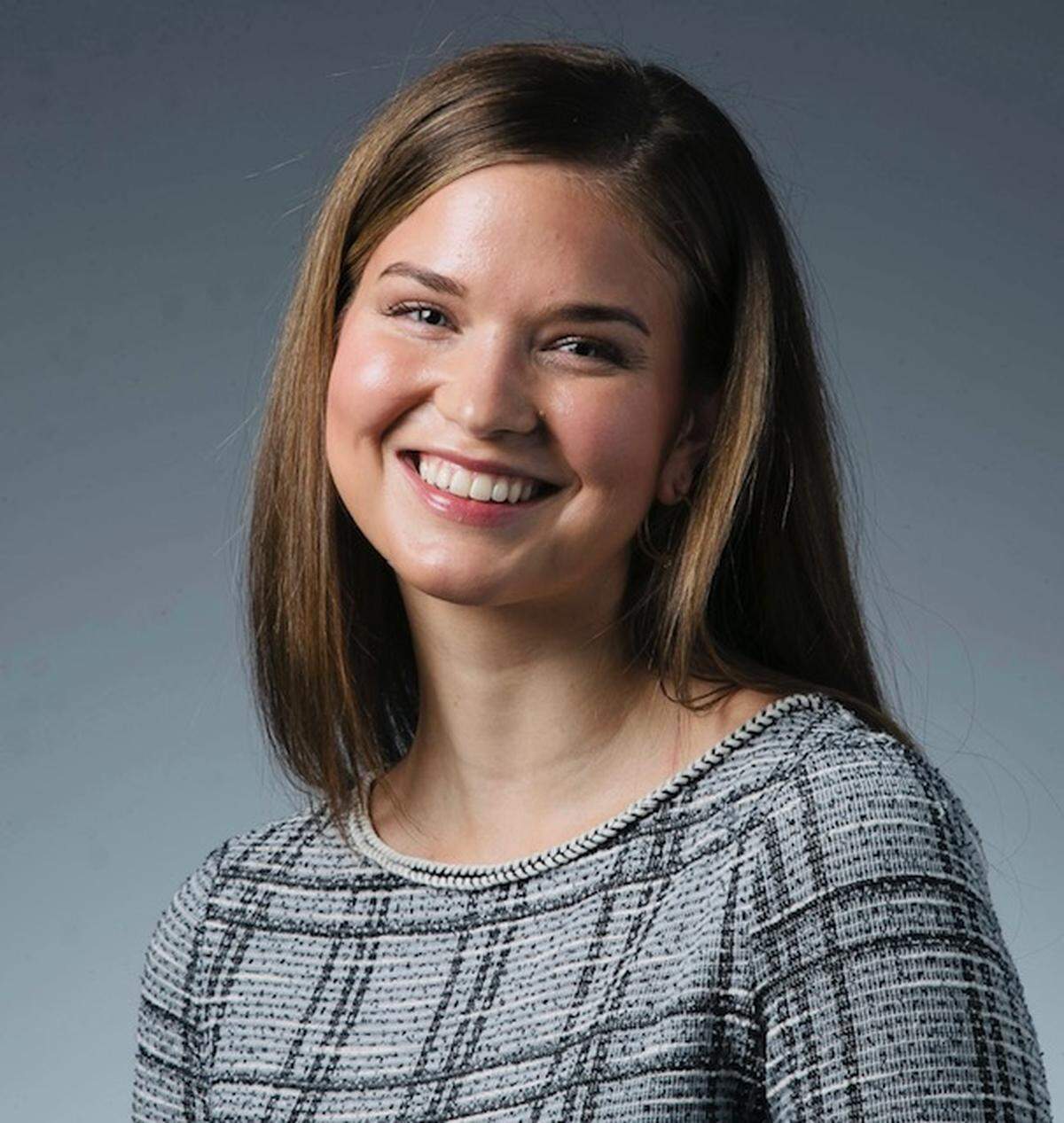
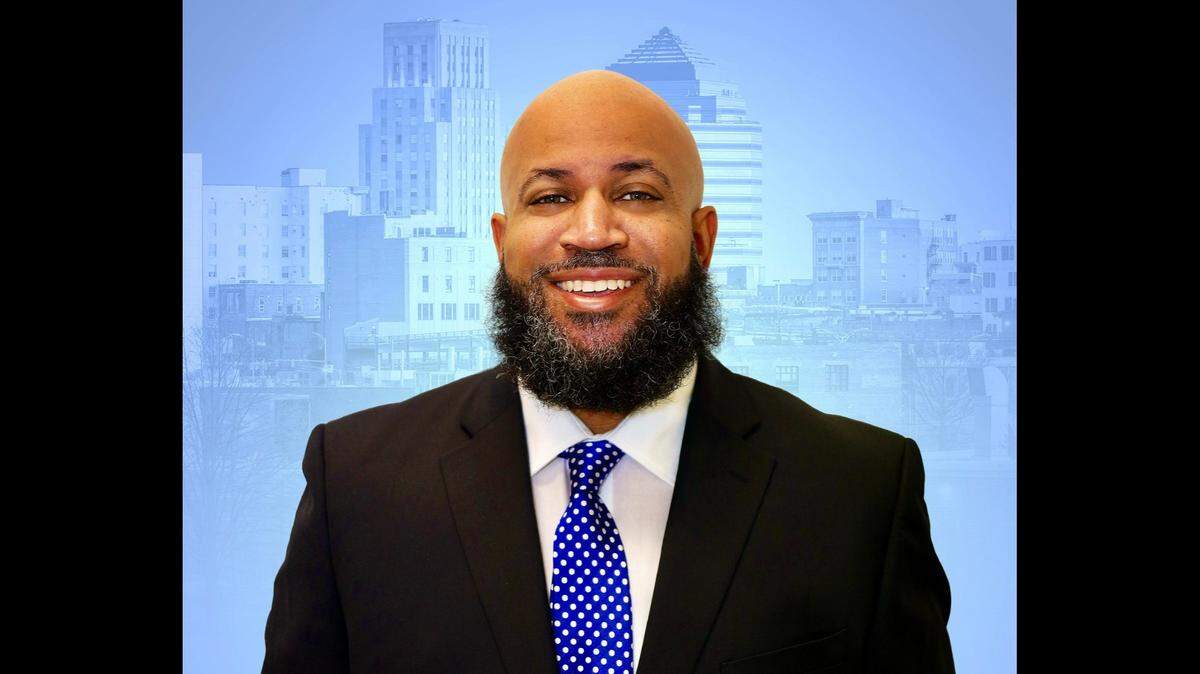
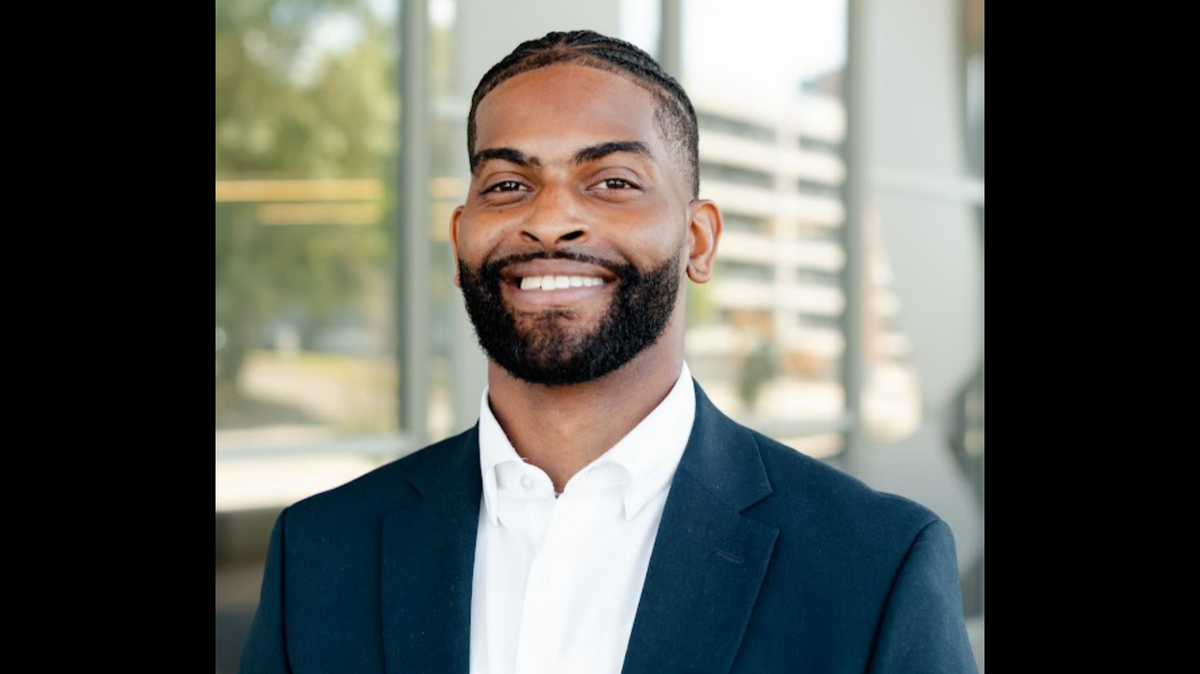
Leonardo Williams, candidate for Durham mayor, takes your questions
READ MORE
Durham Mayor and City Council Election 2023
Residents in Durham will choose a new mayor and fill three City Council seats this fall. There are eight people competing for mayor. (Jontae Dunston did not respond to our questionnaire.) Early voting in the primary runs through Oct. 7 with the Primary Election on Oct. 10. The top two mayoral candidates and top six council candidates will proceed to the general election in November. Learn more about the candidates.
Expand All
A pivotal election is underway in Durham, with voters choosing a new mayor and filling three City Council seats this fall.
There are eight people competing for mayor.
Early voting in the primary runs through Oct. 7 and Primary Day is Oct. 10.
The top two mayoral candidates will proceed to the general election in November, and the winner will have a two-year term.
We collected questions from residents across Durham to help readers get to know the candidates.
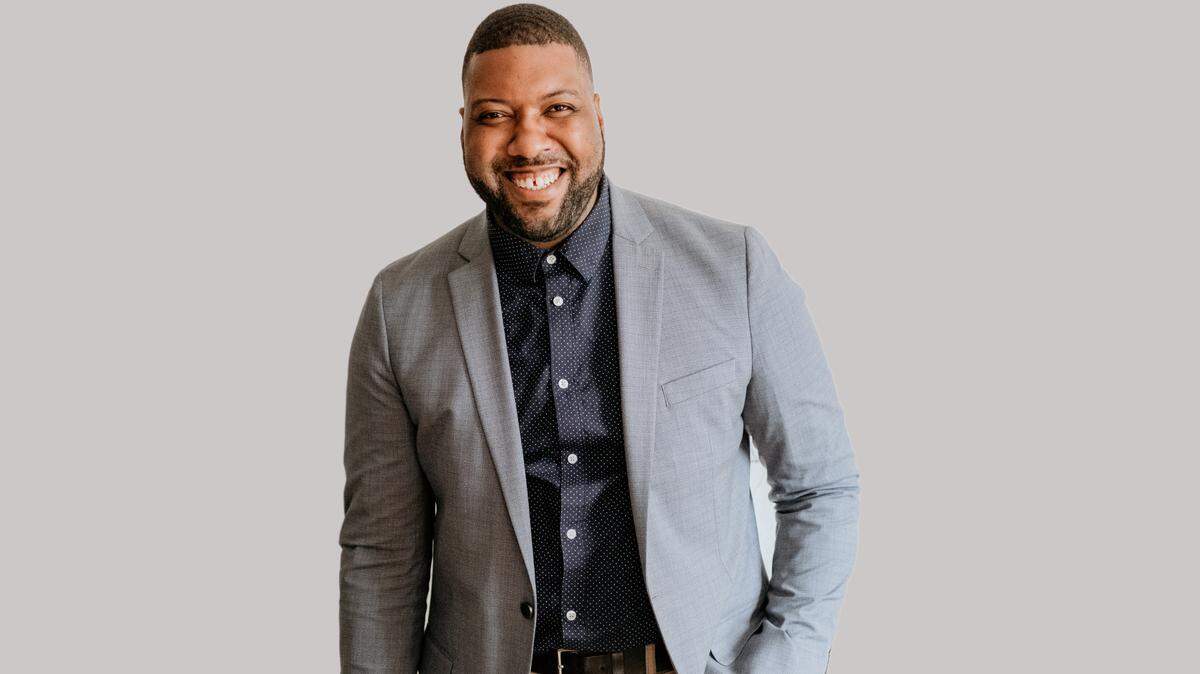
Leonardo Williams
Name: Leonardo “Leo” Williams
Age: 42
Occupation: Restaurant business owner, City Council member
Website: leo4durham.com
Are we paying people competitively and keeping our promises to our workers?
- East Durham resident Aidil Ortiz
I’m proud to lead a city in which equity is an important practice. Durham imposes a living wage over the state minimum wage. Every worker in Durham earns a living wage, but in addition, Durham has some of the best available health care and benefits that covers our workers’ families. The upcoming pay study will prioritize equity and a market rate compensation for all city workers, and I will prioritize utilizing the study to co-create a budget that works for both our residents and city workers.
Do you have any experience that helps you understand development in Durham? How do you plan to get more affordable units in the city?
- Planning commissioner Zuri Williams
Providing safe and relatively affordable housing for all residents should be the foundation of our relationships with all development and housing entities. We should differentiate between various types of affordable housing, from workforce housing to public housing, and to have the flexibility to subsidize housing at different levels. This includes a focus on relative cost housing, where the government can adapt and subsidize housing to cater to specific needs. We can leverage housing bonds, allowing us to work with entities like DHA to diversify housing options and stretch available funds to extend the reach of housing units offered.
As Durham grows more dense, how do we get away from the classic American model of car-oriented development? Are there any policies that you support that can keep us from becoming another Atlanta or Dallas?
- Downtown resident Nirav Patel
I will explore opportunities to leverage expanded housing choices, utilizing the beneficial policies that can be added, modified, or implemented within our UDO process. By doing so, we can reduce the reliance on cars and lower transportation costs. For instance, parking minimums often lead to inefficient land use and contribute to increased costs, as they mandate a large allocation of space for parking. By reevaluating these requirements, we can encourage more compact and affordable development that uses land more efficiently and creatively. Expanding housing options, particularly for smaller footprint homes along transit corridors, is helpful for addressing the city’s housing shortage and promoting sustainable growth. This approach not only improves access to public transportation but also creates opportunities for diverse and affordable housing options that address various needs and preferences.
What policies do you support for implementing safer streets and reducing car dependency locally and regionally?
- Stadium Heights resident Nick Roberts
As a leader in guiding the city’s transportation strategy, there’s an urgent need to improve mobility within and beyond Durham. I have worked on initiatives to connect bus stations in regions throughout the city and assess terminal ridership. I also play an active role as a leading representative for Durham at the Metropolitan Planning Organization. I have contributed to evolving the conversation from commuter rail to Bus Rapid Transit and Passenger Rail. I have been advocating for a strong focus on multimodal options for our city and investing in trails, protected bike lanes, dedicated lanes for rapid bus services, and expanding passenger train services. I am currently working with council colleagues to devise an infrastructure bond that will address the much-needed repairs to our streets and sidewalks. By creating a comprehensive network of transit choices and improved infrastructure, we can cater to various commuting preferences and facilitate smooth movement throughout the city and with our neighbors.
What will you do to support the mental health needs of everyday Durham residents, especially thousands of young people in our public school systems?
- Hillside High School senior Isaiah Palmer
I have been an advocate for the HEART program and its recent expansion. I also recognize the importance of supplementing the program with other human resources available throughout our community. This includes providing comprehensive care for the whole family, from early childhood education to job placement opportunities for adults and youth. By evolving the HEART program to be more proactive than reactive, we can ensure that people can get connected to long-term care and support that addresses their mental health needs holistically, ultimately reducing potential triggers that result in unfortunate outcomes. Mental health is also connected to access to public goods and resources that we can provide as a city.
In your vision for the city, what role does public education play and how does that connect to economic development, public safety and community health?
- Fayetteville Street corridor resident Erika Wilkins
Public education is a foundation and conduit for economic development, public safety, community health, and many more issues across our city. As a former educator, I know it is important that we build pathways for people to have access to what they need to be successful, including education. We can continue to build collaborations in the city with local educational institutions and organizations that can help create these pathways for individuals.
On the subject of alleged Clean Water Act violations in Falls Lake and its tributaries: How did we get here and who should be held responsible? Who is going to pay for the creek restoration and environmental damage?
- Southeast Durham resident Pam Andrews
Because this is an ongoing lawsuit, I am limited in this response, but I do commit to continue to support policies that protect our natural areas and watersheds as well as policies that keep our developers accountable to the public, including harms inflicted on the community.
How have you seen Durham evolve in your time here and what’s one thing you’ll have the power to change if elected?
- The News & Observer
Durham is undergoing a transformative era, and we must be intentional in our representation both on the council and throughout the state. We can be on the right course if we continue to build relationships and trust within our communities in order to move the city forward to meet everyone’s needs. During my time in Durham, we have been rated as a top area for business and innovation, but we are facing issues of affordable living, increased gun violence, and environmental burdens that are affecting all communities. I don’t (and shouldn’t) have the power to change anything alone, but I do have the power to foster a culture of collegiality and respect on the City Council to govern well and for the people.
To find polling places and full details on voting, visit the Board of Elections at dcovotes.com or 919-560-0700.
This story was originally published September 28, 2023 at 6:50 AM.