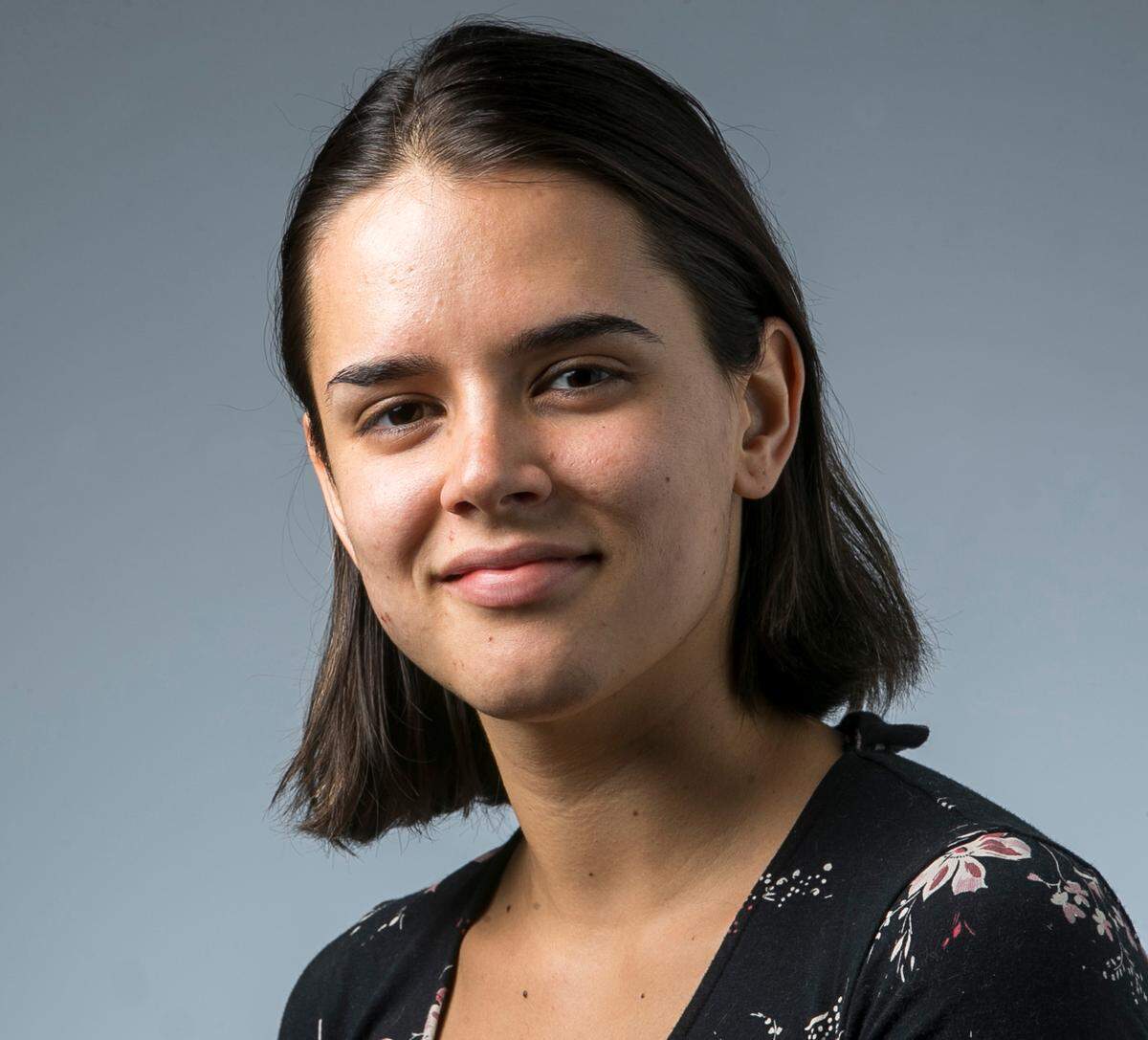
Democrat Wesley Harris, candidate for NC treasurer, answers our questions
READ MORE
Candidates for North Carolina state treasurer
Republican Brad Briner is running against Democrat Wesley Harris. Get to know the candidates with our 2024 NC Voter Guide.
Expand All
To help inform voters about the Nov. 5, 2024, election, this candidate questionnaire is available to be republished by local publications in North Carolina without any cost. Please consider subscribing to The News & Observer to help make this coverage possible.
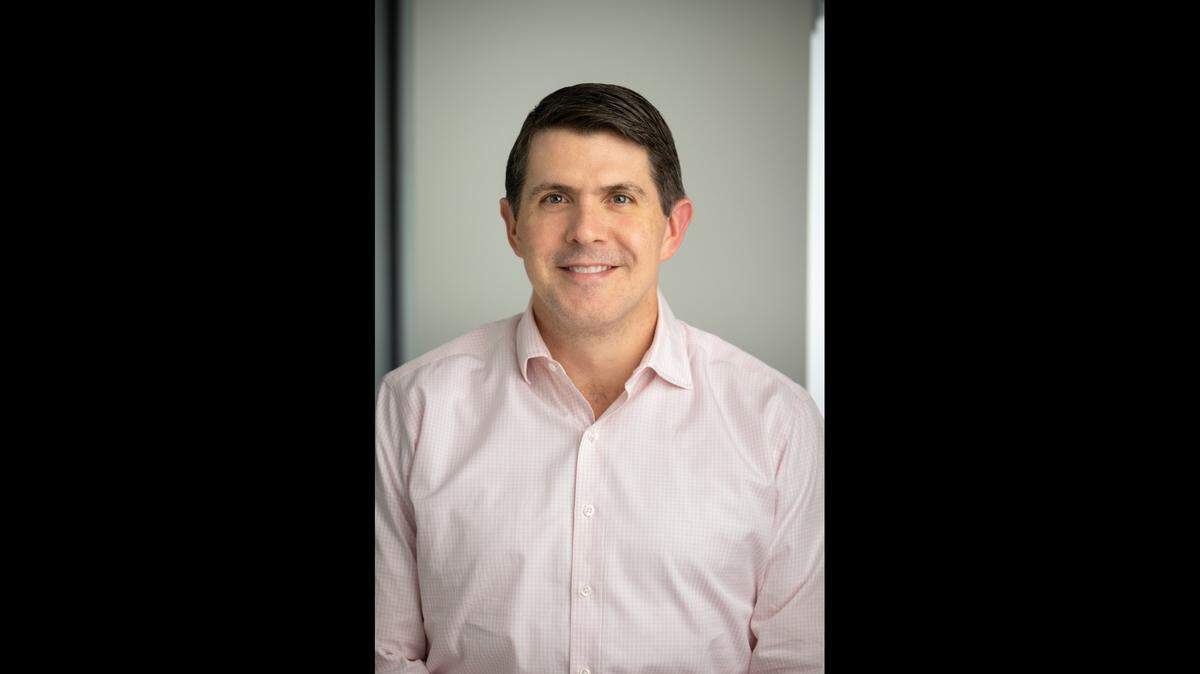
Name: Wesley Harris
Political party: Democrat
Age as of Nov. 5, 2024: 38
Campaign website: https://harrisfornc.com/
Current occupation: State legislator and economic consultant
Professional experience: Prior to being elected as a state representative, I taught Economics at Clemson University, the University of South Carolina and UNC Charlotte. Additionally, I served as an international tax economic consultant with a Big 4 accounting firm. While serving in the legislature, I am also an adjunct professor of Economics and part-time economic consultant.
Education: B.A. in Economics from UNC-Chapel Hill; PhD. in Economics from Clemson University
Please list any notable government or civic involvement. State Representative, District 105, Mecklenburg County (2019-present)
What would be your top priority if elected?
My top priority when elected will be to improve the performance of the pension plan so that we can not only keep the system solvent for our current and future retirees, but also be able to deliver a cost-of-living adjustment (COLA) to keep pace with recent inflation. I’ll work with the legislature to stabilize the State Health Plan, and ensure those who devote their lives and careers to the people of North Carolina receive great health care and a strong retirement.
What percentage raises should your state agency’s employees receive in the next state budget?
The raises should be able to keep pace with inflation from the previous years. The lack of inflation-adjusted raises is a critical reason we have a near 25% vacancy rate in our state government, which threatens both our state’s pension and health plans.
Will you attend all Council of State meetings?
Yes.
How will you work with the other nine members of the council, including the governor?
My plan for working with the other members of the council is focusing on the areas where we have joint needs from our various offices and working together to find a solution. Similar to my time in the legislature, I’ll focus on building relationships with the other members so I can best understand what their departments need and what could overlap with my own department. That way we can come together and figure out potential solutions that work for everyone’s department and the state as a whole.
What steps will you take to make sure the State Health Plan remains solvent and what changes, if any, will you make to retiree benefits considering the state’s retiree benefit liability?
To make the State Health Plan solvent we have to focus on improving these three main points: Preventative care and wellness programs; getting more people on the plan through employee recruitment and compensation; and negotiation of fair costs from health care providers and pharmaceutical companies.
The State Health Plan this year ended coverage of Wegovy, Saxenda and Zepbound, weight-loss drugs that were heavily used by state employees on the plan. Will you reinstate coverage of these drugs? What’s your strategy to keep drugs covered and costs low?
Yes, I will work to reinstate these drugs. But I will do it in a way that is a fair cost to the members and to the plan. These drugs are known to have a real impact on helping curb obesity — which, if unaddressed, will lead to worse health outcomes and more expensive health care in the future. By leveraging our bargaining power with the drug companies, we can provide these drugs in a way that benefits the plan and our members.
What changes will you make to how the state’s pension plan is managed? Will you shift investments from cash to stock?
We must invest more of our cash. Currently our pension has 14% sitting in cash, with comparable pensions at around 2-3%. With our total value of over $120 billion, we could invest over $10 billion extra in the market — providing extra returns that could fully fund the pension plan and adequate COLAs — and still have a higher cash balance than any other pension. With no serious amount of additional risk, we can simply invest the funds in fairly low-risk index funds and vastly improve the performance of the plan.
Is there an issue on which you disagree with your party? What is your position on that issue?
Broadly, we see that urban areas are blue and rural areas are red, so most Democrats just focus on the blue areas. But it is the rural areas that need investments most from the state, so that folks there can have all the opportunities previous generations were blessed with. I strongly believe the lack of opportunities and investment has led to the radicalism we see in politics — and I believe we should focus just as much attention on rural areas with a message of bridging the urban-rural divide.